Waste Receptor
Waste Receptor
In industrial process engineering, a waste receptor is a critical component designed to collect, contain, and manage byproduct fluids, chemical runoff, or hazardous effluents before they are processed, neutralized, or transported for disposal. Whether it is a simple floor drain sump in a chemical plant or a massive underground containment vessel for industrial wastewater, the waste receptor serves as the first line of defense in environmental protection and process safety.
Monitoring the contents of a waste receptor is not merely a matter of inventory; it is a vital safety requirement. Overflows can lead to catastrophic environmental contamination, regulatory fines, and personnel hazards. Consequently, selecting the appropriate level measurement technology is the most significant engineering decision when designing or upgrading a waste receptor system. This guide examines the technical principles of level measurement within these vessels and provides a framework for selecting the right instrumentation.
Principles of Level Measurement in Waste Receptors
Before selecting a specific instrument, engineers must understand the physical principles that govern level detection. In the context of a waste receptor, the media is often "dirty," potentially corrosive, and prone to surface turbulence or foam.
1. Ultrasonic (Non-Contact)
Ultrasonic sensors operate on the Time-of-Flight (ToF) principle. The sensor emits a high-frequency sound pulse that travels through the air, reflects off the surface of the liquid in the waste receptor, and returns to the transducer. The device calculates the distance based on the time elapsed and the speed of sound.
* Advantages: No contact with the waste media, which reduces maintenance and prevents corrosion of the sensor.
* Limitations: Performance can be degraded by heavy foam, which absorbs sound waves, or by significant temperature fluctuations that alter the speed of sound.
2. Radar (Non-Contact Microwave)
Radar level meters also use the ToF principle but utilize electromagnetic waves (microwaves) rather than sound. These waves travel at the speed of light and are largely unaffected by air temperature, pressure, or vacuum conditions within the receptor.
* Advantages: Extremely accurate and capable of penetrating steam, dust, and some foam. It is often the preferred choice for hazardous waste receptors where high precision is required.
* Limitations: Higher initial cost compared to ultrasonic or hydrostatic methods.
3. Hydrostatic (Pressure-Based)
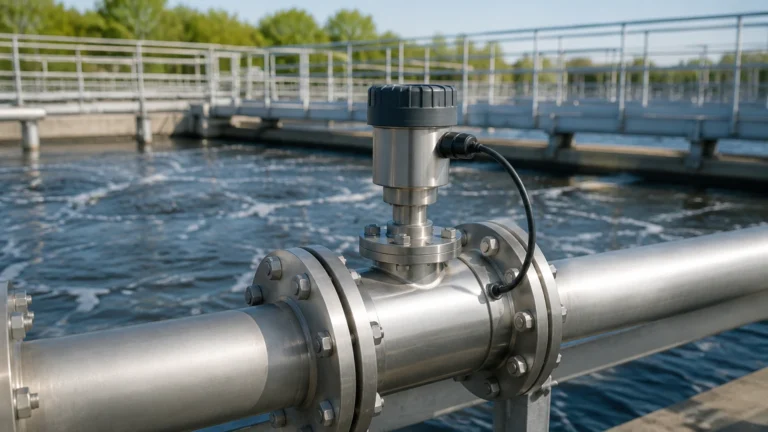
Hydrostatic level transmitters measure the pressure exerted by the liquid column in the waste receptor. Since pressure is directly proportional to the height of the liquid (based on the formula $P = \rho gh$), the sensor can determine the level with high reliability.
* Advantages: Simple installation (often submersible) and highly effective in deep underground sumps where top-down mounting is difficult.
* Limitations: Accuracy depends on a constant fluid density. If the waste receptor collects fluids of varying densities, the reading will fluctuate.
4. Magnetic Level Gauges
For above-ground waste receptors, magnetic level gauges provide a clear visual indication. A float containing a magnet moves with the liquid level inside a bypass chamber, flipping magnetic flags on an external scale.
* Advantages: Provides a mechanical, visual backup that does not require power. It is ideal for high-pressure or high-temperature waste streams.
* Limitations: Requires a bypass pipe or side-mounting, which may not be feasible for all receptor geometries.
Selection Criteria for Waste Receptor Instrumentation
Choosing the right sensor requires an analysis of the specific environment of the waste receptor. For a comprehensive overview of available technologies, engineers can visit the Main Page of industrial instrumentation providers to compare specific model specifications.
| Criteria | Ultrasonic | Radar | Hydrostatic | Magnetic |
| :— | :— | :— | :— | :— |
| Media Type | Clean to slightly dirty | All types | Slurries/Liquids | Clean liquids |
| Foam Resistance | Low | High | High | Moderate |
| Max Range | Up to 15m (50ft) | Up to 70m+ (230ft) | Up to 200m (650ft) | Up to 6m (20ft) |
| Accuracy | +/- 0.25% | +/- 1mm to 3mm | +/- 0.1% to 0.5% | +/- 5mm |
| Installation | Top-mounted | Top-mounted | Submerged/Bottom | Side-mounted |
| Cost | Low to Mid | Mid to High | Low | Mid |
Chemical Compatibility
Waste receptors often hold aggressive substances. If the receptor contains acids, alkalis, or solvents, the wetted parts of the sensor must be compatible. For hydrostatic sensors, this means selecting housings made of 316L stainless steel, Hastelloy, or PTFE-coated cables. For non-contact sensors like radar, the antenna material (often PVDF or PTFE) must resist chemical vapors.
Turbulence and Agitation
If the waste receptor receives high-velocity inflow or is equipped with an agitator to prevent settling, the surface of the liquid will be turbulent. In these cases, radar is superior to ultrasonic as it is less susceptible to signal scattering caused by surface ripples.
Installation Considerations
Proper installation is as important as the technology itself. A poorly placed sensor in a waste receptor will yield erratic data regardless of its quality.
1. Avoid the Inflow Stream: Never install a level sensor directly under the pipe where waste enters the receptor. The falling liquid will create false echoes for ultrasonic/radar sensors and localized pressure spikes for hydrostatic sensors.
2. The "Dead Zone": Every top-down sensor has a "dead zone" or blocking distance (typically 0.2m to 0.5m). The sensor must be mounted high enough that the maximum possible liquid level never enters this zone, or the reading will be lost.
3. Stilling Wells: In waste receptors with heavy foam or extreme turbulence, a stilling well (a vertical pipe that acts as a baffle) can be installed. The sensor is mounted at the top of the pipe, providing a calm surface for measurement.
4. Mounting Alignment: For radar and ultrasonic units, the transducer face must be perfectly parallel to the liquid surface. A deviation of just a few degrees can significantly reduce the return signal strength in deep receptors.
Limitations and Risks in Waste Receptor Applications
Engineering teams must account for the following risks when managing waste receptors:
* Build-up and Fouling: Waste fluids often contain fats, oils, greases (FOG), or mineral scales. These can coat the face of an ultrasonic transducer or clog the diaphragm of a hydrostatic sensor. Regular cleaning cycles or the use of non-stick PTFE faces are necessary.
* Condensation: In outdoor waste receptors or those containing warm waste, condensation will form on the sensor face. While many modern radar units can "see through" some condensation, heavy droplets can cause signal attenuation.
* Hazardous Areas: If the waste receptor collects flammable solvents, the instrumentation must be rated for explosive atmospheres (ATEX/IECEx). This includes the use of intrinsically safe barriers or explosion-proof housings.
Maintenance and Calibration
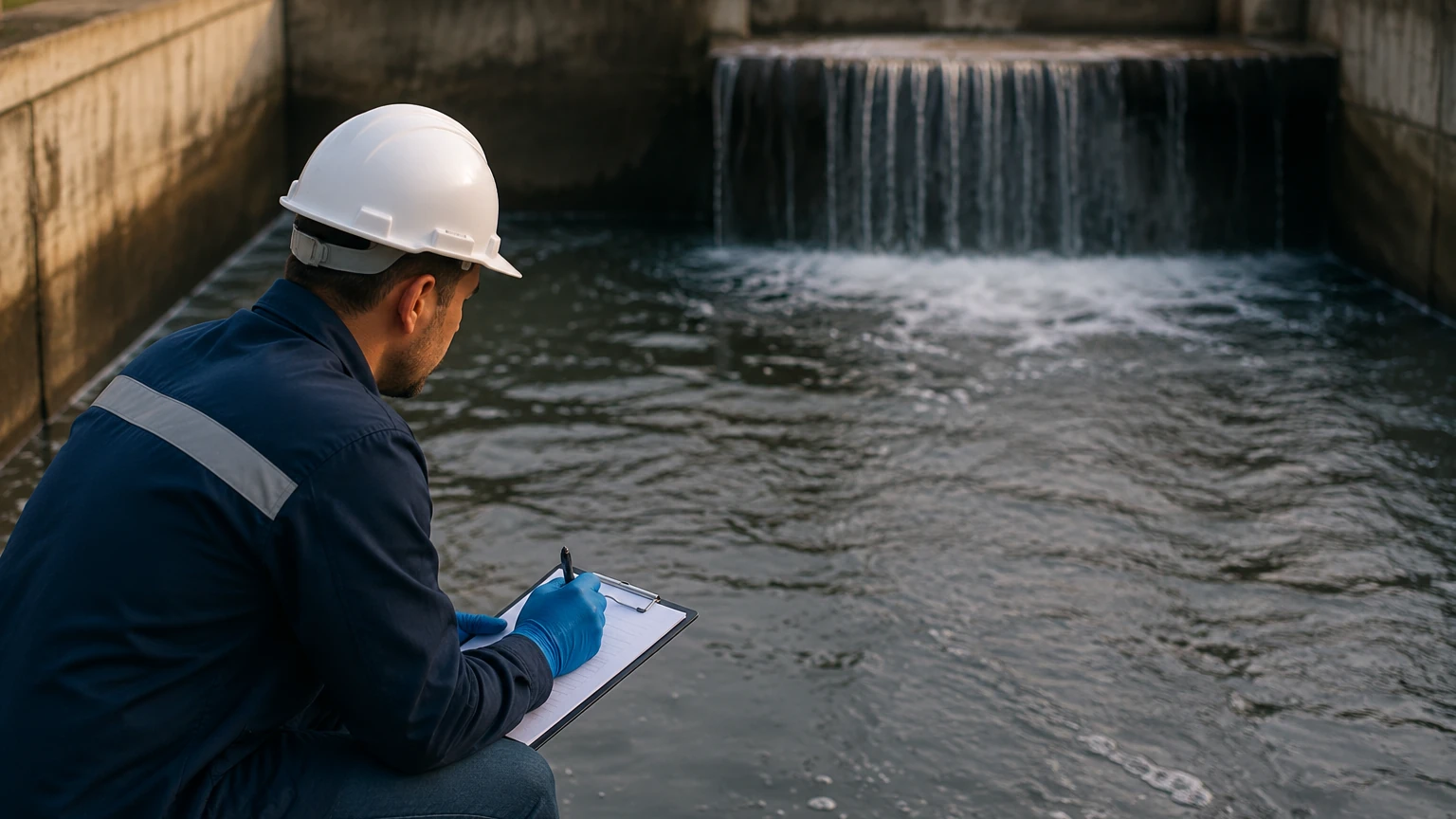
To ensure the longevity of instrumentation in a waste receptor, a preventative maintenance schedule should be established.
* Monthly: Visually inspect the sensor for physical build-up or signs of corrosion.
* Quarterly: Verify the zero-point of the sensor. For a waste receptor, this is best done when the tank is at its lowest programmed level.
* Annually: Perform a full-span calibration. This involves comparing the sensor output against a manual tape measure reading at multiple points (e.g., 25%, 50%, and 75% capacity).
For those looking for specific hardware recommendations and technical support for complex waste receptor projects, reviewing the Main Page of a specialized manufacturer like Welk can provide insights into the latest radar and ultrasonic developments.
Frequently Asked Questions (FAQs)
Q: Can I use a float switch in a waste receptor?
A: Float switches are excellent for simple high-level alarms or pump control. However, they are prone to "hanging up" on debris or grease in a waste receptor. For continuous monitoring and better reliability, non-contact sensors are generally preferred.
Q: How do I measure the level if the waste receptor is underground?
A: For underground receptors, a submersible hydrostatic pressure transmitter is often the most practical solution. It can be lowered into the tank through a small access hatch. Alternatively, a top-mounted radar can be used if there is a clear line of sight to the bottom.
Q: What is the best way to handle foam in a waste receptor?
A: High-frequency (80GHz) radar is the most effective technology for penetrating foam. If the foam is exceptionally thick and dense, a hydrostatic sensor is the best alternative, as it measures the liquid mass from the bottom and is completely unaffected by surface foam.
Q: How does temperature affect the measurement?
A: Temperature primarily affects ultrasonic sensors because the speed of sound changes with air density. Radar and hydrostatic sensors are much more stable across varying temperature ranges, though hydrostatic sensors should be temperature-compensated to account for changes in liquid density.
Conclusion
The waste receptor is a vital utility in any industrial facility, and its management depends entirely on the accuracy of level measurement. By understanding the strengths and limitations of ultrasonic, radar, and hydrostatic technologies, engineers can design systems that prevent environmental incidents and optimize waste processing workflows. When selecting equipment, always prioritize chemical compatibility and the physical characteristics of the waste stream to ensure a long-lasting and reliable installation.