Terminal Reporting Software
Terminal Reporting Software
In the landscape of industrial automation and bulk liquid management, terminal reporting software serves as the critical intelligence layer that transforms raw field data into actionable inventory insights. For facilities such as tank farms, chemical processing plants, and water treatment terminals, the ability to monitor levels accurately and report them in real-time is essential for operational safety, regulatory compliance, and supply chain efficiency. This guide explores the technical foundations of level measurement that feed into these software systems, the selection criteria for integrated solutions, and the practical considerations for deployment.
Measurement Principles: The Foundation of Data
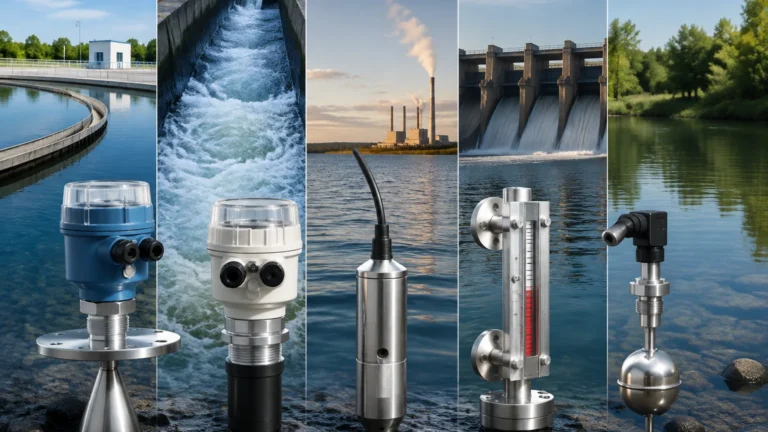
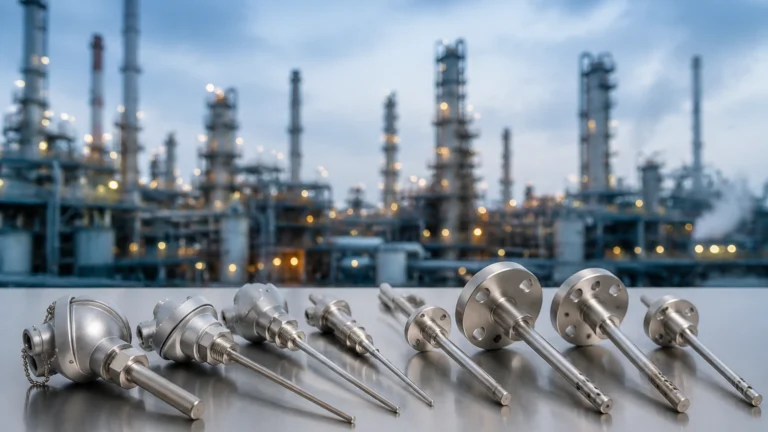
Before terminal reporting software can generate a report, it must receive accurate data from field-mounted instruments. In industrial level measurement, several physical principles are employed to determine the quantity of material in a vessel. Understanding these principles is the first step in ensuring the integrity of the data processed by the software.
Radar Level Measurement (Time of Flight)
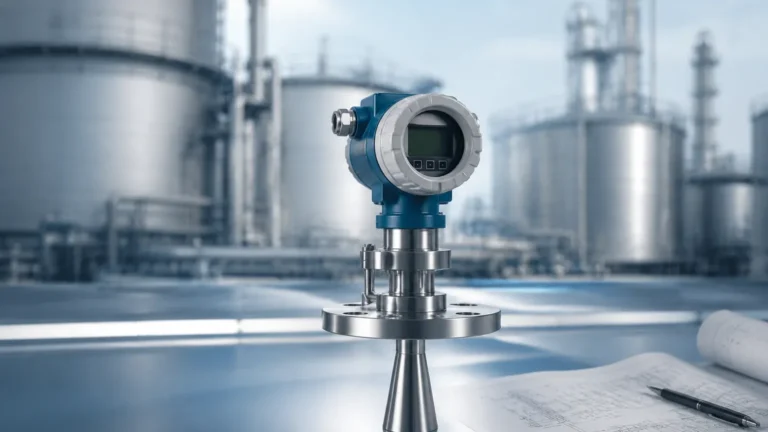
Radar level meters, particularly those utilizing Frequency Modulated Continuous Wave (FMCW) technology, are the gold standard for terminal applications. The device emits a high-frequency microwave signal (often in the 26 GHz or 80 GHz range) toward the product surface. The signal reflects off the surface and returns to the antenna. The software within the transmitter calculates the distance based on the time of flight or the frequency shift. Because microwaves are unaffected by air temperature, pressure, or vacuum, radar provides highly stable data for terminal reporting software, even in volatile environments.
Ultrasonic Level Measurement
Ultrasonic sensors operate on a similar time-of-flight principle but use sound waves instead of electromagnetic waves. A transducer emits an ultrasonic pulse that bounces off the liquid surface. The time taken for the echo to return is proportional to the distance. While cost-effective, ultrasonic sensors are sensitive to air temperature variations and foam, which can absorb the sound signal. Terminal reporting software often includes compensation algorithms to correct for temperature-induced changes in the speed of sound.
Hydrostatic Pressure Measurement
This principle relies on the relationship between the height of a liquid column and the pressure it exerts at the base of the tank. A pressure transmitter mounted at the bottom of the vessel measures the "head pressure." If the density of the liquid is constant, the software can calculate the level with high precision. This method is common in water treatment and open-tank chemical storage.
Magnetic Level Gauges and Transmitters
Magnetic level gauges provide a visual indication via a float-and-flap system. For digital reporting, these are coupled with magnetostrictive transmitters or reed switch arrays. As the float moves with the liquid level, it triggers sensors that send a 4-20mA or digital signal to the terminal reporting software, providing a redundant check against visual readings.
The Role of Terminal Reporting Software in Industrial Automation
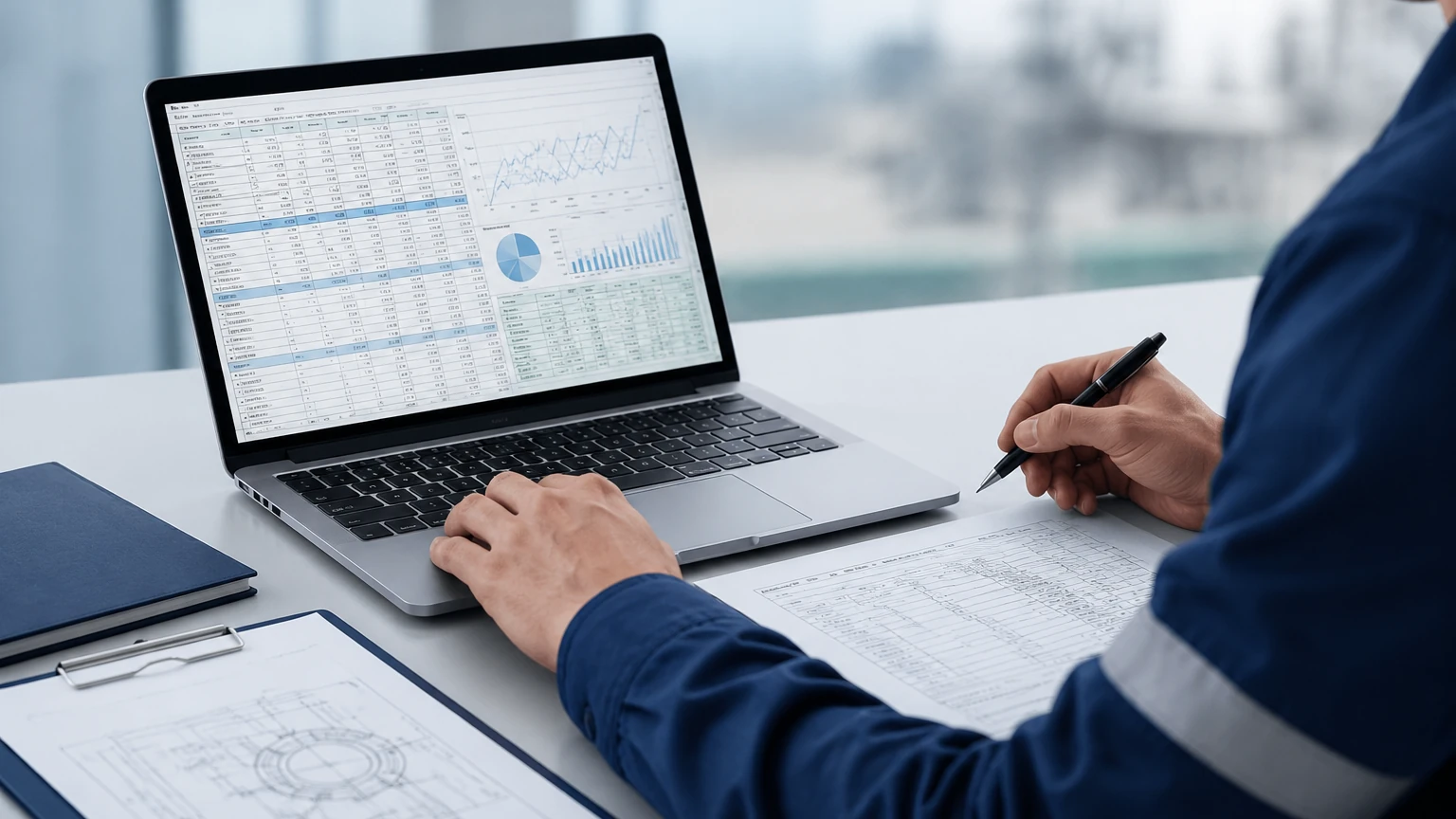
Terminal reporting software is more than a simple dashboard; it is a sophisticated data management system designed to handle the complexities of industrial storage. Its primary functions include:
1. Data Acquisition and Integration: The software interfaces with field devices via protocols such as Modbus RTU/TCP, HART, or Foundation Fieldbus. It aggregates signals from multiple tanks into a centralized database.
2. Tank Strapping and Volume Calculation: Most industrial tanks are not perfectly cylindrical. Terminal reporting software uses "strapping tables" to convert measured linear levels (in millimeters) into precise volumes (in cubic meters or liters), accounting for internal tank geometries and deadwood.
3. Inventory Reconciliation: By comparing incoming flow meter data with changes in tank levels, the software can detect leaks or unauthorized removals, providing a crucial layer of security and loss control.
4. Alarm Management: The software allows engineers to set multi-level alarms (High-High, High, Low, Low-Low). These alerts are critical for preventing overfills, which can lead to environmental disasters and equipment damage.
For engineers seeking to integrate these software capabilities with robust hardware, visiting the Welk Main Page provides a comprehensive overview of compatible radar and ultrasonic instruments designed for seamless data integration.
Technical Selection Criteria
Choosing the right combination of level sensors and terminal reporting software requires a detailed analysis of the application environment. The following table provides a comparison of common sensor technologies and their suitability for software-driven reporting.
| Technology | Accuracy | Ideal Media | Software Integration Complexity | Environmental Limitations |
| :— | :— | :— | :— | :— |
| 80 GHz Radar | ±1 mm | Corrosives, Hydrocarbons | Low (Digital/HART) | Minimal; handles dust/vapor well |
| Ultrasonic | ±0.25% of range | Water, Wastewater | Moderate (Requires Temp Comp) | Affected by foam and heavy vapor |
| Hydrostatic | ±0.1% of span | Clean liquids, Oils | Low (4-20mA) | Requires constant liquid density |
| Magnetostrictive | ±1 mm | Interface measurement | Moderate | Sensitive to mechanical turbulence |
Software Evaluation Factors
When evaluating terminal reporting software, consider the following technical requirements:
* Scalability: Can the software handle an increase from 5 tanks to 50 tanks without significant latency?
* Interoperability: Does it support OPC UA or MQTT for communication with higher-level ERP or SCADA systems?
* Audit Trails: Does the software log every change in configuration or alarm acknowledgement for regulatory compliance (e.g., EPA or local environmental standards)?
Installation and Integration Considerations
Successful implementation of terminal reporting software depends heavily on the physical installation of the sensors. Even the most advanced software cannot correct for poor signal quality caused by improper mounting.
Sensor Positioning
Level sensors should be installed away from the tank walls to avoid false reflections (in the case of radar and ultrasonic). For radar units, a minimum distance of 200 mm from the wall is typically recommended. Furthermore, sensors must be positioned away from inlet pipes to prevent the software from interpreting the incoming liquid stream as the actual tank level.
Wiring and Signal Integrity
In large terminals, the distance between the sensor and the control room can be hundreds of meters. Using shielded twisted-pair cables is essential to prevent electromagnetic interference (EMI) from corrupting the signal. For very long distances, converting the signal to a digital protocol like Modbus or using wireless gateways can improve the reliability of the data reaching the terminal reporting software.
Calibration and Zero-Point Setting
Once installed, the sensor must be calibrated. This involves defining the "Zero" point (usually the bottom of the tank or the sensor diaphragm) and the "Full" point. The terminal reporting software must be synchronized with these physical parameters to ensure that the 4mA signal truly represents 0% and the 20mA signal represents 100%.
Limitations and Operational Challenges
While terminal reporting software significantly enhances visibility, engineers must be aware of inherent limitations:
* Vapor Space Interference: In chemical terminals, the space above the liquid may contain dense vapors or steam. While radar is generally immune, ultrasonic signals can be slowed down or attenuated, leading to false readings in the software.
* Surface Turbulence: Agitators or high-velocity filling can create waves or foam. Software filters (such as damping or averaging) can smooth out these fluctuations, but extreme turbulence may require the use of a stilling well to provide a calm surface for measurement.
* Data Latency: In wireless configurations, the reporting interval (e.g., every 30 seconds vs. every 1 second) can impact the software's ability to respond to rapid level changes. This must be factored into the alarm logic.
Frequently Asked Questions (FAQ)
Q: Can terminal reporting software handle multiple types of sensors simultaneously?
A: Yes. Modern software platforms are designed to be sensor-agnostic. They can aggregate data from a radar meter on Tank A, a hydrostatic sensor on Tank B, and a magnetic gauge on Tank C, provided they use compatible communication protocols like Modbus or 4-20mA with a signal converter.
Q: How does the software handle changes in liquid density?
A: For hydrostatic sensors, density changes will cause errors. Advanced terminal reporting software can compensate for this if a secondary temperature or density sensor is installed, allowing the software to recalculate the level based on the updated physical properties of the fluid.
Q: Is it possible to access terminal reports remotely?
A: Most contemporary terminal reporting software includes web-based interfaces or mobile app compatibility. This allows site managers to monitor inventory levels and receive alarm notifications from any location with an internet connection, utilizing secure VPNs or encrypted cloud bridges.
Q: What is the typical maintenance schedule for these systems?
A: While the software itself requires periodic security updates and database optimization, the field instruments should be inspected every 6 to 12 months. This includes checking for buildup on sensor faces and verifying the accuracy of the software readings against a manual dip-tape measurement.
Conclusion
Terminal reporting software is a vital component of modern industrial infrastructure, providing the necessary bridge between physical level measurement and high-level operational decision-making. By selecting the appropriate measurement principle—whether radar, ultrasonic, or hydrostatic—and ensuring a robust integration strategy, facilities can achieve unprecedented levels of accuracy and safety. For detailed technical specifications on the instruments that power these systems, you may Review product options and application support at the Welk Main Page, where a variety of industrial-grade solutions are available to meet specific terminal requirements.
When implementing these systems, engineers should prioritize data integrity at the source. A well-configured terminal reporting software package, supported by high-quality level sensors, ensures that the facility remains compliant, efficient, and prepared for the demands of modern industrial automation.