Sampleserve
Sampleserve
In the landscape of industrial and environmental monitoring, the transition from manual data collection to integrated digital ecosystems has redefined operational efficiency. Central to this evolution is the synergy between high-precision hardware, such as level measurement instruments, and sophisticated data management platforms like Sampleserve. For project managers and field engineers, understanding how to bridge the gap between physical measurements and digital reporting is essential for maintaining compliance and optimizing resource allocation.
This guide explores the technical principles of level measurement, the role of data management in environmental sampling, and how to select the appropriate instrumentation to ensure that field data remains accurate, verifiable, and ready for digital integration.
Principles of Level Measurement Technology
Before implementing a digital sampling workflow, it is critical to understand the physics behind the data. Level measurement instruments convert physical properties—such as pressure, sound waves, or electromagnetic pulses—into electrical signals that represent the height or volume of a liquid. In applications involving environmental monitoring and groundwater sampling, three primary technologies are most prevalent.
1. Hydrostatic Level Measurement
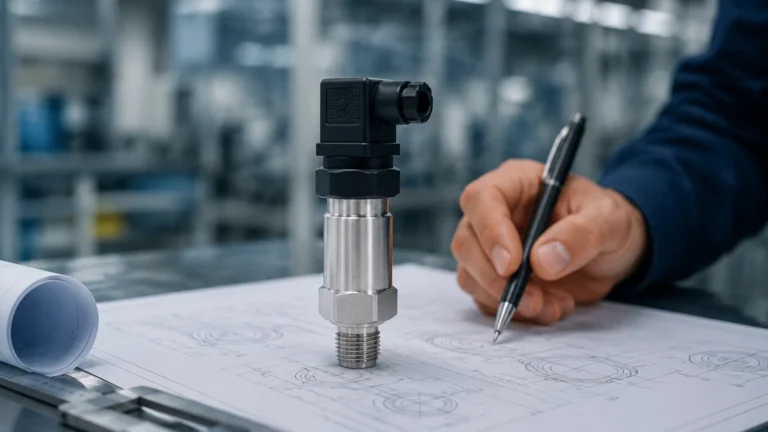
Hydrostatic transmitters measure the pressure exerted by a liquid column due to gravity. The principle is based on the formula: *P = ρgh*, where P is pressure, ρ (rho) is the density of the liquid, g is gravity, and h is the height of the liquid.
In groundwater monitoring wells, submersible hydrostatic sensors are often preferred. These devices are lowered into the well and measure the weight of the water above the sensor. Because they are in direct contact with the media, they provide highly reliable readings for static and dynamic water levels, which are critical data points for platforms like Sampleserve during the purging and sampling process.
2. Ultrasonic Level Measurement
Ultrasonic sensors are non-contact devices that emit high-frequency sound pulses. These pulses reflect off the surface of the liquid and return to the sensor. The instrument calculates the distance based on the time-of-flight: *Distance = (Speed of Sound × Time) / 2*.
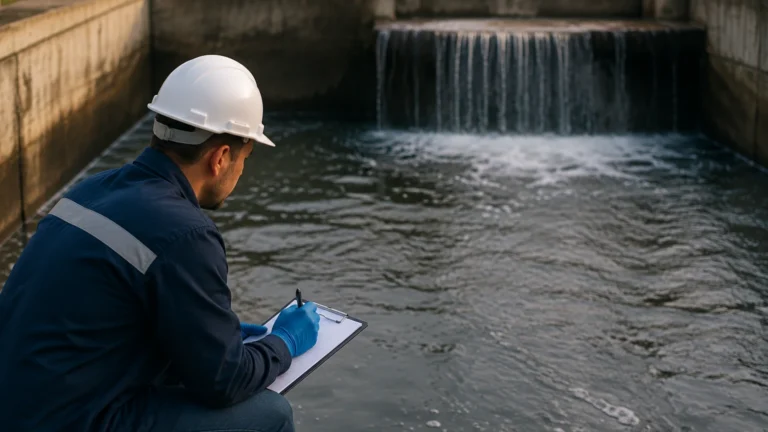
Ultrasonic technology is ideal for open-channel flow and large storage tanks. However, it is sensitive to air temperature fluctuations and surface turbulence, which can affect the speed and reflection of the sound wave. In environmental contexts, they are frequently used for monitoring surface water levels in reservoirs or treatment basins.
3. Radar Level Measurement (FMCW and Pulse)
Radar level meters use electromagnetic waves (typically in the GHz range) to measure levels. Unlike ultrasonic waves, radar signals are not affected by air temperature, pressure, or vacuum conditions. Frequency Modulated Continuous Wave (FMCW) radar is particularly effective in complex environments because it provides higher resolution and accuracy by measuring the frequency shift of the reflected signal.
For high-stakes environmental monitoring where precision is non-negotiable, radar offers a robust solution that minimizes maintenance needs, as there are no moving parts and the sensor does not contact the media.
The Role of Sampleserve in Environmental Data Management
Sampleserve functions as a comprehensive digital platform designed to streamline the environmental sampling workflow. It addresses the historical pain points of manual data entry, paper-based chain of custody (COC) forms, and fragmented reporting.
When integrated into a project, the platform facilitates the following:
- Digital Chain of Custody: Eliminating manual errors by using digital signatures and GPS-stamped data collection.
- Field App Integration: Allowing technicians to input real-time level data directly from their instruments into a mobile interface.
- Automated Reporting: Converting raw field data and laboratory results into actionable maps, graphs, and compliance reports.
By ensuring that the initial level measurements—collected by Welk’s industrial-grade sensors—are accurate, the subsequent data lifecycle within a platform like Sampleserve remains high-integrity. For a broader look at the hardware options available for these applications, users can Review product options and application support to find the right fit for their specific monitoring site.
Selection Criteria for Level Instruments
Choosing the right sensor for an environmental or industrial project requires a balance of technical requirements and site-specific constraints. The following table provides a comparison of the primary technologies used in conjunction with sampling workflows.
| Technology | Accuracy | Contact Type | Best Use Case | Limitations |
| :— | :— | :— | :— | :— |
| Hydrostatic | ±0.1% to 0.5% | Contact (Submersible) | Groundwater wells, deep tanks | Sensitive to density changes |
| Ultrasonic | ±0.25% | Non-contact | Open channels, wastewater | Affected by foam and vapor |
| Radar (FMCW) | ±1mm to 3mm | Non-contact | Chemical storage, volatile media | Higher initial cost |
| Magnetic Gauge | ±5mm | Contact | Visual bypass indication | Requires physical mounting on tank side |
Key Evaluation Factors
1. Media Characteristics: Is the liquid corrosive, viscous, or prone to foaming? Non-contact radar is often the best choice for aggressive chemicals.
2. Installation Environment: For narrow monitoring wells (e.g., 2-inch or 4-inch diameters), slim-profile hydrostatic transmitters are the industry standard.
3. Output Requirements: To integrate with digital platforms, sensors should ideally offer 4-20mA HART, Modbus RS485, or Bluetooth connectivity for direct communication with field tablets.
Installation and Calibration Considerations
Proper installation is the foundation of data accuracy. Even the most advanced sensor will provide poor data if the installation environment is not optimized.
- Stilling Wells: In applications with high turbulence or surface agitation, installing the sensor within a stilling well (a vertical pipe) can stabilize the liquid surface and provide a more consistent reading for ultrasonic and radar sensors.
- Venting: For hydrostatic submersible sensors, the cable must include a vent tube to compensate for changes in atmospheric pressure. If the vent tube is blocked or saturated with moisture, the level reading will drift.
- Dead Zones: Every non-contact sensor has a "dead zone" or "blocking distance" near the face of the transducer. Ensure the sensor is mounted high enough that the maximum liquid level never enters this zone.
- Zero-Point Calibration: Before beginning a sampling event, verify the zero-point of the instrument against a manual tape measurement. This ensures that the data being fed into the digital reporting system is calibrated to the actual site conditions.

Common Risks and Limitations
While digital integration significantly reduces human error, technical limitations must be managed:
1. Signal Interference: In industrial tanks, internal structures like ladders or agitators can create "false echoes" for radar and ultrasonic sensors. Modern instruments use software algorithms to "map out" these obstructions, but proper positioning is still the first line of defense.
2. Power Supply Stability: Many remote environmental sites rely on solar or battery power. It is essential to choose low-power sensors that can wake up, take a measurement, and return to sleep mode to conserve energy without sacrificing data frequency.
3. Data Silos: A common risk is collecting high-quality level data that remains trapped in a local data logger. Utilizing instruments with open communication protocols ensures that data flows seamlessly into the Sampleserve ecosystem for analysis.
Frequently Asked Questions (FAQ)
Q: Can I use a hydrostatic sensor in a tank with varying liquid densities?
A: Hydrostatic pressure is dependent on density. If the density of the liquid changes (e.g., due to temperature or mixing of different fluids), the sensor will require recalibration or a compensation algorithm to maintain accuracy.
Q: How does temperature affect ultrasonic level sensors?
A: The speed of sound changes with air temperature (approximately 0.17% per degree Celsius). Most high-quality ultrasonic sensors include an integrated temperature probe to automatically compensate for these changes, but extreme gradients can still cause errors.
Q: Why is radar becoming more popular for environmental monitoring?
A: Radar technology has become significantly more affordable and energy-efficient. Its ability to ignore environmental factors like wind, rain, and temperature makes it more reliable than ultrasonic technology in outdoor applications.
Q: How do I connect my level meter to a digital sampling app?
A: Most modern sensors use Bluetooth or a field-ready converter (like a Modbus-to-Bluetooth bridge) to send data directly to a smartphone or tablet running the sampling software.
Conclusion and Next Steps
For B2B stakeholders, the integration of reliable hardware and digital management tools is no longer a luxury but a requirement for modern environmental stewardship. By selecting the correct level measurement technology—whether it be hydrostatic, ultrasonic, or radar—and ensuring its proper installation, organizations can provide the high-fidelity data that platforms like Sampleserve require to generate accurate reports and maintain compliance.
Before proceeding with a project, engineers should confirm the chemical compatibility of sensor materials, the required communication protocols for their data loggers, and the specific reporting requirements of their regulatory body. For detailed technical specifications and to explore the full range of instrumentation, professionals are encouraged to visit the Main Page for further engineering support and product selection guidance.