Raman Systems
Raman Systems
In the landscape of industrial process automation, Raman systems represent a sophisticated category of analytical instrumentation used for real-time molecular identification and quantification. While physical measurement devices like level meters determine the volume and position of a medium within a vessel, Raman systems provide the qualitative data necessary to understand the chemical composition of that medium. For engineers working in chemical processing, pharmaceuticals, and oil and gas, integrating Raman systems with robust level measurement technologies is essential for comprehensive process control.
Understanding the Principles of Raman Spectroscopy
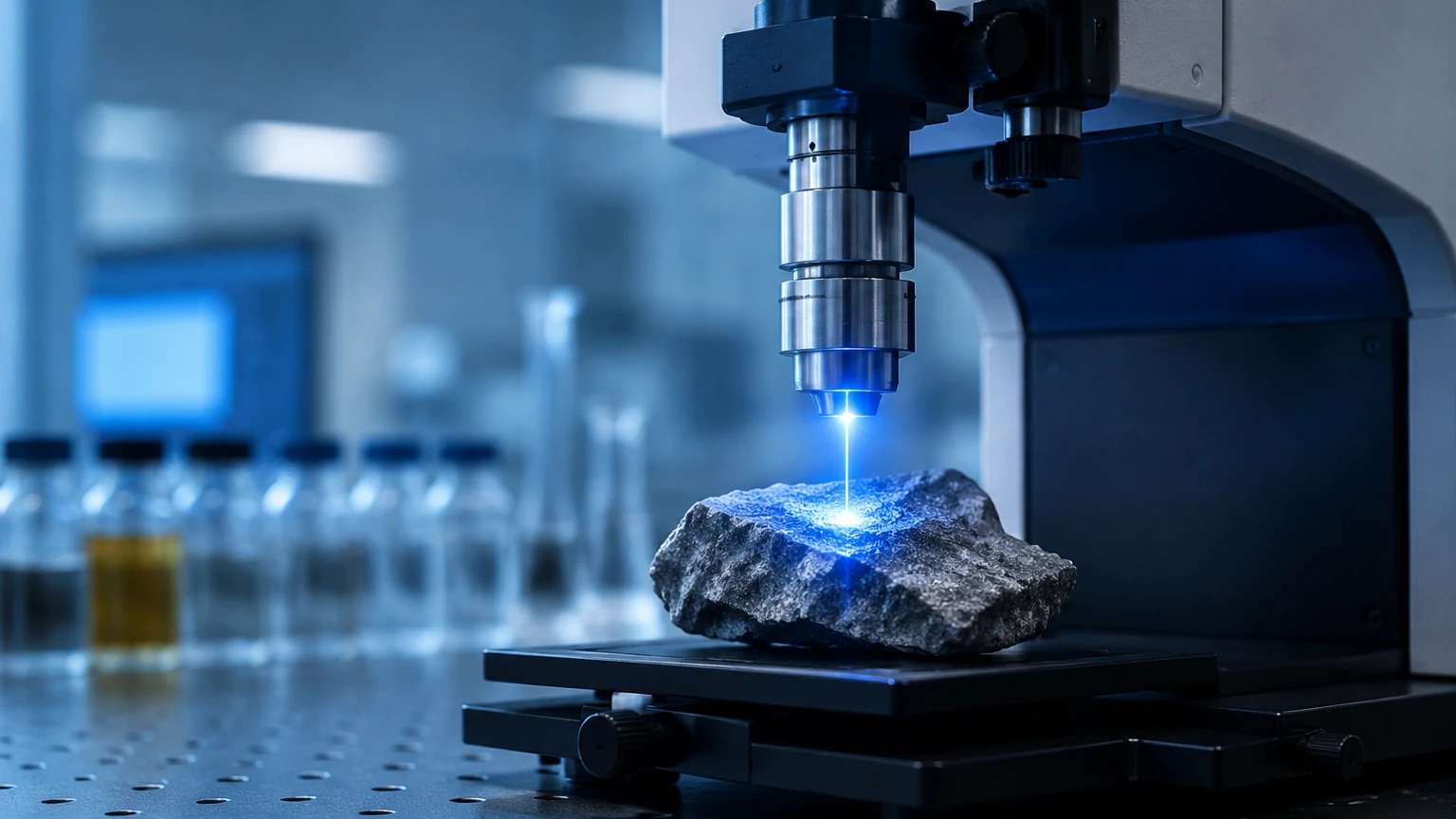
Raman systems operate based on the Raman effect, a phenomenon of inelastic light scattering first discovered by C.V. Raman in 1928. When a high-intensity monochromatic light source, typically a laser, interacts with the molecular bonds of a sample, the majority of the photons are scattered elastically (Rayleigh scattering), meaning they retain the same energy and wavelength as the incident light.
However, a tiny fraction of these photons—approximately one in every ten million—interacts with the vibrational or rotational states of the molecules. This interaction causes the photons to lose or gain energy, resulting in a shift in wavelength. This shift is known as the Raman shift. Because every chemical bond has a unique vibrational frequency, the resulting spectrum acts as a "molecular fingerprint."
In a B2B industrial context, a Raman system generally consists of three primary modules:
1. The Laser Source: Usually operating in the near-infrared (785 nm or 1064 nm) or visible spectrum (532 nm) to provide the excitation energy.
2. The Optical Interface: This includes fiber-optic probes or sampling cells that bring the laser light to the process medium (liquids, solids, or gases).
3. The Spectrometer: A device that captures the scattered light, disperses it into its constituent wavelengths using a grating, and records the intensity at each wavelength using a detector, such as a Charge-Coupled Device (CCD).
The Synergy Between Raman Systems and Level Measurement
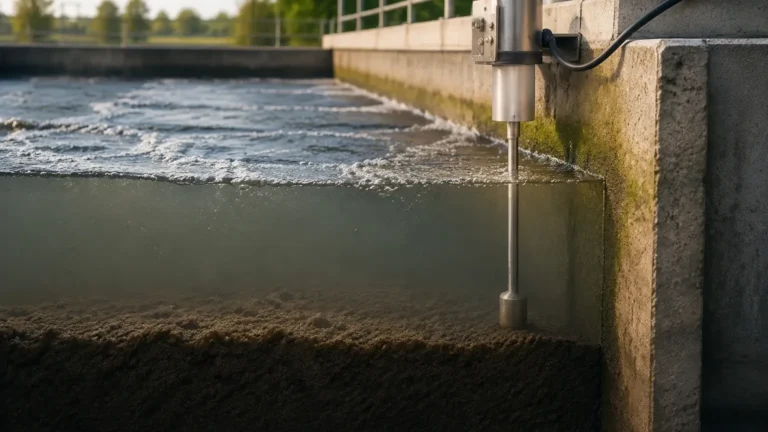
For a process engineer, knowing the chemical concentration via Raman systems is often insufficient without also knowing the total volume of the material. This is where the integration of analytical chemistry and physical level measurement becomes critical. For instance, in a batch reactor, a Raman probe monitors the conversion of reactants into products, while a high-precision radar level meter or ultrasonic sensor ensures the vessel does not overfill and maintains the correct head-space for pressure management.
When designing a process monitoring station, it is common to see Raman probes installed alongside level instrumentation. Manufacturers like Welk provide the foundational level measurement solutions—such as radar level meters and hydrostatic transmitters—that allow the data from Raman systems to be converted into mass-balance calculations. To explore the full range of level measurement technologies that complement analytical systems, professionals often consult the Main Page for technical specifications on radar and ultrasonic sensors.
Key Components of Industrial Raman Systems
Industrial-grade Raman systems differ significantly from laboratory models. They must be ruggedized to withstand vibration, temperature fluctuations, and electromagnetic interference.
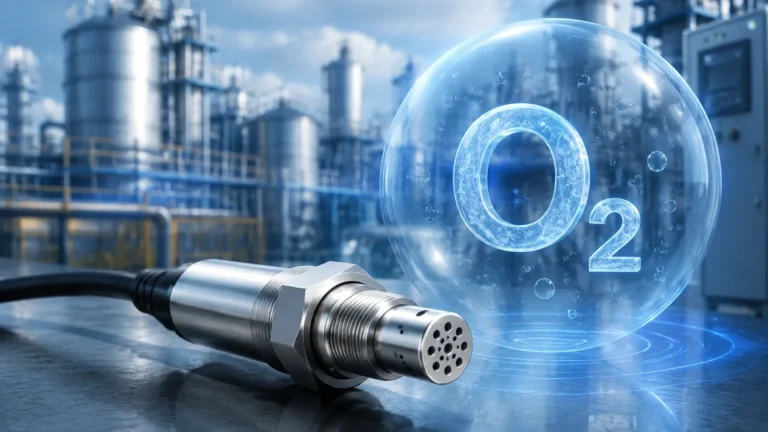
* Fiber-Optic Probes: These allow the spectrometer to be located in a safe control room while the probe is inserted directly into the process stream. Probes are often constructed from stainless steel or Hastelloy with sapphire windows to resist corrosion.
* Sampling Conditioning: In some applications, the medium must be filtered or cooled before it reaches the Raman interface to prevent signal degradation.
* Chemometric Software: Raw Raman spectra are complex. Industrial systems utilize multivariate analysis and chemometric models to translate spectral peaks into actionable data, such as "Percent Concentration of Ethanol" or "Polymerization Index."
Selection Criteria for Raman and Level Instrumentation
Choosing the right combination of analytical and physical sensors requires a detailed analysis of the process environment. The following table outlines the primary considerations for selecting Raman systems in conjunction with level measurement devices.
| Feature | Raman Analytical Systems | Level Measurement (Radar/Ultrasonic) |
| :— | :— | :— |
| Primary Goal | Chemical composition and concentration. | Distance, volume, and interface level. |
| Medium State | Best for liquids, powders, and gases. | Best for liquids, slurries, and bulk solids. |
| Measurement Range | Molecular level (ppm to 100%). | 0.1 meters to 70+ meters. |
| Installation | Immersion probes or flow cells. | Top-mounted (non-contact) or side-mounted. |
| Maintenance | Window cleaning and laser calibration. | Sensor face cleaning and signal tuning. |
| Pressure Limits | Up to 300 bar (depending on probe). | Up to 400 bar (for high-pressure radar). |
| Temperature Limits | Up to 450°C (with specialized cooling). | Up to 600°C (for specialized radar). |
Installation and Engineering Considerations
Integrating Raman systems into an existing industrial setup requires careful engineering to ensure both the analytical probe and the level meter function without interference.
1. Probe Placement and Orientation
For Raman systems, the probe must be constantly submerged in a representative sample of the fluid. In tanks where the level fluctuates, the Raman probe is often placed near the bottom or in a bypass loop. Conversely, level meters like radar are mounted at the top of the vessel. It is vital to ensure that the Raman probe’s mounting hardware does not create an obstruction in the radar's "signal beam path," which could lead to false echoes.
2. Material Compatibility
The wetted parts of both the Raman probe and the level transmitter (such as the diaphragm of a hydrostatic level transmitter or the antenna of a radar meter) must be compatible with the process media. In the chemical industry, this often necessitates the use of PTFE, PEEK, or specialized alloys.
3. Hazardous Area Certification
Since Raman systems involve high-power lasers and level meters involve electrical signals, both must adhere to ATEX, IECEx, or North American Class/Division standards if installed in explosive atmospheres. Raman probes are generally considered "op is" (inherently safe optical radiation) if the laser power is managed correctly.
Limitations of Raman Systems
While powerful, Raman systems are not universal solutions. Engineers must be aware of several technical limitations:
* Fluorescence: Some chemicals fluoresce when hit by laser light. This fluorescence can be orders of magnitude stronger than the Raman signal, effectively "swamping" the detector. Choosing a 1064 nm laser can mitigate this, though it reduces signal strength.
* Dark Samples: Highly absorbent or very dark materials may absorb the laser energy, leading to localized heating or a lack of scattered light.
* Sensitivity: Raman is generally not suitable for trace analysis (parts per billion). It is most effective for components present at concentrations above 0.1% to 1%.
In contrast, level measurement technologies like radar are largely unaffected by the chemical composition or fluorescence of the material, making them a reliable constant even when the analytical data is difficult to obtain.
Maintenance Guidance
To ensure the longevity of Raman systems and associated level meters, a proactive maintenance schedule is required:
1. Window Inspection: For Raman probes, the sapphire window must remain clear of scale and bio-fouling. Similarly, the horn or lens of a radar level meter should be checked for condensation or buildup.
2. Laser Health: Lasers have a finite lifespan. Monitoring the laser current and output power is essential for data consistency.
3. Reference Calibration: Raman systems should be periodically calibrated against a known standard (like sulfur or cyclohexane). Level meters should be verified using manual gauging or "dip tapes" to ensure the zero-point hasn't drifted.
Frequently Asked Questions (FAQs)
Q: Can Raman systems replace level meters?
A: No. Raman systems identify chemical species and concentrations. They cannot measure the physical distance to the surface of a liquid or solid, which is the primary function of a level meter.
Q: How do Raman systems handle turbulent surfaces?
A: Raman immersion probes are unaffected by surface turbulence because they measure the bulk of the liquid. However, surface turbulence can interfere with ultrasonic level meters, in which case a radar level meter or a hydrostatic transmitter would be a better choice for level tracking.
Q: Is it possible to use one Raman system for multiple tanks?
A: Yes, through the use of an optical multiplexer. A single spectrometer can be connected to multiple fiber-optic probes located in different tanks. However, each tank would still require its own dedicated level meter for continuous monitoring.
Q: What is the typical response time?
A: Raman systems typically provide a reading every 10 seconds to 2 minutes, depending on the required signal-to-noise ratio. Industrial level meters provide near-instantaneous (millisecond) updates.
By understanding the specific measurement principles of Raman systems and pairing them with reliable industrial level measurement tools, B2B organizations can achieve a higher standard of safety, efficiency, and quality control in their process operations.