Anti Seize for Oxygen Sensor
Anti Seize for Oxygen Sensor
In the demanding environment of industrial process control, the reliability of sensing equipment is paramount. Whether monitoring combustion efficiency via flue gas analysis or tracking fluid volumes in high-temperature chemical reactors, the physical installation of sensors often presents a significant engineering challenge. One of the most critical yet frequently overlooked components of sensor maintenance is the application of thread lubricants, specifically the use of anti seize for oxygen sensor installations and other threaded process instruments.
Proper lubrication ensures that sensors can be removed for calibration or replacement without damaging the mounting threads or the sensor body itself. This article explores the technical principles of anti-seize compounds, their application in high-heat sensing environments, and how they relate to the broader field of industrial level measurement.
The Engineering Necessity of Thread Lubrication in Process Sensing
Industrial sensors, including oxygen sensors and level transmitters, are often installed in environments characterized by extreme temperatures, corrosive atmospheres, and high pressures. In these conditions, metal-to-metal contact between the sensor threads and the mounting boss can lead to several failure modes that make removal nearly impossible.
Principles of Sensor Seizure: Galling and Thermal Oxidation
The primary reason for using anti seize for oxygen sensor threads is to prevent galling. Galling is a form of wear caused by adhesion between sliding surfaces. When two metal surfaces are pressed together under high torque, the protective oxide layers can be stripped away, causing the metal ions to bond. This effectively "welds" the sensor to the port.
Furthermore, thermal oxidation occurs when sensors are exposed to temperatures exceeding 300°C (572°F). At these levels, the metal expands at different rates, and the surrounding atmosphere can accelerate the formation of rust or scale within the thread gaps. For oxygen sensors located in exhaust manifolds or industrial furnaces, temperatures can reach 900°C (1652°F), making the use of a specialized anti-seize compound mandatory. Similarly, industrial level meters used in steam-jacketed tanks or bitumen storage must contend with significant thermal cycling that can seize standard threaded connections.
Understanding Anti-Seize Measurement and Composition
Anti-seize is not a standard lubricant or grease. It is a specialized compound consisting of solid lubricating particles (such as copper, nickel, graphite, or ceramic) suspended in a synthetic or petroleum-based carrier. The carrier's role is to facilitate application, while the solid particles remain in place even after the carrier has burned off at high temperatures.
Measurement Principles of Lubricant Efficacy
The effectiveness of an anti-seize compound is measured by its "K-Factor" or torque coefficient. This value determines how much friction is reduced during the tightening process. When applying anti seize for oxygen sensor threads, engineers must account for the fact that the lubricant reduces friction, which means the same amount of torque will result in higher clamping force. Over-tightening can lead to sensor housing deformation or thread stripping.
Selecting the Right Anti Seize for Oxygen Sensor and Level Transmitters
Not all anti-seize compounds are created equal. The selection depends heavily on the metallurgy of the sensor and the chemical nature of the process. For those seeking comprehensive instrumentation solutions, including those detailed on the Main Page of Welk’s technical catalog, matching the lubricant to the sensor type is a critical step in system design.
Common Anti-Seize Types
1. Copper-Based Compounds: Often used for general automotive and industrial applications. They provide excellent electrical conductivity, which is vital for oxygen sensors that use the exhaust pipe as a ground. However, they should not be used on stainless steel in the presence of certain chemicals to avoid galvanic corrosion.
2. Nickel-Based Compounds: These are the gold standard for high-temperature applications, capable of withstanding up to 1,315°C (2,400°F). They are highly resistant to acids and ammonia, making them suitable for chemical processing level sensors.
3. Graphite/Ceramic Compounds: These are often used when metal-filled lubricants might interfere with the sensor's electronics or when working with sensitive alloys like titanium.
Technical Selection Table
| Feature | Copper-Based | Nickel-Based | Ceramic/Metal-Free |
| :— | :— | :— | :— |
| Max Temperature | 980°C (1,800°F) | 1,315°C (2,400°F) | 1,500°C+ (2,732°F+) |
| Best For | General steel threads | Stainless steel, High-heat | Sensitive electronics, Plastic |
| Conductivity | High | Moderate | Low/None |
| Corrosion Resistance | Good | Excellent | Superior in chemical zones |
Comparison: Anti-Seize for Oxygen Sensors vs. Industrial Level Meters
While the term "anti seize for oxygen sensor" is frequently associated with the automotive industry, the principles apply directly to industrial level measurement. Welk, a professional manufacturer of industrial level measurement instruments, provides a range of sensors including radar, ultrasonic, and hydrostatic transmitters that often utilize NPT or G-threaded connections.
Radar and Ultrasonic Level Sensors
In applications involving corrosive chemicals or high-pressure steam, radar level meters are often mounted on top of tanks via threaded nozzles. If these threads seize, the maintenance cost of removing the entire nozzle assembly can be astronomical. Unlike oxygen sensors, which require electrical grounding through the threads, radar and ultrasonic sensors are typically grounded via their wiring. This allows for the use of non-conductive, chemically inert ceramic anti-seize compounds that provide superior protection against caustic vapors.
Hydrostatic and Magnetic Level Gauges
Hydrostatic sensors are often submerged or mounted at the base of a tank. Here, the anti-seize must not only prevent galling but also act as a secondary barrier against moisture ingress into the thread interface. For these applications, a water-resistant nickel-based compound is often recommended.
Installation Best Practices for Threaded Industrial Sensors
To ensure the longevity of both the sensor and the mounting port, follow these standardized installation steps:
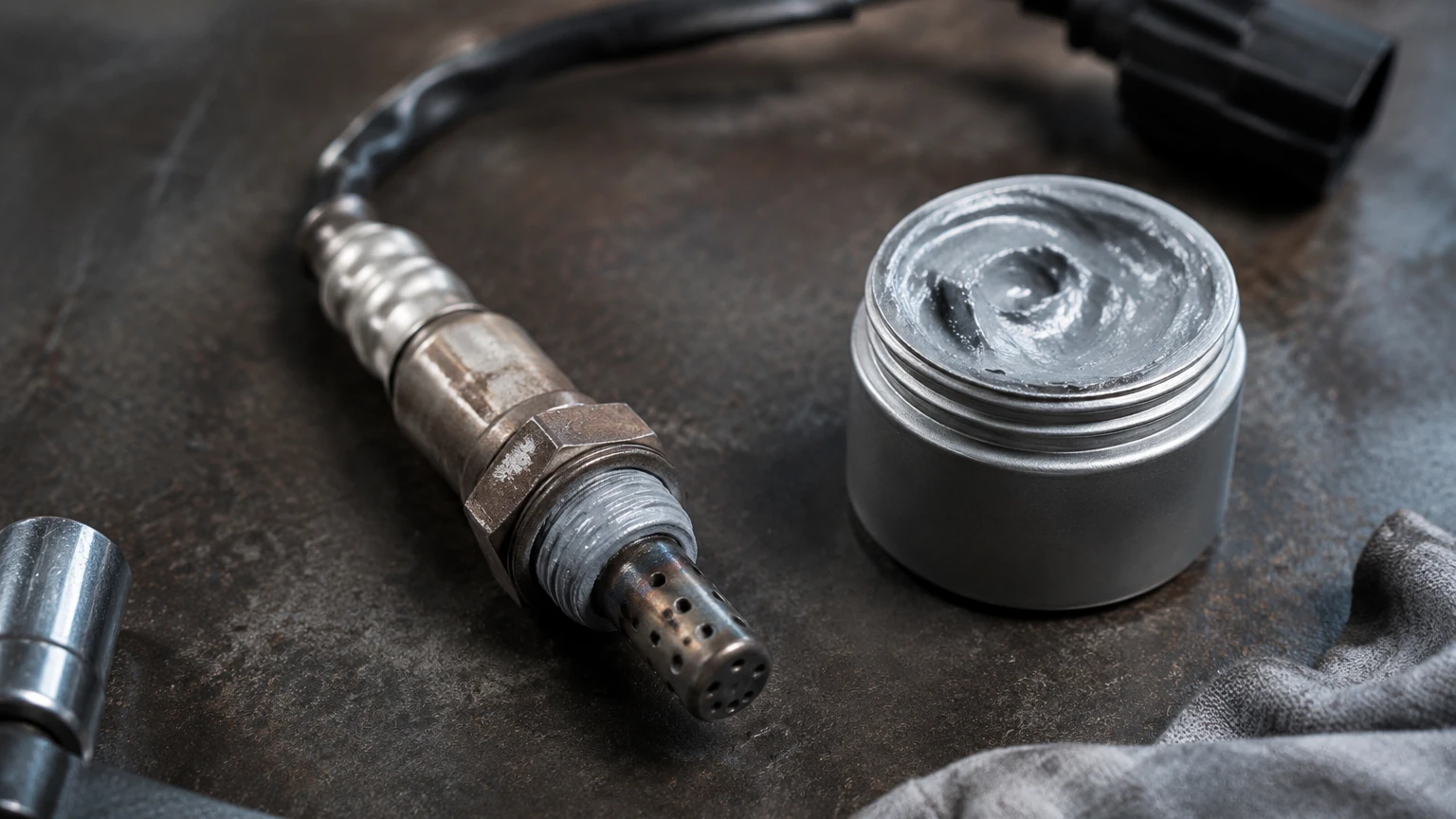
1. Clean the Threads: Use a wire brush or specialized thread cleaner to remove old lubricant, rust, or debris from both the sensor and the mounting hole.
2. Inspect for Damage: Check for cross-threading or flattened peaks. If the threads are damaged, the anti seize for oxygen sensor will not prevent eventual failure.
3. Apply Sparingly: Apply the compound only to the middle of the threaded area. Avoid getting any lubricant on the sensor tip or the sensing element (especially important for oxygen sensors and ultrasonic transducers), as this can lead to sensor fouling and incorrect readings.
4. Torque to Specification: Refer to the manufacturer's manual. Remember that lubricated threads require approximately 20% to 25% less torque than dry threads to achieve the same clamping force.
5. Verify Grounding: If the sensor relies on the thread contact for an electrical ground (common in older O2 sensors), ensure the anti-seize used is conductive.
Potential Risks and Limitations of Anti-Seize Compounds
While anti-seize is beneficial, improper use can lead to significant issues:
* Sensor Contamination: For oxygen sensors, certain silicon-based lubricants can "poison" the zirconia element, leading to sluggish response times or total failure. Always use "sensor-safe" compounds.
* Galvanic Corrosion: Using a copper-based anti-seize on aluminum or stainless steel in a salt-water environment can actually accelerate corrosion through galvanic action.
* Environmental Constraints: In food and beverage or pharmaceutical level measurement, only NSF-certified food-grade lubricants should be used to prevent process contamination.
For engineers designing systems that require high-precision level measurement, consulting the technical specifications on the Main Page of the Welk product site can provide clarity on the specific mounting requirements and material compatibilities of various radar and ultrasonic models.
Frequently Asked Questions (FAQs)
Q: Can I use standard grease instead of anti seize for oxygen sensor threads?
A: No. Standard grease will liquefy and burn off at high temperatures, leaving behind carbon deposits that can actually make the sensor harder to remove. Anti-seize contains solid particles that remain functional after the base oil has evaporated.
Q: How do I know if my oxygen sensor already has anti-seize?
A: Most high-quality replacement sensors come with a small amount of copper or gray anti-seize pre-applied to the threads from the factory. If it is present, do not add more.
Q: Does anti-seize affect the accuracy of level meters?
A: If applied correctly to the threads only, it has no effect. However, if the compound migrates to the face of an ultrasonic transducer or the antenna of a radar meter, it can attenuate the signal or cause false echoes.
Q: Is nickel anti-seize better than copper?
A: Nickel is generally superior for stainless steel and higher temperatures, but it is more expensive and can be a skin irritant. Copper is sufficient for most standard steel applications up to 980°C (1,800°F).
Q: What units are used for torque specifications in sensor installation?
A: Most industrial manuals provide torque in Newton-meters (Nm), though imperial units like Pound-feet (lb-ft) or Pound-inches (lb-in) are also common. For example, a standard 18mm oxygen sensor typically requires 40-50 Nm (29-37 lb-ft) of torque.
By following these technical guidelines and selecting the appropriate compound, maintenance teams can ensure that their industrial sensors—from oxygen probes to advanced level measurement instruments—remain serviceable throughout their operational lifespan.