Lab Ph Sensor
Lab Ph Sensor
In the landscape of industrial automation and laboratory research, the lab ph sensor serves as a fundamental tool for determining the acidity or alkalinity of liquid solutions. While industrial level measurement instruments—such as those detailed on the Main Page of professional manufacturers like Welk—monitor the physical volume and presence of fluids, the pH sensor provides critical data regarding the chemical state of those same fluids. This guide examines the technical principles, selection criteria, and operational best practices for laboratory-grade pH sensors, ensuring engineers and researchers can maintain high standards of accuracy in their analytical workflows.
Understanding the Measurement Principles of Lab pH Sensors
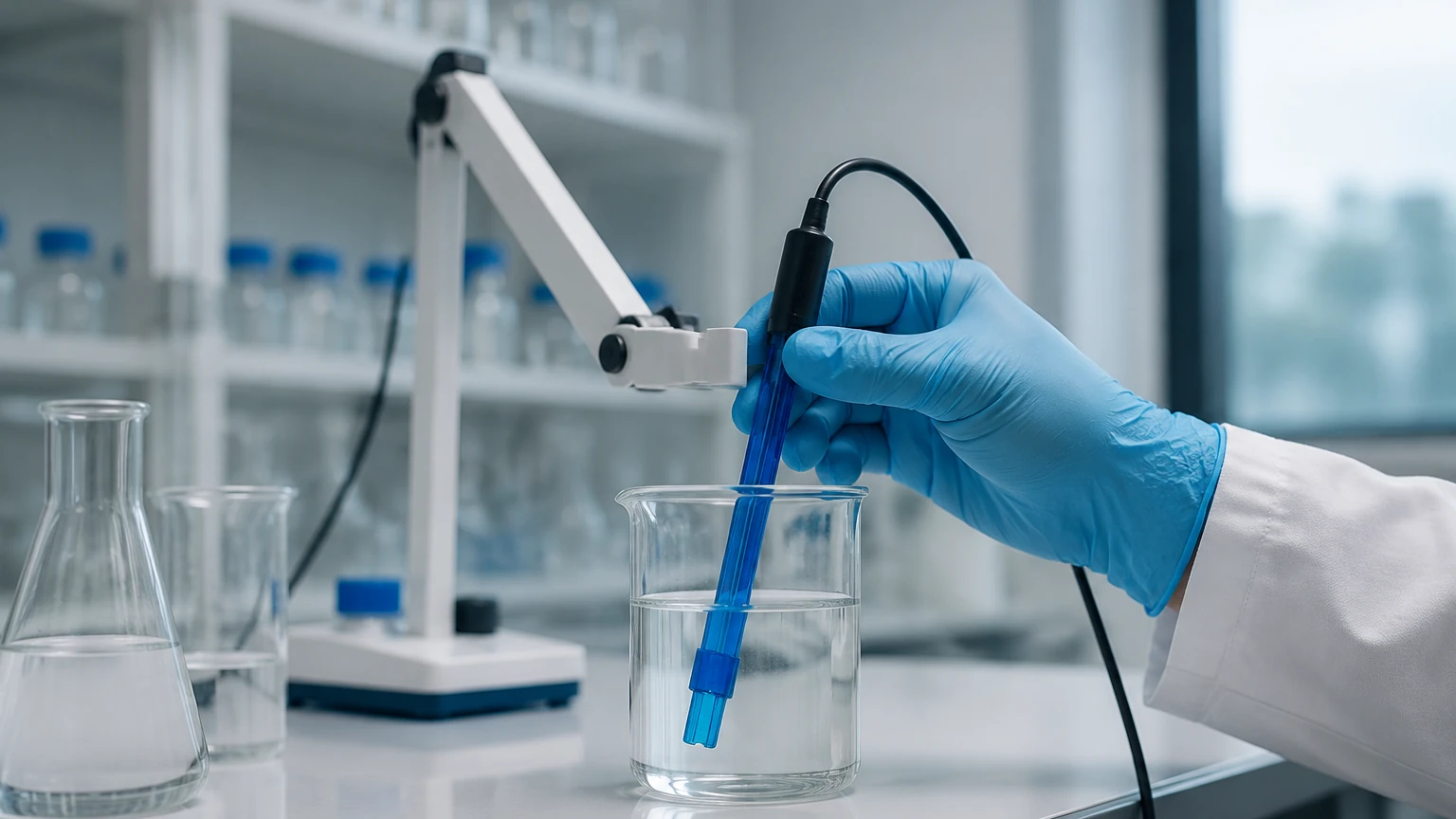
A lab ph sensor operates on the principle of potentiometry, measuring the electrical potential difference between two electrodes immersed in a solution. Most modern laboratory sensors are "combination electrodes," which house both the sensing electrode and the reference electrode within a single body.
The Glass Electrode
The sensing component is typically a thin glass bulb made from specialized H+-sensitive glass. When this bulb is submerged in a liquid, a hydrated gel layer forms on both the inside and outside surfaces. Hydrogen ions in the sample exchange with ions in the gel layer. This ion exchange creates a millivolt (mV) potential that varies linearly with the hydrogen ion concentration (pH) of the sample.
The Reference Electrode
To measure the potential of the glass electrode, a stable reference point is required. The reference electrode provides a constant potential, regardless of the pH of the sample. It usually consists of a silver/silver chloride (Ag/AgCl) wire immersed in a concentrated potassium chloride (KCl) electrolyte. This electrolyte slowly leaks into the sample through a porous junction, completing the electrical circuit.
The Nernst Equation
The relationship between the measured voltage and pH is defined by the Nernst Equation:
$$E = E_0 – (2.303 RT / nF) \times pH$$
Where:
* E: Measured potential (mV)
* E0: Standard potential of the electrode
* R: Gas constant
* T: Absolute temperature in Kelvin
* n: Ionic charge
* F: Faraday constant
At a standard temperature of 25°C (298.15 K), the theoretical slope of a lab ph sensor is approximately -59.16 mV per pH unit. This means that for every one-unit change in pH, the sensor's output changes by roughly 60 mV.
Key Evaluation Criteria for Selecting a Lab pH Sensor
Selecting the correct lab ph sensor requires an understanding of the specific environment in which it will operate. Unlike industrial level meters that are selected based on tank height or pressure, pH sensors are chosen based on the chemical compatibility and physical properties of the sample.
1. Junction Type
The junction is the point where the internal electrolyte meets the sample.
* Ceramic Frits: Standard for aqueous solutions but prone to clogging in samples containing proteins or precipitates.
* Porous Teflon: Offers higher resistance to fouling and is suitable for industrial laboratory samples.
* Open Junctions: Best for viscous samples, oils, or low-ion media, as they utilize a solid polymer electrolyte that directly contacts the sample.
2. Temperature Compensation
Because the Nernstian slope is temperature-dependent, accurate measurements require Automatic Temperature Compensation (ATC). High-quality lab ph sensors often include an integrated temperature probe (NTC 30kΩ or Pt100/Pt1000) to adjust the pH reading in real-time based on the sample's temperature.
3. Glass Membrane Shape
* Spherical/Bulb: The most common shape, providing a large surface area for fast response in general aqueous liquids.
* Spear-Tip: Designed for semi-solids like soil, meat, or cheese.
* Flat-Surface: Ideal for measuring pH on flat surfaces like paper, skin, or agar plates.
4. Electrolyte System
Most sensors are "refillable," allowing the user to top up the KCl solution. This extends the sensor's life and maintains a high flow rate through the junction. "Gel-filled" or "sealed" sensors are maintenance-free but have a finite lifespan and slower response times in extreme pH ranges.
Practical Selection Table for Laboratory Applications
When integrating chemical analysis with physical monitoring systems, such as those found in water treatment or chemical processing, refer to the following table to match the sensor type to the application.
| Application Type | Recommended Sensor Feature | Rationale |
| :— | :— | :— |
| General Aqueous Solutions | Spherical glass, Ceramic junction | High sensitivity and cost-effective. |
| Viscous Samples (Oils/Paints) | Open junction, Solid electrolyte | Prevents junction clogging and facilitates cleaning. |
| Low Ionic Strength (Pure Water) | Refillable, High-flow junction | Ensures stable potential in poorly conductive media. |
| Protein-rich Samples | Specialized junction (e.g., Double junction) | Prevents silver-protein precipitates from blocking the frit. |
| High Temperature (>80°C) | High-temp glass, Pressurized reference | Prevents glass degradation and electrolyte boiling. |
| Micro-volumes (<100 μL) | Micro-electrode (3-5mm diameter) | Fits into narrow vials and NMR tubes. |
Installation and Calibration Best Practices
Proper setup is essential for the longevity of a lab ph sensor. While industrial level transmitters like radar or ultrasonic sensors are often "set and forget," pH sensors are consumable items that require active maintenance.
Calibration Procedures
Calibration should be performed daily or before every critical measurement series.
1. Multi-point Calibration: Use at least two buffer solutions (typically pH 4.01, 7.00, and 10.01).
2. Order of Calibration: Always start with the neutral buffer (pH 7.00) to establish the zero point (isopotential point), then move to the acidic or alkaline buffers to determine the slope.
3. Slope Verification: A healthy lab ph sensor should have a slope between 95% and 105%. If the slope falls below 90%, the electrode may need deep cleaning or replacement.
Proper Storage
Never store a pH electrode in distilled or deionized water, as this will leach ions out of the glass membrane and reference electrolyte, causing slow response and drift.
* Short-term storage: Store in pH 4 buffer or a dedicated electrode storage solution (3M or 4M KCl).
* Long-term storage: Ensure the protective cap is filled with storage solution and sealed tightly to prevent dehydration.
Cleaning Protocols
If the response becomes sluggish, the membrane may be contaminated.
* Proteins: Soak in a pepsin/HCl solution for 15-30 minutes.
* Inorganic Scale: Soak in 0.1M HCl or EDTA.
* Grease/Oils: Rinse with a mild detergent or ethanol (briefly).
Limitations and Common Risks in pH Measurement
Despite their precision, lab ph sensors face several technical limitations that users must account for to avoid erroneous data.
1. Sodium Error (Alkaline Error)
At very high pH levels (typically pH >12) and in the presence of high sodium concentrations, the glass membrane may respond to sodium ions as if they were hydrogen ions. This results in a measured pH value that is lower than the actual value. Using "low-sodium error" glass can mitigate this effect.
2. Acid Error
In extremely acidic solutions (pH <1), the activity of water decreases, and the acid molecules can interact with the gel layer, leading to pH readings that are higher than the actual value.
3. Dehydration
If the glass bulb dries out, the hydrated gel layer disappears. While some sensors can be "reconditioned" by soaking in KCl for 24 hours, prolonged dehydration often leads to permanent damage and loss of sensitivity.
4. Junction Potential Drift
In samples with very different ionic strengths compared to the internal electrolyte (such as ultra-pure water), a large liquid junction potential can develop. This manifests as a drifting reading that never stabilizes. Using a high-flow reference electrode is the standard engineering solution for this issue.
Integrating pH Data with Industrial Level Control
In B2B environments, laboratory analysis often serves as the validation step for large-scale industrial processes. For instance, in a chemical reactor, a radar level meter might monitor the volume of a reagent, while a lab ph sensor is used to verify the batch quality before discharge. For comprehensive solutions in industrial liquid management, including level transmitters and switches, professionals often consult the Main Page of specialized manufacturers to ensure that physical and chemical monitoring systems work in tandem.
Frequently Asked Questions (FAQs)
How long does a typical lab ph sensor last?
In a standard laboratory environment with proper maintenance, a glass pH electrode typically lasts between 6 to 18 months. Factors such as high temperatures, extreme pH values, and abrasive samples will shorten this lifespan.
Can I use a lab ph sensor for continuous in-line industrial monitoring?
Generally, no. Lab sensors are designed for intermittent use and lack the rugged housing, high-pressure ratings, and specialized mounting (like NPT threads or flanges) required for process environments. For continuous monitoring, an industrial-grade pH probe should be used.
Why is my pH reading jumping around and not stabilizing?
This is often caused by a clogged junction or a high-impedance environment. Ensure the junction is clean and the electrolyte level is sufficient. If measuring low-conductivity water, ensure you are using an electrode specifically designed for low-ion samples.
Does the cable length affect the pH reading?
Yes. Because pH electrodes produce a very high-impedance signal, long cable runs are susceptible to electromagnetic interference and signal attenuation. In a laboratory setting, cables are usually kept under 3 meters. If longer distances are required, a pre-amplifier or a digital sensor (which converts the signal to a digital protocol like Modbus or RS485) is necessary.
What is the difference between a single and double junction sensor?
A double junction sensor has an additional internal chamber that prevents the sample from coming into direct contact with the Ag/AgCl reference wire. This is crucial for samples containing sulfides, heavy metals, or proteins, which would otherwise react with the silver ions and clog the junction.