Water Tank Level Sensor Wifi
Water Tank Level Sensor Wifi
In modern industrial and commercial water management, the transition from manual inspections to automated remote monitoring has become a standard for operational efficiency. A water tank level sensor wifi system integrates traditional level measurement technologies—such as ultrasonic, hydrostatic, or radar—with wireless networking capabilities. This allows facility managers and engineers to monitor fluid levels in real-time from any location with internet access, reducing the need for physical site visits and preventing critical failures such as tank overflows or dry-run pump damage.
For B2B applications ranging from cooling towers and firewater storage to chemical processing and municipal water treatment, selecting the right wireless sensing technology requires an understanding of both the measurement physics and the networking infrastructure. This guide explores the technical principles, selection criteria, and practical implementation of Wifi-enabled level sensors.
Principles of Remote Level Measurement
Before evaluating the wireless communication aspect, it is essential to understand the underlying measurement principle. The most common technologies integrated into Wifi-capable systems are ultrasonic and hydrostatic pressure sensors.
Ultrasonic Measurement (Non-Contact)
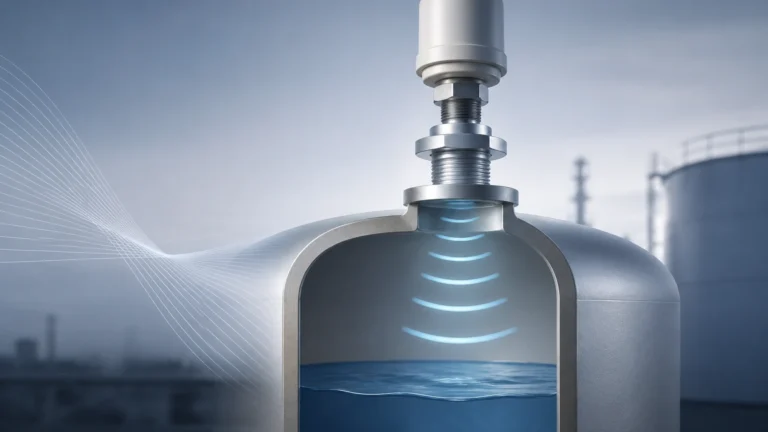
Ultrasonic sensors function on the "time-of-flight" principle. The sensor, mounted at the top of the tank, emits a high-frequency sound pulse toward the liquid surface. This pulse reflects off the surface and returns to the sensor. By measuring the time taken for the echo to return and knowing the speed of sound, the device calculates the distance to the liquid.
* Formula: $Distance = (Speed of Sound \times Time) / 2$
* Application: Best for clean water, wastewater, and various chemicals where the sensor should not touch the medium.
Hydrostatic Measurement (Contact)
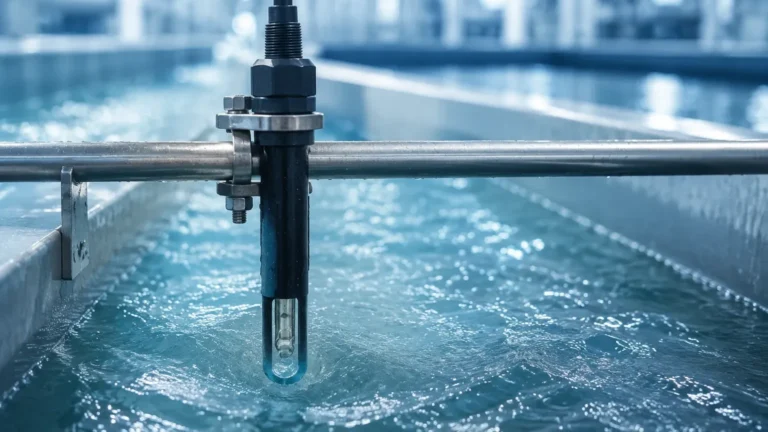
Hydrostatic level transmitters are submersible sensors that measure the pressure exerted by the liquid column above them. Since pressure is directly proportional to the height of the liquid and its specific gravity, the sensor can accurately determine the level regardless of the tank's shape.
* Formula: $Level = Pressure / (Density \times Gravity)$
* Application: Ideal for deep tanks, underground reservoirs, or environments where foam, steam, or turbulence might interfere with ultrasonic signals.
Radar Measurement (Non-Contact)
For more demanding industrial environments, radar level meters use high-frequency electromagnetic waves. Unlike ultrasonic waves, radar signals are unaffected by air temperature fluctuations, vacuum conditions, or high pressure, making them suitable for volatile or high-temperature liquids.
Key Components of a Wifi Level Monitoring System
A professional-grade water tank level sensor wifi setup typically consists of four primary components:
1. The Sensing Element: The hardware (ultrasonic transducer or pressure diaphragm) that detects the physical level.
2. The Transmitter/MCU: A microcontroller unit that converts the raw sensor data (e.g., a 4-20mA or 0-10V signal) into a digital format.
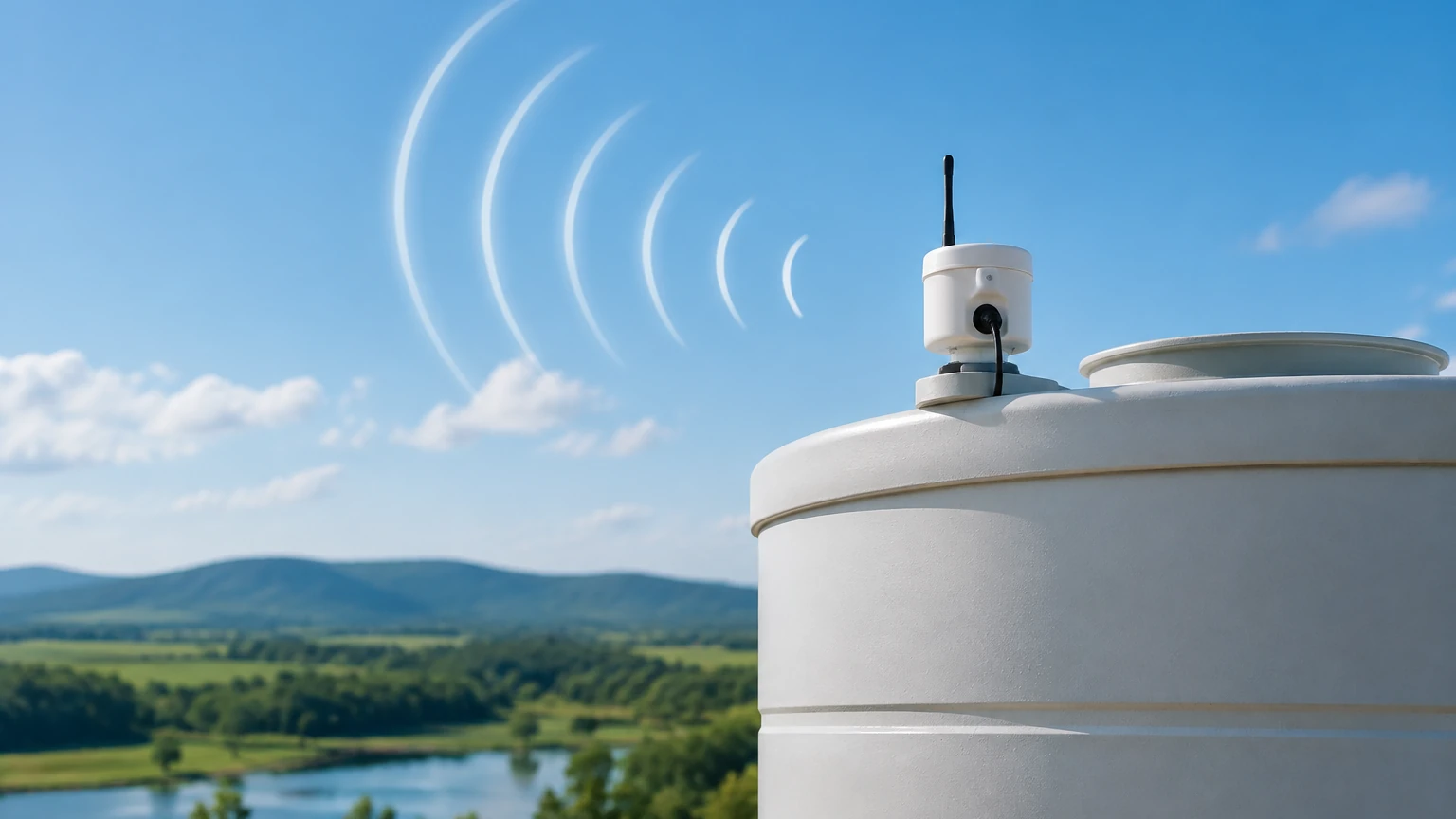
3. The Wifi Module: Usually operating on the 2.4GHz frequency, this module connects to the local wireless network to transmit data to a cloud server or local PLC.
4. Power Supply: Depending on the location, these systems are powered by mains electricity (AC), DC power supplies, or integrated battery/solar configurations for remote outdoor tanks.
Advantages of Wifi-Enabled Monitoring
Integrating Wifi connectivity into level measurement offers several advantages over traditional wired or standalone local displays:
* Real-Time Data Access: Stakeholders can view tank levels via web dashboards or mobile applications, enabling faster decision-making.
* Automated Alerting: Systems can be configured to send SMS, email, or push notifications when levels cross high or low thresholds.
* Historical Data Logging: Continuous data collection allows for trend analysis, helping to identify leaks, evaporation rates, or unusual consumption patterns.
* Reduced Installation Costs: Wireless systems eliminate the need for extensive trenching and cabling, which is often the most expensive part of installing sensors in large industrial complexes.
Selection Criteria for Industrial Applications
When specifying a system for a professional project, engineers should evaluate the following factors to ensure long-term reliability.
| Feature | Requirement / Consideration |
| :— | :— |
| Measurement Range | Ensure the sensor covers the full height of the tank (e.g., 2m to 20m / 6.5ft to 65ft). |
| Accuracy | Industrial standards typically require ±0.25% to ±0.5% of the full scale. |
| Tank Material | Metal tanks can act as Faraday cages, potentially blocking Wifi signals if the transmitter is placed inside. |
| Chemical Compatibility | The sensor housing (e.g., PP, PVDF, or Stainless Steel) must be compatible with the liquid. |
| Network Security | Look for devices supporting WPA2/WPA3 encryption and MQTT/HTTPS protocols for secure data transfer. |
| Ingress Protection | Sensors should be rated at least IP65 (for outdoor use) or IP68 (for submersible applications). |
Installation and Configuration Guidelines
Proper installation is critical to prevent false readings and ensure stable network connectivity.
Sensor Positioning
For ultrasonic and radar sensors, the device must be mounted perpendicular to the liquid surface. It should be positioned away from the tank walls and internal obstructions like ladders or agitators to avoid "false echoes." For hydrostatic sensors, the probe should be lowered to the bottom of the tank but kept slightly above any sediment or sludge layer to prevent clogging of the pressure diaphragm.
Wifi Signal Optimization
Wifi signals have limited range, especially in industrial environments with significant metal interference.
* Signal Strength: A minimum signal strength of -70 dBm is recommended at the installation point.
* Antennas: If the sensor is located inside a metal enclosure or a reinforced concrete structure, an external high-gain antenna should be used, routed to the outside of the structure.
* Gateways: In large facilities, Wifi extenders or industrial IoT gateways may be necessary to bridge the gap between the tank farm and the main office network.
Calibration
Once installed, the system must be calibrated by inputting the "Empty Distance" (the distance from the sensor face to the bottom of the tank) and the "Full Distance" (the maximum desired liquid level). This ensures the percentage and volume readings are accurate.
Technical Challenges and Limitations
While highly effective, water tank level sensor wifi systems have specific limitations that must be managed:
1. Power Consumption: Wifi is a relatively power-hungry protocol compared to LoRaWAN or NB-IoT. For battery-powered units, this often requires the sensor to "sleep" and only wake up at set intervals (e.g., every 15 minutes) to transmit data.
2. Network Dependency: If the local Wifi network goes down, real-time monitoring is lost. Professional systems should include local data buffering to upload missed readings once the connection is restored.
3. Signal Obstruction: Concrete walls, metal tanks, and heavy machinery can significantly degrade Wifi range. Site surveys are essential before permanent installation.
Comparison of Level Sensing Technologies
| Technology | Best For | Pros | Cons |
| :— | :— | :— | :— |
| Ultrasonic | Clean water, acids, bases | Non-contact, low maintenance | Affected by foam and heavy steam |
| Hydrostatic | Deep wells, vented tanks | Simple installation, very accurate | Contact with liquid, prone to sediment |
| Radar | High temp, pressure, foam | Extremely precise, robust | Higher initial cost |
| Float Switch | Simple high/low alarms | Very low cost, reliable | No continuous level data |
Frequently Asked Questions (FAQs)
Q: Can I monitor multiple tanks with one Wifi system?
A: Yes, most industrial IoT platforms allow you to aggregate data from dozens of sensors into a single dashboard. However, each tank typically requires its own sensor and transmitter unit.
Q: How long does the battery last on a wireless level sensor?
A: This depends on the transmission frequency. If the sensor sends data once per hour, a high-capacity lithium battery can last 12-24 months. If it sends data every minute, the battery may only last a few weeks, making solar or mains power a better choice.
Q: Is Wifi suitable for underground tanks?
A: Wifi signals struggle to penetrate soil and heavy concrete. For underground applications, it is usually necessary to mount the Wifi transmitter in an above-ground enclosure connected to the sensor via a cable.
Q: What happens if the tank has a lot of foam on the surface?
A: Foam absorbs ultrasonic waves, leading to inaccurate readings. In these cases, a hydrostatic pressure sensor or a high-frequency radar sensor is recommended, as they are not affected by surface foam.
Conclusion
Implementing a water tank level sensor wifi system is a strategic move for any facility looking to modernize its fluid management. By understanding the physical requirements of the tank environment and the constraints of wireless networking, engineers can deploy a system that provides reliable, actionable data. For a comprehensive range of industrial measurement tools, including radar, ultrasonic, and pressure-based solutions, you can Review product options and application support on our Main Page to find the specific hardware that fits your project requirements. Proper selection and installation ensure that your water management remains efficient, safe, and cost-effective over the long term.