Automatic Line Leak Detector
Automatic Line Leak Detector
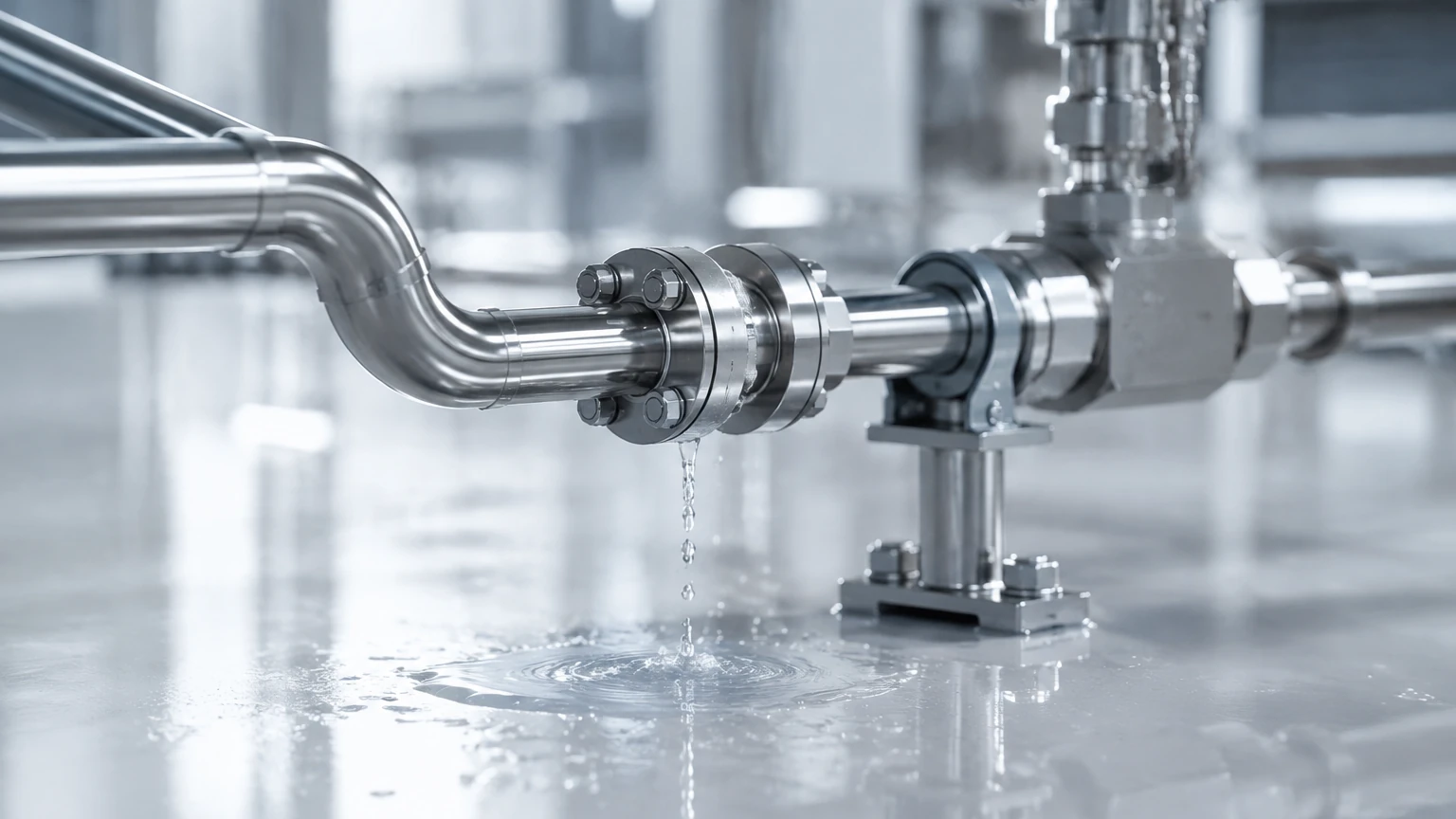
In industrial fluid handling and fuel management systems, the integrity of pressurized piping is a critical safety and environmental concern. An automatic line leak detector (ALLD) serves as a specialized safety device designed to detect leaks in the piping between a pump and a dispenser. These systems are essential for preventing catastrophic environmental contamination, reducing product loss, and ensuring compliance with stringent regulatory standards such as those set by the EPA or local environmental agencies.
For facilities managing hazardous chemicals, petroleum products, or industrial process fluids, integrating an automatic line leak detector into the infrastructure is not merely a recommendation but often a legal requirement. This guide explores the engineering principles, selection criteria, and operational considerations for these vital components within the broader context of level measurement and fluid control systems. For more information on comprehensive fluid management, visit the Main Page of our technical resource center.
Principles of Operation for Line Leak Detection
Automatic line leak detectors operate based on the physical properties of pressurized systems. When a pump (typically a submersible turbine pump) is activated, the ALLD monitors the integrity of the line before allowing full flow to the discharge point. The detection method varies depending on whether the system is mechanical or electronic.
Mechanical Detection Principles
Mechanical ALLDs utilize a spring-loaded piston and a diaphragm mechanism. When the pump starts, a small amount of fluid is bypassed through the detector into the piping system. If the line is intact, pressure builds up against the piston. Once the pressure reaches a specific threshold—usually around 1.03 bar to 1.38 bar (15 to 20 PSI)—the piston moves to the "full flow" position, allowing the dispenser to operate at maximum capacity.
If a leak is present, the pressure fails to build up sufficiently because fluid is escaping the system. In this scenario, the piston remains in a restricted position, limiting the flow rate to a very low level (typically around 11.4 liters per hour or 3 gallons per hour). This "slow flow" serves as a physical indicator to the operator that a leak has been detected.
Electronic Detection Principles
Electronic automatic line leak detectors utilize pressure transducers and microprocessors to monitor the piping system. These systems are often integrated with a centralized tank monitoring system. When the pump is turned off, the electronic detector monitors the pressure decay in the line over a specific period.
Electronic systems are significantly more sensitive than mechanical versions. They can perform various tests:
* Hourly Tests: Monitoring for leaks at a rate of 11.4 L/h (3 GPH).
* Monthly Tests: Detecting smaller leaks at 0.76 L/h (0.2 GPH).
* Annual Tests: High-precision monitoring for leaks as small as 0.38 L/h (0.1 GPH).
If the microprocessor detects a pressure drop that exceeds the programmed limit, it can trigger an audible alarm, log the event, and even electronically disable the pump to prevent further leakage.
Mechanical vs. Electronic Automatic Line Leak Detectors
Choosing between a mechanical and an electronic automatic line leak detector depends on the specific requirements of the application, including the type of fluid, the required sensitivity, and the existing automation infrastructure.
Mechanical ALLDs
* Pros: Lower initial cost, no electrical wiring required at the pump head, simple design with high reliability in standard fuel applications.
* Cons: Limited sensitivity (cannot detect very small leaks), requires manual observation of slow flow, and may be affected by changes in fluid viscosity or extreme temperatures.
Electronic ALLDs
* Pros: High precision, automated logging for regulatory compliance, ability to shut down pumps automatically, and integration with SCADA or building management systems.
* Cons: Higher initial investment, requires electrical power and data cabling, and involves more complex setup and calibration.
Technical Selection Criteria and Comparison
When specifying an automatic line leak detector for an industrial or commercial application, several technical factors must be evaluated to ensure the device performs accurately under site-specific conditions.
Key Evaluation Factors
1. Media Compatibility: Ensure the materials of the detector (seals, diaphragms, and housings) are compatible with the fluid being measured. While many are designed for standard fuels, chemical processing may require stainless steel or specialized fluoropolymer components.
2. Pipe Volume and Length: Every ALLD has a maximum piping volume it can effectively monitor. If the pipe run is excessively long or has a large diameter, the elasticity of the pipe or the volume of trapped air may interfere with the pressure decay or build-up measurements.
3. Operating Pressure: The detector must be rated for the maximum operating pressure of the pump. Standard units typically handle up to 3.45 bar (50 PSI), but high-pressure industrial systems may require heavy-duty variants.
4. Temperature Range: Thermal expansion or contraction of the fluid in the line can mimic or mask a leak. Electronic detectors often include temperature compensation algorithms to mitigate this risk.
Comparison Table: Selection Summary
| Feature | Mechanical ALLD | Electronic ALLD |
| :— | :— | :— |
| Detection Sensitivity | 11.4 L/h (3 GPH) | Down to 0.38 L/h (0.1 GPH) |
| Power Requirement | None (Fluid Driven) | 120/240V AC or DC Power |
| Response Type | Flow Restriction (Slow Flow) | Alarm, Pump Shutdown, Data Log |
| Regulatory Compliance | Meets basic EPA requirements | Exceeds requirements / Automated logs |
| Maintenance | Annual functional testing | Self-testing / Periodic calibration |
| Typical Application | Retail fuel stations | Chemical plants, high-risk sites |
Installation and Calibration Procedures
Proper installation is paramount to the accuracy of an automatic line leak detector. A poorly installed device will produce false alarms or, worse, fail to detect a genuine leak.
Positioning and Mounting
The detector is typically installed directly into the functional port of the submersible turbine pump (STP) or in a specialized manifold immediately downstream of the pump. It must be positioned so that it monitors the entire length of the pressurized delivery line.
Essential Installation Steps
1. System De-pressurization: Ensure the system is completely powered down and pressure is relieved before installation.
2. Check Valve Inspection: For mechanical ALLDs, the pump's check valve must be functioning perfectly. A leaking check valve will allow pressure to bleed back into the tank, causing the detector to signal a false leak.
3. Air Elimination: Trapped air in the piping system is the primary cause of detection errors. Air is compressible, whereas liquids are not. The system must be thoroughly bled of air during the commissioning phase.
4. Calibration: Electronic units require programming of the line volume and the specific gravity of the fluid. Mechanical units may require spring tension adjustments based on the vertical lift (head) of the piping run.
Operational Limitations and Environmental Factors
While an automatic line leak detector is a robust safety tool, engineers must be aware of its limitations to avoid operational downtime.
Thermal Expansion and Contraction
Fluids expand when heated and contract when cooled. In a sealed piping system, a sudden drop in ambient temperature (e.g., overnight cooling) can cause the fluid volume to contract, leading to a pressure drop that an electronic ALLD might interpret as a leak. Modern electronic systems use sophisticated algorithms to distinguish between thermal contraction and a constant leak rate.
Debris and Contamination
Industrial fluids often contain particulates or residues. If debris enters the ALLD mechanism, it can foul the piston or the sensing diaphragm. This can lead to the detector getting stuck in the "slow flow" position or failing to close during a leak event. Installing high-quality inline strainers upstream of the detection point is a recommended practice.
Vapor Pockets
In systems handling volatile liquids, vapor pockets can form if the pressure drops below the fluid's vapor pressure. These pockets act similarly to trapped air, absorbing pressure and delaying the response of the detector. Maintaining adequate head pressure and ensuring proper pipe sloping can help minimize vapor formation.
Frequently Asked Questions (FAQ)
Q: How often should an automatic line leak detector be tested?
A: Most regulatory bodies require a functional test of the ALLD at least once every 12 months. This involves simulating a leak (e.g., using a calibrated leak orifice) to ensure the device correctly identifies the failure and restricts flow or triggers an alarm.
Q: Can one ALLD monitor multiple lines?
A: Generally, no. An ALLD is designed to monitor a single pressurized line originating from a pump. If a system has multiple delivery lines with isolation valves, each segment typically requires its own detection strategy.
Q: What causes a mechanical ALLD to stay in "slow flow" mode even if there is no leak?
A: This is often caused by a faulty check valve in the pump, air trapped in the line, or extreme cold temperatures increasing the fluid's viscosity, which prevents the piston from moving to the full-open position.
Q: Are ALLDs compatible with alcohols or biofuels?
A: Standard mechanical detectors may need specialized seals (such as Viton or Teflon) to handle high concentrations of ethanol or biodiesel. Always verify the manufacturer's compatibility chart before installation.
Summary and Next Steps
An automatic line leak detector is a cornerstone of modern industrial safety, providing a critical layer of protection against the risks associated with pressurized fluid transport. By understanding the differences between mechanical and electronic systems, and by adhering to rigorous installation and maintenance standards, facility managers can ensure long-term operational reliability and environmental safety.
When integrating these systems, it is also essential to consider the primary storage vessels. Accurate tank level measurement provides a secondary check on inventory and can help identify long-term trends that may indicate slow leaks not immediately caught by line detectors. For a complete range of industrial level measurement instruments, including radar, ultrasonic, and hydrostatic solutions that complement your leak detection strategy, explore our Main Page. Our engineering team is available to assist with custom OEM/ODM services to meet the specific demands of your industrial automation application.