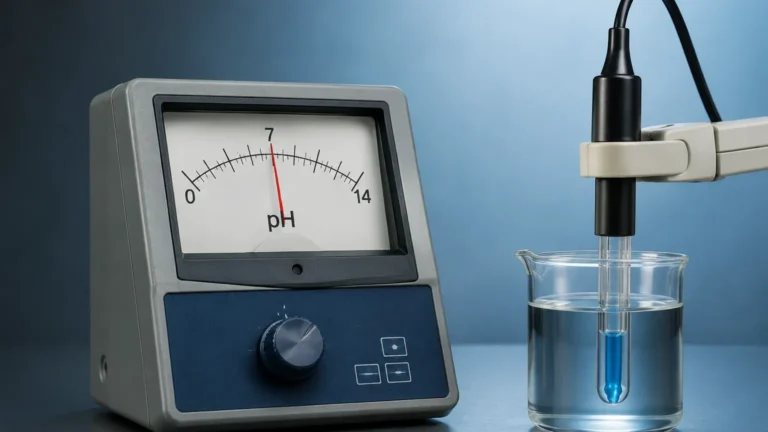
Def Tank Sensor
Def Tank Sensor
In the context of modern industrial emissions control, the monitoring of Diesel Exhaust Fluid (DEF) has transitioned from a secondary requirement to a critical operational necessity. Diesel Exhaust Fluid, also known as AdBlue in certain regions, is a solution comprised of 32.5% high-purity urea and 67.5% deionized water. It is the primary reactant in Selective Catalytic Reduction (SCR) systems, which convert nitrogen oxides (NOx) into harmless nitrogen and water vapor.
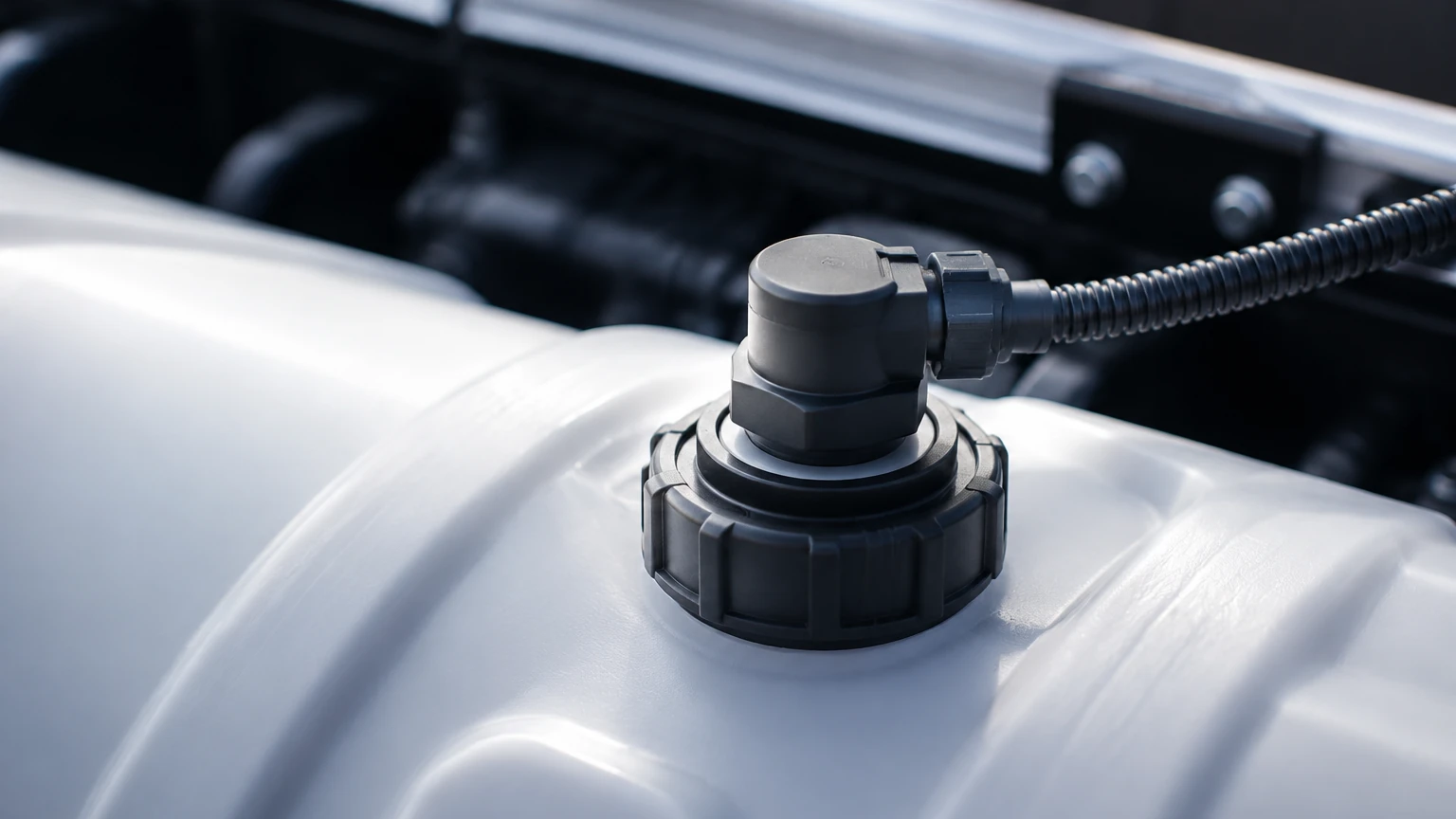
A reliable def tank sensor is essential for ensuring that SCR systems function within legal environmental parameters. For industrial operators, fleet managers, and site engineers, selecting the correct sensing technology is not merely about level detection; it involves managing the unique chemical and physical properties of urea solutions, including crystallization risks, temperature sensitivity, and corrosive potential. As a professional manufacturer, Welk provides high-precision instrumentation designed to meet these rigorous industrial demands.
Primary Measurement Principles for DEF Tank Sensors
Choosing the right technology requires an understanding of how different sensors interact with the fluid. Because DEF is a liquid with specific dielectric and density characteristics, several measurement principles are commonly employed in industrial and stationary storage applications.
1. Ultrasonic Level Measurement
Ultrasonic sensors are non-contact devices that emit high-frequency sound pulses toward the surface of the DEF. The sensor measures the time it takes for the echo to return, calculating the distance based on the speed of sound.
* Advantages: No moving parts and no direct contact with the corrosive urea solution.
* Considerations: The speed of sound is affected by air temperature and vapor concentration within the tank. Integrated temperature compensation is required for accuracy.
2. Radar (Microwave) Level Measurement
Radar sensors, such as those offered on the Main Page of specialized instrument providers, use electromagnetic pulses. Unlike ultrasonic waves, radar signals are largely unaffected by temperature fluctuations, pressure, or the presence of vapors in the headspace.
* Advantages: Extremely high precision (often within ±2 mm) and high reliability in varying environmental conditions.
* Considerations: While more expensive than ultrasonic options, radar is the preferred choice for large-scale industrial DEF storage tanks where accuracy is paramount.
3. Hydrostatic Pressure Sensing
This method involves placing a pressure transmitter at the bottom of the tank or using a submersible probe. The sensor measures the head pressure exerted by the liquid column, which is directly proportional to the fluid level and density.
* Advantages: Simple installation and effective for tall, narrow tanks.
* Considerations: Since DEF density changes slightly with temperature, the system must account for these variations to maintain precise level readings.
4. Magnetic Float and Reed Switch Sensors
These are contact-based sensors where a float containing a magnet moves along a stem. As the float rises or falls, it triggers reed switches at specific intervals.
* Advantages: Low cost and simple electrical integration.
* Considerations: Mechanical components are susceptible to "sticking" if urea crystals form on the sensor stem, requiring more frequent maintenance.
Technical Specifications and Material Compatibility
DEF is a chemically sensitive fluid that requires specific material handling to prevent contamination and sensor degradation. According to ISO 22241 standards, DEF must remain pure to avoid poisoning the SCR catalyst.
Material Selection
Sensors must be constructed from materials that do not react with urea. Recommended materials include:
* Stainless Steel (316L): Highly resistant to corrosion from urea.
* Plastics: High-density polyethylene (HDPE), polypropylene (PP), and PTFE (Teflon) are commonly used for sensor housings and wetted parts.
* Avoid: Copper, brass, and carbon steel, as these will corrode and contaminate the fluid.
Temperature Management
DEF has a freezing point of -11°C (12°F). In colder climates, a def tank sensor often works in tandem with heating elements. Industrial sensors must be rated for operation across a wide range, typically from -40°C to +85°C, to ensure functionality during winter storage and high-temperature summer operations.
Selection Criteria for Industrial DEF Storage
When specifying a level measurement solution for DEF, engineers should evaluate several variables to ensure long-term reliability.
| Feature | Ultrasonic | Radar | Hydrostatic | Magnetic Float |
| :— | :— | :— | :— | :— |
| Contact Type | Non-contact | Non-contact | Contact | Contact |
| Accuracy | Moderate (±0.25%) | High (±2mm) | Moderate | Discrete Steps |
| Crystallization Risk | Low | Low | Moderate | High |
| Maintenance | Low | Minimal | Moderate | High |
| Typical Application | Medium Tanks | Large Bulk Storage | Deep Wells/Tanks | Small Day Tanks |
Key Evaluation Factors
1. Tank Geometry: For tanks with internal obstructions (like heaters or ladders), non-contact radar with narrow beam angles is ideal.
2. Output Signal: Most industrial systems require a 4-20mA analog signal, though digital protocols like Modbus RTU or HART are increasingly common for remote monitoring.
3. Redundancy: In critical applications, combining a continuous level transmitter (like radar) with a high-level switch provides an essential safety layer against overfills.
Installation Guidelines and Best Practices
Proper installation is as critical as the sensor technology itself. Poor placement can lead to false readings or premature equipment failure.
* Dead Zone Management: Ultrasonic and radar sensors have a "dead zone" (blocking distance) near the sensor face where measurement is impossible. Ensure the sensor is mounted high enough that the maximum fluid level does not enter this zone.
* Avoiding Turbulence: If the tank is filled from the top, the sensor should be placed away from the inlet pipe to avoid interference from splashing or turbulence.
* Stilling Wells: In applications where DEF is agitated or the surface is turbulent, installing the sensor inside a stilling well (a vertical pipe) can stabilize the level reading.
* Venting: Ensure the tank is properly vented. Vacuum or pressure buildup can affect hydrostatic sensors and, in extreme cases, damage the tank structure.
Common Challenges and Maintenance
While modern sensors are designed for durability, the nature of Diesel Exhaust Fluid presents specific challenges.
Urea Crystallization
When DEF evaporates, it leaves behind white urea crystals. These crystals can accumulate on sensor faces or float mechanisms. For ultrasonic sensors, heavy buildup on the transducer can dampen the signal. Regular visual inspections are recommended, and non-contact sensors generally require less cleaning than mechanical versions.
Signal Interference
In metal tanks, radar signals can reflect off walls or internal structures. Modern radar sensors from Welk utilize "false echo suppression" software, allowing the user to map out these static reflections so the sensor only tracks the actual fluid surface.
Sensor Fouling
In hydrostatic applications, the diaphragm of the pressure transmitter can become coated with sediment or crystals. Periodic flushing or the use of flush-diaphragm designs can mitigate this risk.
Frequently Asked Questions (FAQ)
Q: How does the concentration of DEF affect the sensor?
A: For most level sensors (radar, ultrasonic, float), the concentration does not significantly affect the level reading. However, hydrostatic sensors are sensitive to density changes. If the urea concentration deviates significantly from 32.5%, the density changes, and the level reading may require recalibration.
Q: Can I use a standard water level sensor for DEF?
A: Not necessarily. While the measurement principle is the same, the materials must be compatible with urea. Standard sensors with brass or low-grade steel components will fail quickly and contaminate the DEF, potentially damaging the SCR system.
Q: What is the lifespan of a typical industrial def tank sensor?
A: A high-quality non-contact sensor (radar or ultrasonic) can last 5 to 10 years or more in a stable environment. Contact-based sensors may have a shorter lifespan (3 to 5 years) due to the mechanical wear and the corrosive nature of the fluid.
Q: Does the sensor need to be recalibrated often?
A: Radar and ultrasonic sensors are generally "set and forget" once calibrated to the tank height. Hydrostatic sensors may require annual checks to account for any drift in the pressure diaphragm or changes in fluid density.
Conclusion
Effective management of Diesel Exhaust Fluid begins with precise level monitoring. Whether utilizing the robustness of radar or the cost-effectiveness of hydrostatic pressure, selecting a def tank sensor requires a balance of chemical compatibility, environmental resistance, and accuracy requirements. By adhering to ISO standards and choosing purpose-built instrumentation, industrial operators can ensure their SCR systems remain compliant and their operations remain uninterrupted. For more detailed technical specifications on level measurement technologies, engineers are encouraged to Review product options and application support to find the optimal solution for their specific site requirements.