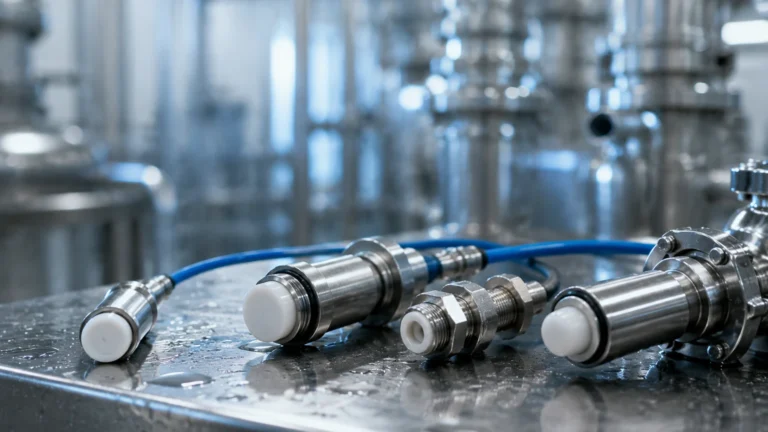
Hydrocarbon Processing Measurement Equipment
Hydrocarbon Processing Measurement Equipment
In the complex world of oil refining, petrochemical production, and natural gas processing, the accuracy of level instrumentation is a fundamental requirement for both operational efficiency and plant safety. Hydrocarbon processing measurement equipment must withstand extreme temperatures, high pressures, and the unique chemical properties of various organic compounds. Selecting the correct technology requires a deep understanding of the physical principles governing each measurement method and how they interact with the specific characteristics of hydrocarbons, such as low dielectric constants and varying densities.
As a professional manufacturer, Welk provides a range of industrial level measurement instruments designed to meet these rigorous demands. This guide explores the core technologies used in the industry, their operating principles, and the practical considerations necessary for successful deployment in hydrocarbon environments.
Core Principles of Level Measurement in Hydrocarbons
Before selecting specific hydrocarbon processing measurement equipment, it is essential to understand the physical principles that allow these sensors to detect the interface between gas and liquid or between two immiscible liquids.
Radar Level Measurement (ToF)
Radar technology, specifically Time-of-Flight (ToF), is the gold standard for many hydrocarbon applications. It works by emitting electromagnetic pulses that travel at the speed of light. When these pulses hit the surface of the medium, they are reflected back to the sensor. The distance is calculated based on the time interval between transmission and reception.
There are two primary types:
1. Guided Wave Radar (GWR): The pulse travels along a physical probe (rod or cable). This is highly effective for low dielectric hydrocarbons because the probe concentrates the energy, ensuring a stronger return signal even when the liquid reflects poorly.
2. Non-Contact Radar: The pulse is emitted through the air from an antenna. This is ideal for corrosive or highly viscous hydrocarbons where physical contact with the sensor should be avoided.
Ultrasonic Level Measurement
Ultrasonic sensors emit high-frequency sound waves. The time taken for the echo to return from the liquid surface determines the level. While cost-effective, ultrasonic measurement in hydrocarbon processing is often limited by the presence of heavy vapors, high pressure, or vacuum conditions, all of which alter the speed of sound and can attenuate the signal.
Hydrostatic Pressure Measurement
This method relies on the principle that the pressure at the bottom of a vessel is proportional to the height of the liquid column multiplied by the fluid's density. In hydrocarbon processing, where density can change with temperature fluctuations, hydrostatic transmitters often require temperature compensation to maintain accuracy.
Magnetic Level Gauges (MLG)
MLGs utilize a float containing a permanent magnet that moves with the liquid level inside a bypass chamber. As the float moves, it flips magnetic flaps or triggers a transmitter on the outside of the chamber. This provides a clear visual indication and a secondary electronic signal without the risk of glass breakage associated with traditional sight glasses.
Technology Selection for Hydrocarbon Applications
Choosing the right hydrocarbon processing measurement equipment depends on several variables: the dielectric constant ($ε_r$) of the fluid, the process temperature, the operating pressure, and the presence of foam or turbulence.
The Dielectric Challenge
Most hydrocarbons have low dielectric constants (typically between 1.7 and 4.0). For comparison, water has a dielectric constant of approximately 80. Since radar signals rely on the change in dielectric constant to reflect energy, low-$ε_r$ fluids reflect less energy. This is why Guided Wave Radar or high-frequency (80GHz) non-contact radar is often preferred for light oils and liquefied gases.
Selection Matrix
| Application Type | Recommended Technology | Primary Advantage | Limitations |
| :— | :— | :— | :— |
| Crude Oil Storage | Non-contact Radar | No contact with viscous media | Can be affected by heavy foam |
| LPG/LNG Tanks | Guided Wave Radar | High accuracy in low dielectric | Requires probe installation |
| Separator Vessels | GWR or Magnetic Gauge | Excellent interface detection | Sensitive to heavy coating |
| Chemical Additives | Ultrasonic | Cost-effective for small tanks | Not for high-pressure/vapor |
| Distillation Columns| Differential Pressure | Handles extreme temperatures | Requires constant fluid density |
Installation Considerations and Best Practices
Proper installation is as critical as selecting the right technology. Even the most advanced hydrocarbon processing measurement equipment will fail if environmental factors are ignored.
1. Nozzle Geometry: For non-contact radar, the nozzle height and diameter must be optimized to prevent internal reflections (ringing) from interfering with the surface signal. Generally, the nozzle should be as short as possible.
2. Stilling Wells and Bypass Chambers: For fluids with very low dielectric constants or high turbulence, installing the sensor inside a stilling well or a bypass pipe is recommended. This concentrates the signal and provides a calm surface for measurement.
3. Hazardous Area Certification: Hydrocarbon processing facilities are typically classified as hazardous zones. Ensure all equipment carries the necessary ATEX, IECEx, or local equivalent certifications for the specific zone (Zone 0, 1, or 2).
4. Temperature and Pressure Ratings: Ensure the process connection and the sensor housing can withstand the maximum possible surge pressures and temperatures. In refining, temperatures can exceed 400°C (752°F), necessitating the use of cooling extensions or high-temperature seals.
Limitations of Common Technologies
Every measurement technology has a "blind spot" or a set of conditions where it may lose accuracy:
* Radar: While highly versatile, radar can struggle with extremely thick foam which absorbs electromagnetic energy rather than reflecting it. In such cases, a magnetic level gauge might be a more reliable mechanical alternative.
* Ultrasonic: These sensors cannot operate in a vacuum because sound waves require a medium to travel. They are also prone to errors if the vapor space above the hydrocarbon contains varying concentrations of gases that change the speed of sound.
* Hydrostatic: This method is purely mass-based. If the hydrocarbon's composition changes (altering its density), the level reading will drift unless the system is recalibrated or uses a dual-transmitter setup for density compensation.
Maintenance and Calibration
To ensure the longevity of measurement equipment in hydrocarbon environments, a proactive maintenance schedule is required.
* Coating and Buildup: In heavy oil applications, paraffin or bitumen can build up on probes and antennas. While modern radar units feature "signal tracking" software to ignore some buildup, periodic cleaning is necessary to prevent total signal loss.
* Verification: Regular verification against a secondary source (like a manual dip tape or a magnetic gauge) ensures the electronic transmitter has not drifted.
* Seal Integrity: In high-pressure hydrocarbon processing, the primary seal of the instrument is a critical safety barrier. Regular inspection of O-rings and process gaskets is mandatory to prevent leaks.
For engineers looking to optimize their facility's instrumentation, it is helpful to Review product options and application support on the Welk Main Page to compare specific model specifications and environmental tolerances.
Frequently Asked Questions
Q: How do I measure the interface between oil and water?
A: Guided Wave Radar is the most effective tool for interface measurement. The radar pulse passes through the upper hydrocarbon layer (low dielectric) and reflects off the lower water layer (high dielectric), allowing the transmitter to report both levels simultaneously.
Q: Can I use ultrasonic sensors for gasoline storage?
A: It is generally not recommended. Gasoline produces significant vapors that fluctuate with temperature. These vapors change the speed of sound in the tank's headspace, leading to significant measurement errors. Radar is the preferred choice for gasoline.
Q: What is the maximum distance for a radar level meter?
A: Modern high-frequency radar units can measure distances up to 30 meters (approx. 100 feet) or more, depending on the antenna type and the dielectric constant of the hydrocarbon.
Q: Do magnetic level gauges require power?
A: The basic visual indication of a magnetic level gauge is purely mechanical and requires no power. However, if you add a reed chain transmitter or a magnetostrictive sensor to send data to a control room, those components will require a standard 24V DC loop power.
Conclusion
Selecting hydrocarbon processing measurement equipment requires a balance between technical capability and cost-effectiveness. By understanding the dielectric properties of the media and the physical limitations of each sensor type, engineers can design systems that provide reliable data for years. Whether dealing with the volatility of LPG or the viscosity of crude oil, the right instrumentation is the first line of defense in process control. For detailed technical data sheets and custom solution engineering, visit the Welk Main Page to explore our full range of industrial level measurement solutions.
Download Hydrocarbon Processing Measurement Equipment as a PDF