Vega Tv in Westminster
Vega Tv in Westminster
In the landscape of industrial automation and process control, the term "Vega Tv" often surfaces in technical discussions regarding high-end level measurement visualization and transmitter verification. For engineers and facility managers operating in Westminster’s industrial and utility sectors—ranging from water treatment facilities to specialized chemical processing plants—understanding the integration of these advanced monitoring systems is essential. This guide examines the principles of level measurement technology, the practical application of visualization tools in urban industrial environments, and how to select the right instrumentation for reliable performance.
Principles of Industrial Level Measurement
Before evaluating specific monitoring setups like a Vega Tv in Westminster, it is critical to understand the underlying physics of the sensors providing the data. Level measurement generally falls into two categories: continuous measurement and point level detection.
Radar Level Measurement (FMCW and Pulse)
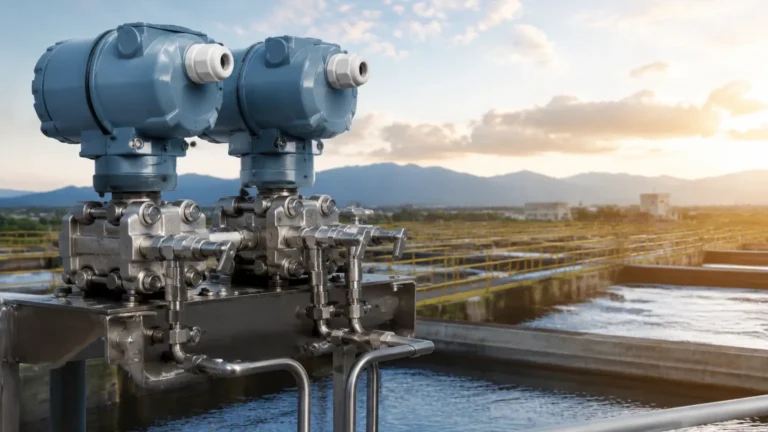
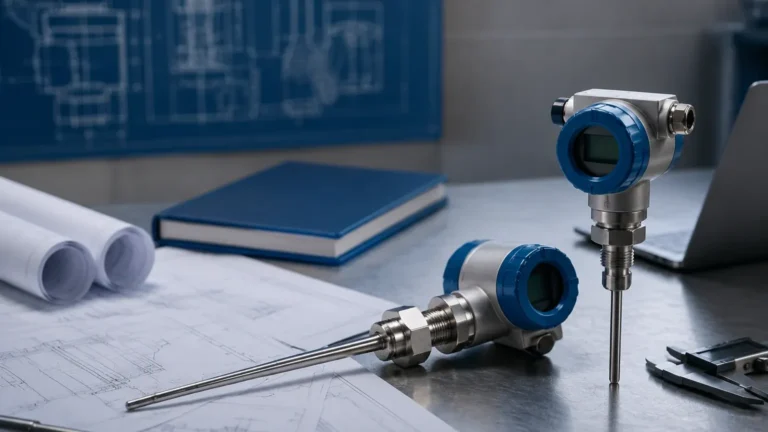
Radar level meters, such as those featured on the Main Page of leading manufacturers, operate using electromagnetic waves. Frequency Modulated Continuous Wave (FMCW) radar is the current industry standard for high-precision applications. The sensor emits a continuous signal with a changing frequency; the difference between the emitted and received frequency is proportional to the distance to the medium.
* Advantages: Unaffected by temperature fluctuations, pressure changes, or vacuum conditions. High-frequency radar (e.g., 80GHz) allows for a narrow beam angle, which is crucial in the confined tank spaces often found in Westminster’s older infrastructure.
* Applications: Corrosive chemicals, high-temperature liquids, and solids with heavy dust.
Ultrasonic Level Measurement
Ultrasonic sensors utilize sound waves. The transducer emits a pulse that reflects off the surface of the material and returns to the sensor. The "time-of-flight" is measured to calculate the distance.
* Advantages: Cost-effective and non-contact.
* Limitations: Sensitive to air temperature gradients, heavy foam, and surface turbulence. In Westminster’s outdoor applications, wind and ambient noise can occasionally interfere with signal integrity if not properly shielded.
Hydrostatic Level Measurement
This method measures the pressure exerted by a liquid column. The pressure at the bottom of a tank is directly proportional to the height of the liquid and its specific gravity. This is a contact-based method often used in open reservoirs or deep wells.
The Role of Visualization: Vega Tv in Westminster
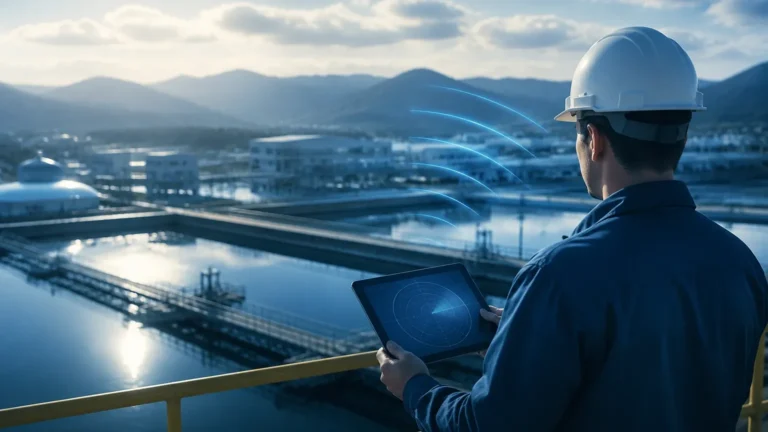
In technical circles, "Vega Tv" refers to the sophisticated visualization and technical verification interfaces used to monitor VEGA-brand sensors. In Westminster, where many engineering firms manage remote or distributed assets, these systems provide a real-time graphical representation of echo curves and vessel levels.
Effective visualization allows operators to:
1. Identify False Reflections: Distinguish between the actual liquid level and internal tank obstructions like agitators or heating coils.
2. Monitor Signal Strength: Ensure the signal-to-noise ratio remains within safe operating parameters.
3. Perform Remote Diagnostics: Troubleshoot sensor issues without requiring physical access to the tank top, which is particularly valuable in high-density urban areas where site access may be restricted.
Selection Criteria for Level Instrumentation
Choosing between a standard radar transmitter and a fully integrated system involving Vega Tv in Westminster requires a detailed analysis of the process environment. The following table provides a comparison of primary technologies used in industrial level measurement.
Technology Comparison Table
| Feature | 80GHz Radar | Ultrasonic | Hydrostatic | Magnetic Gauge |
| :— | :— | :— | :— | :— |
| Measurement Range | Up to 120m | Up to 30m | Up to 200m | Up to 6m |
| Accuracy | ±1mm | ±0.25% of range | ±0.1% to 0.5% | ±5mm |
| Process Temp. | -40°C to +450°C | -40°C to +80°C | -40°C to +100°C | -40°C to +400°C |
| Pressure | Vacuum to 160 bar | Atmospheric | Up to 40 bar | Up to 160 bar |
| Best For | Complex geometries | Water/Wastewater | Deep wells/Sump | Visual local ind. |
Installation Considerations in Westminster Facilities
Westminster’s industrial landscape often involves retrofitting modern sensors into existing, sometimes legacy, infrastructure. Proper installation is the most significant factor in ensuring the accuracy of your level data.
Nozzle Geometry and Placement
The mounting nozzle should be perpendicular to the product surface. For radar sensors, the nozzle height should be kept to a minimum to prevent signal interference from the nozzle walls. If using an 80GHz radar, the narrow beam angle allows for installation closer to the tank wall compared to older 26GHz models.
Avoiding Obstructions
Internal structures such as ladders, pipes, and agitators can create "ghost echoes." When configuring your monitoring system, use the software interface—similar to the Vega Tv in Westminster setups—to perform a "false signal suppression" or "background subtraction." This tells the sensor to ignore reflections from fixed internal objects.
Environmental Protection
For outdoor installations near the Thames or in damp basement environments, ensure that instruments have a minimum IP67 or IP68 rating. Use high-quality cable glands and drip loops to prevent moisture from entering the electronics housing.

Limitations and Common Risks
While advanced visualization and high-frequency sensors solve many problems, they are not infallible. Operators in Westminster should be aware of the following risks:
* Build-up and Clogging: In wastewater or slurry applications, material can build up on the sensor face. While many modern radar sensors can "see through" thin layers of build-up, heavy accumulation will eventually lead to signal loss.
* Surface Turbulence: Rapid filling or high-speed agitation can create a turbulent surface that scatters the radar or ultrasonic signal. In these cases, a stilling well or bypass pipe may be necessary to provide a calm surface for measurement.
* Dielectric Constant (Dk): Radar relies on the reflectivity of the medium. Materials with a very low dielectric constant (like certain oils or liquefied gases) may reflect a weak signal. If the Dk is below 1.4, specialized guided wave radar or high-sensitivity non-contact radar is required.
Practical Maintenance for Level Systems
To maintain the reliability of your level measurement system in Westminster, a proactive maintenance schedule is recommended:
1. Visual Inspection: Check for physical damage to the housing or cable entry points every six months.
2. Calibration Verification: Perform a reference measurement using a manual tape or dipstick to verify the transmitter’s accuracy against the actual level.
3. Software Updates: Ensure that the visualization software and sensor firmware are up to date to benefit from the latest signal processing algorithms.
Frequently Asked Questions (FAQ)
Q: Can I use radar for level measurement in a vacuum?
A: Yes. Unlike ultrasonic waves, which require a medium (air) to travel, radar electromagnetic waves travel freely in a vacuum, making them ideal for vacuum distillation or degassing processes.
Q: How does foam affect the measurement?
A: It depends on the foam density. Light, airy foam may be transparent to radar, while thick, dense foam can absorb the signal. Ultrasonic sensors almost always struggle with foam as it absorbs the sound energy. In high-foam applications, hydrostatic or guided wave radar is often preferred.
Q: Is 80GHz radar always better than 26GHz?
A: Not necessarily, but for most Westminster applications involving small to medium tanks, 80GHz is superior due to its smaller antenna size and narrower beam, which simplifies installation and avoids internal obstructions.
Q: What is the benefit of using a local display versus a remote visualization system?
A: A local display is essential for maintenance personnel on the tank top, while remote systems like a Vega Tv in Westminster allow for centralized control room monitoring and data logging for regulatory compliance.
Conclusion
Implementing a robust level measurement strategy in Westminster requires a balance between high-performance hardware and intuitive visualization. Whether you are upgrading a water treatment plant or managing a chemical inventory, understanding the nuances of radar and ultrasonic technology ensures long-term operational efficiency. For those seeking cost-effective and reliable industrial level sensors, exploring the comprehensive range of options available on the Welk Main Page provides a starting point for matching technical requirements with practical site constraints. By focusing on correct installation and regular maintenance, Westminster’s industrial operators can achieve the precision and safety required in today’s demanding process environments.