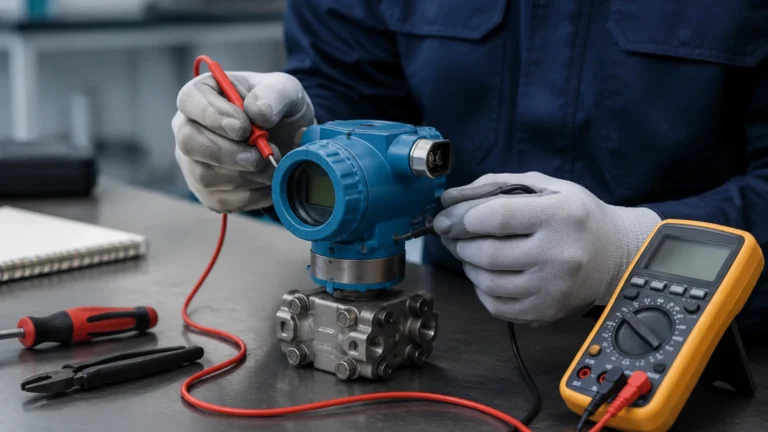
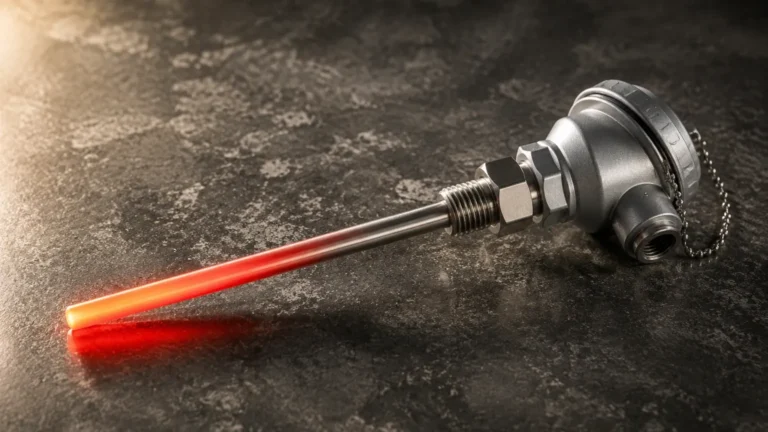
Durchflussprüfung
Durchflussprüfung
In industrial process engineering, the term Durchflussprüfung (flow testing or verification) encompasses the systematic evaluation and validation of fluid movement within a system. While often associated directly with flow meters, accurate flow verification frequently relies on advanced level measurement technologies to determine volume, velocity, and consistency. For engineers and plant operators, ensuring the precision of these measurements is vital for maintaining process safety, optimizing resource allocation, and achieving regulatory compliance.
Industrial environments, ranging from water treatment plants to chemical processing facilities, require robust instrumentation to perform Durchflussprüfung under diverse conditions. Whether monitoring the discharge of a wastewater flume or the intake of a chemical reactor, the choice of measurement technology determines the reliability of the resulting data. This guide explores the principles, selection criteria, and practical considerations for integrating level measurement instruments into flow verification processes.
Measurement Principles in Flow and Level Verification
To conduct an effective Durchflussprüfung, it is essential to understand the physical principles that govern how level measurement instruments translate physical states into flow data. In many applications, level sensors act as secondary elements that calculate flow based on the primary element’s geometry, such as a weir or a flume.
Hydrostatic Pressure Principle
Hydrostatic level transmitters measure the pressure exerted by a liquid column at a specific point. The relationship is defined by the formula:
P = ρ × g × h
Where *P* is the pressure, *ρ* (rho) is the fluid density, *g* is the gravitational constant, and *h* is the height of the liquid. In Durchflussprüfung, hydrostatic sensors are often used in vented tanks or open channels where the liquid level is directly proportional to the flow rate through a calibrated orifice or weir.
Ultrasonic Time-of-Flight
Ultrasonic sensors emit high-frequency sound pulses that reflect off the surface of the medium. By measuring the time it takes for the echo to return, the sensor calculates the distance to the liquid. This non-contact method is highly effective for open-channel Durchflussprüfung. The electronics within the sensor convert the level reading into a flow rate using pre-programmed flow curves (ISO 1438 or similar standards).
Radar (FMCW and Pulsed)
Radar level meters use electromagnetic waves rather than sound. Frequency Modulated Continuous Wave (FMCW) radar is particularly effective for flow verification because it provides high resolution and accuracy even in the presence of vapor, dust, or temperature fluctuations. Like ultrasonic sensors, radar units are non-contact, but they offer superior performance in pressurized vessels or environments with significant surface turbulence.
Practical Selection for Durchflussprüfung Applications
Selecting the correct instrument for Durchflussprüfung requires a detailed analysis of the medium, the environment, and the required accuracy. The following table provides a comparison of common technologies used in industrial flow verification.
| Technology | Accuracy | Medium Suitability | Typical Application | Limitations |
| :— | :— | :— | :— | :— |
| Radar Level Meter | ±1 mm to ±5 mm | Corrosive, high temp, foam | Chemical tanks, high-precision flow | High initial cost |
| Ultrasonic Sensor | ±0.25% of range | Water, wastewater, sludges | Open channel flow, weirs | Affected by wind and temperature |
| Hydrostatic Transmitter | ±0.1% to ±0.5% | Clean liquids, oils | Deep wells, vented tanks | Density must remain constant |
| Magnetic Level Gauge | Visual + ±5 mm | Hazardous, high pressure | Boiler feed water, fuel storage | Requires bypass installation |
When evaluating these options, engineers must prioritize the specific needs of the project. For instance, in a water treatment facility, an ultrasonic sensor may be the most cost-effective solution for monitoring effluent flow. However, in an oil and gas application where vapors are present, a radar-based system is necessary to ensure the Durchflussprüfung remains accurate despite atmospheric changes. For a comprehensive overview of available technologies, engineers can Review product options and application support to match specific process requirements.
Installation Considerations for Reliable Data
The accuracy of any Durchflussprüfung is heavily dependent on the quality of the installation. Even the most sophisticated radar or ultrasonic sensor will provide erroneous data if positioned incorrectly.
1. Blocking Distance (Dead Zone)
All non-contact sensors have a minimum distance they cannot measure, known as the blocking distance or dead zone. For ultrasonic sensors, this is typically between 0.2m and 0.5m. When installing an instrument for flow verification, the sensor must be mounted high enough so that the maximum expected flow level never enters this zone.
2. Avoiding Turbulence and Obstructions
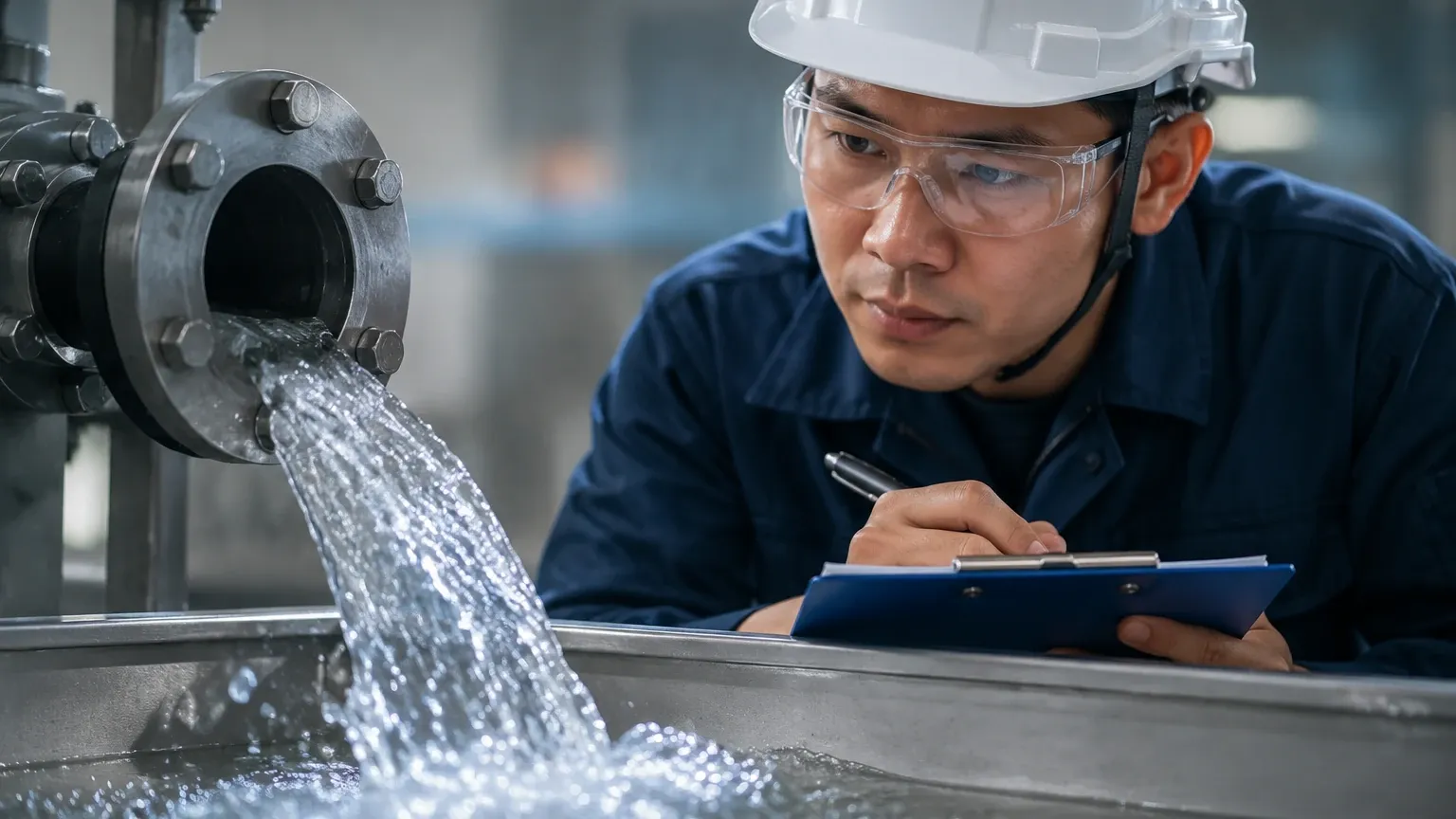
Flow testing is most accurate when the liquid surface is relatively calm. Sensors should be installed away from inlets, agitators, or pump discharge points. If turbulence is unavoidable, a stilling well or bypass pipe may be required to provide a stable surface for the measurement beam.
3. Alignment and Beam Angle
For radar and ultrasonic units, the beam must be perpendicular to the liquid surface. Even a slight tilt can cause the signal to bounce away from the receiver, leading to "signal loss" errors. In open channels, the sensor should be centered over the narrowest part of the flume or weir to capture the most representative level data.
4. Environmental Shielding
Outdoor installations for Durchflussprüfung often face challenges from direct sunlight and wind. For ultrasonic sensors, a sunshade is recommended to prevent the internal temperature compensation from being skewed by solar heating of the sensor housing.
Limitations and Common Risks
While modern instrumentation has simplified Durchflussprüfung, several factors can still compromise the integrity of the data. Recognizing these risks early in the engineering phase is critical.
* Density Fluctuations: Hydrostatic pressure sensors assume a constant fluid density. If the temperature of the fluid changes significantly, or if different chemicals are mixed, the density changes, leading to a direct error in the calculated level and flow.
* Surface Foam: Heavy foam can absorb ultrasonic sound waves or scatter radar signals. In applications involving detergents or biological processes where foam is common, specialized radar frequencies (such as 80GHz) or contact-based magnetic gauges may be more reliable.
* Vapor and Condensation: High-humidity environments can cause condensation on the sensor face. While some sensors feature "drip-off" antenna designs, extreme condensation can still attenuate the signal. Radar is generally more resistant to these effects than ultrasonic technology.
* Build-up and Scaling: In wastewater or slurry applications, material can build up on the sensor or the walls of the measurement channel. This effectively changes the geometry of the flow path, rendering the Durchflussprüfung calibration invalid over time.
Frequently Asked Questions (FAQs)
How often should instruments used for Durchflussprüfung be calibrated?
Calibration frequency depends on the criticality of the process and the stability of the medium. For most industrial applications, an annual verification is standard. However, in regulated industries like pharmaceutical or food production, semi-annual or quarterly calibrations may be required to maintain compliance.
Can I use a level sensor for flow measurement in a closed pipe?
Generally, no. Level sensors are designed to detect the interface between a liquid and a gas. For full-pipe flow measurement, electromagnetic flow meters or ultrasonic clamp-on meters are the standard. Level sensors are only used for flow measurement in pipes that are partially filled, where the level of the liquid indicates the flow rate.
What is the advantage of 80GHz Radar for flow testing?
80GHz radar offers a much narrower beam angle compared to older 6GHz or 26GHz models. This allows for easier installation in narrow channels or tanks with internal obstructions, as the beam is less likely to hit the walls or ladders, which could cause false echoes during the Durchflussprüfung.
How does temperature affect ultrasonic flow verification?
Sound travels at different speeds depending on the air temperature. Most high-quality ultrasonic sensors include a built-in temperature sensor to compensate for this. However, if there is a significant temperature gradient between the sensor and the liquid surface, the compensation may not be perfectly accurate.
Conclusion
Successful Durchflussprüfung is the cornerstone of efficient industrial operations. By selecting the appropriate level measurement technology—whether it be radar, ultrasonic, or hydrostatic—and adhering to strict installation guidelines, engineers can ensure that their flow data is both accurate and repeatable. Understanding the limitations of each technology allows for the mitigation of risks such as foam, turbulence, and environmental interference.
For those seeking to implement or upgrade their flow verification systems, it is essential to consult with technical experts who understand the nuances of industrial instrumentation. To explore the full range of level measurement solutions tailored for these applications, visit the Main Page for detailed technical specifications and engineering support. Reliable measurement starts with the right equipment and a clear understanding of the underlying physical principles.