Magnetrol Level Switch Xa15
Magnetrol Level Switch Xa15
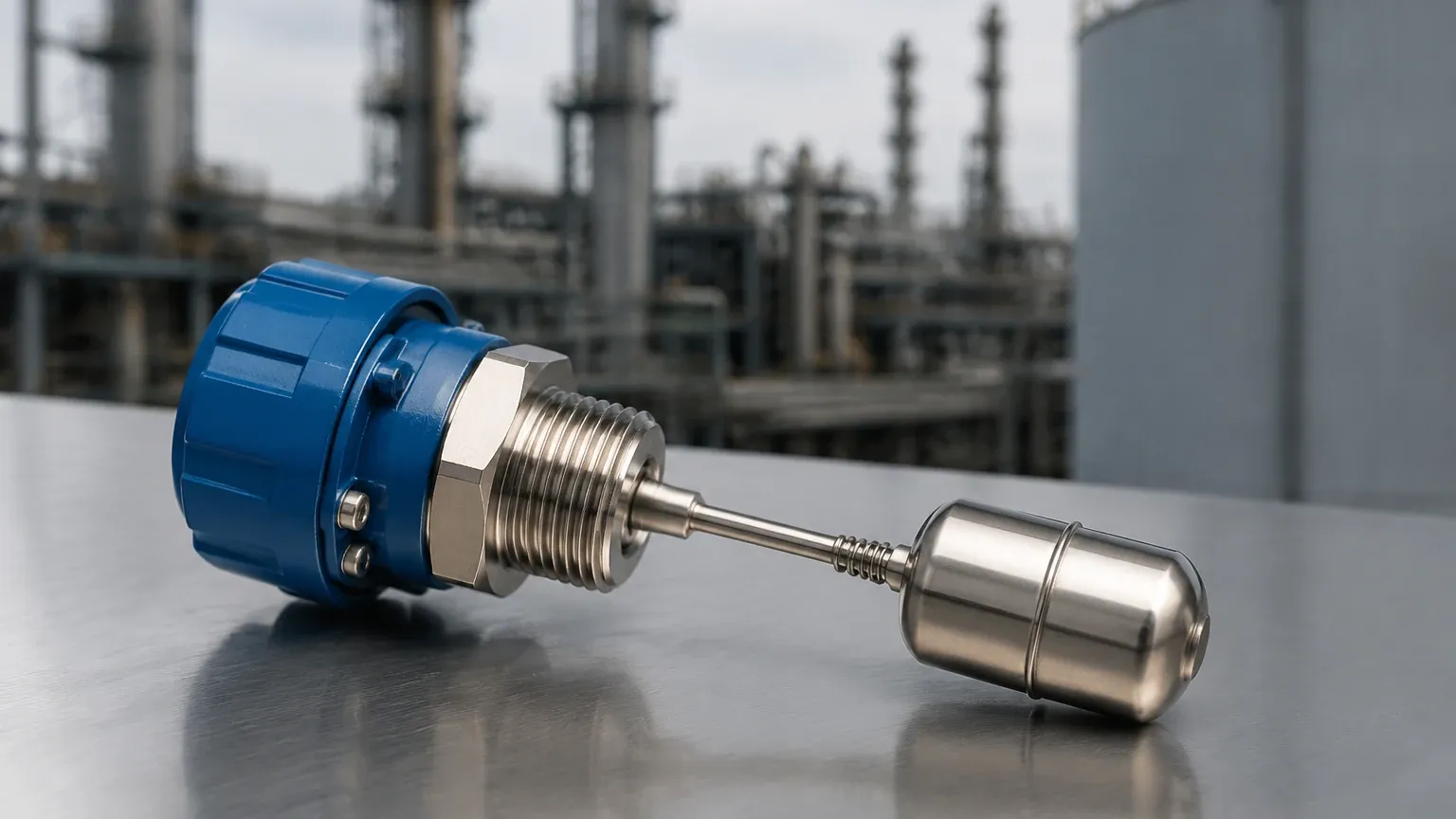
In the landscape of industrial process control, point-level detection remains a critical safety and operational requirement. Among the various technologies available, the Magnetrol level switch XA15 represents a specific class of pneumatic displacer-type switches designed for environments where electrical power is either unavailable or undesirable due to explosion risks. This guide provides a technical deep dive into the operating principles, selection criteria, and installation requirements for these buoyancy-based instruments, while comparing them to modern alternatives in the broader category of Level Switches.
Understanding the Buoyancy Principle in Level Detection
Before evaluating specific models like the XA15, it is essential to understand the physics of buoyancy that governs displacer-type instruments. Unlike standard float switches, which rely on a buoyant object floating on the surface of a liquid, displacer switches utilize a weighted element (the displacer) that is heavier than the liquid it is intended to measure.
The Archimedes Principle
When a liquid level rises and submerses the displacer, the displacer experiences an upward buoyant force equal to the weight of the liquid it displaces. This change in apparent weight—rather than the actual movement of a float on the surface—is what triggers the switching mechanism.
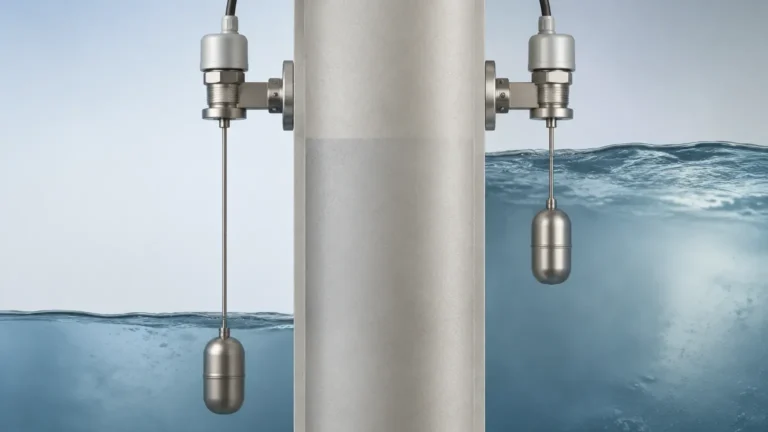
In a typical displacer switch assembly, the displacer is suspended from a spring. As the liquid level reaches the displacer, the buoyant force reduces the effective weight on the spring, causing it to retract. This movement shifts a magnetic sleeve into the field of an externally mounted switch mechanism.
Pneumatic Switching (The XA Series)
The "XA" designation in the Magnetrol series refers to the pneumatic pilot valve mechanism. Instead of closing an electrical circuit, the movement of the magnetic sleeve actuates a pneumatic valve. This valve then redirects a supply of compressed air or gas (typically 1.4 to 4.1 bar / 20 to 60 psi) to a final control element, such as a pneumatic valve actuator or an alarm horn. This makes the magnetrol level switch xa15 particularly suited for hazardous areas where "intrinsically safe" pneumatic logic is preferred over complex electrical explosion-proof housings.
Technical Overview of the Magnetrol Level Switch XA15
The XA15 is engineered for high-pressure and high-temperature applications, often found in oil and gas separators, scrubbers, and chemical storage tanks. Its design focuses on mechanical simplicity and ruggedness.
Key Specifications and Materials
* Pressure Ratings: Often capable of handling pressures up to 103 bar (1500 psi) depending on the flange and housing material.
* Temperature Range: Standard models operate from -40°C to +200°C (-40°F to +400°F), with specialized versions extending higher.
* Pneumatic Connections: Typically features 1/8" NPT or 1/4" NPT ports for supply and signal air.
* Materials of Construction: Displacers are commonly manufactured from 316 Stainless Steel, Monel, or Hastelloy to resist corrosive process media.
Operating Logic
The XA15 can usually be configured for either "Direct Acting" or "Reverse Acting" logic.
1. Direct Acting: An increase in level results in an increase in output pressure.
2. Reverse Acting: An increase in level results in a decrease in output pressure (often used for fail-safe high-level alarms).
Engineering Selection: When to Specify Pneumatic Level Switches
Selecting the right technology requires balancing the physical properties of the media with the environmental constraints of the site. While modern electronic Level Switches offer high precision and digital integration, pneumatic displacer switches like the XA15 remain relevant in specific niches.
Selection Comparison Table
| Feature | Displacer (XA15) | Ultrasonic Switch | Tuning Fork (Vibrating) |
| :— | :— | :— | :— |
| Power Requirement | Pneumatic (Air/Gas) | DC/AC Electric | DC/AC Electric |
| Hazardous Area Suitability | Inherently Safe | Requires ATEX/Ex Housing | Requires ATEX/Ex Housing |
| Media Density Sensitivity | High (Requires SG > 0.40) | Low | Very Low |
| Moving Parts | Yes (Internal) | No | Yes (Micro-vibration) |
| Max Temperature | Up to 400°C+ | Usually < 150°C | Up to 250°C |
| Pressure Limit | Very High | Moderate | Moderate to High |
Considerations for Specific Gravity (SG)
Because the XA15 relies on buoyancy, the Specific Gravity of the process fluid is a critical variable. If the SG of the liquid changes significantly (due to temperature fluctuations or chemical composition changes), the switch point will shift. Engineers must confirm the minimum SG of the fluid at operating temperature before finalizing the displacer weight and spring rate.
Installation Best Practices for Displacer-Type Switches
Proper installation is paramount for the reliability of buoyancy-based instruments. Mechanical interference or incorrect orientation are the most common causes of failure in the field.
1. Vertical Alignment: The switch head and displacer cage must be mounted perfectly vertical. Even a few degrees of tilt can cause the displacer to rub against the side of the chamber or stillwell, leading to friction and delayed switching.
2. Stillwells and Cages: In tanks with high turbulence or agitation, the displacer should be installed inside a stillwell (a pipe that dampens surface movement) or an external cage. This prevents the displacer from swinging and causing false trips or mechanical fatigue.
3. Pneumatic Air Quality: The supply air for the XA15 must be clean, dry, and regulated. Moisture or oil in the air line can clog the small orifices of the pilot valve, leading to sluggish response or total failure. A 5-micron filter-regulator is generally recommended at the inlet.
4. Clearance for Removal: Ensure there is sufficient overhead clearance to pull the displacer and rod assembly out of the tank for inspection without decommissioning the entire vessel.
Limitations and Operational Risks
While the magnetrol level switch xa15 is a robust instrument, it is not a universal solution. Engineers should be aware of the following limitations:
* Coating and Buildup: If the process fluid is prone to heavy crystallization or viscous coating, the weight of the displacer will change over time. This effectively alters the switch point and may eventually cause the mechanism to stick.
* Mechanical Wear: Because it involves moving parts (the spring, the sleeve, and the pilot valve), the XA15 requires more frequent mechanical inspection than non-contact technologies like radar or ultrasonic sensors.
* Vibration: High-frequency vibration in the piping or vessel can cause premature wear on the magnetic sleeve and the pivot points of the pneumatic valve.
Comparative Analysis: Displacer vs. Modern Electronic Switches
In modern industrial automation, the trend is moving toward electronic Level Switches that integrate with PLC and SCADA systems via 4-20mA, HART, or Foundation Fieldbus.
* Radar and Ultrasonic: These are non-contact and have no moving parts, making them ideal for corrosive or sticky media where a displacer would fail. However, they require stable power and can be more expensive to implement in explosion-proof zones.
* Capacitance Switches: These are excellent for interface detection (e.g., oil over water) but can be sensitive to changes in the dielectric constant of the fluid.
* Magnetic Level Gauges: Often used in conjunction with switches, these provide a visual indication alongside point-level switching. They are frequently used as a modern replacement for external displacer cages.
For remote sites without electrical infrastructure, such as wellhead separators in the oil patch, the pneumatic XA15 remains a primary choice due to its ability to operate using the process gas itself as the supply medium.
Frequently Asked Questions (FAQs)
Q: Can the XA15 be used for interface level detection?
A: Yes. By specifically weighting the displacer to be heavier than the upper fluid (e.g., oil) but lighter than the lower fluid (e.g., water), the XA15 can detect the interface between two immiscible liquids. This requires precise calculation of the Specific Gravity of both fluids.
Q: What is the minimum Specific Gravity (SG) required for the XA15?
A: Typically, these units require a minimum SG of 0.40. For very light hydrocarbons or liquefied gases, specialized displacers with larger volumes may be required to generate enough buoyant force.
Q: How do I test the switch without filling the tank?
A: Many displacer switches feature a "manual override" or a test lifting lever. This allows the operator to mechanically lift the displacer rod to simulate a high-level condition and verify that the pneumatic signal is sent to the control system.
Q: Is the XA15 compatible with sour gas (H2S) service?
A: Yes, provided the materials of construction comply with NACE MR0175/ISO 15156 standards. This usually involves specifying a 316 SS or Monel displacer and a housing material resistant to sulfide stress cracking.
Conclusion
The Magnetrol level switch XA15 continues to be a staple in heavy industrial applications where pneumatic logic and mechanical reliability are prioritized. While electronic Level Switches offer more data-rich diagnostics, the XA15’s ability to function in extreme environments without electricity ensures its place in the engineer's toolkit. When specifying this instrument, careful attention must be paid to fluid density, pneumatic air quality, and vertical alignment to ensure long-term, maintenance-free operation.