Autosamplers
Autosamplers
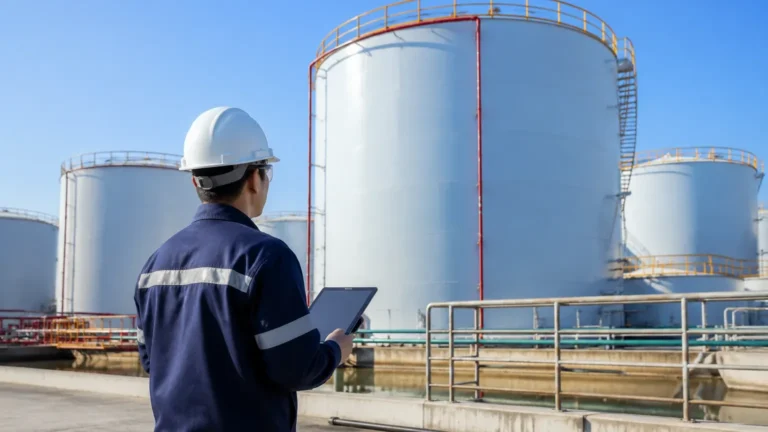
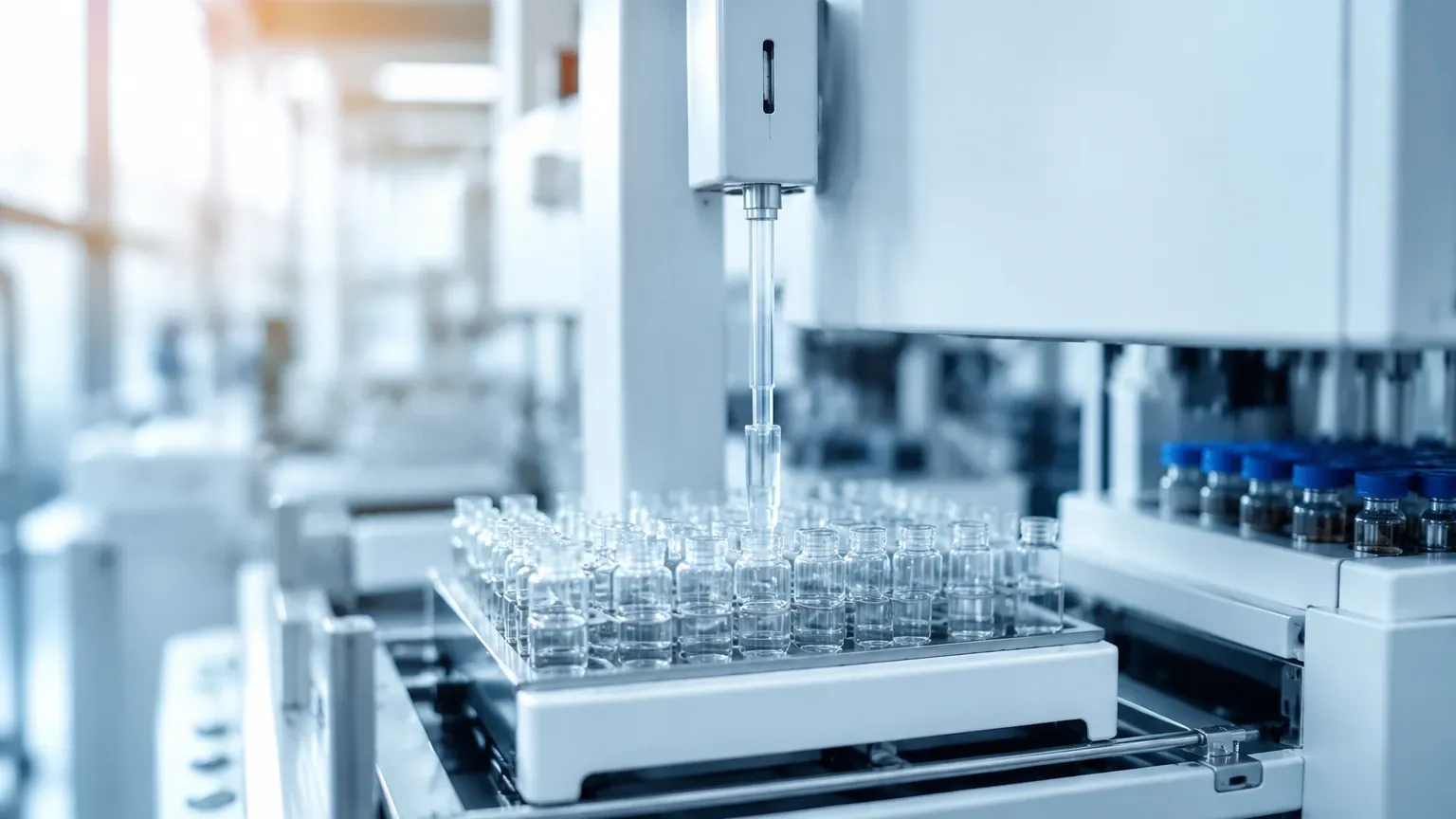
In industrial process control and environmental monitoring, the ability to obtain representative liquid samples is fundamental to regulatory compliance and process optimization. Autosamplers are automated instruments designed to collect discrete or composite samples of water or wastewater from a source—such as a tank, flume, or open channel—at specific intervals or in response to specific triggers.
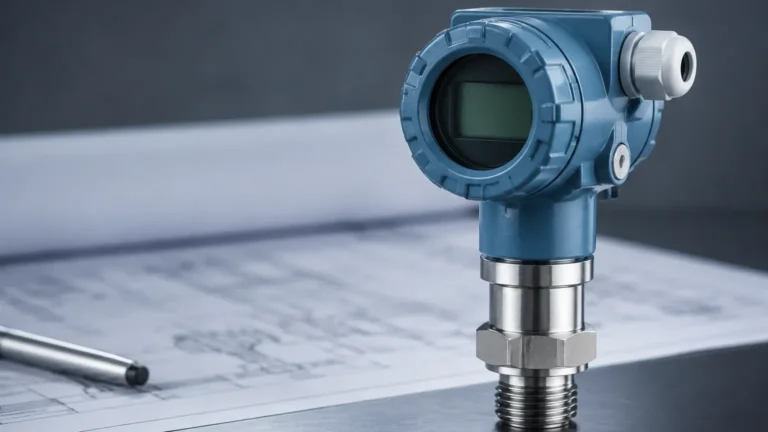
While the autosampler performs the physical collection, its efficiency is often dependent on accurate level and flow data. As a professional manufacturer of industrial measurement instruments, Welk provides the radar, ultrasonic, and hydrostatic sensors that frequently serve as the "eyes" for these sampling systems. Understanding the synergy between level measurement and automated sampling is essential for engineers designing robust monitoring stations.
Measurement Principles and Sampling Modes
Autosamplers operate based on programmed logic that determines when and how much sample to collect. These modes are generally categorized into three primary principles:
1. Time-Proportional Sampling
This is the most straightforward method. The sampler is programmed to collect a fixed volume of liquid at constant time intervals (e.g., 200 mL every 30 minutes). This method is suitable for sources where the flow rate is relatively constant or where the chemical composition of the liquid does not fluctuate significantly with flow changes.
2. Flow-Proportional Sampling
In many industrial and municipal wastewater applications, the concentration of pollutants varies with the flow rate. To obtain a representative sample, the system must collect more liquid when flow is high and less when it is low. This requires integration with a flow meter or a level sensor.
There are two sub-types of flow-proportional sampling:
* Constant Volume / Variable Time (CVVT): The sampler collects a fixed volume every time a specific totalized flow volume passes (e.g., 500 mL for every 1,000 cubic meters measured).
* Variable Volume / Constant Time (VVCT): Samples are taken at fixed time intervals, but the volume of each sample is determined by the flow rate at that moment.
3. Event-Proportional Sampling
Sampling is triggered by a specific event, such as a change in pH, temperature, or, most commonly, a specific liquid level. For instance, a system might be configured to start sampling only when a storm overflow tank reaches a certain height. This is where high-precision sensors from the Main Page of instrumentation providers become critical, ensuring the sampler activates exactly when the process conditions meet the criteria.
The Role of Level Measurement in Automated Sampling
An autosampler rarely operates in isolation. To function in flow-proportional or event-based modes, it requires input from external sensors. The choice of level measurement technology impacts the reliability of the sampling data.
Ultrasonic Level Sensors
Ultrasonic sensors are frequently used in open channel flow applications (like Parshall flumes). They measure the time it takes for a sound pulse to reflect off the liquid surface. Because they are non-contact, they are ideal for wastewater where debris might foul a submerged sensor. The level data is converted into flow data using standard flume equations, which then pulses the autosampler to take a sample.
Radar Level Meters
For applications involving high turbulence, foam, or steam—conditions that can interfere with ultrasonic waves—80GHz high-frequency radar level meters provide a more stable signal. Radar technology ensures that the autosampler receives accurate flow-proportional triggers even in challenging industrial environments.
Hydrostatic Level Transmitters
In deep wells or pressurized tanks where non-contact measurement is not feasible, hydrostatic pressure sensors provide a cost-effective and accurate way to monitor levels. These sensors measure the head pressure of the liquid column and can trigger an autosampler when a specific depth is reached.
Technical Selection Criteria
Selecting the right autosampler requires evaluating the physical characteristics of the site and the chemical nature of the liquid. The following table outlines key considerations for B2B procurement:
| Feature | Portable Autosamplers | Stationary Autosamplers |
| :— | :— | :— |
| Primary Use | Short-term studies, remote sites | Permanent monitoring stations, WWTP |
| Power Source | Battery or Solar (12V DC) | Mains Power (110V/220V AC) |
| Cooling | Ice or Passive Insulation | Active Refrigeration (Compressor-based) |
| Housing | Lightweight Plastic (PE) | Stainless Steel or Heavy-Duty Plastic |
| Sample Capacity | Typically 1 to 24 bottles | Up to 24 x 1L or large composite containers |
| Portability | High (Hand-carried) | Low (Bolted to a pad) |
Pump Technology: Peristaltic vs. Vacuum
Most modern autosamplers utilize peristaltic pumps. These pumps use rollers to compress a flexible tube, creating a vacuum that draws the liquid up. The main advantage is that the liquid never touches the pump's internal parts, preventing cross-contamination.
Vacuum pumps are an alternative, often used when high lift heights are required or when sampling very large volumes quickly. However, they are more complex and require more intensive maintenance of the pressure/vacuum valves.
Installation Considerations
Proper installation is the difference between a successful monitoring program and a series of failed samples. Engineers should adhere to the following guidelines:
1. Suction Lift and Line Length: Most peristaltic pumps have a maximum vertical suction lift of approximately 6 to 8 meters (20 to 26 feet). The horizontal distance should be kept as short as possible to minimize the time the sample spends in the tubing, which reduces the risk of sedimentation.
2. Suction Velocity: To ensure a representative sample of suspended solids, the intake velocity should be at least 0.5 meters per second (m/s). This prevents heavier particles from settling out before they reach the sample bottle.
3. Tubing Orientation: The suction line must have a continuous downward slope toward the source. This allows the line to drain completely between samples (pre-purge and post-purge cycles), preventing liquid from freezing in the line or contaminating the next sample.
4. Intake Placement: The intake strainer should be placed in the center of the flow stream, ideally at a depth where it will not draw in surface scum or bottom heavy sediments.
Limitations and Operational Challenges
While autosamplers automate a tedious task, they are not "set and forget" instruments.
* Sample Degradation: Biological and chemical samples can degrade quickly at room temperature. For regulatory compliance (such as NPDES in the US or similar standards in the EU), samples must often be kept at 4°C (±2°C). This necessitates the use of refrigerated stationary units or frequent ice replacement in portable units.
* Fouling and Clogging: In wastewater with high grease or fibrous content, the intake strainer and the internal tubing can clog. Regular cleaning cycles and the use of high-velocity purges are necessary.
* Power Constraints: Portable units in remote locations rely on batteries. If the level sensor (e.g., a radar meter) and the sampler are both drawing from the same battery bank, the power budget must be carefully calculated to ensure continuous operation during long monitoring periods.
Frequently Asked Questions (FAQ)
Q: Can I trigger an autosampler using a 4-20mA signal from my level meter?
A: Yes. Most industrial autosamplers accept a 4-20mA analog input. The sampler’s controller can be programmed to interpret the current (e.g., 12mA) as a specific flow rate or level and trigger a sampling event accordingly.
Q: How often should the pump tubing be replaced?
A: This depends on the frequency of sampling and the abrasiveness of the liquid. In standard wastewater applications, peristaltic tubing is typically replaced every 500 to 1,000 samples or every six months as part of preventative maintenance.
Q: What is the maximum particle size an autosampler can handle?
A: Most standard samplers can handle particles up to 9mm or 10mm in diameter, depending on the internal diameter of the suction line and the pump tube. For larger solids, specialized wide-bore intake systems are required.
Q: Is it better to use a single composite bottle or multiple discrete bottles?
A: This depends on your analysis goals. Composite sampling (one large bottle) provides an average concentration over time, which is usually sufficient for total daily load calculations. Discrete sampling (e.g., 24 bottles for 24 hours) allows you to see how concentrations change throughout the day, which is vital for identifying peak loading events.
Conclusion
Autosamplers are indispensable tools for modern industrial and environmental management. By automating the collection process, they provide the data necessary for process optimization and environmental protection. However, the accuracy of these samples is inextricably linked to the precision of the level measurement systems that trigger them.
For engineers and project managers, selecting a system requires a holistic view of the application—from the chemical compatibility of the pump tubing to the reliability of the radar or ultrasonic level sensor providing the flow data. For more information on selecting the appropriate level measurement technology to support your sampling infrastructure, you may Review product options and application support at our technical resource center.