Cbd Oil Extraction Equipment
Cbd Oil Extraction Equipment
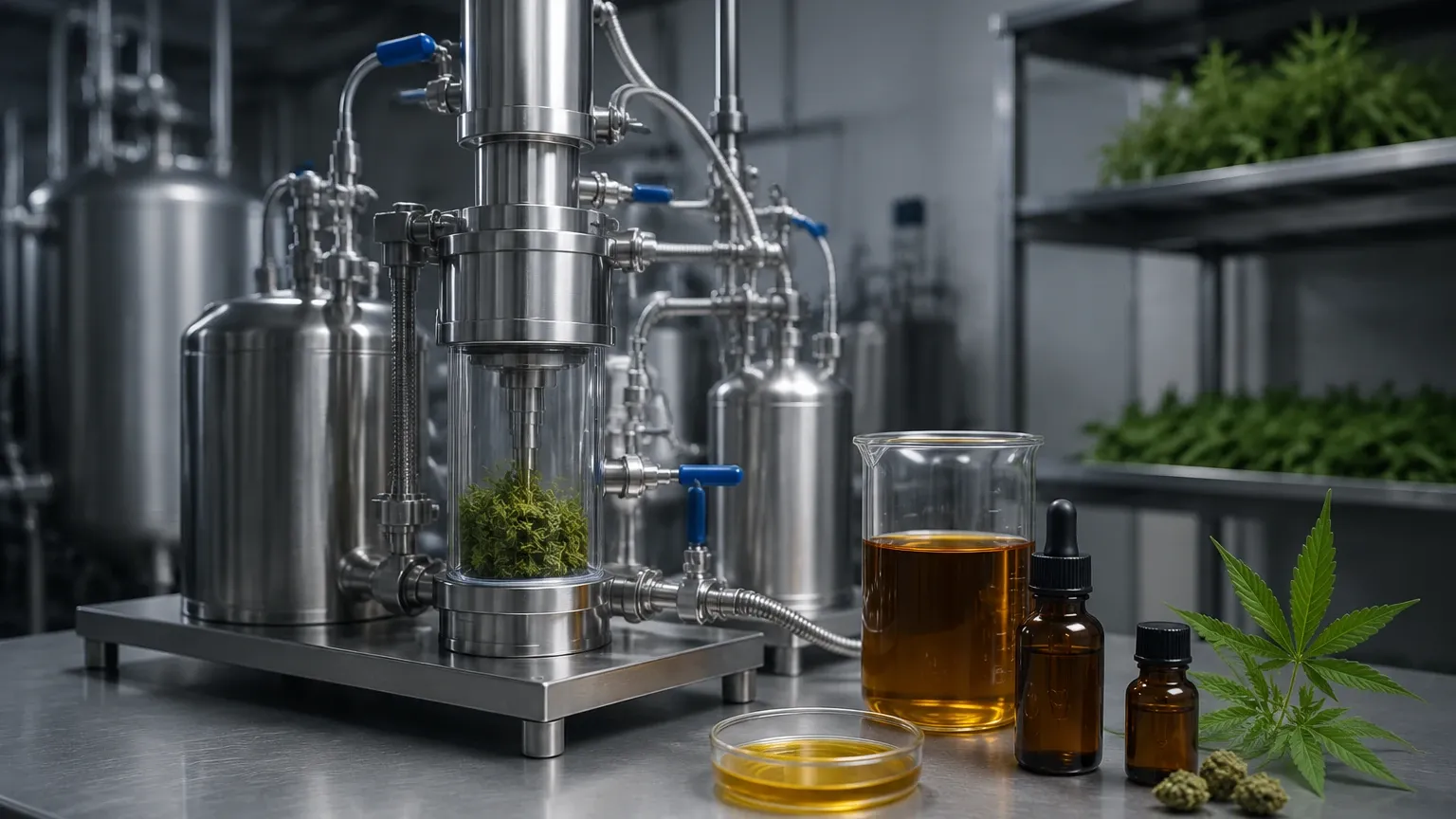
In the rapidly evolving botanical processing industry, cbd oil extraction equipment represents a sophisticated integration of chemical engineering and precision instrumentation. To achieve high-purity yields of cannabidiol (CBD) from hemp biomass, operators must manage complex variables including pressure, temperature, and solvent levels. This article provides a technical overview of the instrumentation required to monitor and control these processes, focusing on the level measurement technologies that ensure safety and efficiency in industrial extraction skids.
Principles of Level Measurement in Extraction Processes
Before selecting specific cbd oil extraction equipment, it is essential to understand the physical principles governing level detection in volatile or high-pressure environments. In extraction, level sensors are used to monitor solvent reservoirs, extraction vessels, and recovery tanks.
1. Radar Level Measurement (ToF)
Radar sensors operate on the Time-of-Flight (ToF) principle. High-frequency microwave pulses are emitted toward the surface of the medium. The time taken for the signal to reflect back to the sensor is used to calculate the distance.
- Non-contact Radar: Uses an antenna to broadcast signals. It is ideal for corrosive solvents or high-pressure CO2 extraction because the sensor does not touch the medium.
- Guided Wave Radar (GWR): Uses a probe to guide the microwave signal. This is particularly effective in low-dielectric liquids like CBD oil or hydrocarbons, as the probe concentrates the energy, ensuring a reliable return signal even with surface turbulence.
2. Ultrasonic Level Measurement
Ultrasonic sensors emit high-frequency sound waves that reflect off the liquid surface. The distance is calculated based on the speed of sound. While cost-effective, these are sensitive to the vapor space composition. In cbd oil extraction equipment using ethanol, the vapor density can change the speed of sound, requiring temperature and gas-composition compensation.
3. Hydrostatic Pressure Measurement
This principle relies on the relationship between the liquid height and the pressure exerted at the bottom of the tank ($P = \rho gh$). By measuring the head pressure and knowing the density ($\rho$) of the solvent or oil, the level can be accurately determined. This is a common choice for atmospheric storage tanks in large-scale facilities.
Key Components of Cbd Oil Extraction Equipment
Industrial extraction systems are categorized by the solvent used. Each type requires specific instrumentation to maintain process stability.
CO2 Extraction Systems
Supercritical CO2 extraction uses carbon dioxide at high pressures (typically above 73.8 bar / 1070 psi) and temperatures (above 31.1°C). The equipment must withstand extreme pressure. Level measurement in the separator and collection vessels is critical to ensure that the crude oil is being recovered without gas bypass. Non-contact radar with high-pressure flanges is the preferred technology here.
Ethanol Extraction Systems
Ethanol is a common solvent for large-scale production. The process often involves "chilled ethanol" extraction at temperatures as low as -40°C to -80°C to prevent the co-extraction of waxes and chlorophyll. Instrumentation must be rated for low-temperature operation and must be explosion-proof (ATEX/IECEx) due to the flammability of the solvent. For more information on sensor specifications for these environments, you may visit the Main Page.
Hydrocarbon Extraction (Butane/Propane)
Hydrocarbon extraction utilizes liquefied petroleum gases. These systems operate at lower pressures than CO2 but require the highest level of ignition protection. Level sensors in these systems must provide precise feedback to prevent overfilling of the collection platters.
Selection Table for Level Instrumentation
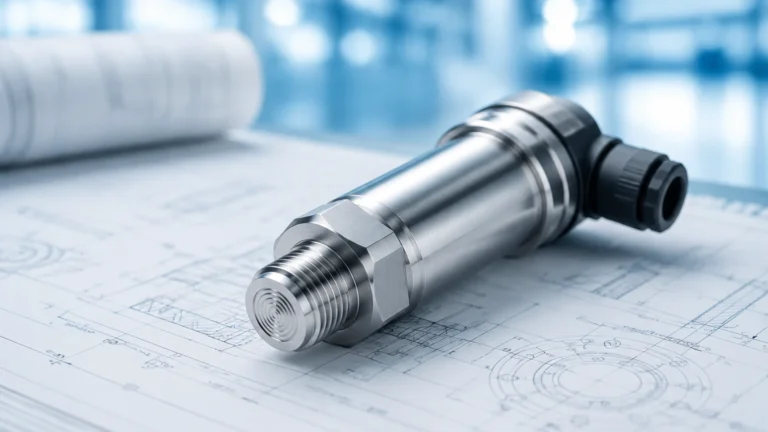
Choosing the right sensor for cbd oil extraction equipment depends on the specific stage of the process. The following table outlines typical recommendations:
| Process Phase | Typical Media | Temp. Range | Pressure Range | Recommended Sensor |
| :— | :— | :— | :— | :— |
| Primary Extraction | Ethanol / Biomass | -80°C to 20°C | Atmospheric | Guided Wave Radar |
| CO2 Separation | Supercritical CO2 | 31°C to 80°C | 75 to 500 bar | High-Pressure Radar |
| Solvent Recovery | Ethanol Vapor/Liquid | 30°C to 70°C | Vacuum to 2 bar | Ultrasonic or Hydrostatic |
| Decarboxylation | Crude CBD Oil | 100°C to 140°C | Atmospheric | Non-contact Radar |
| Winterization | Ethanol / Lipids | -40°C to -20°C | Atmospheric | Hydrostatic Transmitter |
Installation Considerations for Extraction Environments
Proper installation is as critical as sensor selection for the longevity of cbd oil extraction equipment.
1. Nozzle Geometry: For radar and ultrasonic sensors, the nozzle height and diameter must be considered to avoid signal interference. Internal obstructions like agitator blades or heating coils should be mapped out during commissioning.
2. Sanitary Requirements: CBD oil is a consumable product. Sensors must often meet food-grade or pharmaceutical standards (e.g., 3-A or EHEDG). This involves using Tri-Clamp fittings and stainless steel (316L) wetted parts with specific surface roughness (Ra < 0.8 μm).
3. Hazardous Area Classification: Most extraction facilities are classified as Class 1, Division 1 or Division 2 (C1D1/C1D2). All electronic level meters must be housed in explosion-proof enclosures or be intrinsically safe.
4. Vapor Management: In solvent recovery, heavy solvent vapors can attenuate ultrasonic signals. If using ultrasonic technology, ensure the sensor is positioned away from the fill stream and consider a model with advanced signal processing to filter out noise from vapor turbulence.
Technical Limitations and Challenges
While modern instrumentation is highly reliable, certain factors can impact the performance of level sensors within cbd oil extraction equipment:
* Low Dielectric Constants: CBD oil and many solvents have low dielectric constants ($ε_r$). Radar signals may pass through the liquid rather than reflecting off the surface. In these cases, Guided Wave Radar with a coaxial probe is necessary to amplify the return signal.
* Foaming: During the solvent evaporation or decarboxylation stages, the oil can foam significantly. Ultrasonic sensors often fail in foaming conditions as the foam absorbs the sound wave. Radar is generally more resistant to foam, though heavy, dense foam may still require a stilling well or a GWR probe.
* Temperature Gradients: Rapid cooling or heating in extraction vessels can cause condensation on the sensor face. Sensors with specialized antenna coatings (like PTFE) are recommended to prevent droplet buildup from interfering with the measurement.
Frequently Asked Questions (FAQ)
Q: Why is level measurement more difficult in CO2 extraction than ethanol extraction?
A: CO2 extraction involves much higher pressures and the fluid exists in a supercritical state where the boundary between liquid and gas is less distinct. This requires sensors that can handle both the physical pressure and the unique dielectric properties of supercritical fluids.
Q: Can I use a standard water level sensor for CBD oil?
A: Generally, no. CBD oil is more viscous and has a much lower dielectric constant than water. Furthermore, standard sensors may not meet the sanitary and explosion-proof requirements necessary for cbd oil extraction equipment.
Q: How does agitation affect level readings?
A: Agitation creates surface turbulence and vortices. This can cause erratic readings in ultrasonic and non-contact radar sensors. Using a stilling well or a Guided Wave Radar probe can stabilize the reading by isolating the measurement area from the turbulence.
Q: What maintenance is required for level sensors in extraction skids?
A: Regular inspection of wetted parts for residue buildup (especially in crude oil tanks) is essential. Calibration should be verified annually, particularly for hydrostatic sensors where the diaphragm may fatigue over time or be affected by density changes in the product.
Conclusion
Selecting the appropriate level measurement technology is a fundamental aspect of designing and operating efficient cbd oil extraction equipment. By understanding the principles of radar, ultrasonic, and hydrostatic measurement, engineers can ensure that their systems operate within safe limits while maximizing solvent recovery and product purity. As the industry moves toward greater automation, the role of precise, digital level instrumentation will only become more vital in maintaining the competitive edge of extraction facilities.