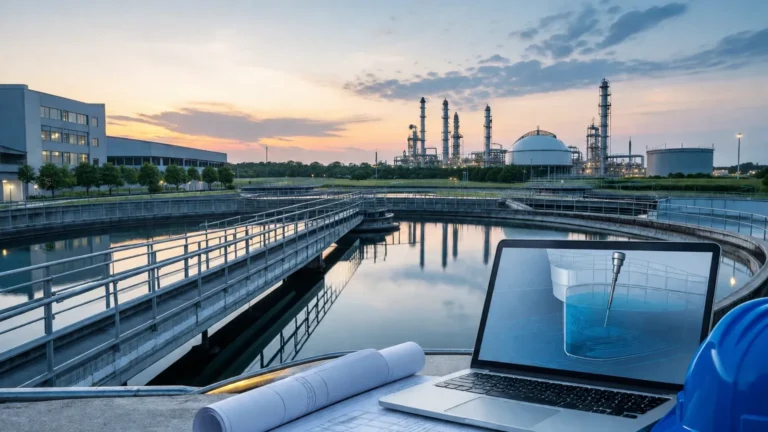
Engineered Equipment
Engineered Equipment
In the landscape of industrial automation and process control, the term "engineered equipment" refers to specialized components and systems designed to meet the rigorous demands of specific applications. Unlike off-the-shelf commodities, engineered equipment is selected and configured based on precise technical parameters, including chemical compatibility, pressure ratings, temperature extremes, and environmental conditions. Within the field of level measurement, this engineering-first approach is essential to ensure safety, accuracy, and operational efficiency in industries such as chemical processing, water treatment, and oil and gas.
Selecting the right instrumentation requires a deep understanding of the physics behind different measurement technologies. This guide explores the principles of modern level measurement, provides a framework for evaluating engineered equipment, and outlines practical considerations for successful implementation.
Principles of Level Measurement Technology
Before specifying engineered equipment for a project, it is vital to understand how different sensors interact with the process media. Each technology has unique strengths and physical limitations.
Radar Level Measurement (Non-Contact)
Radar level meters utilize electromagnetic waves to determine the distance to a liquid or solid surface. Most modern industrial radar units operate on either Pulse Radar or Frequency Modulated Continuous Wave (FMCW) principles.
* Pulse Radar: The sensor emits a short microwave pulse that travels to the product surface, reflects, and returns to the antenna. The time-of-flight (ToF) is measured to calculate the distance.
* FMCW Radar: The sensor emits a continuous signal with a constantly changing frequency. The difference in frequency between the emitted and received signal is proportional to the distance. FMCW is often preferred for its higher precision and better signal-to-noise ratio in complex environments.
Radar technology is highly valued in the category of engineered equipment because it is unaffected by changes in pressure, temperature, or vacuum. However, the dielectric constant (εr) of the medium is a critical factor; materials with very low dielectric constants reflect less energy, requiring more sensitive antenna designs or guided wave radar (GWR) alternatives.
Ultrasonic Level Sensors
Ultrasonic sensors function by emitting high-frequency sound waves. These waves reflect off the surface of the medium and return to the transducer. The distance is calculated based on the speed of sound in the air or gas above the liquid.
Because the speed of sound is influenced by air temperature, high-quality ultrasonic engineered equipment includes integrated temperature compensation. These sensors are cost-effective for water and wastewater applications but may struggle in environments with heavy foam, steam, or high-pressure gas layers, which can attenuate or scatter the sound waves.
Hydrostatic Level Transmitters
Hydrostatic measurement is based on the principle that the pressure at a specific point in a liquid is proportional to the height of the liquid column above it ($P = \rho gh$). A pressure transmitter installed at the bottom of a tank measures the head pressure exerted by the liquid.
In many industrial setups, this involves a submersible probe or a flange-mounted diaphragm seal. For tanks under pressure, a differential pressure (DP) approach is required to subtract the headspace pressure from the total pressure at the bottom. This technology is robust and reliable, provided the density ($\rho$) of the liquid remains relatively constant.
Magnetic Level Gauges
Magnetic level gauges (MLGs) provide a visual indication and can be equipped with transmitters for remote monitoring. They operate on the principle of buoyancy and magnetic coupling. A float containing a permanent magnet moves up and down inside a bypass chamber. As the float moves, it flips magnetic flags or rollers on an external scale and can simultaneously actuate a reed chain or magnetostrictive transmitter. This technology is ideal for high-pressure or hazardous liquids where direct contact with a glass gauge would be unsafe.
Key Evaluation Criteria for Engineered Equipment
When evaluating engineered equipment for level measurement, engineers must look beyond the basic measurement range. The following criteria are essential for long-term reliability:
1. Chemical Compatibility: The wetted materials (e.g., 316L stainless steel, PTFE, Hastelloy, or PVC) must be resistant to the process media to prevent corrosion and sensor failure.
2. Process Conditions: Maximum and minimum operating temperatures and pressures must fall within the sensor’s certified limits. For instance, high-temperature steam applications may require specialized cooling fins or remote electronics.
3. Accuracy and Repeatability: Determine if the process requires high-precision custody transfer accuracy (often ±1 mm) or if general process control accuracy (±5 mm to ±10 mm) is sufficient.
4. Signal Output and Integration: Modern systems often require 4-20mA HART, Modbus RS485, or Profibus protocols to integrate seamlessly with existing PLC or SCADA systems.
5. Hazardous Area Certifications: Equipment used in flammable or explosive environments must carry appropriate ratings such as ATEX, IECEx, or SIL (Safety Integrity Level) certifications.
Selection Table: Technology Comparison
| Technology | Typical Accuracy | Best Applications | Major Limitations |
| :— | :— | :— | :— |
| Radar (80GHz) | ±1 mm to ±3 mm | Chemicals, hydrocarbons, solids | Low dielectric media (requires GWR) |
| Ultrasonic | ±0.25% of range | Water, wastewater, open channels | Affected by foam, steam, and vacuum |
| Hydrostatic | ±0.1% to ±0.5% | Deep wells, vented tanks, oils | Requires constant liquid density |
| Magnetic Gauge | ±5 mm (visual) | High-pressure boilers, acids | Moving parts subject to fouling |
| Level Switch | N/A (Point level) | Overfill protection, pump control | Only detects a single point |
Installation Considerations and Best Practices
Even the most advanced engineered equipment will fail to perform if installed incorrectly. Proper placement is the most critical factor in achieving a stable signal.
* Nozzle Geometry: For radar and ultrasonic sensors, the nozzle height and diameter must not interfere with the signal beam. Internal obstructions like ladders, agitators, or heating coils should be avoided. If obstructions are present, a "false echo suppression" or "map" must be configured in the software.
* Stilling Wells and Bypass Chambers: In turbulent tanks or those with heavy foam, installing the sensor inside a stilling well (a vertical pipe) can provide a calm surface for measurement. This is common in oil-water separators and agitated chemical reactors.
* Venting and Condensation: For hydrostatic sensors in vented tanks, the breather tube in the cable must remain unobstructed to allow for atmospheric pressure compensation. For radar sensors in high-humidity environments, an antenna with a PTFE drip shield can prevent condensation buildup from blocking the signal.
* Mounting Position: Sensors should generally not be mounted in the center of a tank (to avoid multiple reflections from the tank walls) or too close to the fill inlet (to avoid interference from the incoming product stream).
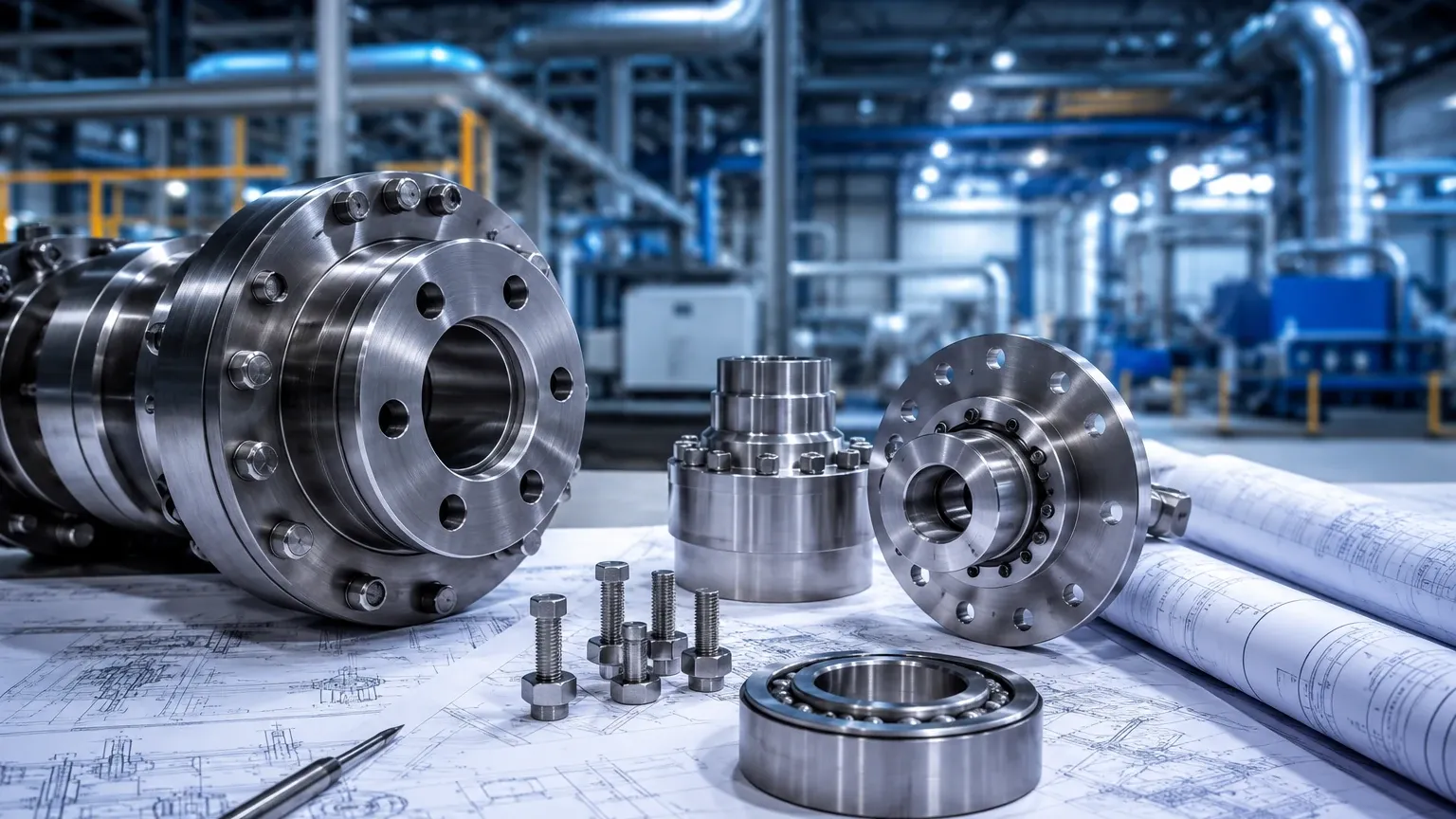
Common Risks and Limitations
While engineered equipment is designed for durability, certain environmental factors can pose risks:
* Build-up and Scaling: In wastewater or mining slurries, material can build up on the sensor face. Non-contact sensors are generally better here, but even they may require periodic cleaning or air purging.
* Turbulence and Surface Ripples: Rapidly moving liquid surfaces can scatter radar or ultrasonic signals. Using software damping or physical stilling wells is the standard engineering solution.
* Ambient Noise: In ultrasonic applications, high-frequency noise from pneumatic valves or machinery can occasionally interfere with the sensor’s acoustic signal.
Frequently Asked Questions (FAQ)
Q: How do I choose between Radar and Ultrasonic sensors?
A: Choose radar if you have high pressure, high temperature, or varying gas compositions in the headspace. Choose ultrasonic for simpler, ambient-pressure water or chemical storage applications where cost-effectiveness is a priority.
Q: What is the significance of the 80GHz frequency in radar?
A: Higher frequency (80GHz) allows for a narrower beam angle and a smaller antenna. This makes it easier to install in small nozzles and helps the signal avoid internal tank obstructions.
Q: Can hydrostatic sensors measure the level of two different liquids (interface)?
A: Hydrostatic sensors measure total head pressure. They can only measure interface level if the total level is constant and the densities of the two liquids are known and stable. Otherwise, Guided Wave Radar or Magnetic Level Gauges are better suited for interface measurement.
Q: What maintenance does engineered level equipment require?
A: Non-contact sensors are largely maintenance-free. Contact sensors like hydrostatic probes or magnetic floats should be inspected periodically for corrosion, scaling, or mechanical wear, especially in aggressive chemical environments.
Conclusion
The successful deployment of engineered equipment in industrial level measurement depends on a rigorous selection process that aligns technology with application reality. By understanding the physics of radar, ultrasonic, and hydrostatic measurement, and by adhering to strict installation guidelines, engineers can ensure long-term accuracy and safety. For a comprehensive overview of available technologies and technical specifications, visit the Main Page to explore specific model options and application support. Whether managing water resources or complex chemical reactions, the right engineered solution provides the data necessary for optimized process control.