Katharometer
Katharometer
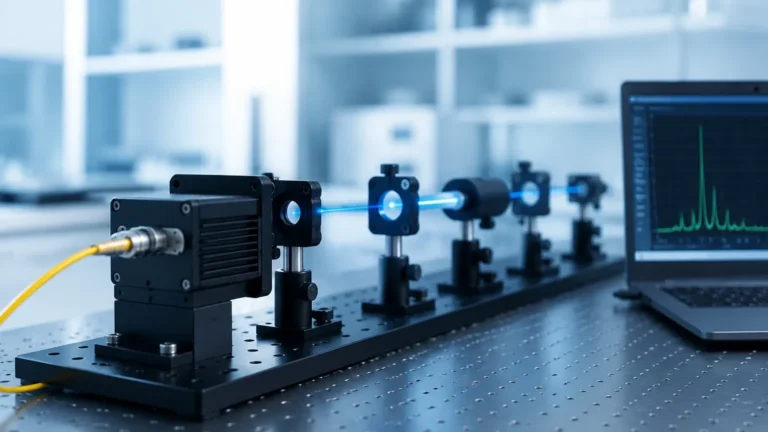
In the field of industrial gas analysis and process control, the katharometer remains a fundamental instrument for determining gas composition. Often referred to as a thermal conductivity detector (TCD), the katharometer operates on the principle that different gases possess distinct abilities to conduct heat. This physical property allows for the non-destructive analysis of binary gas mixtures or the detection of components in a carrier gas stream, making it a staple in industries ranging from power generation to chemical processing.
While industrial facilities often prioritize level measurement for inventory management—utilizing technologies found on the Main Page of instrumentation providers—the monitoring of the gas phase above a liquid is equally critical for safety and process efficiency. The katharometer provides the necessary data to ensure that gas blankets, cooling mediums, and process byproducts remain within specified parameters.
Understanding the Measurement Principle of the Katharometer
The fundamental operation of a katharometer is based on the relationship between the composition of a gas and its thermal conductivity. Thermal conductivity is a measure of a substance's ability to transfer heat. In a gas, this transfer occurs through the kinetic energy exchange of molecules.
The Thermal Conductivity Constant
Every gas has a specific thermal conductivity coefficient ($λ$). For instance, hydrogen (H₂) and helium (He) have significantly higher thermal conductivities than air, oxygen, or nitrogen. Conversely, heavier gases like carbon dioxide (CO₂) or many hydrocarbons have lower thermal conductivities than air. By measuring the rate at which heat is dissipated from a source into a surrounding gas sample, the instrument can determine the concentration of a specific gas within a known mixture.
The Wheatstone Bridge Circuit
To translate these thermal changes into a readable electrical signal, the katharometer typically employs a Wheatstone bridge circuit. The device consists of two or four cells containing electrically heated elements, usually fine wires or thermistors.
1. Reference Cell: This cell contains a reference gas with a known, constant thermal conductivity (often nitrogen or the carrier gas used in a system).
2. Sample Cell: This cell is exposed to the process gas or the effluent from a chromatography column.
When the gas in the sample cell changes composition, its thermal conductivity shifts. This causes the temperature of the heated element in the sample cell to change, which in turn alters its electrical resistance. The resulting imbalance in the Wheatstone bridge generates a voltage output proportional to the change in gas concentration. This precision is vital in industrial automation where even minor fluctuations in gas purity can impact the performance of other sensors, including those used for level measurement.
Core Components and Technical Design
A robust industrial katharometer is designed to withstand harsh process environments while maintaining high sensitivity. The construction typically involves several key components:
* The Sensing Element (Filament): Filaments are usually made from materials with a high temperature coefficient of resistance, such as tungsten, tungsten-rhenium, or platinum. For applications involving corrosive gases, gold-plated or specialized alloy filaments are utilized.
* The Detector Block: This is a solid mass, often constructed from stainless steel or aluminum, which houses the cells. The block acts as a heat sink, ensuring that the ambient temperature of the cells remains stable. High-precision applications may include an integrated heater and thermostat to maintain the block at a constant temperature (e.g., 50°C or 100°C).
* Electronics Enclosure: Modern katharometers include sophisticated signal processing electronics that linearize the output, provide temperature compensation, and offer digital communication protocols (such as 4-20mA, HART, or Modbus) for integration into a plant's DCS (Distributed Control System).
Industrial Applications and Use Cases
The versatility of the katharometer allows it to be used in various critical industrial scenarios. Its ability to provide continuous, real-time data makes it indispensable for process safety.
Hydrogen Purity Monitoring
In power plants, hydrogen is frequently used as a coolant for large generators due to its high thermal conductivity and low viscosity. However, the hydrogen must remain pure; the ingress of air can create an explosive mixture. A katharometer continuously monitors the H₂ purity, providing an immediate alert if the concentration falls below a safe threshold (typically 95-97%).
Gas Chromatography (GC)
As a detector in gas chromatography, the katharometer is prized for being universal. Unlike Flame Ionization Detectors (FID), which only detect hydrocarbons, a TCD can detect almost any substance that has a thermal conductivity different from the carrier gas. This makes it ideal for analyzing inorganic gases like Ar, N₂, and CO₂.
Biogas and Landfill Gas Analysis
In renewable energy applications, katharometers are used to measure the methane (CH₄) content in biogas. Since methane and carbon dioxide have different thermal conductivities, the instrument can provide a reliable estimate of the fuel quality before it is sent to a combustion engine or turbine.
Selection Criteria for Thermal Conductivity Detectors
Selecting the right katharometer requires an understanding of the specific gas matrix and the environmental conditions. Engineers should use the following table as a preliminary guide for evaluating detector suitability.
| Feature | Specification/Requirement | Engineering Consideration |
| :— | :— | :— |
| Filament Material | Tungsten, Platinum, Gold-plated | Choose based on chemical compatibility with the sample gas. |
| Measurement Range | 0-1% to 0-100% | Sensitivity decreases as the range widens. |
| Response Time (T90) | < 5 to 30 seconds | Depends on the cell volume and flow rate. |
| Operating Temperature | Up to 200°C | High-temperature versions are required for heavy vapors. |
| Accuracy | ±1% to ±2% of Full Scale | Requires stable flow and temperature control. |
| Hazardous Area Rating | ATEX/IECEx Zone 1 or 2 | Essential for hydrogen or methane applications. |
When integrating these detectors into a broader system that includes level sensors and pressure transmitters, it is important to consult a comprehensive Main Page of industrial instrumentation to ensure all components are compatible with the process media.
Installation Guidelines and Best Practices
To achieve the rated accuracy of a katharometer, proper installation is mandatory. Because the device measures heat transfer, it is highly sensitive to any external factor that might influence the temperature of the filament.
1. Flow Control: The flow rate through the sample cell must be kept constant. Fluctuations in flow can be misinterpreted by the detector as changes in gas concentration. Most systems use a pressure regulator and a needle valve to maintain a steady flow (typically between 20 and 100 ml/min).
2. Temperature Stability: The katharometer should be installed in a location free from significant temperature swings. If possible, use a temperature-controlled enclosure. Avoid mounting the unit near steam lines or large motors.
3. Vibration Mitigation: Sensitive filaments can be affected by extreme vibration. In industrial settings, use anti-vibration mountings if the detector is installed near pumps or compressors.
4. Gas Conditioning: The sample gas must be clean and dry. Moisture or particulates can coat the filament, changing its resistance and leading to measurement drift. Coalescing filters and desiccant dryers are common pre-treatment components.
Operational Limitations and Maintenance
While the katharometer is a reliable and low-maintenance tool, it is not without limitations. Understanding these boundaries is essential for practical engineering.
* Non-Specificity: The katharometer is a non-specific detector. In a multi-component gas mixture (more than two gases), it cannot distinguish which specific gas has changed concentration unless the ratios of the other gases remain constant. For complex mixtures, a gas chromatograph is required to separate the gases before they reach the katharometer.
* Filament Burnout: If the carrier gas flow is interrupted while the filaments are powered, they can overheat and burn out. Many modern units include a "flow alarm" that automatically cuts power to the bridge if flow is lost.
* Sensitivity to Ambient Pressure: Changes in barometric pressure can affect the density of the gas in the cell, influencing the thermal conductivity measurement. In high-precision applications, pressure compensation is necessary.
Maintenance typically involves periodic calibration using certified span gases. For most industrial applications, a monthly or quarterly calibration check is sufficient to account for any minor electronic drift or filament aging.
Frequently Asked Questions
Q: Can a katharometer be used to detect leaks?
A: Yes. Portable katharometers are frequently used for leak detection in pressurized systems containing helium or hydrogen. Because these gases have very high thermal conductivity, even a small leak is easily detected against the background of ambient air.
Q: How does a katharometer compare to an electrochemical sensor?
A: Katharometers are generally more robust and have a longer lifespan because they do not rely on chemical reactions that consume electrolytes. However, electrochemical sensors are often more specific to a particular gas (like O₂ or CO) and can be more sensitive at very low (ppm) levels.
Q: Is the katharometer affected by the orientation of the instrument?
A: In some high-sensitivity designs, convection currents within the cell can be affected by orientation. It is generally recommended to install the instrument in the orientation specified by the manufacturer (usually vertical or horizontal) to ensure consistent heat transfer characteristics.
Q: What is the typical lifespan of a katharometer filament?
A: Under normal operating conditions with clean, non-corrosive gases, a filament can last several years. However, exposure to corrosive agents or physical shock can significantly shorten this lifespan.
For engineers seeking to optimize their process control through integrated level and gas analysis, reviewing a wide range of measurement technologies is the first step. Reliable data from instruments like the katharometer, paired with accurate level sensing, ensures the safety and efficiency of modern industrial operations.