Non Contact Ultrasonic Level Sensor
Non Contact Ultrasonic Level Sensor
In the landscape of industrial automation and process control, the non contact ultrasonic level sensor has emerged as a cornerstone technology for monitoring liquid and solid levels. Unlike traditional contact-based methods such as floats or displacers, ultrasonic sensors operate without physically touching the medium. This fundamental characteristic reduces maintenance requirements, prevents contamination, and extends the operational lifespan of the instrument in challenging environments. As industries move toward higher levels of digitalization and precision, understanding the engineering principles and selection criteria for these sensors is essential for optimizing plant efficiency.
Measurement Principle of Ultrasonic Technology
The operation of a non contact ultrasonic level sensor is based on the "Time of Flight" (ToF) principle. The device consists of a transducer containing piezoelectric crystals that convert electrical energy into high-frequency sound waves. These acoustic pulses travel through the air or gas space above the material being measured.
The Time of Flight Calculation
When the sound wave reaches the surface of the medium (liquid or solid), it is reflected back toward the sensor. The transducer then switches to a receiving mode to capture the returning echo. The internal electronics calculate the distance between the sensor face and the material surface using the following formula:
Distance (D) = (Speed of Sound × Time) / 2
Since the sensor is mounted at a fixed height (the reference point), the actual level of the material is determined by subtracting the measured distance from the total height of the tank or vessel.
Temperature Compensation
The speed of sound in air is approximately 343 m/s at 20°C, but it fluctuates significantly with temperature changes (increasing by about 0.6 m/s per degree Celsius). To maintain accuracy, high-quality sensors like those found on the Welk Main Page incorporate integrated temperature sensors. These components provide real-time data to the microprocessor, allowing it to automatically adjust the distance calculation based on the ambient air temperature within the vessel.
Key Advantages for B2B Applications
Adopting non-contact measurement offers several strategic advantages for industrial operators:
1. Zero Maintenance: Because there are no moving parts and no contact with the medium, there is no risk of mechanical wear, material buildup, or corrosion on the sensing element.
2. Versatility: These sensors are suitable for a wide range of fluids, including corrosive chemicals, wastewater, and viscous oils, provided the surface is reflective to sound.
3. Safety and Hygiene: In the food, beverage, and pharmaceutical sectors, non-contact measurement ensures that the sensor does not contaminate the product, maintaining strict sanitary standards.
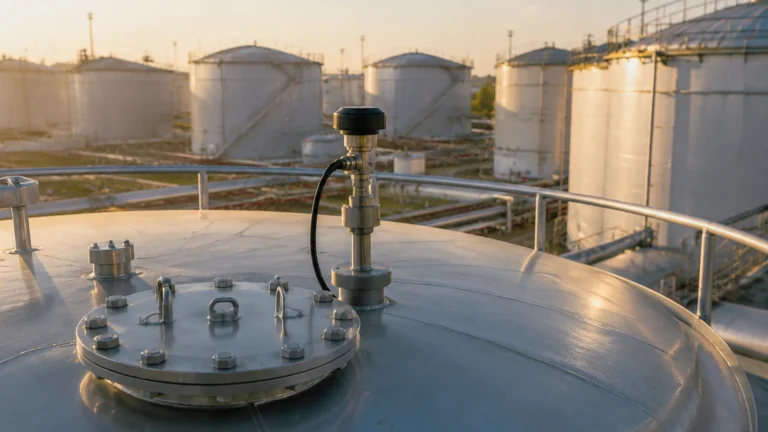
4. Ease of Installation: Most units can be installed through a standard flange or threaded opening at the top of the tank, requiring no modifications to the tank bottom or sides.
Selection Criteria for Industrial Level Sensors
Choosing the right non contact ultrasonic level sensor requires a detailed analysis of the application environment. Engineers must look beyond the basic measurement range and consider the physical properties of the medium and the vessel geometry.
Practical Selection Table
| Parameter | Standard Industrial Model | High-Performance Model | Heavy-Duty / Long Range |
| :— | :— | :— | :— |
| Measurement Range | 0.3m to 5m (1ft to 16ft) | 0.4m to 15m (1.3ft to 49ft) | Up to 30m (98ft) |
| Accuracy | ±0.5% of Full Scale | ±0.25% of Full Scale | ±0.2% of Full Scale |
| Beam Angle | 10° – 12° | 6° – 8° | 5° |
| Housing Material | ABS / Nylon | PVDF / Stainless Steel | Aluminum Alloy / SS316 |
| Output Options | 4-20mA / HART | 4-20mA / Modbus RTU | RS485 / Profibus |
| Protection Rating | IP65 | IP67 / IP68 | IP68 / Explosion Proof |
Critical Factors to Confirm
* The Blocking Distance (Dead Zone): Every ultrasonic sensor has a "dead zone" immediately below the transducer face (typically 0.2m to 0.5m) where it cannot receive an echo. The maximum level of the liquid must never enter this zone.
* Beam Angle and Vessel Obstructions: The ultrasonic pulse spreads out in a cone shape. If the beam hits internal obstructions like ladders, agitators, or heating coils, it will produce a false echo. Selecting a sensor with a narrower beam angle or using software-based "false echo suppression" is necessary in complex tanks.
* Surface Characteristics: A calm liquid surface provides the best reflection. Turbulent surfaces, foam, or floating debris can scatter or absorb the sound waves, leading to signal loss.
Installation Considerations and Best Practices
Proper installation is the most significant factor in the reliability of a non contact ultrasonic level sensor. Even the most advanced sensor will fail if positioned incorrectly.
Mounting Position
The sensor should be mounted perpendicular to the surface of the liquid. If the sensor is tilted, the echo may reflect away from the transducer rather than back to it. It should generally be placed at least 200mm (8 inches) away from the tank wall to avoid interference from wall reflections.
Avoiding Nozzles and Inlets
Do not install the sensor directly above the tank inlet or in the path of falling material. The turbulence and noise created by filling the tank will disrupt the ultrasonic signal. If a tall mounting nozzle is used, the diameter of the nozzle must be large enough to ensure the ultrasonic beam does not hit the nozzle walls before entering the tank.
Environmental Shielding
For outdoor installations, a sunshade is recommended to prevent the sensor housing from overheating, which can skew the internal temperature compensation readings. In applications with heavy condensation, a sensor with a specialized face material (like PTFE) can help shed water droplets that might otherwise block the signal.

Limitations and Common Risks
While highly effective, ultrasonic technology is not a universal solution. Engineers should be aware of the following limitations:
* Vacuum Conditions: Sound waves require a medium (gas/air) to travel. Therefore, ultrasonic sensors cannot function in a vacuum.
* High Pressure and Temperature: Extreme pressures (typically above 3 bar) can change the density of the gas space, affecting sound speed beyond the capacity of standard compensation. Similarly, temperatures exceeding 80°C (176°F) can damage standard transducers.
* Heavy Foam: Thick, dense foam acts as an acoustic absorber. In these cases, a radar-based level meter may be a more appropriate choice.
* Dust and Vapors: While light dust is manageable, extremely heavy dust or dense steam can attenuate the signal. For these environments, high-power transducers or alternative technologies should be evaluated via the Main Page resources.
Frequently Asked Questions (FAQ)
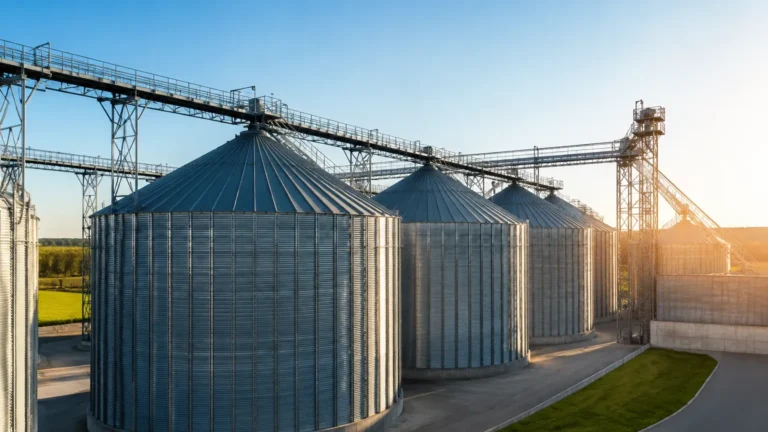
Q: Can an ultrasonic sensor measure the level of solids like grain or sand?
A: Yes, but with caveats. Solids often have an angle of repose that reflects the sound wave away from the sensor. Furthermore, solids absorb more sound than liquids. A sensor with a higher power output and a lower frequency is usually required for solid materials.
Q: How does the sensor handle agitators or mixers?
A: Most modern sensors include "Echo Processing" algorithms. The user can map out the fixed echoes caused by the agitator blades when the tank is empty. The sensor then ignores these specific distances during operation.
Q: What is the typical lifespan of a non-contact ultrasonic sensor?
A: In standard water or chemical storage applications, these sensors often last 7 to 10 years or more, as there is no physical degradation of the sensing element from the process medium.
Q: Is it possible to use these sensors in hazardous areas?
A: Yes, many models are available with ATEX or IECEx certifications for use in explosive atmospheres. These units are designed with intrinsically safe circuits or explosion-proof housings.
Conclusion and Next Steps
The non contact ultrasonic level sensor remains one of the most cost-effective and reliable tools for industrial level measurement. By eliminating contact with the process medium, it solves many of the maintenance and reliability issues associated with mechanical level gauges. However, successful implementation depends on matching the sensor's specifications—such as range, beam angle, and material compatibility—to the specific requirements of the application.
For technical professionals looking to integrate these solutions into their systems, it is recommended to confirm the vessel dimensions, the chemical nature of the medium, and the presence of any potential obstructions. For a comprehensive overview of available models and technical support for custom configurations, visit the Welk Main Page to explore professional-grade measurement instruments tailored for water treatment, chemical processing, and industrial automation.