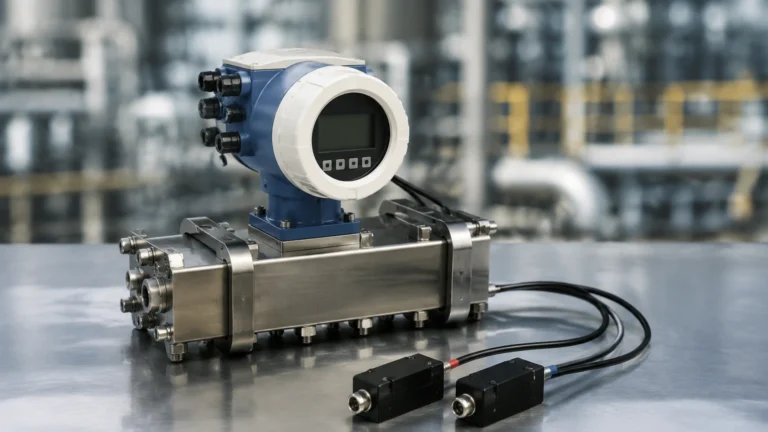
Polarographic Oxygen Analyzer
Polarographic Oxygen Analyzer
In industrial process control and environmental monitoring, the measurement of dissolved oxygen (DO) is a critical parameter for ensuring product quality, process efficiency, and regulatory compliance. Among the various technologies available for this purpose, the polarographic oxygen analyzer remains a cornerstone in chemical processing, wastewater treatment, and biotechnology. This guide provides a comprehensive technical overview of the polarographic measurement principle, selection criteria, and installation best practices for engineering professionals.
Measurement Principle of Polarographic Sensors
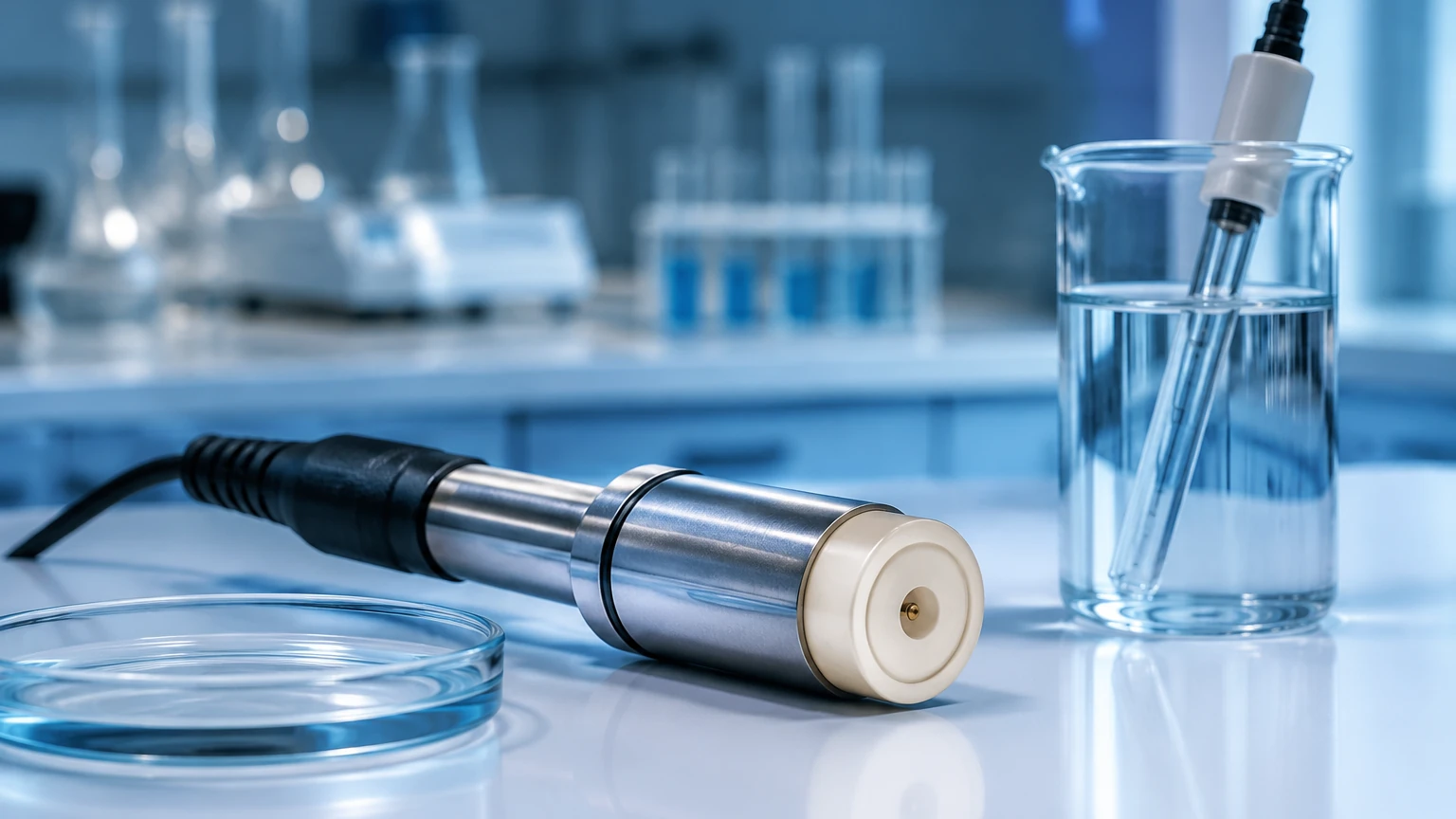
The polarographic oxygen analyzer, often referred to as a Clark electrode after its inventor Leland Clark, operates on electrochemical principles. The sensor consists of a cathode (typically gold or platinum) and an anode (typically silver/silver chloride) immersed in an alkaline electrolyte solution, such as potassium chloride (KCl). These components are separated from the process medium by a gas-permeable, hydrophobic membrane, usually made of PTFE (Polytetrafluoroethylene) or FEP (Fluorinated Ethylene Propylene).
The Electrochemical Reaction
To initiate measurement, an external polarizing voltage—typically between -600 mV and -800 mV—is applied to the electrodes. This voltage is specific to the reduction of oxygen. When oxygen molecules diffuse through the membrane into the electrolyte, they reach the cathode and undergo a chemical reduction:
O₂ + 2H₂O + 4e⁻ → 4OH⁻
Simultaneously, at the anode, silver is oxidized:
4Ag + 4Cl⁻ → 4AgCl + 4e⁻
This reaction generates an electrical current that is directly proportional to the partial pressure of oxygen in the sample. The analyzer's electronics then convert this current into a concentration value, such as milligrams per liter (mg/L) or parts per million (ppm).
The Role of the Membrane
The membrane is a critical component that serves two functions: it prevents the electrolyte from leaking into the process and protects the electrodes from fouling by non-gaseous contaminants. Because the sensor consumes oxygen during the measurement process, a steady supply of oxygen must diffuse through the membrane to maintain a stable signal. This leads to a "diffusion-limited" current, which is the basis for the sensor's accuracy.
Key Evaluation Criteria for Selection
Selecting the right polarographic oxygen analyzer requires an understanding of the specific process conditions. Unlike optical sensors, polarographic sensors are sensitive to flow and pressure changes, which must be accounted for during the specification phase. For a broader range of industrial instrumentation, including level and flow control, engineers often consult the Main Page of specialized manufacturers to ensure system compatibility.
Performance Specifications
When evaluating a polarographic oxygen analyzer, consider the following technical parameters:
| Feature | Typical Specification | Engineering Significance |
| :— | :— | :— |
| Measurement Range | 0–20 mg/L or 0–200% Saturation | Defines the limits of detection for the process. |
| Response Time (T90) | 30 to 90 seconds | Critical for fast-moving batch reactions. |
| Accuracy | ±1% of full scale | Ensures precision in sensitive chemical dosing. |
| Operating Temp | 0°C to 50°C (32°F to 122°F) | Limits the sensor's use in high-heat sterilization. |
| Pressure Rating | Up to 4 bar (approx. 58 psi) | Necessary for pressurized vessel monitoring. |
| Minimum Flow Rate | 0.3 m/s (approx. 1 ft/s) | Prevents oxygen depletion at the membrane surface. |
Temperature and Pressure Compensation
Oxygen solubility is highly dependent on temperature and atmospheric pressure. A professional-grade polarographic oxygen analyzer must include an integrated temperature sensor (such as a Pt100 or Pt1000) to provide automatic temperature compensation (ATC). Without this, a change in temperature would be incorrectly interpreted as a change in oxygen concentration. Similarly, if the process pressure fluctuates significantly, a pressure-compensated housing or software algorithm is required to maintain data integrity.
Practical Installation Considerations
Correct installation is paramount to the longevity and reliability of a polarographic oxygen analyzer. Because these sensors are "consumptive," their placement within a pipe or tank is more restricted than that of non-consumptive sensors.
Flow Requirements and Orientation
Because the sensor consumes oxygen at the cathode, a stagnant sample will result in an artificially low reading as the oxygen in the immediate vicinity of the membrane is depleted. Therefore, the sensor must be installed in a location with constant flow. If the process is static, a stirrer or a bypass pump system must be utilized.
In terms of orientation, the sensor should ideally be installed at an angle of at least 15° to 45° above the horizontal. This prevents air bubbles from becoming trapped against the membrane, which would cause erratic readings, and ensures that the internal electrolyte stays in contact with the electrodes.
Mounting Options
1. Immersion Probes: Used for open channels or tanks. These often require protective shrouds to prevent mechanical damage from debris.
2. In-line Flow Cells: Used for pipe installations. These are designed to maintain the required flow velocity across the membrane.
3. Retractable Assemblies: These allow the sensor to be removed for calibration or maintenance without shutting down the process line, which is essential for continuous 24/7 operations.
Maintenance and Calibration Protocols
Polarographic sensors require more frequent maintenance than their optical counterparts. The electrolyte is depleted over time, and the membrane can become coated with biological growth or chemical scale.
Routine Maintenance Tasks
* Electrolyte Replacement: Depending on the oxygen concentration and temperature, the electrolyte typically needs replacement every 3 to 6 months.
* Membrane Inspection: The membrane should be checked for tears, wrinkles, or fouling. A damaged membrane will allow the electrolyte to leak and the process fluid to poison the electrodes.
* Anode Cleaning: Over time, the silver anode will turn black due to the accumulation of silver chloride. Periodic cleaning with a mild abrasive or specialized cleaning solution is necessary to restore performance.
Calibration Procedures
Calibration should be performed regularly, ideally using a two-point method:
1. Zero-Point Calibration: Performed in an oxygen-free environment, such as pure nitrogen gas or a sodium sulfite solution. This accounts for any "dark current" in the electronics.
2. Slope Calibration: Usually performed in air-saturated water or water-saturated air. Since the oxygen content of ambient air is a constant 20.9%, air calibration is a convenient and highly accurate method for industrial field use.
Limitations and Interference Factors
While robust, the polarographic oxygen analyzer has specific limitations that engineers must manage:
* Hydrogen Sulfide (H₂S) Interference: H₂S can diffuse through the membrane and react with the electrolyte or the electrodes, leading to rapid sensor failure. In environments with high H₂S, specialized membranes or alternative technologies (like optical DO sensors) may be required.
* Warm-up Time: Polarographic sensors require a "polarization period" when first powered on. This can range from 15 minutes to several hours, during which the sensor stabilizes. If power is interrupted, the stabilization period must be repeated.
* Flow Sensitivity: As mentioned, the sensor is dependent on a minimum flow rate. In applications with low or intermittent flow, the readings will be unreliable.
Comparison: Polarographic vs. Galvanic vs. Optical
In the B2B procurement process, it is helpful to compare the polarographic oxygen analyzer with other common DO technologies:
| Technology | Pros | Cons |
| :— | :— | :— |
| Polarographic | Highly accurate, replaceable parts, long history of use. | Requires warm-up time, flow dependent, frequent maintenance. |
| Galvanic | No warm-up time, simpler electronics. | Shorter overall lifespan, electrolyte is always being consumed. |
| Optical (RDO) | No flow requirement, low maintenance, no H₂S interference. | Higher initial cost, membrane caps are expensive to replace. |
Frequently Asked Questions (FAQ)
Q: How long does a polarographic oxygen sensor last?
A: With proper maintenance, the sensor body can last several years. However, the membrane and electrolyte are consumables that typically last 3 to 6 months depending on the severity of the application.
Q: Why is my analyzer reading zero even in aerated water?
A: This is often caused by a depleted electrolyte, a disconnected polarizing voltage, or a completely fouled membrane. Check the internal electrolyte levels and ensure the transmitter is providing the correct bias voltage.
Q: Can I use a polarographic sensor in high-salinity water?
A: Yes, but salinity affects oxygen solubility. The analyzer must have a salinity correction factor entered into the software to provide an accurate mg/L reading.
Q: Is the polarographic oxygen analyzer suitable for explosive atmospheres?
A: Yes, provided it is used with an intrinsically safe (IS) barrier and housed in an appropriately rated enclosure (e.g., ATEX or Class I, Div 1). Because the sensor operates at very low currents and voltages, it is well-suited for hazardous areas.
Conclusion
The polarographic oxygen analyzer remains a vital tool for industrial process monitoring due to its proven accuracy and the ability to service individual components. By understanding the electrochemical principles and adhering to strict installation and maintenance protocols, engineering teams can achieve highly reliable dissolved oxygen data. For organizations looking to integrate these sensors into a broader automation strategy involving level, flow, and pressure measurement, visiting the Main Page of a dedicated instrumentation partner can provide the necessary technical support and product options to ensure a successful deployment.