Stormwater Lift Stations
Stormwater Lift Stations
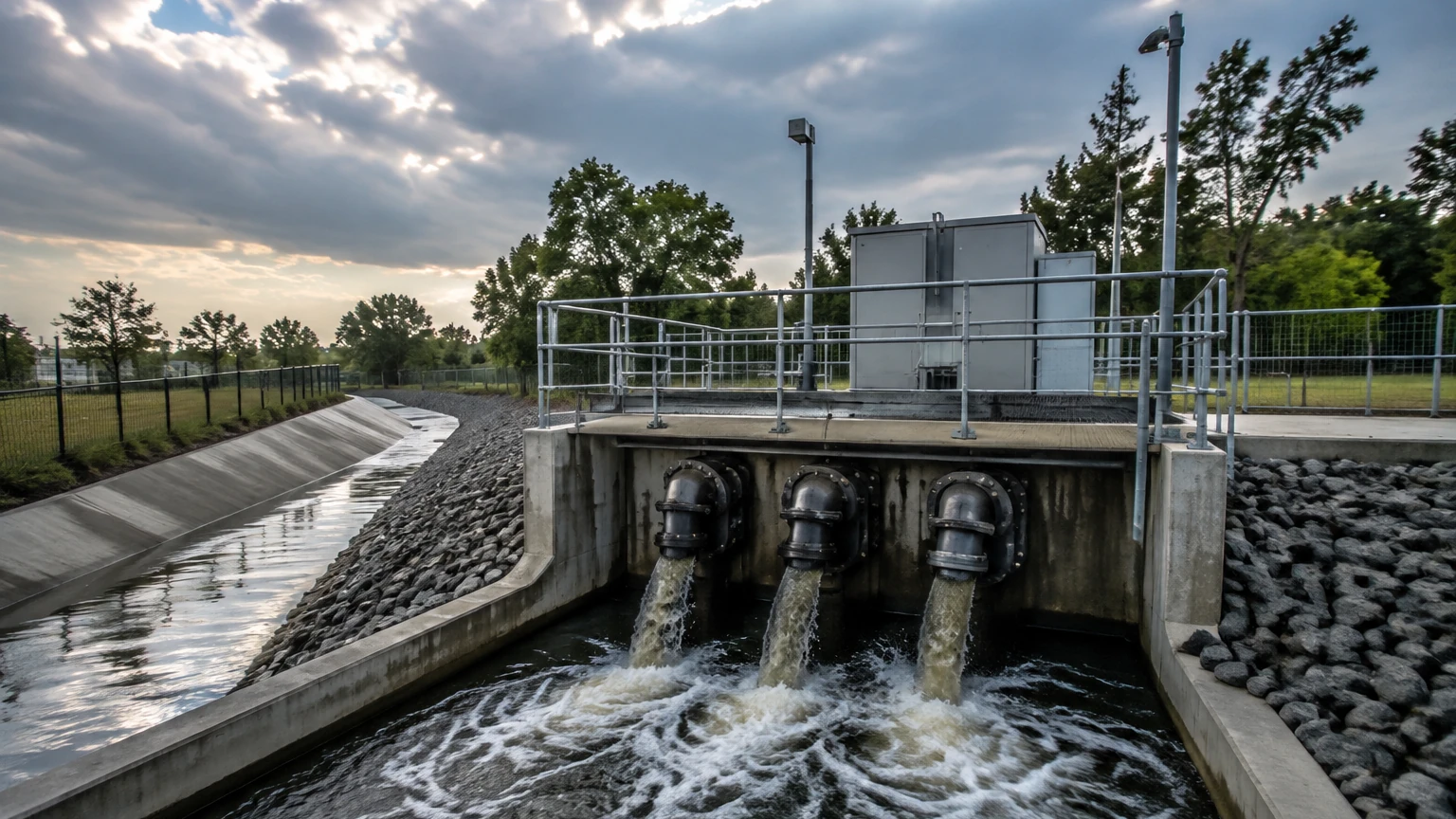
Stormwater lift stations, often referred to as stormwater pump stations, are critical infrastructure components designed to manage excess runoff in areas where gravity drainage is insufficient. These systems are essential for preventing localized flooding in urban environments, industrial complexes, and low-lying coastal regions. Unlike wastewater lift stations, which manage a relatively consistent flow of sewage, stormwater lift stations must handle highly variable flow rates, often transitioning from dormant states to maximum capacity within minutes during intense precipitation events.
The reliability of a stormwater lift station depends heavily on its control system, which in turn relies on accurate and robust level measurement. Precise monitoring of the wet well level ensures that pumps are activated at the correct intervals, preventing overflow and protecting pump motors from dry running or excessive cycling. This article explores the engineering principles, technology selection, and installation best practices for level instrumentation within stormwater lift stations.
Fundamental Level Measurement Principles
In the context of stormwater management, level measurement technologies are generally categorized into non-contact and contact methods. Each principle offers specific advantages depending on the physical characteristics of the stormwater and the design of the wet well.
Ultrasonic Level Measurement
Ultrasonic sensors operate on the Time-of-Flight (ToF) principle. The sensor, mounted at the top of the wet well, emits high-frequency sound pulses that travel through the air, reflect off the water surface, and return to the transducer. By measuring the time taken for the pulse to return and knowing the speed of sound, the instrument calculates the distance to the liquid surface.
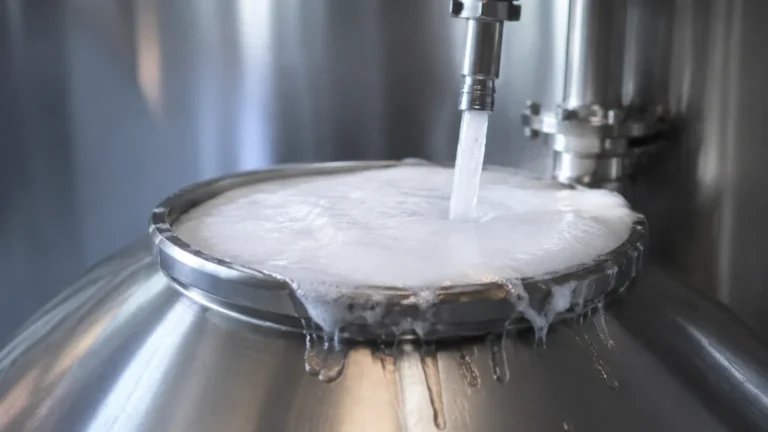
Ultrasonic sensors are popular for stormwater lift stations because they are non-contact, meaning they are not subject to corrosion or fouling from debris in the water. However, they are sensitive to air temperature fluctuations and heavy foam, which can absorb the acoustic signal.
Radar Level Measurement
Radar level meters also use the Time-of-Flight principle but employ electromagnetic microwave pulses rather than sound waves. These pulses travel at the speed of light and are virtually unaffected by air temperature, pressure, or the presence of vapors and dust. Radar is particularly effective in stormwater applications where rapid temperature changes occur during a storm or where high winds might disturb the air layer inside the wet well. Radar technology provides high precision and is increasingly favored for critical flood-control infrastructure.
Hydrostatic Level Measurement
Hydrostatic transmitters are contact-based sensors that measure the pressure exerted by the liquid column above the sensor. Based on the principle that the pressure at the bottom of a tank is proportional to the height of the liquid (P = ρgh), these submersible sensors provide a continuous level reading. They are relatively easy to install and are not affected by surface foam or floating debris. However, they must be robust enough to withstand the silt and sediment often found in stormwater runoff.
Point Level Switches
While continuous measurement is preferred for pump modulation, point level switches (such as float switches or conductive probes) are often used as redundant backups. These sensors trigger an alarm or an emergency pump start/stop if the primary continuous sensor fails or if the water reaches a critical high or low level.
Selecting Level Instruments for Stormwater Applications
Choosing the correct instrument for stormwater lift stations requires an evaluation of the specific environmental and operational conditions. Stormwater is rarely "clean"; it often carries silt, sand, organic debris, and occasionally hydrocarbon films from road runoff.
Evaluation Criteria
1. Turbulence and Inflow: During heavy rain, the inflow into a wet well can be extremely turbulent. Sensors must be able to filter out surface agitation to provide a stable reading.
2. Debris and Fouling: Floating trash, plastic bags, and branches can entangle contact-based sensors. Non-contact radar or ultrasonic sensors are typically preferred to minimize maintenance.
3. Range and Resolution: Wet wells for stormwater can vary from 2 meters (6.6 ft) to over 15 meters (49.2 ft) in depth. The chosen sensor must have a measuring range that covers the entire depth including the "dead zone" near the sensor face.
4. Environmental Conditions: In outdoor lift stations, sensors are exposed to humidity, extreme temperatures, and potential lightning strikes. IP68-rated housings and surge protection are standard requirements.
Practical Selection Table
| Technology | Contact Type | Accuracy | Resistance to Debris | Ideal Application |
| :— | :— | :— | :— | :— |
| Ultrasonic | Non-contact | High (±0.25%) | Excellent | Standard municipal wet wells with minimal foam. |
| Radar | Non-contact | Very High (±2mm) | Excellent | Critical infrastructure, deep wells, and high-vapor areas. |
| Hydrostatic | Contact | Moderate (±0.5%) | Good (if protected) | Small lift stations or retrofits where top-mounting is difficult. |
| Float Switch | Contact | Low (Point) | Poor | Redundant high-level alarm or emergency pump control. |
Installation and Engineering Best Practices
Proper installation is as critical as sensor selection. Even the most advanced radar level meter will fail to provide accurate data if it is positioned incorrectly within the stormwater lift station.
Positioning and Mounting
The sensor should be mounted in a location that provides a clear, unobstructed view of the water surface. It must be positioned away from the direct path of the inflow pipe to avoid turbulence and the "false echoes" created by falling water. For ultrasonic and radar sensors, the "beam angle" must be considered; the sensor should be far enough from the wet well walls to prevent the signal from reflecting off the concrete or internal piping.
Use of Stilling Wells
In applications with extreme turbulence or heavy foam, a stilling well (a vertical pipe submerged in the water) can be used. The stilling well provides a calm surface for the sensor to measure, effectively mechanical-filtering the turbulence. When using a stilling well with radar, a specialized through-air or guided-wave radar may be required to ensure the signal propagates correctly within the pipe.
Calibration and Dead Zones
Every non-contact sensor has a "dead zone" (or blocking distance) directly below the transducer face where measurement is impossible. Engineers must ensure the sensor is mounted high enough so that even at the maximum high-water level, the surface does not enter this dead zone. Calibration should be performed during commissioning to map out any fixed obstructions like ladders or pump supports that might cause interference.
Operational Limitations and Risk Mitigation
Despite the robustness of modern level instruments, stormwater lift stations present unique risks that must be mitigated through design and maintenance.
* Sedimentation: Hydrostatic sensors can become buried in silt over time, leading to inaccurate pressure readings. Regular cleaning of the wet well floor or the use of a protective cage around the sensor is necessary.
* Foam and Steam: Heavy rain hitting a warm wet well can create mist or steam. While radar is unaffected, ultrasonic sensors may require specialized software filters or increased power to penetrate these layers.
* Power Surges: Lift stations are often located in open areas, making them susceptible to lightning. All instrumentation should be equipped with lightning protection modules, and signal cables should be shielded and properly grounded.
* Redundancy: For high-consequence lift stations, a "2-out-of-3" (2oo3) voting logic using different technologies (e.g., one radar and two ultrasonic sensors) is often implemented to ensure the station remains operational even if one sensor fails.
Frequently Asked Questions (FAQs)
Q: Can I use an ultrasonic sensor if there is heavy foam in the stormwater?
A: Foam can absorb ultrasonic sound waves, leading to a loss of signal. If foam is a persistent issue, a radar level meter is a better choice as microwaves pass through foam and reflect off the liquid surface below.
Q: How often should level sensors in stormwater lift stations be calibrated?
A: While modern digital sensors are very stable, it is recommended to verify the calibration annually. For hydrostatic sensors, more frequent checks may be needed to ensure the breather tube is not blocked and the sensor is not silted over.
Q: Is radar technology too expensive for small municipal lift stations?
A: While the initial cost of radar is higher than ultrasonic or hydrostatic sensors, the long-term cost of ownership is often lower due to reduced maintenance and higher reliability. As technology has advanced, the price gap between radar and ultrasonic has narrowed significantly.
Q: What is the maximum distance a sensor can be from the control panel?
A: Most industrial level sensors use a 4-20mA current loop or Modbus RS485 communication. A 4-20mA signal can typically travel up to 1,000 meters (3,280 ft) without significant signal degradation, provided high-quality shielded cabling is used.
Conclusion
Effective management of stormwater lift stations is a cornerstone of urban flood resilience. By understanding the physics of level measurement—whether through ultrasonic, radar, or hydrostatic principles—engineers can specify systems that withstand the harsh, unpredictable nature of storm events. Proper selection and installation not only prevent environmental damage but also extend the lifespan of the pumping equipment. For technical specifications and to Review product options and application support, consulting with a specialized manufacturer like Welk ensures that the chosen instrumentation meets the rigorous demands of industrial and municipal water automation. Navigating the complexities of sensor integration is the first step toward building a more reliable and responsive stormwater infrastructure.