Toc Analysers
Toc Analysers
Total Organic Carbon (TOC) is a critical parameter in assessing the overall quality of water and process fluids across various industrial sectors. From ensuring the purity of pharmaceutical-grade water to monitoring effluent discharge in chemical plants, toc analysers provide the data necessary to maintain environmental compliance and process efficiency. While level measurement instruments, such as those found on our Main Page, manage the volume and inventory of these fluids, toc analysers provide the essential qualitative insight into organic loading.
Understanding the technology behind toc analysers, their integration with other process instruments, and the criteria for selection is vital for engineers and plant managers aiming for optimized automation and safety.
Understanding TOC Measurement Principles
Total Organic Carbon represents the amount of carbon found in an organic compound. In industrial water analysis, it serves as a non-specific indicator of water quality. The fundamental operation of toc analysers involves two primary steps: the oxidation of organic carbon into carbon dioxide (CO2) and the subsequent measurement of that CO2.
Oxidation Methods
The method used to convert organic carbon into CO2 determines the analyser's suitability for specific applications. There are three main oxidation techniques used in modern toc analysers:
1. High-Temperature Combustion: The sample is injected into a furnace heated to temperatures between 680°C and 1,200°C, often in the presence of a catalyst. This method is highly effective for samples containing high levels of particulates, salts, or complex organic molecules that are difficult to oxidize.
2. UV/Persulfate Oxidation: This wet chemical method uses ultraviolet light combined with a chemical oxidant (usually sodium persulfate). It is generally preferred for clean water applications, such as ultrapure water (UPW) or drinking water, where the organic load is relatively low.
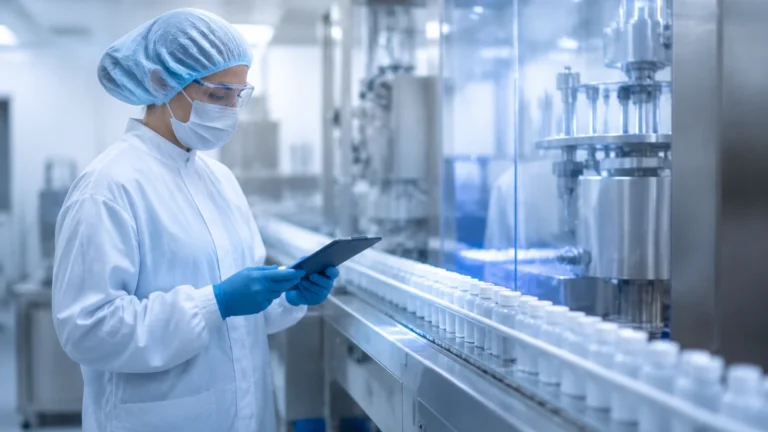
3. UV Oxidation (Photocatalytic): This method relies solely on UV light to oxidize organics. It is primarily used in the semiconductor and pharmaceutical industries for monitoring high-purity water where the TOC levels are in the parts-per-billion (ppb) range.
Detection Technologies
Once the carbon is oxidized to CO2, it must be quantified. The two most common detection methods are:
* Non-Dispersive Infrared (NDIR): This is the industry standard for most toc analysers. It measures the absorption of infrared light by the CO2 gas. NDIR is favored for its stability, wide dynamic range, and resistance to interference.
* Conductivity Detection: This method measures the change in electrolytic conductivity as CO2 is dissolved into deionized water. While highly sensitive for low-level TOC applications, it can be susceptible to interference from other ionic species if not properly managed via a CO2-selective membrane.
Types of TOC Analysers for Industrial Applications
Choosing between an online analyser and a laboratory-based system depends on the required frequency of data and the criticality of the process loop.
Online TOC Analysers
Online systems provide real-time or near-real-time monitoring. They are integrated directly into the process line or a bypass loop. These are essential for:
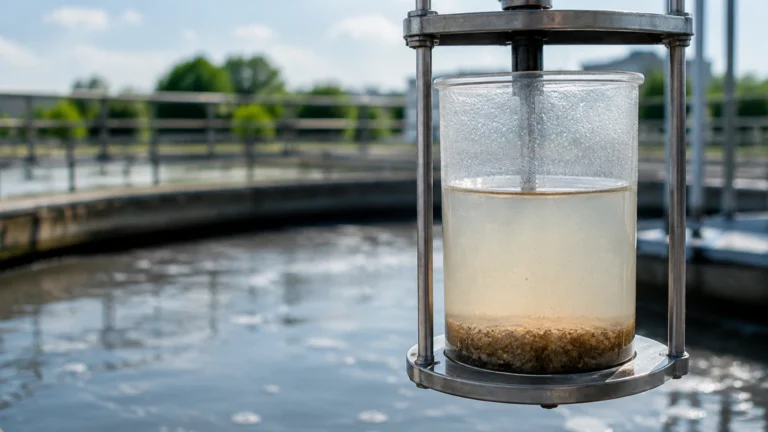
* Wastewater Treatment: Monitoring effluent to ensure compliance with discharge permits.
* Cooling Water: Detecting heat exchanger leaks by identifying organic ingress.
* Boiler Feedwater: Preventing organic contamination that can lead to foaming and boiler damage.
Laboratory TOC Analysers
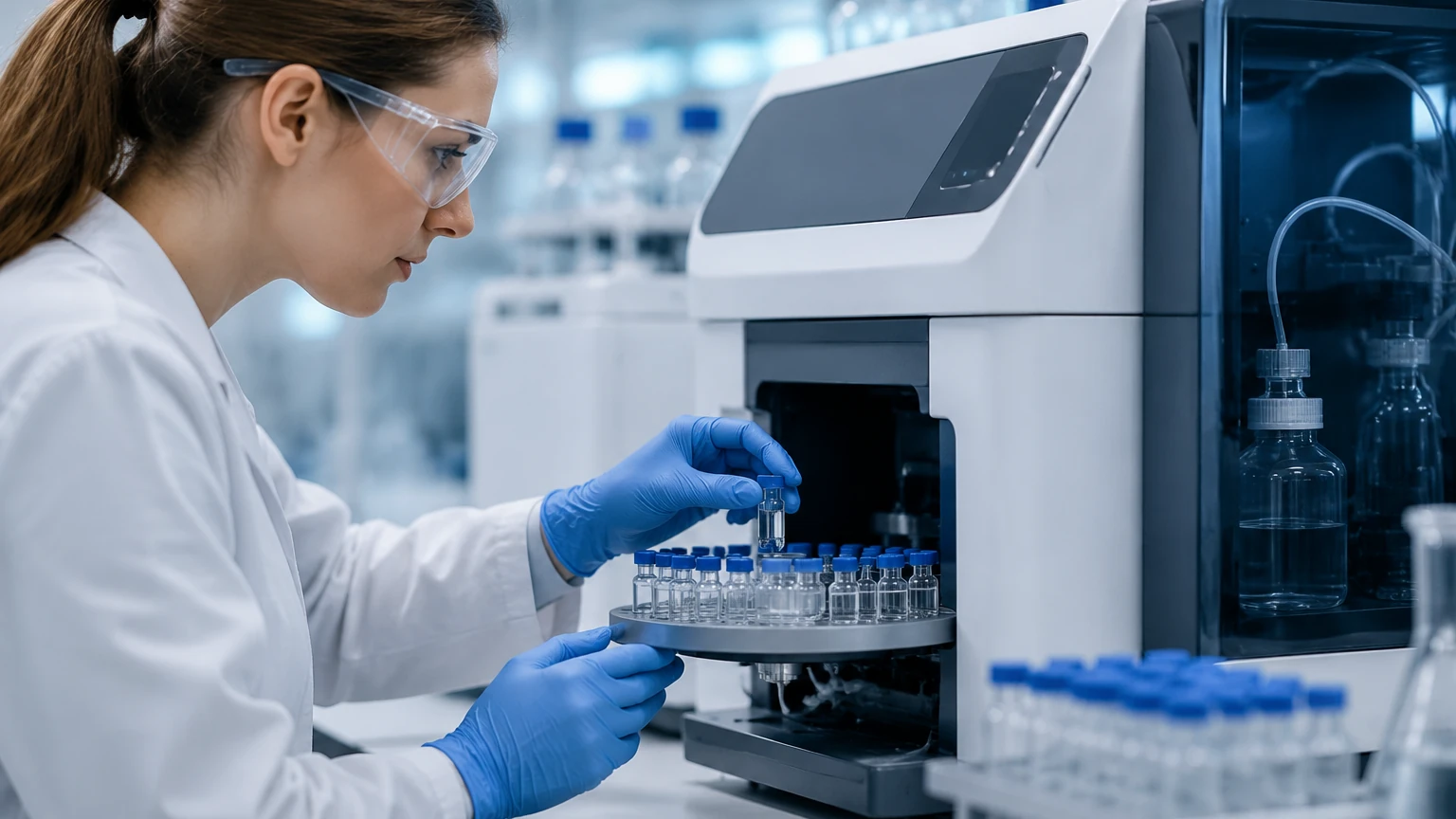
Laboratory instruments are used for discrete sample analysis. They offer high precision and the ability to handle a wide variety of sample matrices. They are typically used for regulatory reporting, quality control validation, and troubleshooting specific process issues identified by online sensors.
The Role of Complementary Level Measurement in TOC Monitoring
In a comprehensive industrial automation strategy, liquid quality analysis and level measurement are deeply interconnected. While toc analysers monitor the chemical state of the fluid, instruments like radar level meters and ultrasonic sensors ensure the physical stability of the system.
For example, in a wastewater equalization basin, a Welk ultrasonic level transmitter provides continuous data to manage the volume and flow rate. Simultaneously, an online toc analyser monitors the organic load. If the TOC level spikes, the level control system can be programmed to divert the high-load waste to a holding tank, preventing the biological treatment stage from being overwhelmed.
Reliable level data is also crucial for the operation of the toc analysers themselves. Many analysers require a consistent head pressure or a specific minimum level in a sampling tank to function correctly. Integrating high-accuracy level sensors ensures that the sampling pumps do not run dry and that the analyser receives a representative sample of the process fluid.
Selection Criteria for TOC Analysers
Selecting the right toc analyser requires a thorough evaluation of the sample matrix and the process goals. The following table outlines key considerations for engineering teams:
| Criteria | Consideration | Impact on Choice |
| :— | :— | :— |
| Measurement Range | ppb (parts per billion) vs. ppm (parts per million) | Clean water requires UV/Conductivity; wastewater requires Combustion/NDIR. |
| Sample Composition | Presence of salts, solids, or fats/oils | High-solids samples necessitate high-temperature combustion and robust filtration. |
| Response Time | Continuous vs. Batch analysis | Critical safety loops require continuous online monitoring. |
| Inorganic Carbon (TIC) | High levels of carbonates/bicarbonates | Requires an analyser with an efficient TIC removal (acidification/sparging) system. |
| Maintenance Requirements | Reagent consumption and sensor drift | Combustion systems require catalyst replacement; wet chemical systems require reagent refills. |
| Regulatory Compliance | EPA, ASTM, or USP standards | Ensure the instrument's method is approved for the specific regulatory framework. |
Installation and Operational Considerations
Proper installation is paramount to the accuracy of toc analysers. Unlike simple level switches, toc analysers are sophisticated analytical instruments that require controlled environments.
Sample Delivery
The sample line should be as short as possible to minimize lag time. For samples with high particulate matter, a self-cleaning bypass filter is often necessary. The flow rate must be maintained within the manufacturer’s specified limits to ensure consistent oxidation efficiency.
Environmental Conditions
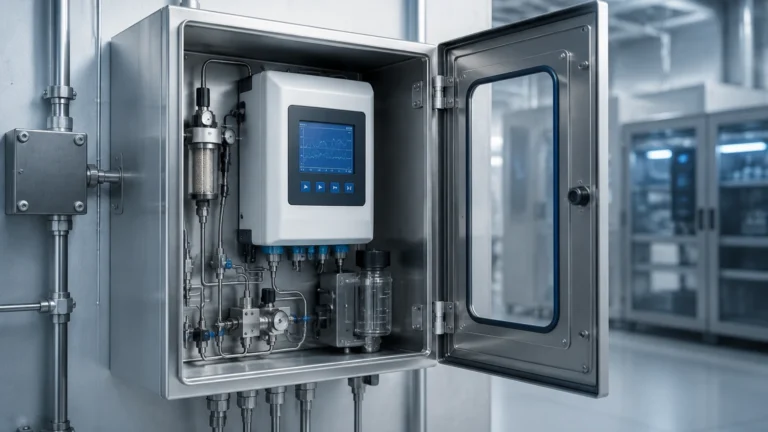
Most online toc analysers should be installed in a climate-controlled enclosure or an instrument room. Extreme temperatures can affect reagent stability and the electronics of the NDIR detector. Furthermore, the presence of ambient CO2 can interfere with some detectors, necessitating the use of CO2-free carrier gas (such as high-purity nitrogen or synthetic air).
Calibration and Validation
Regular calibration using certified reference materials (such as Potassium Hydrogen Phthalate – KHP) is essential. For pharmaceutical applications, system suitability tests must be performed to ensure the instrument can oxidize both easy-to-oxidize and hard-to-oxidize organic compounds.
Limitations and Common Risks in TOC Analysis
While toc analysers are powerful tools, they have limitations that must be understood to avoid data misinterpretation:
1. Inorganic Carbon Interference: If Total Inorganic Carbon (TIC) is not completely removed or accounted for, the TOC reading will be falsely high. Most analysers use acidification and sparging to remove TIC before the TOC measurement.
2. Volatile Organic Carbons (VOCs): During the TIC removal process (sparging), some volatile organic compounds may be lost, leading to an underestimation of the total organic load. In processes where VOCs are significant, specialized "Non-Purgeable Organic Carbon" (NPOC) or "Total Carbon minus TIC" methods must be employed.
3. Catalyst Poisoning: In combustion-based systems, high concentrations of salts or heavy metals can "poison" the catalyst, reducing its efficiency and requiring frequent maintenance.
4. Reagent Degradation: In UV/Persulfate systems, the chemical reagents have a limited shelf life and can degrade if exposed to heat or light, leading to inaccurate oxidation.
Frequently Asked Questions
Q: How often should a toc analyser be calibrated?
A: Calibration frequency depends on the application and the instrument type. Online analysers in stable environments may require monthly calibration, while those in harsh wastewater applications may need weekly checks. Always follow the manufacturer's recommendations and internal SOPs.
Q: Can toc analysers detect all types of organic matter?
A: Most high-temperature combustion analysers can detect almost all organic compounds. However, UV-based systems may struggle with complex, long-chain organics or highly colored samples that shield the UV light.
Q: What is the difference between TOC and COD/BOD?
A: Chemical Oxygen Demand (COD) and Biochemical Oxygen Demand (BOD) measure the oxygen required to chemically or biologically oxidize organic matter. TOC measures the carbon atoms directly. TOC analysis is much faster (minutes) compared to BOD (5 days) and does not produce hazardous waste like some COD methods.
Q: How does temperature affect TOC measurement?
A: Temperature primarily affects the kinetics of the oxidation reaction and the stability of the detector. Most modern analysers include internal temperature compensation, but the sample itself should be cooled to a standard temperature (typically below 40°C) before entering the analyser to protect the components.
Q: Is it possible to use one analyser for multiple sample streams?
A: Yes, many online toc analysers can be equipped with multi-stream sequencers. However, this increases the cycle time for each stream and introduces the risk of cross-contamination if the lines are not properly purged between samples.
For engineers looking to integrate quality analysis with robust quantity measurement, reviewing the various radar and ultrasonic technologies on our Main Page can provide a complete picture of modern process control. By combining accurate level data with precise TOC analysis, industrial facilities can achieve higher levels of safety, compliance, and operational excellence.