Single Use Ph Sensor
Single Use Ph Sensor
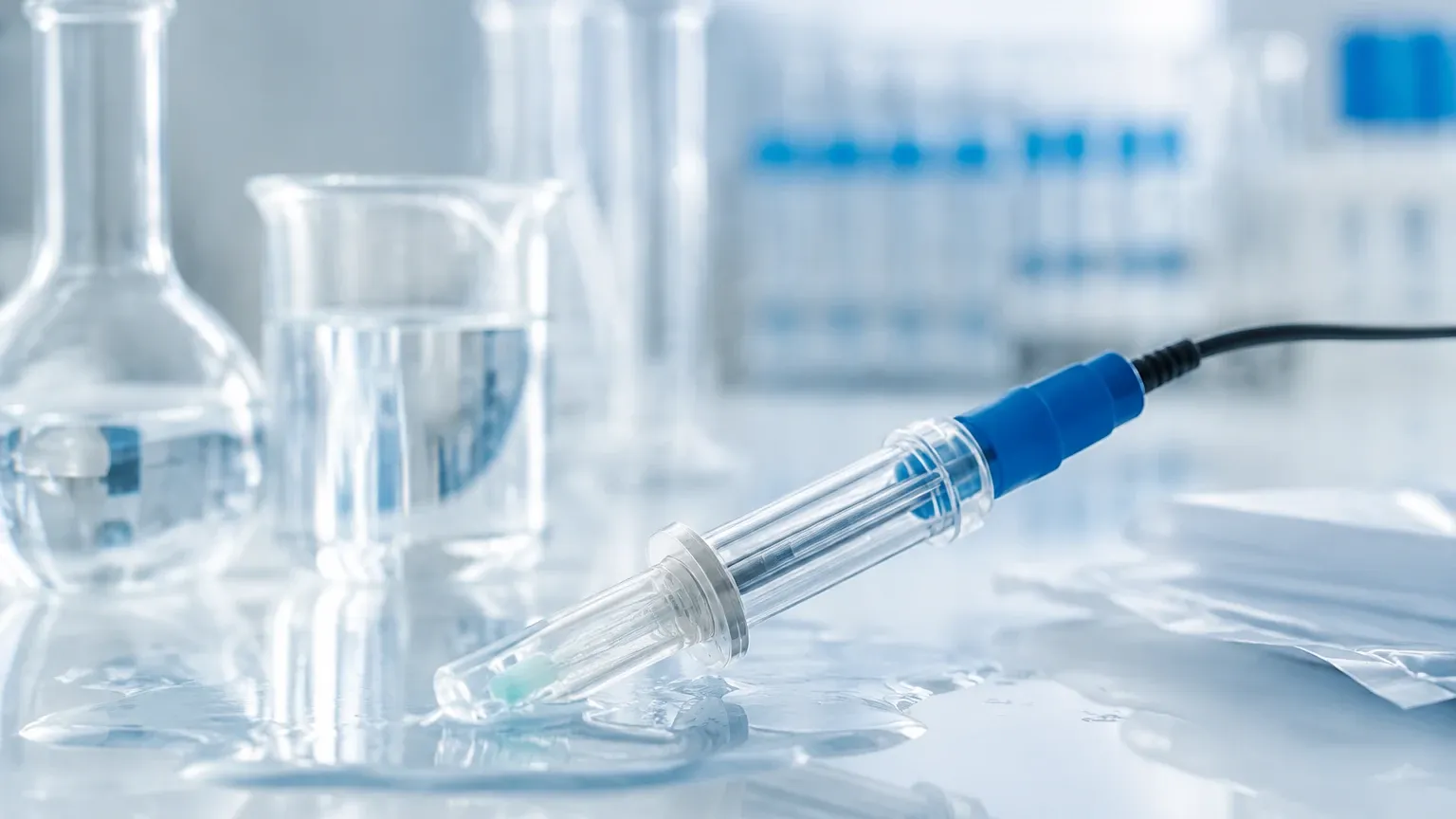
In the landscape of modern bioprocessing and industrial automation, the demand for efficiency and sterility has driven a significant shift toward single-use technologies (SUT). Among these innovations, the single use pH sensor has emerged as a critical component for monitoring chemical and biological reactions without the traditional overhead of cleaning, sterilization, and validation. While traditional glass electrodes have served the industry for decades, the integration of disposable sensors into bioreactors and mixing systems offers a streamlined approach to process control.
For engineers and facility managers, understanding the underlying principles and selection criteria for these sensors is essential. This guide explores the technical aspects of single-use pH measurement, its integration with broader industrial instrumentation like level meters, and the practical considerations for implementation in high-stakes environments.
Measurement Principles of Single-Use pH Sensors
Unlike traditional reusable probes, a single use pH sensor must be capable of maintaining accuracy after gamma irradiation and during long-term storage in a dry or semi-wet state. There are two primary technologies used in the design of these sensors: electrochemical (potentiometric) and optical (fluorescent).
1. Electrochemical (Potentiometric) Sensors
Electrochemical single-use sensors are essentially miniaturized versions of the classic pH probe. They consist of a sensing electrode with a pH-sensitive glass or polymer membrane and a reference electrode.
* The Principle: When the membrane comes into contact with the process liquid, a potential difference develops between the sensing and reference electrodes that is proportional to the hydrogen ion activity (pH) of the solution. This follows the Nernst equation.
* Single-Use Adaptation: To make these sensors disposable, manufacturers use specialized reference electrolytes that can withstand gamma sterilization without losing stability. They are often integrated directly into the plastic wall of a bioreactor bag or a flow-through cell.
2. Optical (Fluorescence-based) Sensors
Optical sensors, or "optodes," represent a departure from traditional electronics. They rely on the chemical properties of a pH-sensitive dye (fluorophore).
* The Principle: A fluorophore is embedded in a polymer matrix on a patch inside the container. An external fiber-optic cable shines light of a specific wavelength onto the patch. The dye fluoresces, and the intensity or decay time of the fluorescence changes according to the pH of the surrounding medium.
* Single-Use Adaptation: Since the electronic components (the reader and fiber optics) never touch the process fluid, only the inexpensive dye patch is disposed of. This eliminates the risk of electrical interference and simplifies the sensor's footprint.
Selection Criteria for Industrial Applications
Selecting the right single use pH sensor requires an evaluation of the specific process requirements. In industries such as pharmaceuticals or high-purity water treatment, the sensor must perform reliably within a narrow margin of error.
| Feature | Electrochemical Single-Use | Optical (Optode) Single-Use |
| :— | :— | :— |
| Measurement Range | 0 to 14 pH | Typically 5.5 to 8.5 pH (Narrow) |
| Accuracy | ±0.05 to 0.1 pH | ±0.1 pH |
| Gamma Stability | High (with specific buffers) | Excellent |
| Shelf Life | 6 to 12 months | 12 to 24 months |
| Response Time | Fast (<30 seconds) | Moderate (30–60 seconds) |
| Calibration | Requires 1 or 2-point check | Pre-calibrated by manufacturer |
When evaluating these sensors, engineers should also consider the compatibility of the sensor materials with the process media. For those managing complex fluid systems, reviewing comprehensive instrument options on the Main Page can provide insights into how pH monitoring integrates with level and flow control.
Integration with Level and Process Control
In industrial automation, pH is rarely a standalone measurement. It is typically part of a multi-variable control loop that includes temperature, dissolved oxygen, and liquid level. For instance, in a neutralization tank or a bioreactor, the pH sensor dictates the dosage of acids or bases, while level sensors ensure the tank does not overflow or run dry during the addition of these reagents.
Manufacturers like Welk provide the level measurement infrastructure—such as radar level meters and ultrasonic sensors—that works in tandem with pH sensing. When a single use pH sensor indicates a shift in chemical balance, the control system may trigger a pump to add a buffer. The level transmitter monitors this addition in real-time, ensuring the volumetric ratio remains within the specified process limits. This synergy is vital for maintaining batch consistency and safety.
Installation and Calibration Considerations
The primary advantage of a single use pH sensor is its "plug-and-play" nature, but successful implementation still requires adherence to specific installation protocols.
Pre-Sterilization and Handling
Most single-use sensors are pre-installed into disposable bags or tubing assemblies and then sterilized via gamma irradiation (typically 25–45 kGy). It is crucial to verify that the sensor is rated for the specific radiation dose used by the bag manufacturer. Physical handling should be minimized to avoid damaging the sensitive membranes or patches.
Calibration Protocols
Traditional probes are calibrated just before use. Single-use sensors, however, are often pre-calibrated by the manufacturer.
1. Factory Calibration: The manufacturer provides a calibration code or data sheet based on the lot's performance.
2. One-Point Standardization: Once the vessel is filled, a sample is often taken and measured with a high-precision benchtop meter. The single-use sensor's reading is then adjusted (offset) to match the benchtop value.
3. Stability Checks: Because these sensors cannot be removed for re-calibration mid-process without breaking sterility, choosing a sensor with low drift (less than 0.01 pH per day) is paramount.
Limitations and Practical Constraints
While single-use technology offers numerous benefits, it is not a universal replacement for reusable probes. Engineers must be aware of the following limitations:
* Drift and Longevity: Single-use sensors are designed for short-term use (typically days to weeks). In long-term continuous processes, the sensor may experience significant drift, and unlike reusable probes, they cannot be cleaned or reconditioned.
* Chemical Compatibility: Some optical dyes are sensitive to high concentrations of certain salts or organic solvents, which can lead to "quenching" or inaccurate readings.
* Temperature Sensitivity: pH measurement is inherently temperature-dependent. While most single-use systems include a temperature compensation element (like a PT1000), the accuracy of this compensation must be verified across the entire operating range (e.g., 15°C to 40°C).
* Environmental Impact: The disposal of plastic components and electronics (in the case of electrochemical sensors) must be managed according to local environmental regulations, often involving incineration or specialized recycling programs.
Frequently Asked Questions (FAQ)
Q: Can a single use pH sensor be reused if it is cleaned?
No. These sensors are designed with materials that degrade or change characteristics after a single use or sterilization cycle. Attempting to reuse them compromises accuracy and risks cross-contamination.
Q: How does gamma irradiation affect the sensor?
Gamma radiation can shift the potential of the reference electrode or alter the polymer matrix of an optical patch. High-quality single-use sensors are specifically engineered with radiation-resistant materials to mitigate these effects.
Q: What is the typical shelf life of these sensors?
Most electrochemical single-use sensors have a shelf life of 6 to 12 months when stored under recommended conditions (usually 5°C to 25°C). Optical patches often last longer, up to 24 months, provided they are kept away from direct light and moisture.
Q: Are single-use sensors compatible with high-pressure applications?
Generally, they are designed for low-pressure environments like plastic bioreactors (typically <0.5 bar). For high-pressure industrial tanks, traditional stainless-steel housed probes or specialized high-pressure level and pressure instruments are required.
Conclusion
The single use pH sensor is a transformative tool for modern B2B industrial applications, particularly where sterility and rapid turnover are required. By eliminating the need for CIP/SIP cycles, these sensors reduce labor costs and increase facility throughput. However, their successful application depends on a thorough understanding of their measurement limits and their integration into the broader automation framework. For reliable process control, combining advanced pH sensing with robust level measurement solutions ensures that industrial operations remain precise, safe, and cost-effective. As the industry moves toward more modular and flexible manufacturing, the role of specialized, disposable sensing technology will only continue to grow.