Surface Mount Rtd
Surface Mount Rtd
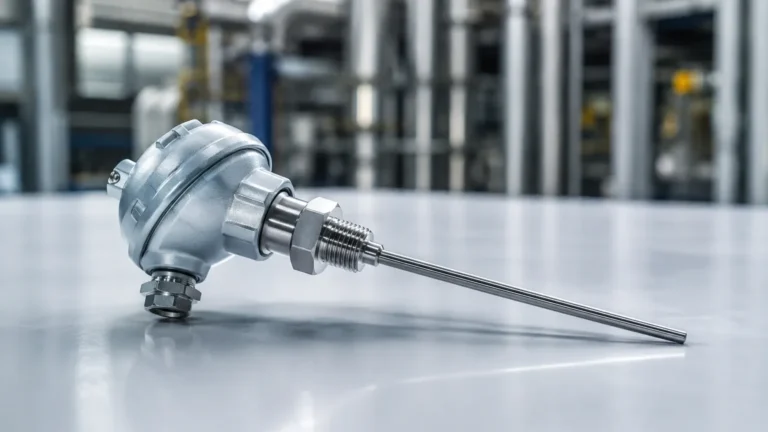
In industrial process control, monitoring the temperature of a surface is often as critical as measuring the temperature of the fluid within a vessel. A surface mount RTD (Resistance Temperature Detector) is a specialized sensor designed to provide high-accuracy temperature data by making direct contact with a solid surface. Unlike immersion sensors that require thermowells and process penetration, surface mount variants are non-intrusive, making them ideal for applications where maintaining the integrity of a pipe or tank wall is paramount.
For engineers and technicians involved in industrial automation, understanding the nuances of surface mount RTD technology is essential for ensuring system reliability and measurement accuracy. This guide explores the measurement principles, selection criteria, and installation best practices for these vital components.
Measurement Principles of Surface Mount RTDs
The fundamental principle behind any RTD is the predictable change in electrical resistance of a metal in response to temperature changes. Most industrial RTDs utilize platinum due to its chemical stability and linear resistance-temperature relationship. The most common standard is the Pt100, which has a resistance of 100 ohms at 0°C (32°F).
The Resistance-Temperature Relationship
For platinum RTDs, the relationship is governed by the Callendar-Van Dusen equation. In practical B2B applications, this translates to a highly stable and repeatable measurement. When a surface mount RTD is employed, the sensor element—typically a thin-film platinum layer deposited onto a ceramic substrate—is encased in a housing designed for maximum thermal transfer from the mounting base to the sensing element.
Heat Transfer Dynamics
In a surface mount configuration, the sensor relies on conduction. The accuracy of the measurement is heavily dependent on the thermal contact resistance between the sensor and the target surface. Because the sensor is also exposed to the ambient environment, it can be influenced by "stem conduction" or ambient air temperature if not properly insulated. Therefore, the design of a surface mount RTD focuses on minimizing the thermal mass of the sensor and maximizing the contact area to ensure the sensing element reaches thermal equilibrium with the surface as quickly as possible.
Types of Surface Mount RTD Designs
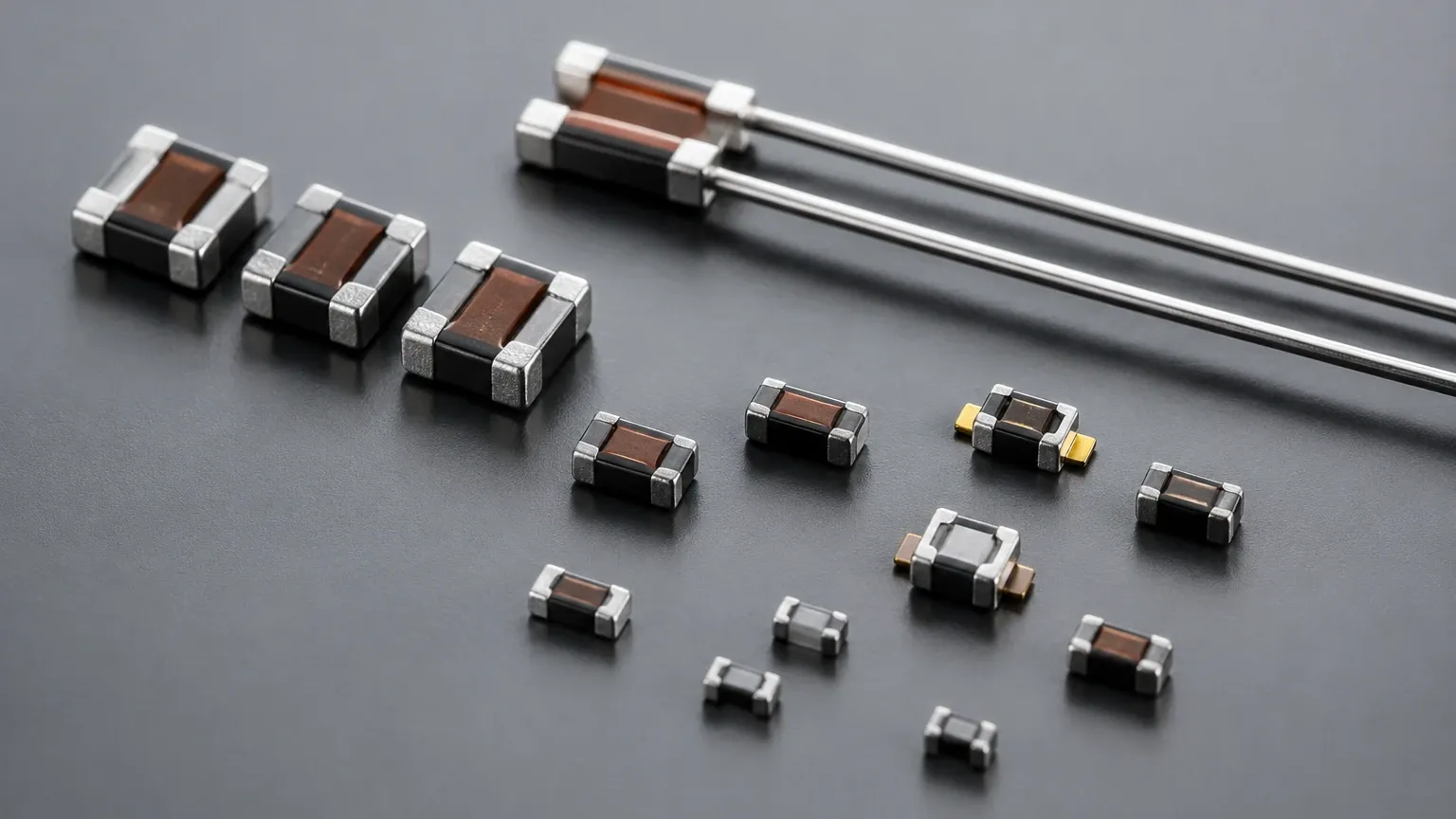
Surface mount RTDs come in various form factors to suit different industrial geometries and mounting requirements. Selecting the right type depends on the surface material, the required response time, and the environmental conditions.
| Sensor Type | Mounting Method | Best Use Case |
| :— | :— | :— |
| Patch RTD | Adhesive or Tape | Flat or slightly curved surfaces; low-profile requirements. |
| Bolt-on / Ring Lug | Mechanical Screw | Motor housings, heat sinks, and plates with existing bolt holes. |
| Magnetic Mount | Magnetic Force | Ferrous metal tanks and pipes where temporary or movable sensing is needed. |
| Pipe Clamp / Strap-on | Metal Straps/Clamps | External pipe temperature monitoring for flow or heat exchange analysis. |
| SMD (Surface Mount Device) | Solder (PCB) | Integrated electronics and circuit board temperature monitoring. |
|
Key Selection Criteria for Industrial Applications
When specifying a surface mount RTD for a project, several technical parameters must be evaluated to ensure the sensor meets the operational demands of the environment.
1. Accuracy Classes
Industrial RTDs are categorized by accuracy classes defined by standards such as IEC 60751.
- Class AA (1/3 DIN): Tolerance of ±(0.1 + 0.0017|t|) °C.
- Class A: Tolerance of ±(0.15 + 0.002|t|) °C.
- Class B: Tolerance of ±(0.3 + 0.005|t|) °C.
For most surface measurements, Class A or B is sufficient, as the mounting method often introduces more uncertainty than the sensor's inherent tolerance.
2. Wiring Configurations
- 2-Wire: Simple but least accurate due to lead wire resistance. Not recommended for long cable runs.
- 3-Wire: The industrial standard. It compensates for lead wire resistance, providing a balance between cost and accuracy.
- 4-Wire: Provides the highest accuracy by completely eliminating the effect of lead wire resistance. Used in laboratory settings or high-precision industrial processes.
3. Temperature Range
Surface mount RTDs typically operate within a range of -50°C to +250°C (-58°F to 482°F). High-temperature versions using specialized ceramic housings can extend this range, but the adhesive or mounting mechanism often becomes the limiting factor.
4. Environmental Protection
In water treatment or chemical processing, sensors may be exposed to moisture, corrosive vapors, or wash-down procedures. Look for sensors with appropriate IP (Ingress Protection) ratings, such as IP67 or IP68, and lead wires insulated with PFA or silicone for chemical resistance.
Installation Considerations and Best Practices
The performance of a surface mount RTD is only as good as its installation. Poor mounting leads to significant measurement errors, often reading lower than the actual surface temperature due to ambient cooling.
Surface Preparation
The target surface must be clean, dry, and free of oil, rust, or paint. For metal surfaces, light sanding may be required to ensure a flat, smooth contact area. If the surface is uneven, the sensor will not seat properly, creating an insulating air gap.
Thermal Interface Materials (TIM)
To minimize thermal contact resistance, a thin layer of thermal grease or a thermal pad should be used between the sensor and the surface. This fills microscopic voids and significantly improves the response time and accuracy of the sensor.
Insulation
Once the sensor is mounted, it is highly recommended to cover the sensor and the immediate surrounding area with thermal insulation. This prevents the ambient air from cooling the sensor (or heating it, if the process is cold), ensuring that the RTD reflects the true surface temperature.
Strain Relief
Lead wires should be secured near the sensor to prevent mechanical stress from pulling the sensor away from the surface. A simple loop or a cable tie can prevent vibration or accidental tugs from compromising the thermal contact.
Limitations of Surface Mount Technology
While highly versatile, surface mount RTDs have inherent limitations compared to immersion sensors:
- Thermal Lag: Because the sensor is separated from the process fluid by a pipe or tank wall, there is a delay in detecting temperature changes within the fluid.
- Ambient Sensitivity: Without proper insulation, the sensor is susceptible to errors caused by wind, room temperature, or nearby heat sources.
- Mechanical Durability: Adhesive-backed sensors may degrade over time due to thermal cycling, requiring periodic inspection and re-attachment.
Integration with Level Measurement Systems
In many industrial setups, surface mount RTDs play a supporting role in level measurement. For instance, when using ultrasonic level sensors, the speed of sound varies with air temperature. A surface mount RTD on the tank exterior can provide the necessary data for temperature compensation, ensuring the level reading remains accurate despite environmental fluctuations. Similarly, in hydrostatic level measurement, temperature data helps in calculating density corrections for the liquid being measured. For a comprehensive look at how these technologies integrate, you can Review product options and application support on our Main Page.
Frequently Asked Questions (FAQ)
Q: Can I use a surface mount RTD on a plastic pipe?
A: Yes, but keep in mind that plastic is a poor thermal conductor. The RTD will measure the temperature of the plastic surface, which may be significantly different from the fluid temperature inside the pipe. Use insulation to improve accuracy.
Q: How do I choose between a Pt100 and a Pt1000 for surface mounting?
A: Pt1000 sensors are often preferred for 2-wire configurations because the higher base resistance makes the lead wire resistance less significant. However, for most industrial PLC inputs, the Pt100 remains the standard.
Q: What is the typical response time of a surface mount RTD?
A: Response time varies by design. A thin-film patch sensor may have a T90 (time to reach 90% of a step change) of less than 5 seconds, whereas a heavy-duty bolt-on housing may take 30 seconds or more to stabilize.
Q: Is it better to use a thermocouple or an RTD for surface measurement?
A: RTDs offer better accuracy, stability, and linearity over time. Thermocouples are generally used only when temperatures exceed the range of an RTD (above 600°C) or when an extremely fast response is required at the cost of precision.
Summary of Technical Specifications
Before finalizing a purchase or installation plan, confirm the following parameters with your project engineering team:
1. Mounting Geometry: Is the surface flat or curved? (Determines if you need a flexible patch or a rigid lug).
2. Vibration Levels: High-vibration environments require mechanical fastening (bolt-on) rather than adhesives.
3. Chemical Exposure: Ensure the lead wire jacket and sensor housing are compatible with any cleaning agents or process leaks.
4. Signal Conditioning: Confirm that your control system or transmitter is configured for the specific RTD type (e.g., Pt100, 3-wire).
By adhering to these engineering principles and selection guidelines, industrial operators can leverage surface mount RTDs to achieve precise, non-intrusive temperature monitoring across a wide array of applications, from motor protection to complex process automation.