Wastewater Samplers
Wastewater Samplers
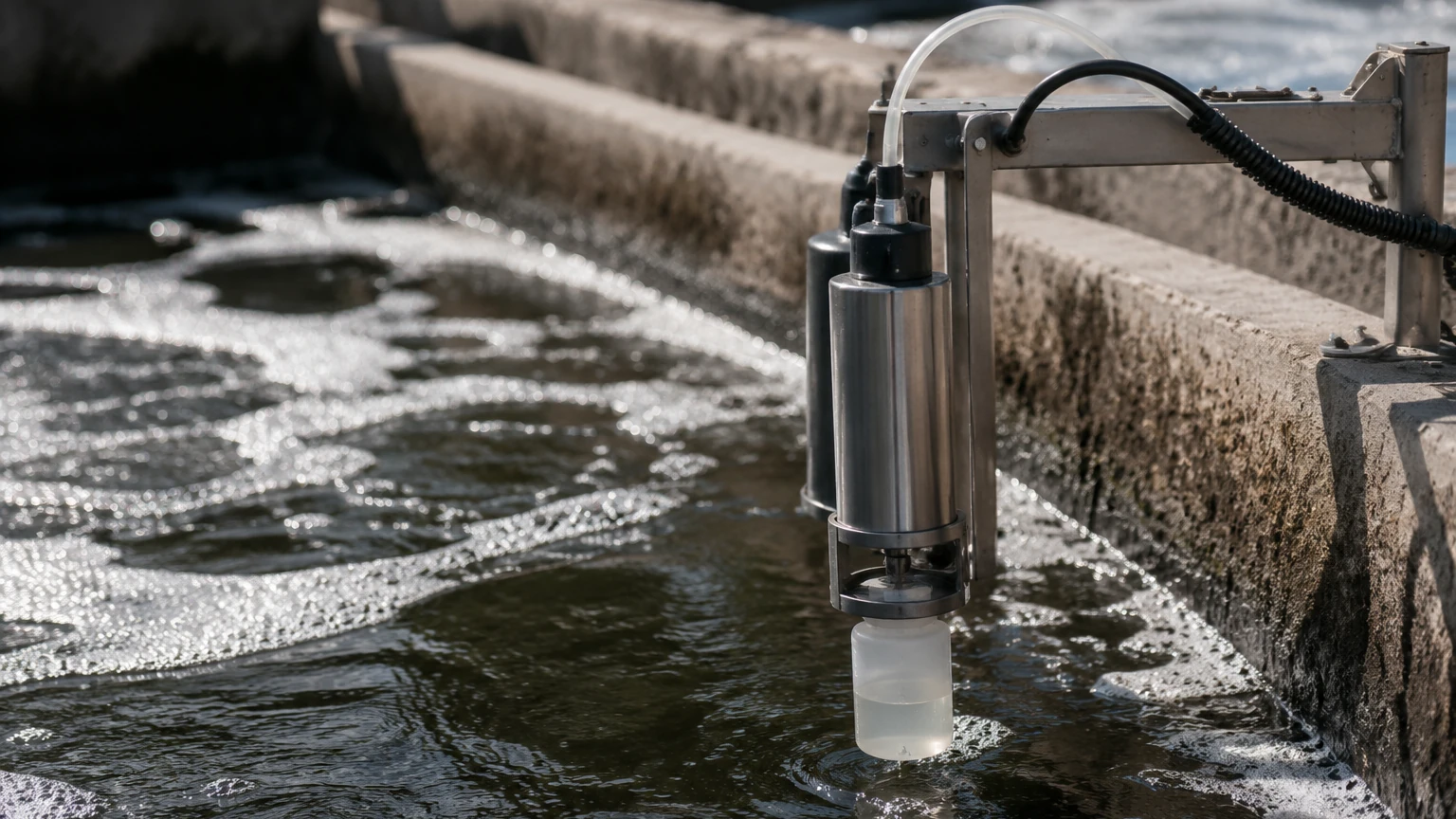
In industrial and municipal water management, the ability to obtain representative samples of effluent is fundamental to regulatory compliance, process control, and environmental protection. Wastewater samplers are automated instruments designed to collect water samples from sewers, open channels, or tanks at specific intervals or in response to specific triggers. These devices ensure that the chemical and physical data derived from laboratory analysis accurately reflect the average composition of the waste stream over time.
For engineers and plant managers, selecting the appropriate sampling technology requires an understanding of both the fluid dynamics of the source and the analytical requirements of the monitoring program. This guide examines the principles, types, and installation requirements for wastewater samplers, with a focus on their integration with flow and level measurement systems.
Principles of Automated Sampling
Automated wastewater samplers operate based on programmed logic that determines when and how much liquid to draw. The two primary methods of triggering a sample are time-proportional and flow-proportional sampling.
Time-Proportional Sampling
This is the most straightforward method, where the sampler is programmed to collect a fixed volume of liquid at regular time intervals (e.g., every 30 minutes). While simple to implement, time-proportional sampling can be misleading if the flow rate of the wastewater fluctuates significantly. In such cases, a sample taken during a low-flow period carries the same weight in the final analysis as one taken during a peak-flow period, potentially skewing the results.
Flow-Proportional Sampling
To achieve a more accurate representation of the total pollutant load, flow-proportional sampling is used. This method adjusts the sampling frequency or volume based on the actual flow rate of the wastewater. There are two sub-types:
1. Constant Volume, Variable Time (CVVT): The sampler collects a uniform volume of liquid every time a specific volume of water (e.g., 1,000 liters) passes the monitoring point.
2. Variable Volume, Constant Time (VVCT): The sampler collects samples at fixed time intervals, but the volume of each sample is proportional to the flow rate at that moment.
Flow-proportional sampling requires a real-time data feed from a flow meter or a level-to-flow conversion system. High-precision instruments, such as those found on the Main Page of industrial measurement providers, are essential for providing the pulse or 4-20mA signals needed to trigger these samplers accurately.
Types of Wastewater Samplers
Wastewater samplers are generally categorized by their mobility and their cooling capabilities. The choice between these types depends on the duration of the monitoring project and the stability of the parameters being measured.
Portable Samplers
Portable units are designed for short-term studies, such as inflow and infiltration (I&I) assessments or temporary industrial discharge monitoring. They are typically battery-powered and constructed from lightweight, impact-resistant materials. Many portable samplers feature an insulated base that can be filled with ice to preserve samples at the required 4°C (39°F) during the collection period.
Stationary Samplers
Stationary samplers are intended for permanent installation at wastewater treatment plant (WWTP) inlets, outfalls, or industrial discharge points. These units are usually powered by AC electricity and include integrated refrigeration systems to maintain precise temperature control. Their housings are often made of corrosion-resistant stainless steel or reinforced plastics to withstand harsh outdoor environments.
Composite vs. Discrete Sampling
* Composite Sampling: All collected samples are deposited into a single large container (typically 10 to 20 liters). This provides an average "snapshot" of the effluent over a 24-hour period.
* Discrete Sampling: Each sample is placed into an individual bottle (e.g., 24 bottles for a 24-hour period). This allows technicians to identify exactly when a specific spike in pollutants occurred.
Technical Selection Criteria
When selecting a wastewater sampler, engineering teams must evaluate the physical characteristics of the site and the chemical nature of the wastewater. The following table provides a comparison of key selection factors:
| Feature | Portable Sampler | Stationary Sampler |
| :— | :— | :— |
| Power Supply | 12V DC Battery / Solar | 110V/220V AC |
| Cooling Method | Ice / Passive Insulation | Active Refrigeration (Compressor) |
| Sample Volume Accuracy | ±5% to ±10% | ±2% to ±5% |
| Maximum Suction Lift | 6 to 8 meters | 8 to 9 meters |
| Housing Material | Polyethylene / ABS | Stainless Steel / Fiberglass |
| Best Use Case | Remote sites, temporary audits | Compliance monitoring, WWTP inlets |
Pump Technology
Most modern samplers use peristaltic pumps. These pumps use rotating rollers to compress a flexible tube, creating a vacuum that draws the liquid up. The main advantage is that the liquid never touches the pump's mechanical parts, preventing cross-contamination and making the system easy to clean. Vacuum-compressor pumps are an alternative, often used when high-speed sampling or higher vertical lifts are required, as they can draw samples more quickly over longer distances.
Integration with Level and Flow Measurement
A wastewater sampler is only as effective as the data that triggers it. In many open-channel applications, such as Parshall flumes or V-notch weirs, the flow rate is calculated based on the liquid level. This is where the synergy between level measurement and sampling becomes critical.
Welk provides a range of sensors that serve as the "eyes" for the sampler. For example, an ultrasonic level sensor mounted above a flume can provide a continuous level reading without contacting the corrosive wastewater. The sensor's controller converts this level into a flow rate and sends a signal to the sampler. In applications where foam or steam is present, radar level meters offer a more reliable non-contact solution. For pressurized pipes, hydrostatic level transmitters or electromagnetic flow meters are typically used to provide the necessary trigger data.
By consulting the technical specifications on the Main Page, engineers can identify the specific level measurement technology that matches their sampler's input requirements, ensuring seamless automated operation.
Installation Considerations
Proper installation is vital to ensure that the sample collected is truly representative of the waste stream and that the equipment remains operational in industrial conditions.
1. Suction Line Placement: The intake strainer should be placed in the center of the flow stream, ideally at a point of high turbulence (like the downstream side of a weir) to ensure the solids are well-mixed. It should not be placed too close to the bottom to avoid sucking up settled grit, nor too close to the surface to avoid oils and grease.
2. Vertical Lift (Head): The vertical distance between the liquid surface and the sampler pump should be minimized. While most pumps can handle a lift of 7 or 8 meters, shorter lifts improve volume accuracy and reduce wear on the pump tubing.
3. Tubing Slope: The suction line should have a continuous downward slope toward the source. This allows the line to drain completely between samples, preventing cross-contamination and protecting the line from freezing in cold climates.
4. Power and Communication: For stationary units, ensure stable AC power and consider surge protection. If the sampler is integrated into a SCADA system, shielded cables should be used for the 4-20mA or Modbus communication lines to prevent electromagnetic interference.
Limitations and Operational Challenges
Despite their automation, wastewater samplers are subject to several physical and chemical limitations:
* Solids Handling: Large debris can clog the intake strainer or the internal tubing. Regular inspection is required in high-solids applications like raw sewage monitoring.
* Volatile Organic Compounds (VOCs): The vacuum created by peristaltic pumps can cause "off-gassing" of volatile compounds. If VOC analysis is required, specialized sampling techniques or lower pump speeds may be necessary to maintain sample integrity.
* Tubing Degradation: Peristaltic pump tubing is a consumable item. Over time, the constant squeezing weakens the material, leading to reduced suction and eventual failure. A preventative maintenance schedule should include tubing replacement every 500 to 1,000 samples, depending on the material.
* Temperature Sensitivity: In extreme heat, even refrigerated samplers may struggle to maintain 4°C if the housing is not shielded from direct sunlight.
Frequently Asked Questions (FAQs)
Q: How often should I calibrate my wastewater sampler?
A: The sample volume should be calibrated at the time of installation and whenever the suction line length or vertical lift is changed. Most regulatory bodies recommend a monthly check to ensure the volume remains within ±10% of the target.
Q: Can I use a wastewater sampler for hazardous (Ex) zones?
A: Yes, but you must specify an intrinsically safe or explosion-proof model. These units are designed with sealed electronics and non-sparking components to operate safely in environments where methane or chemical vapors may be present.
Q: What is the best tubing material for industrial wastewater?
A: Standard PVC tubing is sufficient for most municipal applications. However, for wastewater containing high concentrations of solvents or corrosive chemicals, PTFE-lined (Teflon) tubing is recommended to prevent chemical leaching or tubing degradation.
Q: How does the sampler handle a power outage?
A: Most modern stationary samplers have an internal backup battery that maintains the program settings and internal clock. However, the pump and refrigeration unit will typically stop functioning until power is restored unless an external Uninterruptible Power Supply (UPS) is provided.
Conclusion
Automated wastewater samplers are indispensable tools for modern environmental management. By transitioning from manual grab sampling to automated time or flow-proportional collection, facilities can significantly improve the reliability of their environmental data. Successful implementation depends on choosing the right pump technology, ensuring a representative intake location, and integrating the system with high-quality level and flow sensors. For comprehensive technical details on the sensors required to drive these sampling systems, engineers should review the product options and application support available on the Main Page.