Water Sample Station
Water Sample Station
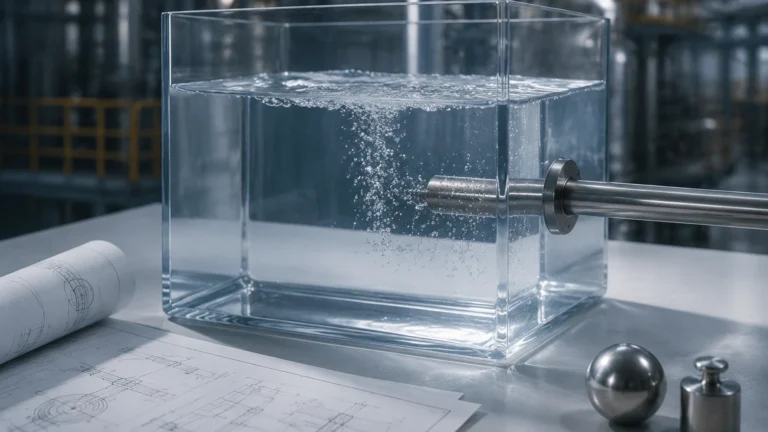
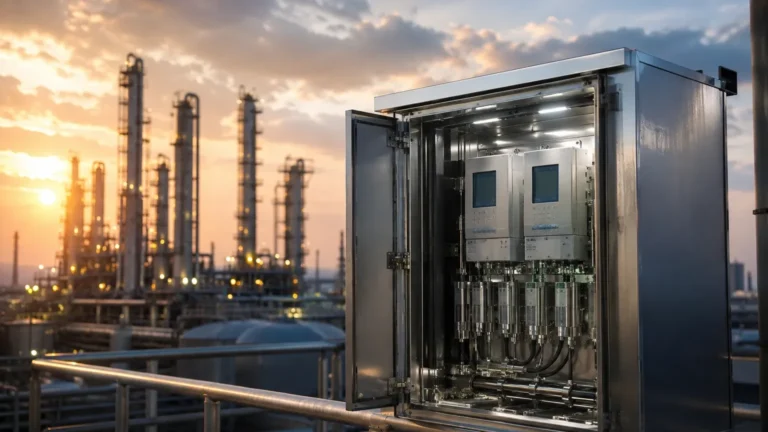
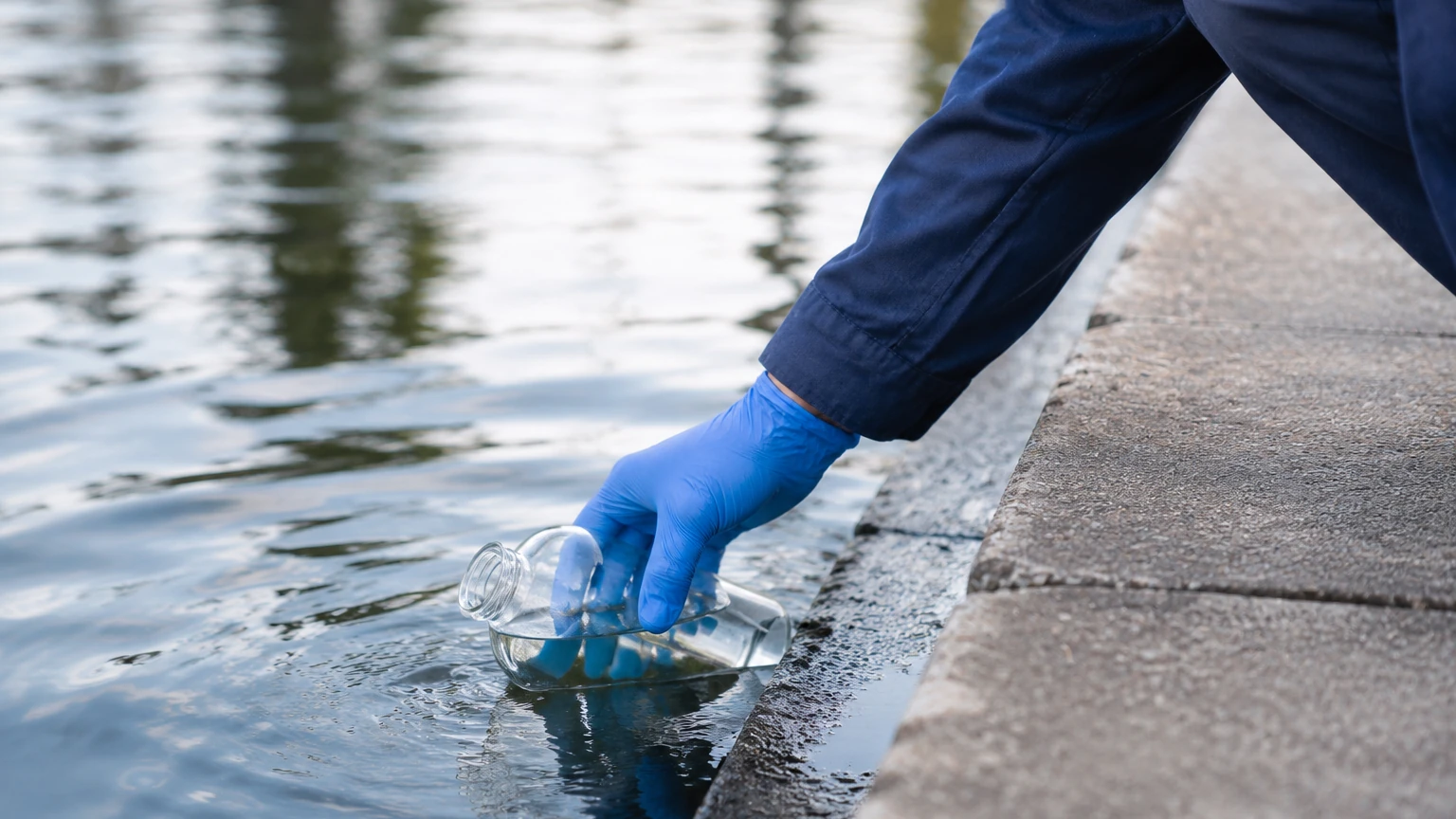
In industrial water treatment and municipal distribution, the water sample station serves as a critical interface between the bulk fluid process and the analytical laboratory. These stations are dedicated points designed to provide representative samples of water for chemical, biological, and physical testing. Whether monitoring potable water safety, industrial effluent compliance, or process cooling water chemistry, the design and instrumentation of a water sample station determine the reliability of the data collected.
For engineers and plant operators, a water sample station is more than just a tap; it is a controlled environment where flow, pressure, and level are managed to ensure that the sample remains stable and representative of the source. Integrating professional level measurement technology within these systems is essential for automating sample collection and protecting sensitive analytical equipment.
The Role of Level Measurement in Water Sample Stations
Level measurement is a fundamental component of automated water sampling. In many B2B applications, such as wastewater treatment plants or chemical processing facilities, samples are collected from sumps, open channels, or storage tanks. To ensure the water sample station functions correctly, the system must monitor the level of the source liquid and the capacity of the sample collection vessels.
Level sensors prevent pumps from running dry, ensure that composite samplers trigger at the correct volumetric intervals, and alert operators when waste containment tanks are nearing capacity. By utilizing high-precision instruments, such as those found on the Welk Main Page, facilities can synchronize their sampling schedules with actual process conditions, leading to more accurate regulatory reporting.
Measurement Principles for Level Monitoring
Before selecting a level sensor for a water sample station or its associated infrastructure, it is vital to understand the underlying measurement principles. Different technologies excel in different environments, and the choice often depends on the physical characteristics of the water and the container.
Radar Level Measurement
Radar level meters operate on the Time-of-Flight (ToF) principle. The sensor emits a high-frequency microwave signal (typically in the 26GHz or 80GHz range) that travels to the liquid surface and reflects back. Because microwaves travel at the speed of light, the device calculates the distance based on the time interval between emission and reception. Radar is highly preferred for water sample stations involving volatile chemicals or varying temperatures because it is a non-contact technology unaffected by air density, steam, or dust.
Ultrasonic Level Measurement
Ultrasonic sensors also use the ToF principle but utilize sound waves instead of microwaves. These sensors emit an acoustic pulse that reflects off the water surface. While cost-effective and reliable for clean water applications, ultrasonic waves are sensitive to air temperature fluctuations and surface foam, which can attenuate the sound signal. In a controlled water sample station environment, ultrasonic sensors are often used for monitoring the level of secondary containment or atmospheric tanks.
Hydrostatic Level Measurement
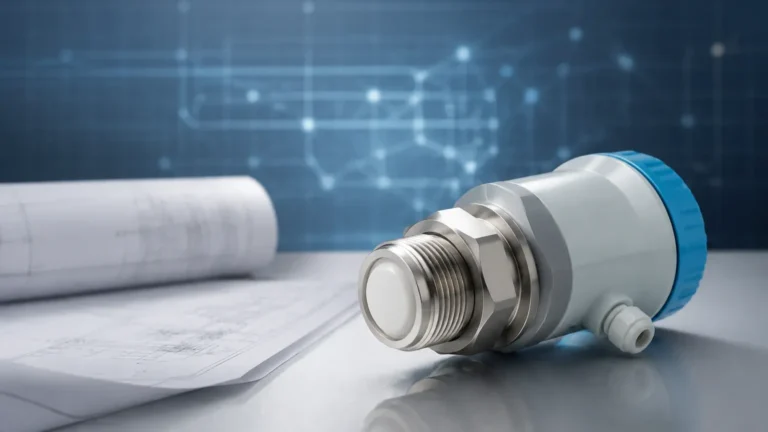
Hydrostatic transmitters measure the pressure exerted by the liquid column above the sensor. The pressure is directly proportional to the height of the liquid (Level = Pressure / Density). This technology is contact-based and typically involves a submersible probe. It is highly effective for deep wells or narrow standpipes where non-contact sensors might face interference from wall reflections.
Selection Criteria for Water Sample Station Instrumentation
Choosing the right equipment requires a comparison of technical specifications against the specific needs of the water sample station. The following table provides a practical selection guide for level measurement technologies used in sampling environments.
| Feature | Radar Level Meter | Ultrasonic Sensor | Hydrostatic Transmitter |
| :— | :— | :— | :— |
| Measurement Type | Non-contact (Microwave) | Non-contact (Sound) | Contact (Pressure) |
| Accuracy | ±1 mm to ±5 mm | ±0.25% of range | ±0.1% to ±0.5% of span |
| Range | Up to 120 meters | 0.25 to 15 meters | 1 to 200 meters |
| Effect of Foam | Minimal | High (Signal loss) | None |
| Effect of Steam | None | High (Signal delay) | None |
| Maintenance | Very Low | Low | Moderate (Cleaning required) |
| Ideal Application | Chemical tanks, agitated basins | Open channels, clean water | Deep wells, sumps |
Key Components and Design of a Water Sample Station
A robust water sample station consists of several integrated components designed to maintain sample integrity. While the level sensor provides the data necessary for automation, the physical station must be built to withstand the environment.
1. Sampling Enclosure: Usually constructed from stainless steel (SS304 or SS316) or glass-reinforced plastic (GRP) to protect internal components from UV radiation and weather.
2. Inlet and Outlet Piping: Often utilizing 1/4-inch or 1/2-inch (6mm to 12mm) tubing. Materials must be chemically inert, such as PTFE or high-grade stainless steel, to prevent sample contamination.
3. Flow Control Valves: Needle valves or pressure-reducing valves are used to maintain a steady flow rate, typically between 500 mL/min and 2000 mL/min, ensuring the sensors (pH, ORP, Turbidity) receive a stable stream.
4. Level and Flow Instrumentation: This includes the radar or ultrasonic sensors discussed previously, as well as flow switches to confirm that a sample is actually moving through the station.
5. Drainage System: A dedicated sink or floor drain to manage the continuous flow of analyzed water, which must be routed back to the process or to a waste treatment line.
Installation and Engineering Considerations
To ensure factual accuracy and long-term reliability, several engineering guidelines must be followed during the installation of a water sample station and its level sensors.
Sensor Positioning
For non-contact sensors like radar or ultrasonic, the device must be mounted perpendicular to the liquid surface. It is essential to avoid "dead zones" (the area immediately below the sensor where measurement is impossible). For radar sensors, this is typically the first 50 mm to 200 mm (2 to 8 inches) of the range. Ensure there are no structural obstructions, such as ladders or inlet pipes, within the sensor's signal beam angle.
Environmental Protection
In cold climates, water sample stations must be equipped with heat tracing and insulation to prevent freezing. Similarly, if the station is located in a hazardous area (e.g., near a fuel storage tank), all level instruments must be ATEX or IECEx certified for explosive atmospheres.
Piping and Hydraulics
The sample line should be as short as possible to minimize "lag time" (the time it takes for water to travel from the process pipe to the station). A common rule of thumb is to maintain a velocity of at least 0.6 to 1.5 meters per second (2 to 5 feet per second) in the sample line to prevent the settling of solids.
Limitations and Common Risks
While water sample stations are highly effective, they are subject to certain limitations that engineers must account for:
* Representative Sampling Risks: If the level in the source tank is too low, the sample pump may draw air or sediment from the bottom, leading to inaccurate quality readings. This highlights the necessity of interlocking the sample pump with a high-accuracy level sensor.
* Biofouling: In wastewater applications, algae and bacterial growth can coat sensors and clog small-diameter tubing. Regular cleaning cycles and the use of UV-stabilized materials are required.
* Signal Interference: In metal tanks, radar signals can bounce off walls, creating "false echoes." Advanced level meters utilize software-based false echo suppression to ignore these reflections, but proper initial configuration is mandatory.
* Pressure Spikes: Rapid changes in line pressure can damage delicate analytical probes within the station. The installation of a pressure regulator at the inlet is a standard requirement.
Frequently Asked Questions (FAQs)
Q: How often should the level sensors in a water sample station be calibrated?
A: For most industrial applications, an annual calibration check is sufficient. However, if the station is used for regulatory compliance (e.g., EPA or local environmental discharge permits), semi-annual verification is recommended.
Q: Can a water sample station handle high-temperature process water?
A: Yes, but a sample cooler (heat exchanger) must be installed before the water reaches the instrumentation and sample taps. Most level and quality sensors are rated for temperatures below 50°C (122°F).
Q: What is the benefit of using an 80GHz radar over a 26GHz radar for these stations?
A: 80GHz radar has a narrower beam angle and a smaller antenna size. This makes it much easier to install in small tanks or through narrow nozzles without interference from the tank walls, which is common in compact water sample station designs.
Q: Is a hydrostatic sensor better than a radar sensor for outdoor sumps?
A: Hydrostatic sensors are excellent for deep sumps and are unaffected by surface turbulence. However, radar is preferred if the liquid is corrosive or if the operator wants to avoid contact with the medium to reduce maintenance needs.
By adhering to these technical boundaries and selection criteria, B2B stakeholders can ensure that their water sample station provides the precise data required for modern industrial automation and environmental stewardship. For a comprehensive range of level measurement solutions tailored to these applications, professionals should consult the technical specifications available on the Welk Main Page.