High Temperature Sanitary Magmeter
High Temperature Sanitary Magmeter
In the realm of process automation, the accurate measurement of liquid flow is critical for maintaining product quality, ensuring safety, and optimizing resource efficiency. For industries such as food and beverage, pharmaceuticals, and biotechnology, these measurements must often be taken under demanding conditions, including high process temperatures and strict hygienic requirements. The high temperature sanitary magmeter has emerged as a primary solution for these applications, combining the reliability of electromagnetic flow measurement with specialized materials and designs that withstand thermal stress and rigorous cleaning protocols.
Selecting the appropriate instrumentation requires a deep understanding of both the physical principles of measurement and the mechanical constraints of the process environment. This guide provides a technical overview of high temperature sanitary magmeter technology, selection criteria, and installation considerations for engineering professionals.
Understanding the Electromagnetic Measurement Principle
The operation of a high temperature sanitary magmeter is based on Faraday’s Law of Electromagnetic Induction. This principle states that a conductor moving through a magnetic field produces an electromotive force (voltage) proportional to the velocity of the conductor. In the context of a flow meter, the "conductor" is the process fluid itself.
The Measurement Mechanism
Inside the flow meter body, a set of electromagnetic coils generates a constant magnetic field ($B$) across the pipe's cross-section. As a conductive liquid flows through this field at a certain velocity ($v$), a voltage ($E$) is induced. This voltage is picked up by two electrodes mounted on opposite sides of the pipe wall. The relationship is expressed by the formula:
$$E = B \cdot v \cdot D$$
Where:
* E is the induced voltage.
* B is the magnetic field strength.
* v is the average flow velocity.
* D is the diameter of the pipe (the distance between electrodes).
Because the magnetic field strength and the pipe diameter are fixed constants, the induced voltage is directly proportional to the flow velocity. The transmitter then converts this micro-voltage signal into a standard output, such as 4-20mA, pulse, or digital communication protocols (HART, Modbus, Profibus).
Requirement for Conductivity
A fundamental limitation of the magmeter is that the fluid must be electrically conductive. Most aqueous solutions, including milk, juices, beer, and pharmaceutical buffers, possess sufficient conductivity (typically >5 μS/cm). However, non-conductive fluids like oils, alcohols, or demineralized water cannot be measured using this technology.
Engineering for High-Temperature Sanitary Environments
A "sanitary" magmeter differs from standard industrial models in its construction materials and mechanical design. When high temperatures—often associated with Clean-in-Place (CIP) or Steam-in-Place (SIP) cycles—are introduced, the engineering requirements become even more stringent.
Liner Materials and Thermal Stability
The liner is the most critical component in a high temperature sanitary magmeter. It must provide electrical insulation, resist chemical corrosion, and maintain its structural integrity at elevated temperatures. In sanitary applications, PFA (Perfluoroalkoxy) is the preferred material. Unlike standard PTFE, PFA can be molded with reinforcing metal meshes or mechanical anchors that prevent the liner from expanding, contracting, or collapsing under vacuum conditions during rapid temperature shifts (thermal shock).
Standard sanitary magmeters may handle temperatures up to 100°C (212°F), but high-temperature variants are engineered to withstand continuous operation at 150°C (302°F) or even 180°C (356°F) for short durations during sterilization.
Hygienic Design Standards
To prevent bacterial growth, the internal bore of the meter must be smooth and free of crevices. This is typically achieved through:
* Surface Finish: Stainless steel components (usually 316L) and liners are polished to a surface roughness of $Ra < 0.8 \mu m$ (32 micro-inches) or better.
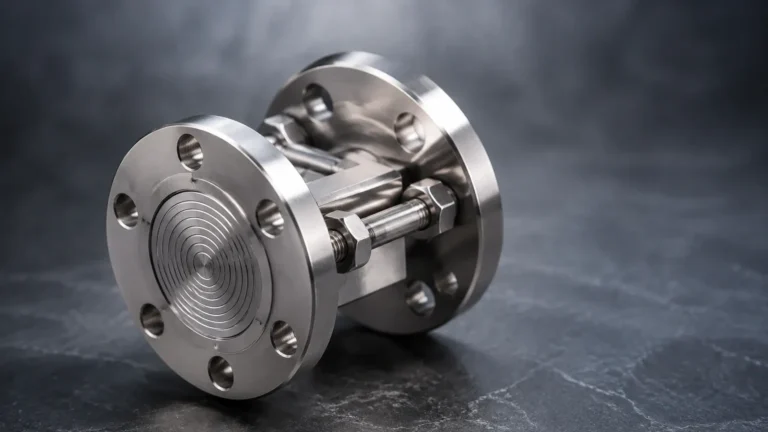
* Hygienic Connections: The meter uses specialized fittings such as Tri-Clamp, DIN 11851, or SMS unions, which allow for easy removal and cleaning without leaving dead spaces where product can accumulate.
* Compliance: Reliable instruments should comply with international standards such as 3-A Sanitary Standards, EHEDG (European Hygienic Engineering & Design Group), and FDA material regulations.
Key Selection Criteria for Sanitary Magmeters
When evaluating a high temperature sanitary magmeter for a specific project, engineers must consider the intersection of hydraulic performance and environmental durability. The following table summarizes the primary differences between standard and high-temperature sanitary models.
| Feature | Standard Sanitary Magmeter | High Temperature Sanitary Magmeter |
| :— | :— | :— |
| Liner Material | PTFE or FEP | PFA (often reinforced) |
| Max Operating Temp | 90°C to 120°C | 150°C to 180°C |
| Vacuum Resistance | Limited | High (due to mechanical anchoring) |
| Transmitter Mounting | Often Integral | Often Remote (to protect electronics) |
| Cleaning Compatibility | Standard CIP | Aggressive CIP and SIP (Steam) |
| Accuracy | ±0.5% of rate | ±0.25% to ±0.5% of rate |
Remote vs. Integral Electronics
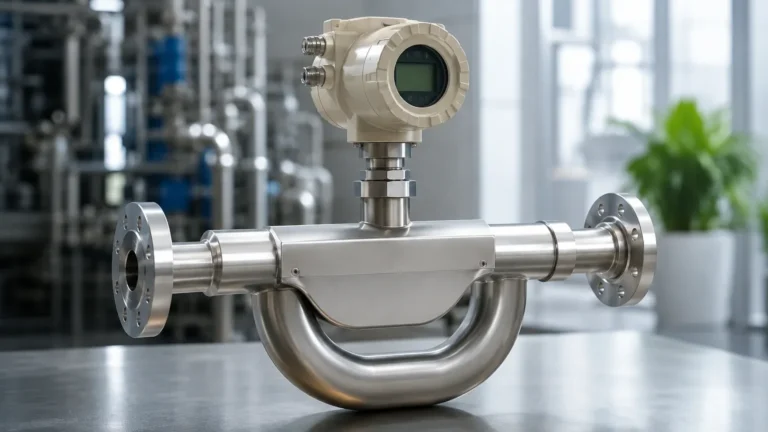
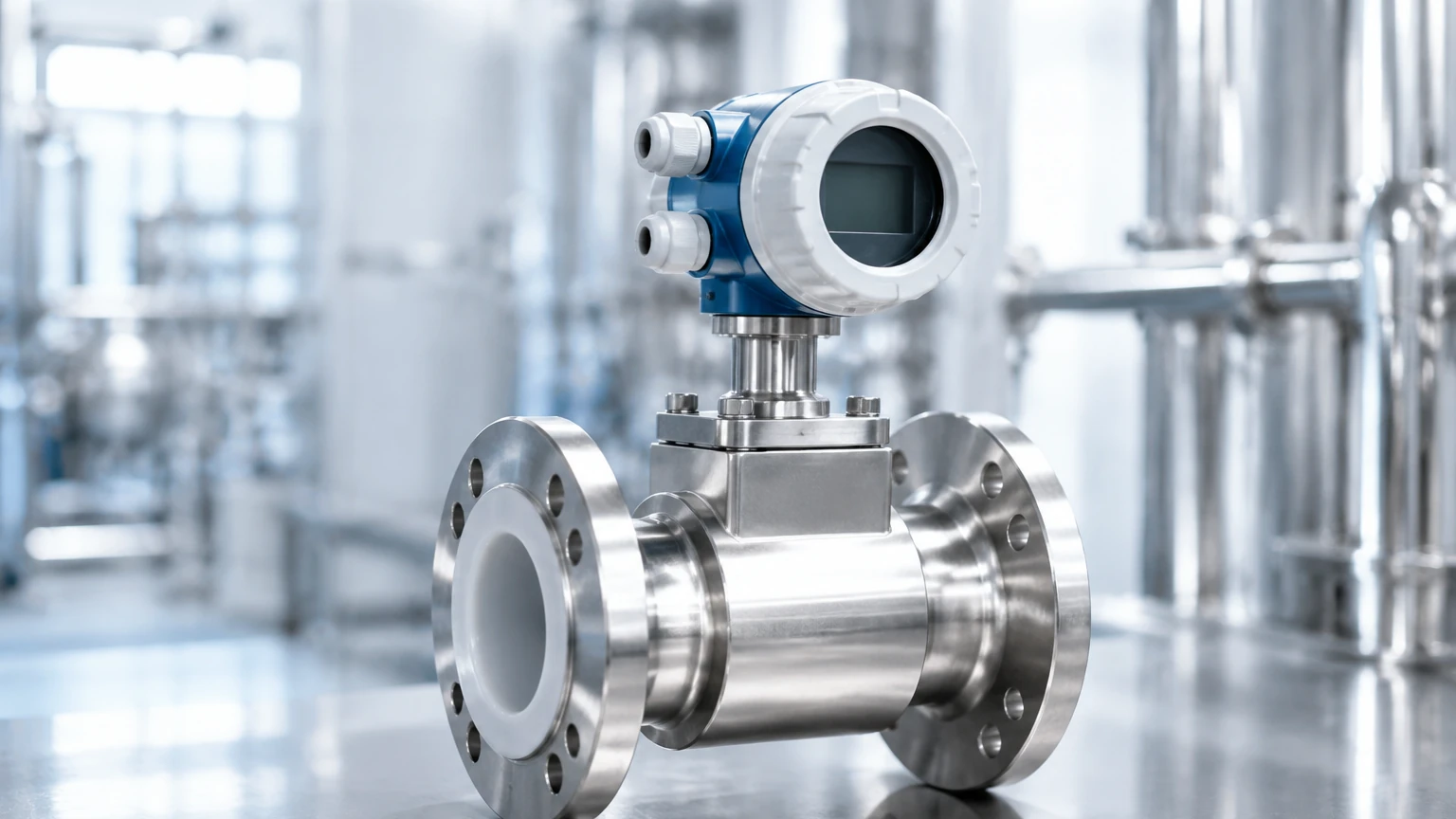
In high-temperature applications, heat radiating from the process pipe can damage the sensitive electronics in the transmitter. For process temperatures exceeding 120°C (248°F), it is standard practice to use a remote-mounted transmitter. In this configuration, the sensor head is installed on the pipeline, and the electronic transmitter is mounted on a nearby wall or stand, connected by a specialized signal cable. This isolation ensures the longevity of the components and allows for easier calibration and monitoring.
Electrode Material Selection
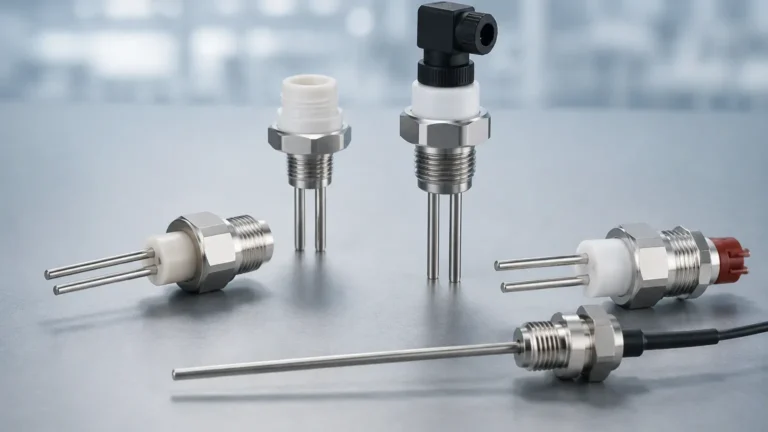
While 316L Stainless Steel is the standard for most food applications, certain pharmaceutical or chemical processes may involve corrosive cleaning agents or acidic products. In these cases, electrodes made from Hastelloy C, Tantalum, or Platinum may be required to prevent pitting and signal degradation.
Installation Best Practices for Process Integrity
The performance of a high temperature sanitary magmeter is heavily dependent on proper installation. Even the most advanced sensor will provide inaccurate readings if the hydraulic conditions are not optimized.
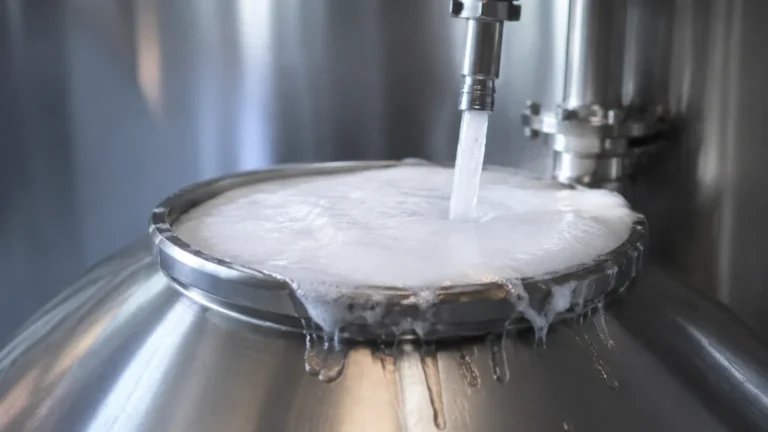
1. Full Pipe Requirement: The magmeter must always be completely full of liquid. If air pockets or bubbles are present, the meter will either over-read or fail to provide a stable signal. To ensure a full pipe, the meter should be installed in a vertical line with upward flow or at the lowest point of a U-shaped horizontal line.
2. Straight Pipe Runs: To achieve a stable flow profile, the meter requires straight sections of pipe upstream and downstream. A general rule is 5 diameters (5D) of straight pipe before the meter and 2 diameters (2D) after the meter. If high-precision measurement is required near pumps or valves, these distances may need to be increased.
3. Grounding: Since the magmeter measures very small voltages, electrical noise can interfere with the signal. In sanitary systems using stainless steel piping, the fluid is usually naturally grounded to the pipe. However, if the pipe is plastic or lined, grounding rings or a third "grounding electrode" within the meter must be used to ensure a stable reference potential.
4. Thermal Expansion: In high-temperature systems, the piping will expand and contract. Engineers must ensure that the meter is not subjected to excessive mechanical stress or torque from the surrounding pipework, which could damage the seals or the liner.
For a broader look at how these flow solutions integrate with level measurement systems in industrial automation, you can Review product options and application support at our Main Page.
Limitations and Operational Constraints
Despite their versatility, high temperature sanitary magmeters have specific limitations that must be managed:
* Conductivity Threshold: As mentioned, they cannot measure hydrocarbons, distilled water, or gases. If the conductivity of the fluid changes significantly during a process (e.g., during a transition from product to rinse water), the meter may require recalibration or a multi-range setting.
* Minimum Flow Velocity: Magmeters are most accurate when the flow velocity is between 0.5 m/s and 10 m/s. At very low velocities, the induced voltage is so small that it becomes difficult to distinguish from background noise.
* Liner Abrasion: While PFA is highly chemical-resistant, it can be damaged by abrasive slurries or sharp particles. In the food industry, this is rarely an issue unless the product contains hard seeds or crystalline structures.
* Ambient Temperature: While the sensor can handle high process temperatures, the ambient temperature around the transmitter (if integral) should generally not exceed 60°C (140°F).
Maintenance and Troubleshooting in Hygienic Applications
One of the primary advantages of the magmeter is that it has no moving parts in the flow stream, which significantly reduces maintenance requirements compared to turbine or positive displacement meters. However, in sanitary environments, specific issues can arise.
Electrode Coating
In applications involving fats, proteins, or sticky syrups, a film can build up over the electrodes. This coating acts as an insulator, weakening the signal and causing the meter to under-read. Regular CIP cycles usually prevent this, but if the coating is persistent, electrodes with a "self-cleaning" design or ultrasonic cleaning features may be necessary.
Moisture Ingress
In wash-down environments, moisture can enter the transmitter housing if seals are not maintained. High-quality sanitary magmeters should have an IP67 or IP68 rating. During maintenance, technicians should inspect the cable glands and O-rings to ensure the internal electronics remain dry.
Troubleshooting Common Issues
* Erratic Readings: Often caused by entrained air or improper grounding. Check the pipe for fullness and verify the grounding connection to the process liquid.
* Zero Drift: If the meter shows a flow rate when the pumps are off, it may be due to electrical interference or a slight buildup on the electrodes. Most modern transmitters include a "low flow cut-off" and a "zero-point adjustment" to mitigate this.
Frequently Asked Questions (FAQ)
Q: Can a sanitary magmeter be used for steam flow?
A: No. Magmeters only work with conductive liquids. Steam is a gas and does not have the necessary conductivity. For steam flow, vortex or differential pressure meters are typically used.
Q: How often should a high temperature sanitary magmeter be calibrated?
A: In most food and beverage applications, an annual calibration is sufficient. However, in regulated pharmaceutical environments, semi-annual or even quarterly verification may be required by standard operating procedures (SOPs).
Q: Does the orientation of the meter matter?
A: Yes. While they can be installed horizontally, vertically, or at an angle, the electrodes must always be in a horizontal plane to prevent air bubbles from insulating them. Furthermore, the flow must always be upward in vertical installations to ensure the pipe is full.
Q: What is the impact of high-pressure cleaning on the meter?
A: Sanitary magmeters are designed to withstand external wash-downs. However, ensure the meter's ingress protection (IP) rating is suitable for the pressure of the water jets used in your facility (e.g., IP69K for high-pressure, high-temperature wash-down).
By selecting a high temperature sanitary magmeter with the appropriate liner reinforcement and transmitter configuration, process engineers can ensure accurate, hygienic, and long-lasting flow measurement even in the most demanding thermal environments. For more detailed technical specifications and to explore our full range of industrial measurement solutions, visit our Main Page.