A Constant Flow Selector Valve Type of Low Pressure Flowmeter
A Constant Flow Selector Valve Type of Low Pressure Flowmeter
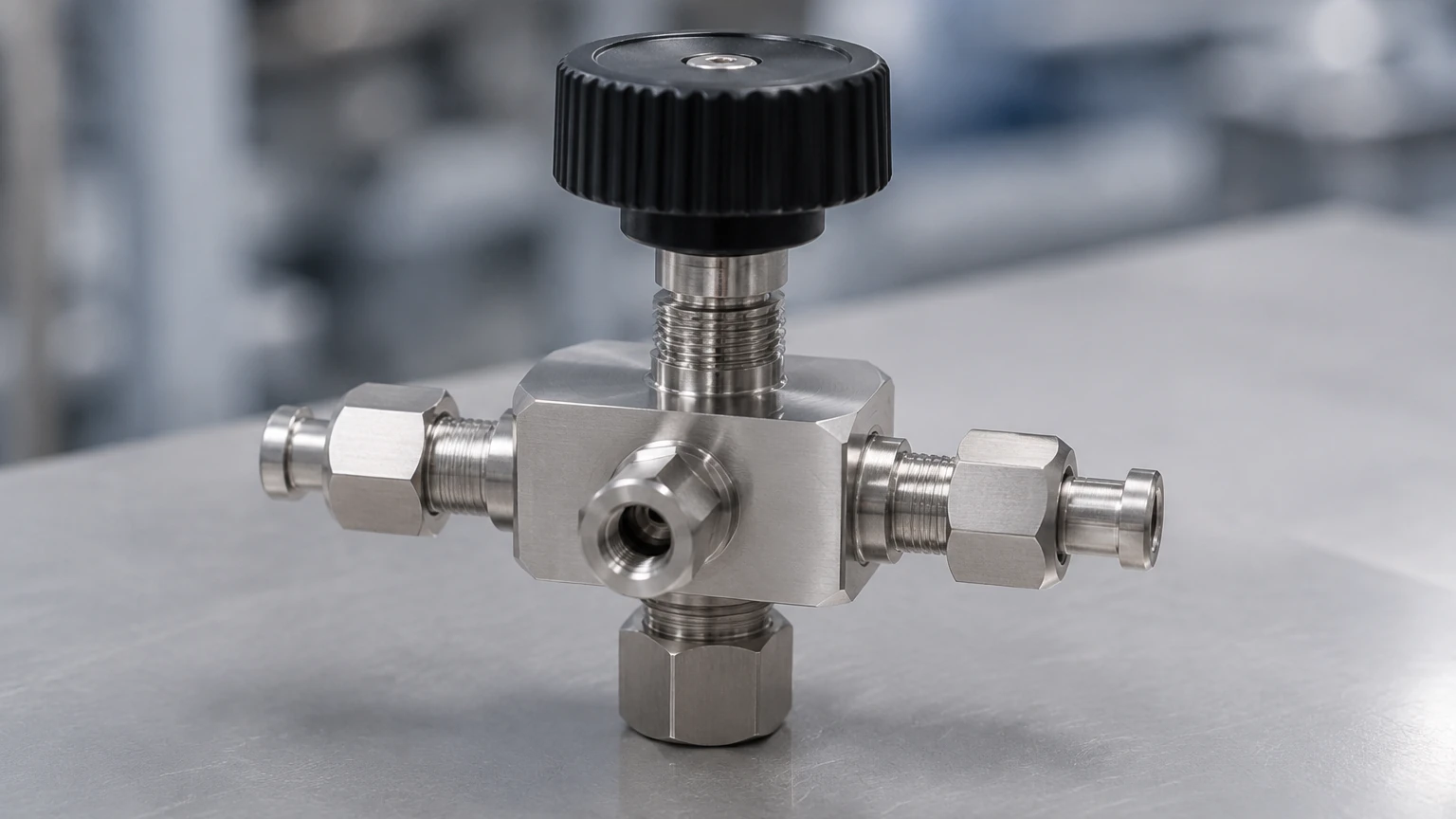
In the landscape of industrial process control, maintaining a steady flow rate under fluctuating pressure conditions is a common yet complex challenge. One of the most reliable instruments engineered for this purpose is a constant flow selector valve type of low pressure flowmeter. Often integrated into purging systems and specialized level measurement setups, this device ensures that gas or liquid delivery remains uniform, regardless of changes in downstream or upstream pressure.
For engineers and technicians working in water treatment, chemical processing, and oil and gas, understanding the mechanics and application of these flowmeters is essential for ensuring the accuracy of secondary instruments, such as hydrostatic level transmitters. This article explores the principles, selection criteria, and practical applications of these specialized flow control devices.
Measurement Principles and Working Mechanism
The fundamental goal of a constant flow selector valve type of low pressure flowmeter is to provide a stabilized flow rate. In standard flowmeters, the flow rate ($Q$) is a function of the pressure differential ($ΔP$) across an orifice or a needle valve. If the inlet pressure rises or the outlet backpressure increases, the $ΔP$ changes, causing the flow rate to fluctuate.
A constant flow selector valve type of low pressure flowmeter solves this by incorporating a built-in differential pressure regulator. The mechanism typically consists of the following components:
1. Adjustable Needle Valve: This allows the user to set the desired flow rate manually.
2. Internal Diaphragm and Spring Assembly: This acts as the "selector" or regulator. It senses the pressure both before and after the needle valve.
3. Variable Orifice: The diaphragm moves in response to pressure changes, opening or closing a secondary internal valve to maintain a constant pressure drop across the primary needle valve.
The Physics of Constant Flow
By keeping the pressure drop across the needle valve constant, the flow rate remains fixed according to the formula $Q = C_v √(ΔP)$, where $C_v$ is the flow coefficient of the valve and $ΔP$ is the regulated pressure difference. Even if the process tank pressure increases (increasing backpressure), the internal diaphragm adjusts to increase the supply pressure proportionately, keeping the flow rate stable.
Applications in Level Measurement: The Bubbler System
One of the most critical uses for a constant flow selector valve type of low pressure flowmeter is in bubbler-type level measurement systems. In environments where traditional sensors might fail—such as with highly corrosive liquids, slurries, or high-temperature molten metals—the bubbler method is a preferred non-contact solution.
In a bubbler system, a dip tube is submerged in the liquid. A gas (usually compressed air or nitrogen) is forced through the tube. The pressure required to push the bubbles out of the bottom of the tube is equal to the hydrostatic pressure of the liquid column above the tube's opening.
To ensure accuracy, the gas flow must be kept extremely low and, more importantly, constant. If the flow rate is too high, it creates additional dynamic pressure (friction) in the tube, leading to a false high-level reading. If the flow stops, the liquid may back up into the sensing lines. By using a constant flow selector valve type of low pressure flowmeter, the system compensates for the increasing liquid head as the tank fills, ensuring the purge gas flow remains at the precise set point (typically between 20 to 100 L/h or 0.7 to 3.5 SCFH).
For more information on the instruments used in these integrated systems, you can visit the Main Page of professional measurement manufacturers.
Key Evaluation Criteria for Selection
Selecting the right constant flow selector valve type of low pressure flowmeter requires a detailed understanding of the process environment. Because these devices are precision instruments, small variations in specification can lead to significant performance issues.
Material Compatibility
The body and diaphragm materials must be resistant to the medium being metered. While many low-pressure gas applications use aluminum or brass, chemical and offshore applications typically require 316L Stainless Steel. Diaphragms are often made of Viton, PTFE, or Buna-N, depending on chemical resistance requirements.
Pressure and Flow Ranges
These meters are specifically designed for low-pressure applications. Most models operate within an inlet pressure range of 1.4 bar to 10 bar (20 to 145 PSI). The flow range is typically small, often calibrated for air or water at standard conditions.
Selection Table for Constant Flow Flowmeters
| Feature | Specification Range (Typical) | Considerations |
| :— | :— | :— |
| Flow Range (Air) | 0.1 – 500 L/h (0.003 – 18 SCFH) | Ensure the range covers your specific purge requirement. |
| Max Inlet Pressure | 10 bar (145 PSI) | Must exceed the maximum supply pressure. |
| Max Backpressure | 7 bar (100 PSI) | Must exceed the maximum hydrostatic head in the tank. |
| Accuracy | ±5% to ±10% of Full Scale | Constant flow stability is more critical than absolute accuracy. |
| Connection Size | 1/8" or 1/4" NPT/G | Matches standard instrumentation tubing. |
| Temperature Range | -20°C to +70°C | Standard elastomers may limit high-temp use. |
Installation Considerations and Best Practices
Proper installation is paramount for a constant flow selector valve type of low pressure flowmeter to function correctly. Because the internal regulator relies on a sensitive diaphragm, the following guidelines should be followed:
* Orientation: Most constant flowmeters are designed for vertical mounting with the flow moving upward. This allows the internal float (if equipped with a rotameter) to provide a visual indication of the flow rate.
* Filtration: Low-pressure flowmeters have small internal orifices that are susceptible to clogging. A 5-micron filter should be installed upstream to prevent particulates from entering the regulator.
* Upstream Pressure Stability: While the device compensates for pressure changes, it requires a minimum differential (usually around 0.7 bar or 10 PSI) between the inlet and the outlet to operate the diaphragm mechanism effectively.
* Leak Testing: In bubbler level systems, even a microscopic leak between the flowmeter and the dip tube will result in significant measurement errors. Use electronic leak detectors or high-quality compression fittings.
Limitations and Common Risks
Despite their utility, these devices are not universal solutions. Engineers should be aware of the following limitations:
1. Minimum Differential Pressure: If the supply pressure drops too close to the process backpressure, the internal regulator will "stall," and the flow rate will drop or become erratic.
2. Medium Viscosity: These flowmeters are primarily designed for gases and low-viscosity liquids (like water). High-viscosity fluids can cause the internal diaphragm to stick or respond sluggishly.
3. Extreme Pressure Spikes: Rapid, high-pressure surges can rupture the internal diaphragm. If the process is prone to water hammer or gas surges, upstream pressure regulators and snubbers are required.
4. Clogging: In gas systems, moisture in the air can freeze or cause corrosion inside the small needle valve orifice. Using dry, instrument-grade air is mandatory.
Frequently Asked Questions (FAQs)
1. Why use a constant flow selector valve instead of a standard needle valve?
A standard needle valve cannot compensate for pressure changes. If the tank level rises, the backpressure increases, which reduces the flow through a standard needle valve. A constant flow selector valve automatically adjusts to maintain the set flow regardless of the tank level.
2. Can these flowmeters be used for liquids other than water?
Yes, provided the liquid is clean, non-viscous, and compatible with the materials of construction. However, they are most commonly used for gas purging in level and analyzer systems.
3. How do I calibrate a constant flow selector valve type of low pressure flowmeter?
Calibration is typically performed at the factory for a specific gas (usually Air or $N_2$) at a specific pressure. If your operating conditions differ significantly, you must apply correction factors for density and viscosity, or request a custom calibration from the manufacturer.
4. What is the typical lifespan of the internal diaphragm?
In clean, dry gas service, the diaphragm can last 5 to 10 years. However, exposure to corrosive gases or frequent pressure cycling can reduce this lifespan. Regular inspection of the flow stability is recommended.
Conclusion
The a constant flow selector valve type of low pressure flowmeter is a specialized but indispensable tool in the world of industrial instrumentation. By providing a steady, regulated flow in the face of varying pressures, it enables the high-precision operation of bubbler level systems and chemical analyzers.
When specifying these units, engineers must prioritize material compatibility and ensure that the minimum differential pressure requirements are met. When correctly installed and maintained, these devices provide a cost-effective and reliable solution for challenging level measurement and process control applications. For those seeking to integrate these components into broader automation systems, consulting a professional manufacturer like Welk ensures that the selected instruments align with the specific demands of the industrial environment. Exploring the Main Page of such specialists can provide further insight into the full range of level and flow measurement technologies available for modern process plants.
Download A Constant Flow Selector Valve Type of Low Pressure Flowmeter as a PDF