Hemp Oil Extractors
Hemp Oil Extractors
In the rapidly evolving landscape of botanical processing, hemp oil extractors represent the core infrastructure for producing high-quality CBD, CBG, and full-spectrum oils. As the industry shifts from artisanal batches to large-scale industrial production, the demand for precision, safety, and automation has increased significantly. Central to the efficient operation of these extraction systems is the accurate monitoring of fluids—including solvents, crude extracts, and refined oils.
Industrial hemp oil extractors utilize various solvents and mechanical processes to separate cannabinoids and terpenes from raw biomass. Managing these fluids requires specialized level measurement instruments that can withstand high pressures, cryogenic temperatures, and volatile environments. This guide explores the technical requirements for level sensing within extraction systems and provides an engineering reference for selecting the appropriate technology.
Measurement Principles in Extraction Environments
Before selecting a sensor for hemp oil extractors, it is essential to understand the physical principles governing level measurement in these specific process conditions. Level sensors generally fall into two categories: continuous measurement and point level detection.
1. Radar Level Measurement (ToF)
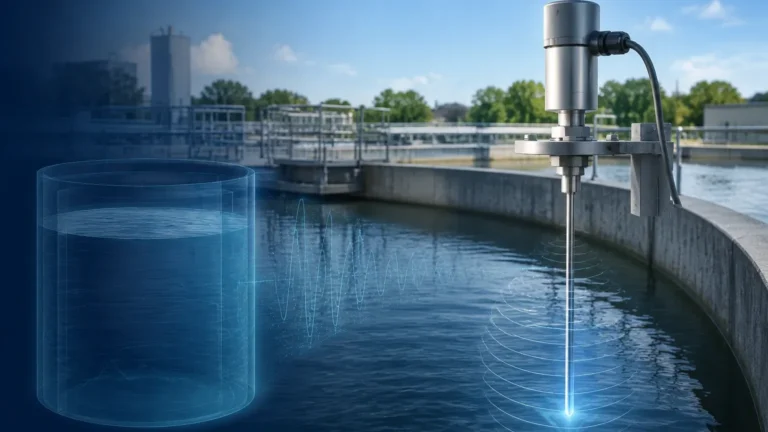
Radar sensors operate on the Time-of-Flight (ToF) principle. High-frequency microwave pulses are emitted toward the product surface and reflected back to the sensor. The distance is calculated based on the time interval between emission and reception.
* Non-contact Radar: Ideal for corrosive solvents or viscous crude oils because the sensor does not touch the medium. It is unaffected by changes in density or temperature.
* Guided Wave Radar (GWR): Uses a probe to lead the signal. This is particularly effective in small-diameter tanks or bypass chambers where internal obstructions might interfere with non-contact signals.
2. Ultrasonic Level Sensors
Ultrasonic sensors emit high-frequency sound waves. The time taken for the echo to return from the liquid surface determines the level. While cost-effective, these are generally limited to atmospheric tanks and are sensitive to vapor layers or foam, which can occur during solvent recovery phases in hemp oil extractors.
3. Hydrostatic Pressure Measurement
This principle measures the weight of the liquid column above a sensor. The pressure at the bottom of the tank is proportional to the height of the liquid and its density. This is a reliable method for vented tanks containing ethanol or water-based extracts, provided the density remains constant.
4. Magnetic Level Gauges
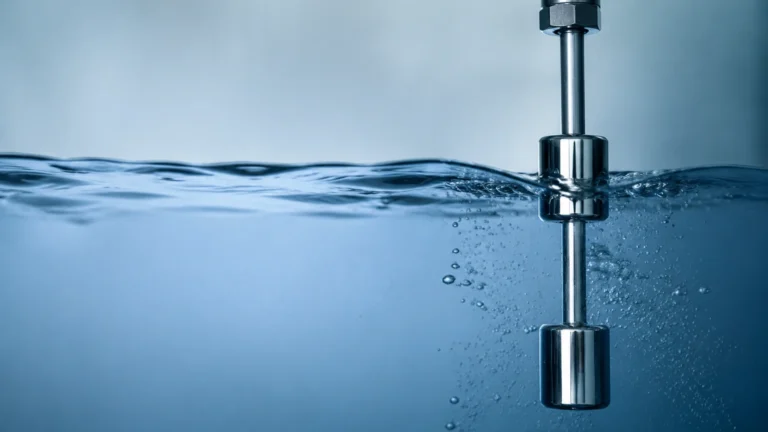
Magnetic gauges utilize a float containing a permanent magnet that moves with the liquid level. Outside the chamber, a series of magnetic flags or a transmitter tracks the float’s position. This provides a clear visual indication and a secondary electronic signal, which is vital for high-pressure CO2 extraction vessels.
The Role of Level Sensors in Hemp Oil Extractors
Hemp oil extractors are not single machines but integrated systems consisting of several stages. Each stage presents unique challenges for level instrumentation.
Solvent Storage and Management
Whether using ethanol, CO2, or hydrocarbons (butane/propane), solvents must be stored and metered accurately. In chilled ethanol systems, sensors must operate at temperatures as low as -40°C to -80°C. For hydrocarbon extraction, explosion-proof (Ex-rated) instrumentation is mandatory to ensure safety in hazardous zones.
Extraction Vessels
In the primary extraction chamber, the solvent interacts with the hemp biomass. Level sensors here help automate the filling process, ensuring the correct solvent-to-biomass ratio is achieved. If the level is too low, extraction efficiency drops; if too high, there is a risk of solvent carryover into the filtration system.
Evaporation and Solvent Recovery
After extraction, the solvent must be removed from the oil. This is typically done via falling film evaporators or rotary evaporators. Level control in the evaporator sump is critical to prevent "dry firing," which can damage the equipment and degrade the heat-sensitive cannabinoids. Continuous radar measurement is often the preferred choice here due to its high accuracy and ability to ignore the heavy vapors present during boiling.
For a detailed look at the specific instruments used in these automated processes, you may visit the Main Page for a comprehensive overview of industrial measurement solutions.
Technical Selection Criteria for Extraction Systems
When specifying level meters for hemp oil extractors, engineers must evaluate several environmental and chemical factors. The following table provides a comparison of common technologies used in this sector.
| Technology | Best Application | Advantages | Limitations |
| :— | :— | :— | :— |
| Non-contact Radar | Crude oil storage, Solvent recovery | High accuracy, no moving parts, ignores vapor | Higher initial cost |
| Guided Wave Radar | Small solvent tanks, bypass pipes | Works in foam, high pressure/temp | Probe may require cleaning |
| Ultrasonic | Water tanks, wastewater | Low cost, easy installation | Poor performance in vacuum or high vapor |
| Hydrostatic | Large ethanol storage tanks | Simple, reliable for deep tanks | Requires constant density for accuracy |
| Magnetic Gauge | High-pressure CO2 vessels | Visual + Electronic redundancy | Moving parts (float) can get stuck if oil is too waxy |
Chemical Compatibility
Hemp oil and the solvents used to extract it (especially hydrocarbons and ethanol) can degrade certain plastics and elastomers. Welk level meters are typically constructed with 316L stainless steel wetted parts and PTFE or FKM (Viton) seals to ensure long-term durability and prevent contamination of the final product.
Sanitary Requirements
Since hemp oil is often destined for human consumption (as supplements or pharmaceuticals), the extractors must meet sanitary standards. Sensors should feature tri-clamp connections and polished surfaces (Ra < 0.8 µm) to facilitate Clean-in-Place (CIP) procedures and prevent bacterial growth.
Installation and Maintenance Considerations
Proper installation is as important as selecting the right technology. For hemp oil extractors, the following guidelines should be followed:
1. Avoid Internal Obstructions: When installing radar or ultrasonic sensors, ensure the signal path is clear of agitators, heating coils, or spray balls. If obstructions are unavoidable, use a stilling well or a guided wave radar.
2. Mounting Position: Sensors should typically be mounted at 1/6th to 1/4th of the tank diameter from the wall to avoid interference from wall reflections.
3. Nozzle Height: Ensure the mounting nozzle is short enough that it does not create a "dead zone" where the sensor cannot accurately read the level near the top of the tank.
4. Calibration: Regular calibration is necessary, especially for hydrostatic sensors if the solvent blend or temperature (and thus density) changes frequently.

Common Risks in Level Monitoring for Extraction
Failure to implement robust level monitoring in hemp oil extractors can lead to several operational risks:
* Overfill Accidents: In systems using flammable hydrocarbons, an overfill can lead to a catastrophic release of pressurized gas.
* Pump Damage: If a tank runs dry and the pump continues to operate (cavitation), it can lead to expensive repairs and significant downtime.
* Batch Inconsistency: Inaccurate level data leads to incorrect solvent-to-solute ratios, resulting in fluctuating potency levels in the final hemp extract.
* Foam Interference: Many botanical extracts produce foam during processing. Using a standard ultrasonic sensor in these conditions may result in a "lost signal" error, halting production.
Frequently Asked Questions (FAQ)
Q: Can I use a single sensor type for all parts of my hemp oil extractor?
A: Generally, no. A high-pressure CO2 vessel requires a different approach (like a magnetic gauge or GWR) compared to a large atmospheric ethanol storage tank (where hydrostatic or non-contact radar is more economical).
Q: How do I handle level measurement in a vacuum oven or evaporator?
A: Radar is the best choice for vacuum applications. Since radar waves do not require a medium (like air) to travel, they are unaffected by the vacuum levels common in decarboxylation or solvent purging.
Q: Are Welk level meters compatible with explosion-proof requirements?
A: Yes. For extractors using flammable solvents like butane or ethanol, we provide sensors with ATEX or IECEx certifications to ensure safe operation in Zone 0, 1, or 2 environments.
Q: What is the maintenance cycle for these sensors?
A: For clean solvent applications, sensors are virtually maintenance-free. For crude oil tanks where waxes and lipids may accumulate, we recommend a visual inspection and cleaning of the probe or antenna every 6 to 12 months, depending on the volume of production.
Conclusion
Selecting the right instrumentation for hemp oil extractors is a critical step in ensuring process safety, product quality, and operational efficiency. By understanding the measurement principles of radar, ultrasonic, and hydrostatic technologies, engineers can design systems that handle the unique challenges of botanical extraction. Whether managing high-pressure CO2 or chilled ethanol, precise level control remains the backbone of modern industrial extraction facilities.