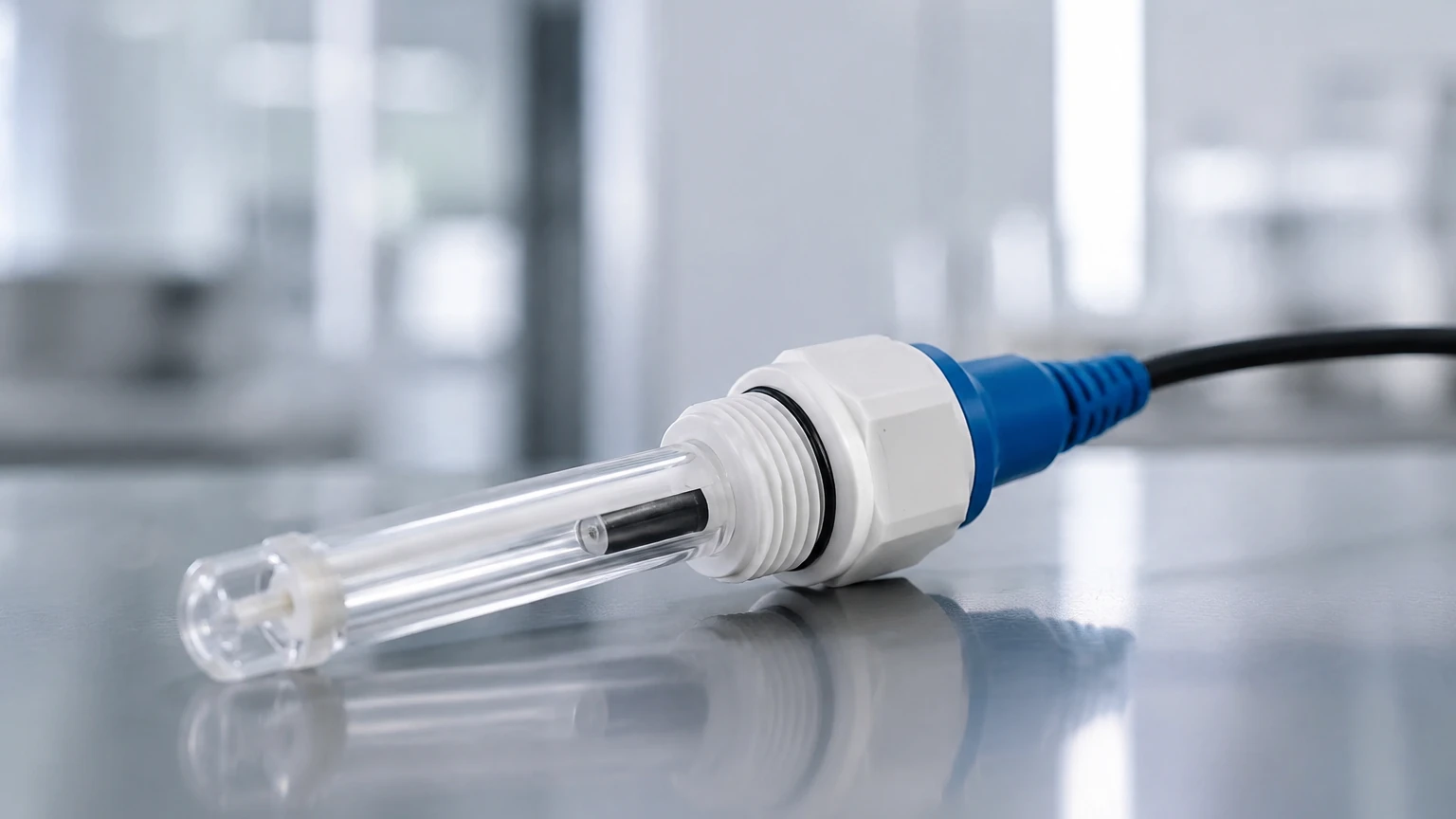
Single-use Ph Sensor
Single-use Ph Sensor
In the modern landscape of biopharmaceutical manufacturing and specialized chemical processing, the transition from traditional stainless-steel infrastructure to single-use technology (SUT) has fundamentally altered instrumentation requirements. The single-use pH sensor is a critical component in this shift, providing the necessary analytical data to maintain process integrity without the overhead of cleaning-in-place (CIP) or sterilization-in-place (SIP) protocols. For process engineers and facility managers, understanding the technical nuances of these sensors is essential for ensuring batch consistency and regulatory compliance.
While traditional pH electrodes are designed for longevity and repeated use, a single-use pH sensor is engineered for a single production cycle, typically ranging from a few days to several weeks. These sensors are often pre-installed into single-use bioreactor (SUB) bags or mixing systems and sterilized via gamma radiation alongside the vessel itself. This article examines the measurement principles, selection criteria, and practical implementation of single-use pH technology within industrial automation frameworks.
Measurement Principles of pH in Single-use Systems
Before selecting a sensor, it is imperative to understand the underlying physics of pH measurement. In industrial B2B applications, two primary technologies dominate the single-use market: potentiometric (glass electrode) and optical (fluorescence-based) sensing.
Potentiometric Glass Electrodes
Traditional pH measurement relies on a glass membrane sensitive to hydrogen ions. A potential difference develops across the membrane, which is measured against a stable reference electrode (usually silver/silver chloride).
In single-use applications, these electrodes are modified to withstand gamma radiation—a process that can dehydrate standard glass membranes or cause "darkening" of the glass, leading to signal drift. Manufacturers use specialized glass formulations and pressurized reference gels to ensure the sensor remains functional after sterilization and during long-term storage in a dry or semi-wet state.
Optical Fluorescence Sensors
Optical pH sensors utilize a chemical indicator (a fluorophore) embedded in a polymer patch. This patch is fixed to the inside of the single-use bag. An external fiber-optic reader sends light of a specific wavelength to the patch, and the resulting fluorescence is measured. The intensity or lifetime of the fluorescence is pH-dependent.
* Pros: No electrolyte leakage, non-invasive, and very low profile.
* Cons: Limited dynamic range (typically pH 5.5 to 8.5) and susceptibility to interference from ambient light or highly turbid media.
Key Evaluation Criteria for Industrial Selection
Selecting a single-use pH sensor requires a balance between analytical precision and mechanical compatibility with the single-use assembly. Engineers should evaluate the following factors:
1. Gamma Radiation Compatibility
Single-use components are typically sterilized using gamma radiation at doses between 25 and 50 kGy. Standard pH electrodes will fail under these conditions. A single-use pH sensor must be validated to maintain its calibration slope and zero point after exposure. Documentation should confirm that the sensor materials do not degrade or release harmful extractables into the process fluid.
2. Shelf Life and Storage
Unlike reusable sensors stored in KCl solution, single-use sensors must often be stored dry or with a minimal hydration cap for 12 to 24 months. The ability of the sensor to "rehydrate" and provide stable readings within a few hours of the bioreactor being filled is a critical performance metric.
3. Drift and Response Time
In long-term cell culture (e.g., 21-day runs), sensor drift can lead to incorrect dosing of CO2 or base, potentially killing the cell line. Industrial-grade single-use sensors should exhibit drift rates of less than 0.05 pH units per week. Response time ($t_{90}$) should ideally be under 30 seconds to allow for real-time process control.
Technical Comparison: Single-use vs. Reusable pH Sensors
The following table outlines the operational differences between traditional and disposable pH sensing technologies.
| Feature | Traditional Reusable Sensor | Single-use pH Sensor |
| :— | :— | :— |
| Sterilization | Autoclave / SIP | Gamma Radiation (Pre-sterilized) |
| Calibration | Manual, multi-point before use | Pre-calibrated (Factory) + 1-point offset |
| Cleaning | Required (CIP) | None (Disposable) |
| Risk of Cross-Contamination | Moderate (if CIP fails) | Negligible |
| Initial Cost | High (Sensor + Housing) | Low (Integrated into bag) |
| Operational Cost | High (Labor, chemicals, steam) | Low (No maintenance) |
| Measurement Range | 0 to 14 pH | Typically 2 to 12 pH (Potentiometric) |
Installation and Integration Considerations
Successful implementation of a single-use pH sensor depends on its integration into the wider control loop. In most industrial setups, pH data is used in conjunction with level measurement and temperature data to manage the mass balance of the reactor.
Mechanical Interface
Single-use sensors are usually mounted via a 1-inch (25.4 mm) or 1.5-inch Sani-Foster or similar aseptic connector. It is vital to ensure that the sensor probe does not interfere with the impellers or spargers inside the bioreactor. For level measurement and control, engineers often refer to the Main Page of instrumentation providers to ensure that the tank geometry and sensor placement do not create "blind spots" in fluid monitoring.
Calibration Protocols
Since single-use sensors are pre-installed in sterile bags, they cannot be removed for a standard two-point buffer calibration. Instead, manufacturers provide "factory calibration" constants (slope and intercept) via a barcode or RFID tag.
Once the bag is filled with media, a "one-point standardization" is performed. A sample is taken from the vessel, measured using a high-precision benchtop pH meter, and the single-use transmitter is adjusted to match this value. This accounts for any minor shifts caused by the gamma sterilization process.
Limitations and Common Risks
While single-use pH sensors offer significant advantages in speed and safety, they are not without limitations:
1. Extractables and Leachables (E&L): The plastics and adhesives used in the sensor body must be rigorously tested. Any leaching of chemicals could inhibit cell growth or contaminate the final drug product.
2. Pressure Constraints: Most single-use bags and their integrated sensors are designed for low-pressure applications, typically below 0.5 bar (7.2 psi). Exceeding these limits can cause the sensor port to leak or fail.
3. Signal Integrity: Because single-use sensors often use longer cable runs or wireless transmitters to maintain the sterile barrier, signal noise can be an issue. High-impedance cables must be shielded and kept away from high-voltage motor drives.
The Role of pH in Automated Level and Process Control
In industrial automation, pH is rarely monitored in isolation. For instance, in a neutralization tank or a fed-batch bioreactor, the pH value dictates the rate at which reagents are pumped into the system. This, in turn, affects the total volume and level within the vessel.
Reliable level measurement ensures that the pH sensor remains submerged. If the fluid level drops below the sensor's active membrane, the reading will flatline or become erratic, potentially triggering an emergency shutdown. Integrating high-quality level transmitters with single-use analytical sensors creates a robust safety net for automated processes. For detailed specifications on level measurement technologies that complement pH monitoring systems, reviewing the Main Page of specialized manufacturers like Welk can provide insights into ultrasonic or radar solutions that work alongside SUT.
Frequently Asked Questions (FAQ)
Q: Can a single-use pH sensor be recalibrated during a run?
A: Yes, through one-point standardization. If the sensor appears to be drifting, a sample can be taken and analyzed offline, and the transmitter offset can be updated. However, the slope cannot be changed mid-run.
Q: How does temperature affect single-use pH readings?
A: Like all pH sensors, single-use versions are temperature-dependent. Most industrial single-use sensors include an integrated PT100 or PT1000 temperature element to provide automatic temperature compensation (ATC).
Q: Are single-use pH sensors environmentally friendly?
A: While they generate plastic waste, they eliminate the need for large volumes of purified water, detergents, and steam required for cleaning reusable stainless-steel systems. Life cycle assessments (LCAs) often show that SUT has a lower overall carbon footprint in biopharma applications.
Q: What is the typical accuracy of a single-use pH sensor?
A: Most potentiometric single-use sensors offer an accuracy of ±0.1 pH units, which is sufficient for the majority of biological processes. High-end models can achieve ±0.02 pH units under controlled conditions.
Conclusion
The single-use pH sensor is more than a disposable version of a traditional tool; it is a specialized instrument designed for the rigors of modern flexible manufacturing. By understanding the measurement principles—whether potentiometric or optical—and strictly adhering to validation protocols regarding gamma stability and shelf life, engineers can significantly reduce the risk of batch failure.
As industries move toward more modular and automated facilities, the integration of these analytical sensors with reliable level and pressure instrumentation becomes paramount. Ensuring that all measurement components, from pH to level transmitters, are selected based on factual engineering data is the most effective way to optimize process yield and maintain safety standards.