Elevel Sensor
Elevel Sensor
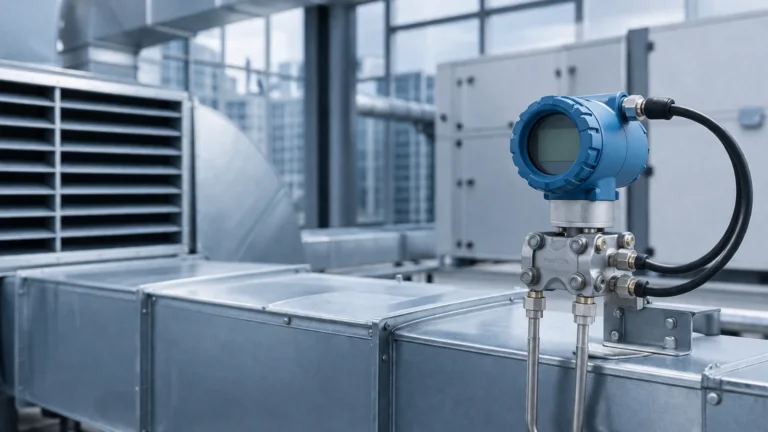
In the landscape of modern industrial automation, the transition from mechanical level indicators to sophisticated electronic monitoring has become a standard for operational efficiency. An elevel sensor (electronic level sensor) represents a broad category of instrumentation designed to convert physical level data into standardized electrical signals. These devices are essential for real-time monitoring, process control, and inventory management across sectors ranging from water treatment to high-pressure chemical manufacturing.
As a professional manufacturer, Welk provides a suite of level measurement instruments that leverage different physical principles to ensure accuracy in diverse environments. Understanding the underlying physics of these sensors is the first step in selecting the correct technology for a specific application.
Measurement Principles of Modern Elevel Sensors
Electronic level measurement is generally categorized into non-contact and contact methods. Each technology utilizes a specific physical phenomenon to determine the distance from the sensor to the medium surface or the pressure exerted by the medium column.
Radar Level Measurement (Time-of-Flight)
Radar-based elevel sensors utilize high-frequency electromagnetic waves, typically in the 26 GHz or 80 GHz range. The sensor emits a microwave pulse that travels to the surface of the medium, reflects, and returns to the receiver. By measuring the Time-of-Flight (ToF) or using Frequency Modulated Continuous Wave (FMCW) technology, the internal processor calculates the distance based on the speed of light.
Radar technology is highly valued because electromagnetic waves do not require a medium for propagation, making them immune to vacuum, high pressure, and temperature fluctuations. The 80 GHz radar, in particular, offers a narrow beam angle, which is critical for avoiding internal tank obstructions like agitators or heating coils.
Ultrasonic Level Measurement (Acoustic Reflection)
Ultrasonic sensors function similarly to radar but use sound waves instead of microwaves. A piezoelectric transducer emits ultrasonic pulses (typically between 20 kHz and 200 kHz). These waves reflect off the liquid or solid surface and return to the transducer. The distance is calculated based on the speed of sound.
Because the speed of sound is affected by air temperature, most high-quality ultrasonic elevel sensors include an integrated temperature probe to provide automatic compensation. This technology is cost-effective for atmospheric applications, such as open-channel flow or water storage tanks.
Hydrostatic Level Measurement (Pressure Differential)
Hydrostatic sensors operate on the principle that the pressure at a specific depth in a static liquid is proportional to the height of the liquid column above it. The formula used is $P = \rho \cdot g \cdot h$, where $P$ is pressure, $\rho$ is the density of the liquid, $g$ is gravity, and $h$ is the height.
These sensors usually employ a piezoresistive or ceramic pressure cell. In vented tanks, a submersible transmitter is lowered to the bottom, and a capillary tube in the cable provides atmospheric pressure compensation to the back of the sensor diaphragm, ensuring that only the liquid column's weight is measured.
Key Types of Electronic Level Measurement Systems
Selecting the right elevel sensor requires an understanding of the specific hardware configurations available in the market. Each type serves a distinct niche in industrial process control.
1. Radar Level Meters: Available as non-contact or guided wave (GWR). Non-contact radar is ideal for corrosive liquids or hygiene-sensitive food and beverage applications. Guided wave radar uses a probe to direct the signal, making it suitable for low dielectric constant (εr) fluids or environments with heavy foam.
2. Ultrasonic Level Sensors: Best suited for simple liquid level monitoring where the medium does not produce heavy vapor or foam. They are widely used in municipal water treatment and irrigation systems.
3. Hydrostatic Level Transmitters: These are the go-to solution for deep wells, boreholes, and large atmospheric storage tanks. They are highly reliable for liquids with constant density.
4. Magnetic Level Gauges with Electronic Outputs: While primarily mechanical, these can be equipped with reed chain transmitters or magnetostrictive sensors to provide a continuous electronic signal (4-20mA or RS485) to a control room.
For a comprehensive look at available hardware and technical specifications, engineers can refer to the Main Page for a detailed breakdown of product capabilities.
Selection Criteria for Industrial Elevel Sensors
Choosing an elevel sensor is not a one-size-fits-all process. Engineers must evaluate the chemical and physical properties of the medium, as well as the environmental conditions of the installation site.
Media Characteristics
* Dielectric Constant (εr): Critical for radar sensors. Liquids with low εr (like oils or liquefied gases) reflect less energy, requiring more sensitive radar units or guided wave technology.
* Density: Essential for hydrostatic sensors. If the density of the fluid changes due to temperature or composition, a hydrostatic sensor will report an incorrect level unless recalibrated.
* Viscosity and Coating: Highly viscous fluids may coat a sensor probe. In such cases, non-contact radar or ultrasonic sensors are preferred over contact-based probes.
Process Conditions
* Temperature: Standard ultrasonic sensors are limited to approximately 80°C (176°F), whereas specialized radar sensors can handle temperatures exceeding 250°C (482°F).
* Pressure: Hydrostatic and radar sensors are better equipped for high-pressure vessels (up to 40 bar / 580 psi or higher) compared to ultrasonic units, which are generally used in atmospheric conditions.
Practical Selection Table
| Technology | Typical Accuracy | Max Range | Media Suitability | Relative Cost |
| :— | :— | :— | :— | :— |
| 80GHz Radar | ±2 mm (0.08") | 120 m (393 ft) | Liquids, Solids, Corrosives | High |
| Ultrasonic | ±0.25% of Range | 15 m (49 ft) | Water, Wastewater, Acids | Medium |
| Hydrostatic | ±0.5% FS | 200 m (656 ft) | Clean Water, Fuel, Oils | Low to Medium |
| Guided Wave Radar| ±3 mm (0.12") | 30 m (98 ft) | Low εr Liquids, Foam | High |
Installation Considerations and Best Practices
Even the most advanced elevel sensor will fail to provide accurate data if installed incorrectly. Proper mounting and positioning are vital for signal integrity.
Avoiding Obstructions
For radar and ultrasonic sensors, the "beam angle" is a critical factor. The sensor must be mounted in a position where the signal path is clear of ladders, pipes, or agitator blades. If an obstruction is unavoidable, many modern sensors offer "False Echo Suppression" software, allowing the user to map out and ignore static reflections.
Nozzle Geometry
The mounting nozzle (the pipe extending from the tank top) should be as short as possible. If the nozzle is too long or narrow, it can create internal reflections that interfere with the sensor's "dead zone" or "blocking distance." For ultrasonic sensors, the blocking distance is the area immediately below the transducer where measurements cannot be taken (typically 0.25m to 0.5m).
Turbulence and Foam
In tanks with heavy agitation or surface foam, non-contact sensors may struggle. Foam absorbs ultrasonic sound waves and can scatter radar signals. In these scenarios, a stilling well (a pipe installed inside the tank to provide a calm surface) or a guided wave radar sensor is recommended to maintain a stable signal.
Hydrostatic Cable Protection
When installing hydrostatic elevel sensors in deep wells or turbulent tanks, the cable should be secured to prevent the sensor from swinging. Furthermore, the atmospheric vent tube in the cable must be kept clear of moisture and debris. Using a dedicated vent filter or junction box with a breathable membrane is standard practice to prevent internal condensation.
Common Challenges and Limitations
While electronic sensors provide high precision, they are not without limitations. Recognizing these challenges during the design phase prevents costly downtime.
* Vapor and Condensation: Heavy steam or chemical vapors can attenuate ultrasonic signals. Radar is generally unaffected by vapor, but heavy condensation on the sensor face can cause signal loss. Some radar sensors feature a PTFE "drip-off" antenna design to mitigate this.
* Vacuum Conditions: Ultrasonic sensors cannot function in a vacuum because sound waves require a medium (air/gas) to travel. Radar is the preferred choice for vacuum-rated vessels.
* Dust and Solids: In silo applications, dust clouds generated during filling can block ultrasonic signals. High-frequency radar (80 GHz) is significantly better at penetrating dust to reach the material surface.
Frequently Asked Questions (FAQs)
Q: Can an elevel sensor be used for both liquids and solids?
A: Yes, but the technology must be matched. Radar is excellent for both, while ultrasonic is often used for liquids. For solids, the angle of repose (the slope of the material pile) must be considered, often requiring a swiveling flange to aim the sensor correctly.
Q: How often do electronic level sensors need calibration?
A: This depends on the technology and the environment. Hydrostatic sensors should be checked annually for drift. Radar and ultrasonic sensors are generally more stable but should be verified during scheduled plant maintenance to ensure the internal software parameters remain accurate.
Q: What is the standard output signal for these sensors?
A: The most common output is a 4-20mA analog signal, often with HART protocol for digital communication. RS485 (Modbus) and Profibus are also widely used in fully automated industrial networks.
Q: How do I handle measurement in a tank with a thick layer of foam?
A: Foam is a common challenge. Guided wave radar (GWR) is often the best solution as the probe stays in contact with the liquid, bypassing the foam layer. Alternatively, a hydrostatic sensor at the bottom of the tank will measure the liquid column regardless of the foam on top.
Conclusion
The implementation of a high-quality elevel sensor is a foundational step in achieving precise process control. Whether utilizing the robust nature of 80GHz radar, the cost-efficiency of ultrasonic waves, or the reliability of hydrostatic pressure, selecting the right tool requires a balance of technical knowledge and application experience. By adhering to strict installation guidelines and understanding the limitations of each technology, industrial operators can ensure long-term accuracy and safety in their level measurement tasks. For further technical assistance or to explore specific instrument models, visiting the Main Page offers access to engineering support and a wide range of industrial solutions tailored to global standards.