Surface Temperature Gauge
Surface Temperature Gauge
In industrial process control, monitoring the thermal state of vessels, pipelines, and machinery is as critical as monitoring the fluid levels within them. A surface temperature gauge is a specialized instrument designed to measure the temperature of a solid surface rather than the internal fluid or ambient air. In the context of level measurement and storage tank management, these devices provide essential data for safety, density compensation, and process efficiency.
For engineers and plant operators, understanding the nuances of surface temperature measurement is vital. Whether ensuring that a chemical reaction remains within safe thermal limits or verifying that a radar level transmitter's electronics are not overheating due to vessel skin temperature, the surface temperature gauge serves as a primary line of defense in industrial automation.
Principles of Surface Temperature Measurement
Surface temperature measurement relies on two primary physical principles: thermal conduction (contact-based) and thermal radiation (non-contact).
Contact-Based Measurement
Contact surface temperature gauges operate on the principle of thermal equilibrium. When a sensor—such as a thermocouple or a Resistance Temperature Detector (RTD)—is pressed against a surface, heat flows from the surface to the sensor until they reach the same temperature. The accuracy of this method depends heavily on the quality of the thermal contact and the minimization of heat loss to the surrounding environment.
In industrial settings, these sensors are often spring-loaded or magnetically mounted to ensure consistent pressure against the vessel wall. To prevent "stem conduction" (where the sensor's own housing wicks heat away from the measurement point), insulation and specialized probe geometries are employed.
Non-Contact (Infrared) Measurement
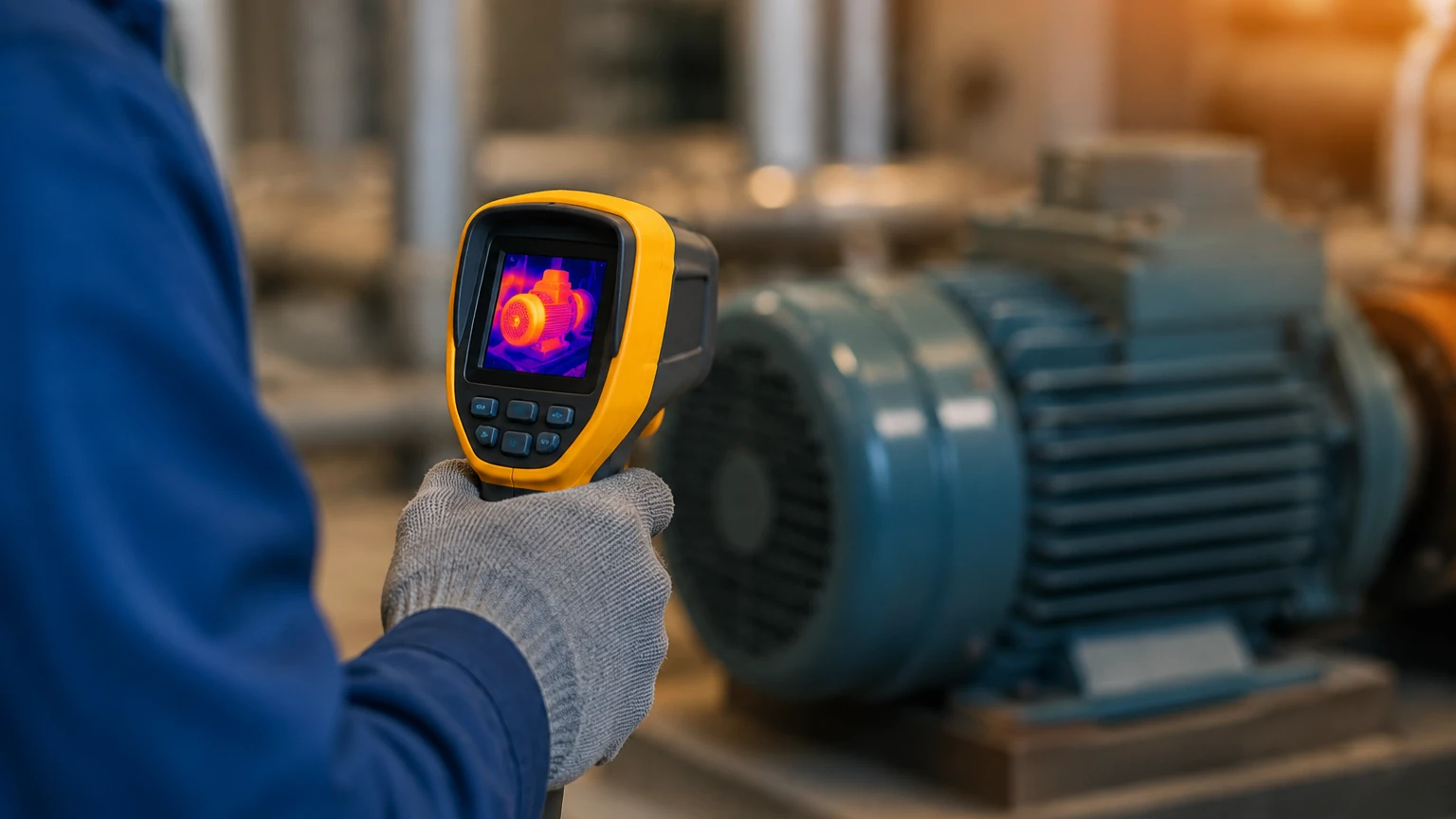
Non-contact gauges, or infrared (IR) thermometers, measure the thermal radiation emitted by a surface. Every object above absolute zero emits infrared energy. The gauge calculates the temperature based on the intensity of this radiation. This method is advantageous for moving parts, extremely high temperatures, or surfaces that cannot be touched due to contamination or safety risks. However, it requires knowledge of the material's emissivity—the efficiency with which it emits thermal energy compared to a perfect blackbody.
The Role of Temperature Gauging in Level Measurement Systems
While level measurement is the primary focus for many process engineers, temperature is a critical secondary variable. Industrial level instruments, such as those found on the Main Page of professional instrumentation providers, often require temperature data to maintain accuracy.
1. Density Compensation: Hydrostatic level transmitters measure the pressure exerted by a liquid column. Since liquid density changes with temperature, a surface temperature gauge or an integrated temp-sensor is required to calculate the true level accurately.
2. Speed of Sound Correction: Ultrasonic level sensors rely on the time-of-flight of sound waves. The speed of sound in the vapor space above a liquid is highly dependent on temperature. Monitoring the vessel's skin temperature can help estimate the internal gas temperature for more precise level readings.
3. Instrument Protection: High-frequency radar level meters have specific operating temperature limits for their electronic components. A surface temperature gauge on the tank flange can alert operators if the process heat exceeds the instrument’s rated tolerance.
4. Preventing Crystallization: In water treatment and chemical processing, certain fluids may crystallize or become highly viscous if the temperature drops. Surface gauges ensure that heating jackets or heat tracing systems are functioning correctly.
Types of Surface Temperature Gauges
Selecting the right gauge requires an understanding of the specific technologies available for industrial use.
Thermocouple Surface Probes
Thermocouples consist of two dissimilar metals joined at one end. They are robust, have a wide temperature range (often up to 1200°C), and provide a fast response time. For surface measurement, "Type K" is the most common industrial standard. They are frequently used on the exterior of steam pipes and high-temperature reactors.
Resistance Temperature Detectors (RTDs)
RTDs, typically Pt100 or Pt1000 sensors, offer higher accuracy and stability than thermocouples. They work by measuring the change in electrical resistance of a platinum element as temperature changes. For surface applications, thin-film RTDs are often bonded directly to the surface or housed in a flat-bottomed probe for maximum contact area.
Bimetallic Surface Thermometers
These are mechanical gauges that use a bimetallic strip to drive a pointer on a dial. They require no power and are ideal for local visual monitoring. Many industrial versions feature magnetic backs, allowing them to be easily attached to steel tanks or pipes without permanent installation.
Infrared Pyrometers
Fixed-mount IR sensors provide continuous 4-20mA or digital output of surface temperatures. They are essential in applications where the surface is electrically live or where mechanical contact would damage the process material.
Selection Matrix for Industrial Applications
When choosing a surface temperature gauge, engineers must balance accuracy, range, and environmental conditions. The following table provides a general comparison of common technologies.
| Feature | Bimetallic Dial | Surface Thermocouple | Surface RTD (Pt100) | Infrared (Non-contact) |
| :— | :— | :— | :— | :— |
| Measurement Range | -50°C to 400°C | -200°C to 1200°C | -200°C to 600°C | -50°C to 3000°C |
| Accuracy | Moderate (±2%) | Good (±1.5°C or 0.4%) | Excellent (±0.15°C) | Variable (Emissivity dependent) |
| Response Time | Slow (Minutes) | Fast (Seconds) | Moderate (Seconds) | Instantaneous |
| Power Required | No | No (Passive signal) | Yes (Excitation current) | Yes |
| Mounting | Magnetic / Clip | Weld-on / Bolt-on | Adhesive / Clamp | Bracket (Remote) |
| Cost | Low | Moderate | Moderate to High | High |
Installation Considerations and Best Practices
An inaccurately installed surface temperature gauge is often worse than no gauge at all, as it provides misleading data. Follow these engineering guidelines for optimal performance:
* Surface Preparation: The contact area must be clean and free of rust, scale, or old paint. For permanent RTD or thermocouple installations, grinding the surface to a smooth finish is recommended.
* Thermal Conductivity Paste: Use a high-quality thermal compound between the sensor and the surface. This fills microscopic air gaps, significantly reducing thermal resistance and improving response time.
* Insulation (Lagging): In most industrial environments, the ambient air temperature differs from the surface temperature. To ensure the sensor measures the surface and not the air, the sensor and the immediate surrounding area should be covered with industrial insulation.
* Mounting Pressure: For portable or spring-loaded probes, consistent pressure is required. Variations in pressure can lead to variations in the temperature reading due to changes in thermal contact resistance.
* Cable Routing: Ensure that the lead wires for electronic sensors are shielded from electromagnetic interference (EMI), especially if they are running alongside high-voltage motor cables or near large pumps.
Limitations and Common Risks
While surface temperature gauges are versatile, they have inherent limitations that must be managed.
1. Thermal Lag: Because heat must travel through the vessel wall and the sensor housing, there is always a delay between a change in internal fluid temperature and the gauge's response. This lag can be several minutes for thick-walled pressure vessels.
2. Ambient Interference: Without proper insulation, a surface gauge on a hot pipe in a cold outdoor environment will read significantly lower than the actual surface temperature.
3. Emissivity Errors: For IR gauges, measuring shiny or reflective surfaces (like polished stainless steel) is notoriously difficult. The sensor may pick up reflected heat from nearby equipment rather than the target surface itself.
4. Mechanical Stress: In high-vibration environments, such as near industrial mixers or compressors, contact sensors can vibrate loose, leading to a loss of signal or total failure.
Frequently Asked Questions (FAQ)
Q: Can I use a surface temperature gauge to measure the internal temperature of a liquid?
A: Indirectly, yes. However, the reading will be affected by the thickness of the vessel wall and the ambient conditions. For precise internal measurements, an immersion thermowell is preferred. Surface gauges are best used when penetrating the vessel is not an option.
Q: How often should a surface temperature gauge be calibrated?
A: For critical process safety, annual calibration is standard. For local monitoring or non-critical applications, every two years is usually sufficient. Mechanical bimetallic gauges should be checked more frequently as they are prone to drift if dropped or subjected to heavy vibration.
Q: What is the best way to attach a sensor to a curved pipe?
A: Use a pipe-clamp sensor or a specialized "strap-on" RTD. These are designed with a curved contact shoe that matches the radius of the pipe, ensuring maximum surface contact.
Q: Why is my infrared gauge giving inconsistent readings on a tank?
A: This is likely due to varying emissivity. If the tank has patches of rust or different paint types, the IR sensor will see different "apparent" temperatures. Applying a small piece of high-emissivity black tape to the measurement spot can provide a consistent reference point.
Conclusion
A surface temperature gauge is an indispensable tool in the modern industrial toolkit. By providing non-invasive thermal data, these instruments support the safe and accurate operation of level measurement systems and broader process automation. Whether you are managing a water treatment facility or a complex chemical refinery, selecting the correct gauging technology and following rigorous installation standards ensures long-term reliability and process integrity. For more information on integrated measurement solutions, including radar and ultrasonic systems, engineers are encouraged to consult technical resources and Review product options and application support to find the best fit for their specific operational requirements.