Data Center Cooling System Maintenance
Data Center Cooling System Maintenance
Data centers are the thermal engines of the modern digital economy. As server densities increase, the demand for high-efficiency cooling systems becomes paramount. Effective data center cooling system maintenance is not merely a routine check; it is a critical operational strategy to prevent thermal throttling, hardware failure, and catastrophic downtime. Central to this maintenance strategy is the precise monitoring of cooling fluids—whether in chilled water loops, cooling towers, or refrigerant circuits.
Reliable level measurement instruments, such as those manufactured by Welk, provide the data necessary to ensure these systems operate within their designed parameters. This guide explores the principles of level measurement in cooling systems, selection criteria for instrumentation, and best practices for ongoing maintenance.
The Role of Level Measurement in Cooling Infrastructure
In a data center, cooling systems typically involve the circulation of water or glycol-water mixtures. These fluids absorb heat from the server racks and reject it to the external environment. Level measurement is required at several critical points:
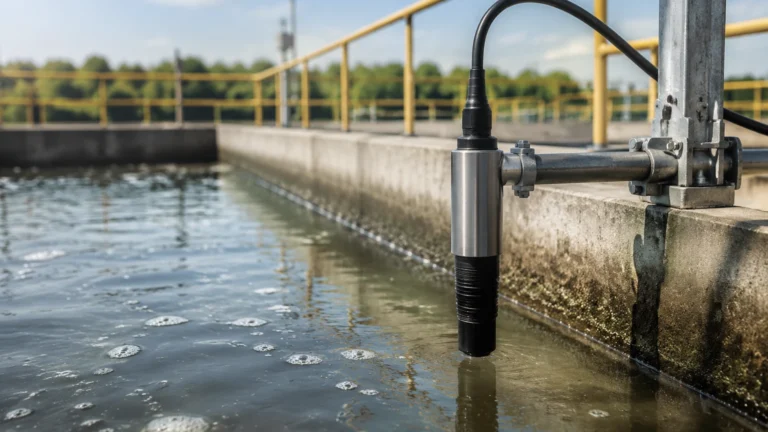
1. Cooling Tower Sumps: Ensuring adequate water levels to prevent pump cavitation and maintain heat exchange efficiency.
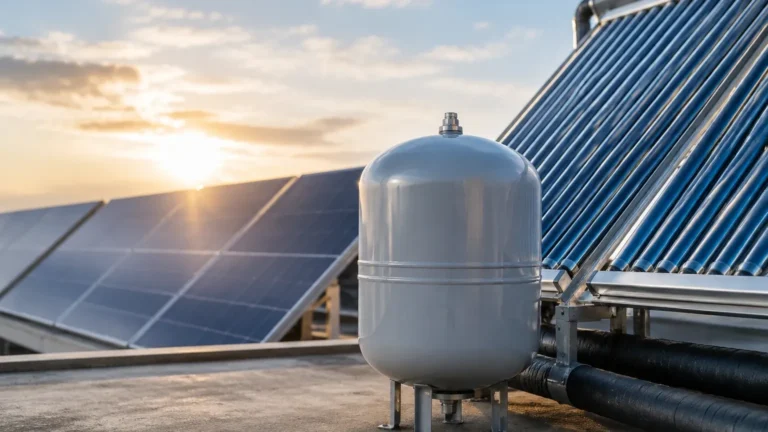
2. Chilled Water Expansion Tanks: Monitoring the volume changes caused by thermal expansion and contraction in closed-loop systems.
3. Condensate Collection Pans: Detecting potential overflows that could lead to water damage in the white space.
4. Chemical Feed Tanks: Managing the levels of biocides and corrosion inhibitors used to treat cooling water.
Failure to maintain these levels can lead to system inefficiencies or total cooling failure. Therefore, selecting the correct measurement technology is the first step in a robust maintenance program.
Measurement Principles for Cooling Fluids
Before implementing a maintenance schedule, engineers must understand the physical principles governing the sensors used in the system. Each technology offers distinct advantages depending on the fluid properties and tank geometry.
Hydrostatic Level Measurement
Hydrostatic pressure transmitters operate on the principle that the pressure at the bottom of a liquid column is directly proportional to the height of that liquid ($P = \rho gh$). In data center cooling, these are often used in expansion tanks or atmospheric storage tanks. They are valued for their reliability and ease of integration into PLC systems.
Ultrasonic Level Measurement
Ultrasonic sensors are non-contact devices that emit high-frequency sound waves. The sensor measures the time it takes for the pulse to travel to the liquid surface and return. This "time-of-flight" calculation determines the distance. These are ideal for open sumps in cooling towers where the fluid may be mildly corrosive or contain debris.
Radar Level Measurement
Radar level meters, particularly high-frequency (80GHz) models, provide the highest precision. Like ultrasonic sensors, they use time-of-flight but utilize electromagnetic waves instead of sound. Radar is unaffected by air temperature fluctuations, steam, or dust, making it the gold standard for critical data center cooling system maintenance where millimeter-level accuracy is required.
Magnetic Level Gauges
Magnetic level gauges provide both a visual indication and an electronic signal. A float containing a magnet moves with the liquid level inside a bypass chamber, flipping external flags or interacting with a reed switch transmitter. These are excellent for high-pressure refrigerant tanks where a visual backup is required for manual inspections.
Selection Criteria for Maintenance Instrumentation
Choosing the right instrument involves balancing accuracy, environmental conditions, and maintenance requirements. The following table summarizes the typical application of Welk's measurement solutions in a data center environment.
| Technology | Typical Application | Accuracy | Maintenance Need | Advantages |
| :— | :— | :— | :— | :— |
| Radar Level Meter | Critical Chiller Loops | ±2 mm | Low | Unaffected by vapor/steam |
| Ultrasonic Sensor | Cooling Tower Sumps | ±0.25% of range | Moderate | Non-contact, cost-effective |
| Hydrostatic Transmitter | Expansion Tanks | ±0.1% to 0.5% | Low | Robust, simple installation |
| Magnetic Level Gauge | Refrigerant Storage | Visual + ±5 mm | Low | No power required for visual |
| Level Switch | Leak Detection | N/A (Point) | Low | High reliability for alarms |
Data Center Cooling System Maintenance Procedures
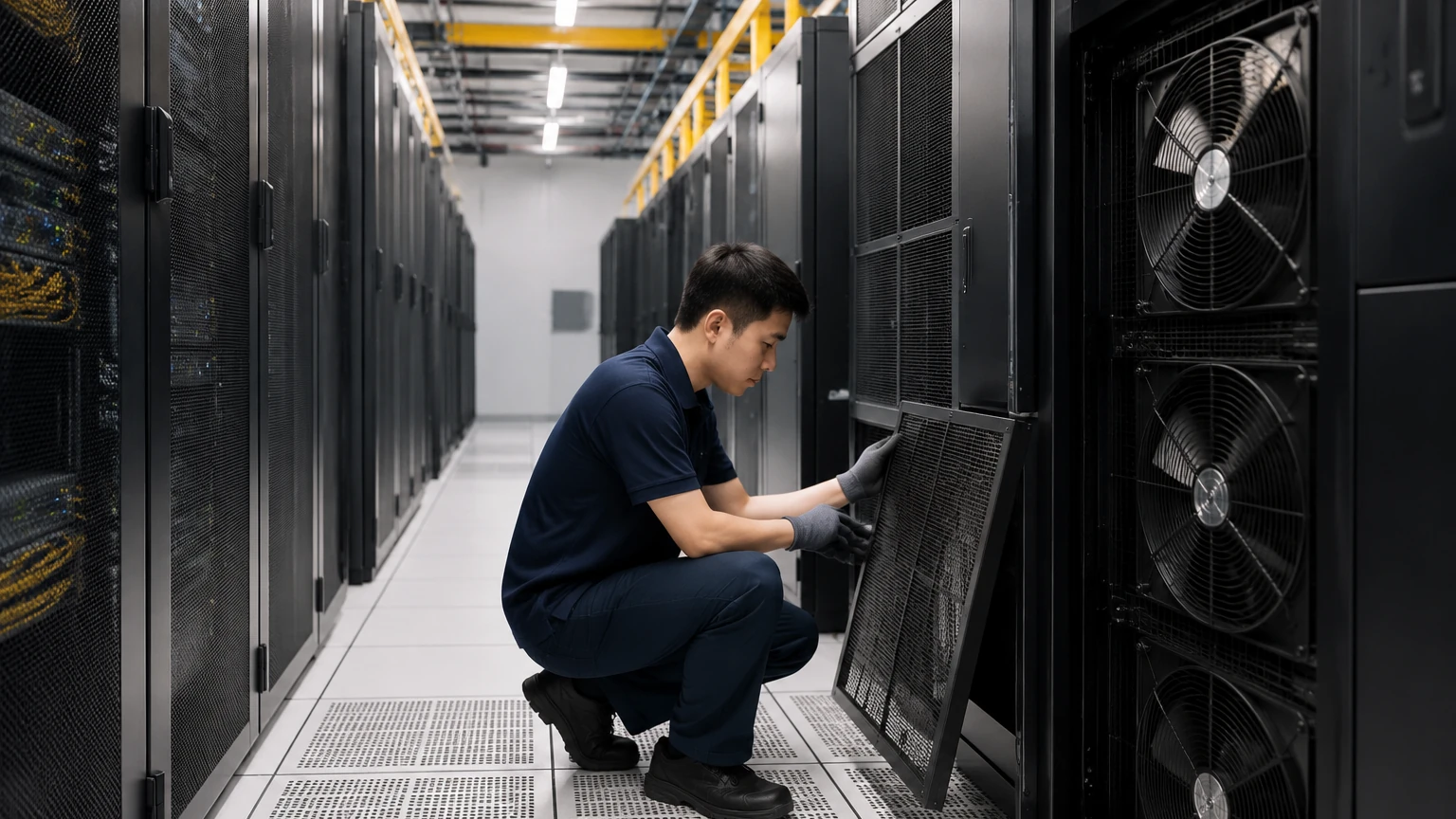
A proactive maintenance plan focuses on both the cooling equipment and the sensors that monitor it. Without accurate data, the entire cooling strategy is compromised.
1. Cooling Tower Sump Maintenance
Cooling towers are exposed to the elements, leading to the accumulation of silt and biological growth. Maintenance should include:
* Sensor Cleaning: For ultrasonic sensors, ensure the transducer face is free from mineral scaling or bird droppings. For hydrostatic sensors, check the sensing diaphragm for debris.
* Calibration Verification: Periodically compare the sensor reading against a manual dipstick measurement. Adjust the offset in the controller if a discrepancy of more than 20 mm (approx. 0.8 inches) is detected.
* Auto-Fill Testing: Manually lower the level to ensure the level switch triggers the make-up water valve correctly.
2. Chilled Water Loop Inspections
Closed-loop systems are sensitive to air ingress and pressure changes. Maintenance focuses on the expansion tank:
* Diaphragm Integrity: In pressurized expansion tanks, ensure the hydrostatic transmitter is not reading air pressure instead of liquid head.
* Glycol Concentration: While not a level issue, changes in fluid density ($
ho$) will affect hydrostatic readings. If the glycol mix is adjusted, the transmitter's scaling must be updated to maintain accuracy.
3. Leak Detection and Secondary Containment
Data centers often utilize raised floors where leak detection is vital. Maintenance involves:
* Point Level Switch Testing: Periodically trigger floor-mounted level switches to ensure the BMS (Building Management System) receives the alarm.
* Corrosion Checks: Ensure that the materials of the level switches are compatible with the cooling fluid to prevent premature failure.
Installation Considerations for Maximum Reliability
Proper installation reduces the frequency of data center cooling system maintenance interventions. Engineers should adhere to the following guidelines:
* Avoid Turbulence: Do not install level sensors directly above an inlet pipe. Turbulence can cause erratic readings in ultrasonic and radar devices. Use a stilling well if necessary.
* Dead Zones: Every non-contact sensor has a "dead zone" (blocking distance) near the transducer. Ensure the maximum possible liquid level does not enter this zone, typically 100 mm to 300 mm (4 to 12 inches) depending on the model.
* Mounting Alignment: Radar and ultrasonic sensors must be mounted perfectly perpendicular to the liquid surface. A deviation of even 2 or 3 degrees can significantly reduce signal strength.
* Grounding: In environments with high electromagnetic interference (EMI), such as near large pump motors or VFDs (Variable Frequency Drives), ensure all instrumentation is properly shielded and grounded to prevent signal noise.
Limitations and Troubleshooting
No measurement technology is universal. Understanding limitations is a key part of maintenance.
* Foam: Heavy foam in a cooling tower can absorb ultrasonic signals, leading to a "loss of echo" error. In these cases, radar or hydrostatic sensors are preferred.
* Condensation: In high-humidity environments, condensation can form on the lens of a radar or ultrasonic sensor. While radar is generally more resistant, excessive droplets can attenuate the signal. Regular wipes during maintenance rounds are recommended.
* Temperature Extremes: Hydrostatic sensors must be temperature-compensated. If the cooling water temperature fluctuates significantly (e.g., from 7°C to 35°C), ensure the transmitter is rated for this range to avoid drift.
Frequently Asked Questions (FAQs)
Q: How often should level sensors in a data center be calibrated?
A: For critical cooling loops, a calibration check is recommended every 12 months. However, if the system shows signs of instability, such as frequent low-level alarms, the sensors should be inspected immediately.
Q: Can I use one sensor for both control and high-level alarms?
A: While a continuous level transmitter (like radar) can provide both, it is best practice for data center cooling system maintenance to have a physically independent level switch for high-high or low-low alarms to provide redundancy.
Q: What is the best sensor for a small condensate pan?
A: A simple float-based level switch or a small-form-factor hydrostatic pressure sensor is usually sufficient and cost-effective for condensate monitoring.
Conclusion
Effective data center cooling system maintenance relies on the synergy between mechanical upkeep and precision instrumentation. By understanding the principles of level measurement and selecting the appropriate technology for each application, facility managers can ensure maximum uptime and energy efficiency. Whether it is the millimeter precision of a radar level meter or the rugged reliability of a hydrostatic transmitter, the right tools make all the difference in protecting critical IT infrastructure.
For engineers and facility managers looking to upgrade their monitoring capabilities, it is essential to partner with a manufacturer that understands industrial requirements. You can Review product options and application support to find tailored solutions for your cooling infrastructure. For more detailed technical specifications and to explore our full range of instrumentation, please visit our Main Page.