Levelguard Sump Pump Switch
Levelguard Sump Pump Switch
In industrial and commercial water management, the reliability of a sump pump system is determined not by the pump's horsepower, but by the integrity of its control switch. Traditional mechanical float switches have long been the industry standard, yet they remain the primary point of failure due to moving parts that snag, corrode, or lose buoyancy. The levelguard sump pump switch represents a shift toward solid-state sensing technology, utilizing electronic detection to eliminate the mechanical vulnerabilities inherent in traditional designs.
For engineers and facility managers, understanding the transition from mechanical to solid-state level control is essential for reducing maintenance overhead and preventing costly flood damage. This guide explores the technical principles, selection criteria, and installation requirements for solid-state sump pump switches within the broader context of industrial level measurement.
Principles of Solid-State Level Detection
Before selecting a levelguard sump pump switch, it is necessary to understand the underlying physics of its operation. Unlike a tethered or vertical float that relies on buoyancy and a physical microswitch, solid-state switches typically employ Field Effect technology or capacitive sensing.
Field Effect Technology
Field Effect sensors create a low-level electric field. When a conductive liquid, such as water, enters this field, the sensor detects a change in the electrical properties (dielectric constant) of the surrounding medium. This change is processed by internal circuitry to trigger a solid-state relay, which then activates the pump. Because there are no moving parts, the switch is immune to the mechanical fatigue that affects hinges and bellows in traditional floats.
Capacitance and Conductivity
In some industrial variations, level switches measure the capacitance between the sensor face and the liquid. As the water level rises and covers the sensor, the capacitance increases. This method is highly effective for detecting water levels through non-metallic tank walls or in high-vibration environments where a mechanical float would bounce and cause "chattering" of the pump motor. For more advanced applications involving corrosive chemicals or high-temperature liquids, engineers often look toward the specialized solutions found on the Main Page of industrial instrument providers.
Technical Comparison: Mechanical vs. Solid-State Switches
When evaluating a levelguard sump pump switch for a specific application, it is helpful to compare its performance characteristics against traditional mechanical alternatives.
| Feature | Mechanical Float Switch | Solid-State (LevelGuard) |
| :— | :— | :— |
| Moving Parts | Multiple (float, rod, switch) | Zero |
| Switching Mechanism | Mechanical Microswitch | Solid-State Relay |
| Failure Mode | Snagging, Punctured Float | Electronic Component Failure |
| Service Life | 50,000 to 100,000 cycles | 1,000,000+ cycles |
| Sensitivity to Debris | High (can jam the float) | Low (requires periodic cleaning) |
| Installation Space | Large (requires swing room) | Compact (flush mount) |
Solid-state switches are particularly advantageous in small sump pits where a tethered float might get caught on the pump or the pit wall. By requiring only a few millimeters of clearance, these switches allow for more flexible pump placement.
Key Evaluation Criteria for Sump Pump Switches
Selecting the correct levelguard sump pump switch requires an analysis of the electrical and environmental demands of the facility. Engineers should confirm the following specifications before procurement:
1. Electrical Load Capacity
Most sump pump switches are rated for specific horsepower (HP) or amperage. A common industrial switch might handle up to 12 Amps or 0.5 HP at 120V AC. If the pump exceeds these ratings, a solid-state switch must be used in conjunction with an external power relay or motor starter to prevent burning out the electronic sensors.
2. Differential and Sensing Range
The "differential" is the distance between the pump-on level and the pump-off level. In a levelguard sump pump switch, this is often fixed by the physical spacing of the sensors on the unit. For example, a switch might have a 152 mm (6-inch) pumping range. If a larger differential is required to prevent frequent pump cycling (short-cycling), a different sensor configuration or a dual-sensor system may be necessary.
3. Housing Material and Chemical Compatibility
While standard sump switches are designed for groundwater, industrial sumps may contain oils, detergents, or mild chemicals. Ensure the switch housing—typically made of ABS plastic or epoxy-encapsulated polymers—is compatible with the specific fluids in the pit. For highly aggressive environments, stainless steel or PTFE-coated sensors are preferred.
4. Fail-Safe Features
Advanced solid-state switches include internal diagnostics. Some models feature an integrated high-water alarm or a "pump-run" timer that shuts down the pump if it runs for an unusually long duration, indicating a potential pipe blockage or a pump failure.
Installation and Mounting Considerations
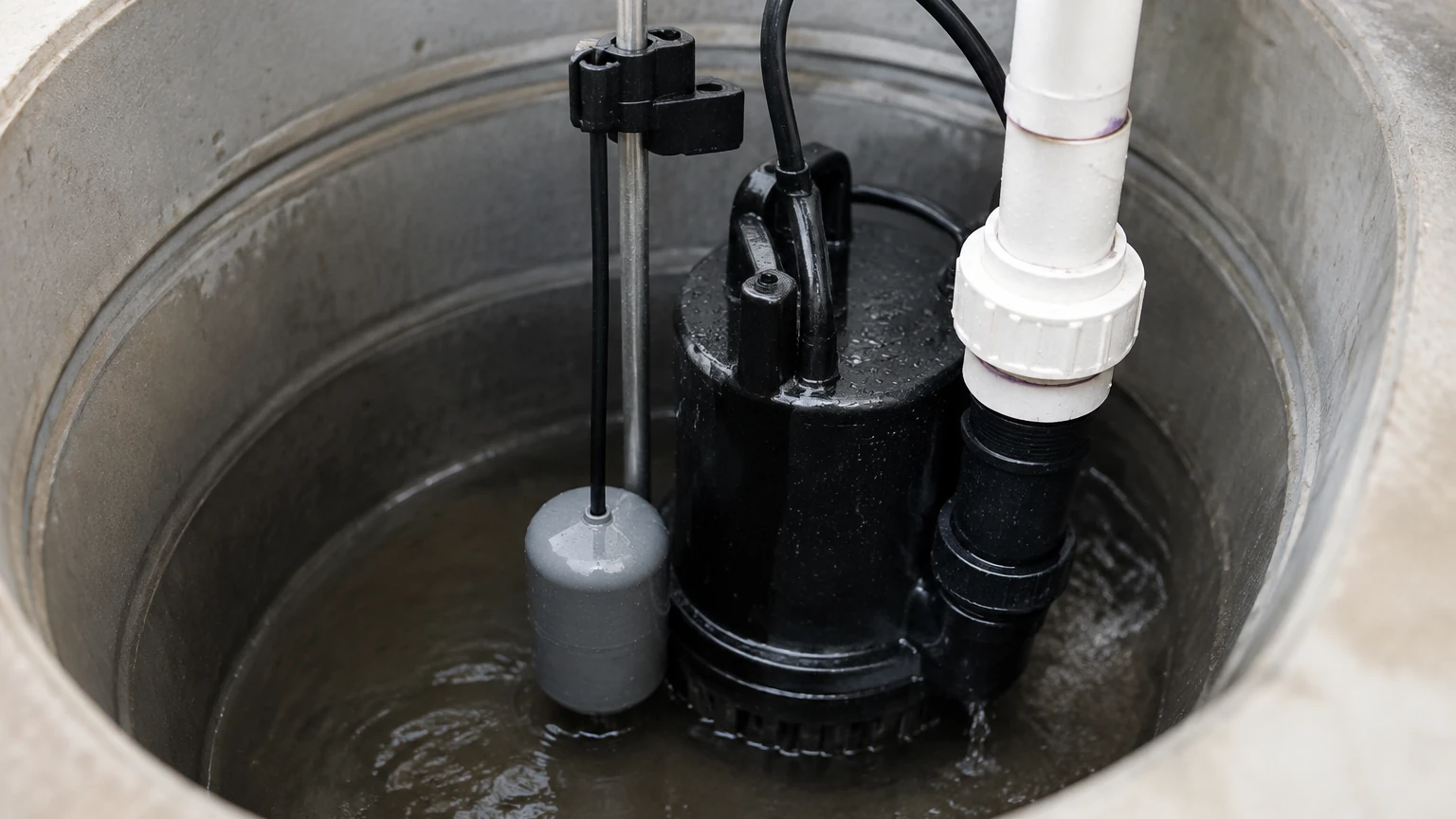
Proper installation is critical to the longevity of a levelguard sump pump switch. Unlike mechanical floats that can be loosely tethered, solid-state switches require rigid mounting to ensure the sensing field remains consistent.
Mounting Position
The switch should be mounted vertically on the pump discharge pipe or a dedicated bracket. The "On" sensor must be positioned below the top of the sump pit but high enough to allow the pump to handle significant inflows. The "Off" sensor should be positioned at a level that keeps the pump intake fully submerged to prevent air-locking.
Wiring and Power
Most solid-state switches utilize a "piggyback" plug design. The pump is plugged into the back of the switch plug, and the switch plug is inserted into a GFCI-protected outlet. In industrial environments, hard-wiring into a control panel is more common. It is vital to ensure that the voltage (120V vs. 240V) matches both the switch and the pump motor.
Maintenance and Surface Integrity
While solid-state switches have no moving parts, they are not maintenance-free. Over time, a film of oil, calcium, or biological growth can accumulate on the sensor face. This film can act as an insulator or a conductor, potentially causing the switch to stay "on" or fail to detect water. A semi-annual inspection and cleaning with a damp cloth are recommended for industrial sumps.
Limitations and Common Risks
Despite their advantages, solid-state switches like the levelguard sump pump switch are not suitable for every environment. Engineering teams should be aware of the following limitations:
* Pure Water Limitations: Highly deionized or extremely pure water may lack the conductivity required for certain Field Effect sensors to trigger. These switches are optimized for groundwater and wastewater.
* Turbulence: Excessive turbulence in the sump pit can cause rapid cycling. In such cases, a stilling well or a switch with a built-in time delay is required.
* Electrical Surges: As electronic devices, solid-state switches are more sensitive to lightning strikes and power surges than simple mechanical switches. The use of surge protection in the pump control panel is highly advised.
* Contact Requirements: These sensors must be in close proximity to the liquid. If the application requires non-contact measurement due to high solids or foam, engineers should evaluate ultrasonic or radar level transmitters available through the Main Page of specialized instrument manufacturers.
Integration with Industrial Automation
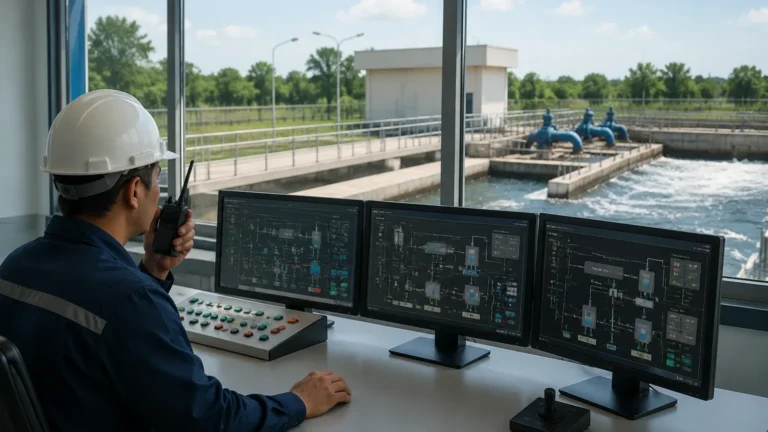
In a B2B context, the sump pump is often part of a larger facility management system. Modern solid-state switches can be integrated into SCADA (Supervisory Control and Data Acquisition) systems. By utilizing a switch with a dry contact output or a 4-20mA signal, facility managers can monitor pump run times, cycle counts, and high-level alerts in real-time. This data is invaluable for predictive maintenance, allowing teams to replace a pump before it fails based on declining performance metrics.
Frequently Asked Questions (FAQ)
Q: Can a levelguard sump pump switch be used with a battery backup system?
A: Yes, provided the voltage and current ratings are compatible. Many backup systems use 12V DC, which requires a specific DC-rated solid-state switch. Always check the manufacturer’s wiring diagram for backup integration.
Q: What is the typical lifespan of a solid-state switch compared to a vertical float?
A: A standard vertical float is often rated for 100,000 cycles, which might last 3 to 5 years in a busy sump. A solid-state switch, having no mechanical wear points, can often exceed 1,000,000 cycles, potentially outlasting the pump itself.
Q: Will grease or oil in the sump affect the switch?
A: Thick grease can coat the sensor and interfere with the electrical field detection. In sumps with high oil content, regular cleaning is necessary, or a non-contact sensor like an ultrasonic transmitter should be considered.
Q: How do I test the switch without filling the pit with water?
A: Most solid-state switches can be tested by placing a wet cloth or a conductive object (like a hand, if safe and permitted by safety protocols) over the sensing areas. However, a functional test with water is always the most reliable method.
Conclusion
The levelguard sump pump switch offers a robust solution for modernizing water management systems. By eliminating moving parts and utilizing electronic sensing, it addresses the most common failure points in sump pump operation. For facility managers, the transition to solid-state technology means fewer emergency repairs, longer equipment life, and greater peace of mind. When standard sump switches are insufficient for complex industrial processes, consulting a professional manufacturer of industrial level measurement instruments ensures that the chosen technology aligns with the specific chemical, thermal, and mechanical demands of the application.