El 04
El 04
In the landscape of industrial automation and process control, the El 04 series represents a specialized category of level measurement instrumentation designed for reliability in demanding environments. Whether integrated into water treatment facilities, chemical processing plants, or food and beverage production lines, understanding the technical nuances of the El 04 is essential for engineers tasked with optimizing liquid management systems. This guide provides a comprehensive technical overview of the El 04, its underlying measurement principles, selection criteria, and practical installation considerations.
Understanding the Measurement Principles
The El 04 typically operates on the principle of conductive level sensing or, in specific configurations, as a compact electronic transmitter for point-level detection. To appreciate its utility, one must first understand the physics of conductive measurement.
Conductive Level Sensing
Conductive level measurement is a straightforward yet highly effective method for detecting the presence of liquids that possess a minimum level of electrical conductivity. The system generally consists of a power supply, a controller (often integrated into the El 04 housing or an external DIN-rail module), and one or more electrodes.
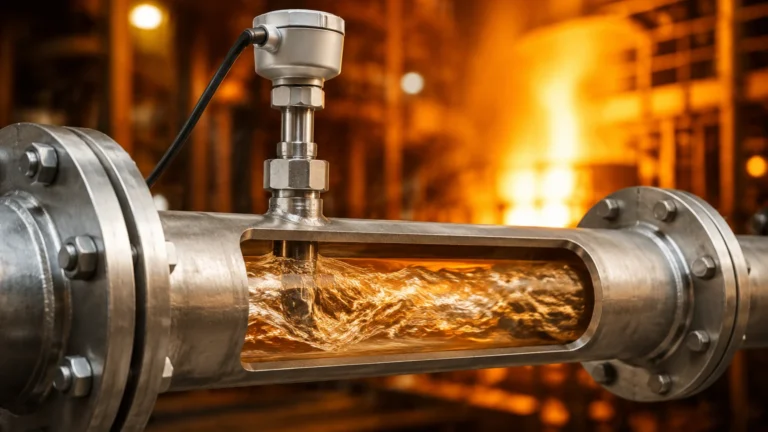
When the conductive liquid reaches the tip of the El 04 electrode, an electrical circuit is completed between the electrode and the tank wall (if metallic) or a reference electrode. This small current is detected by the electronics, which then trigger a switching output. Because this method relies on the electrical properties of the medium rather than mechanical movement, it is inherently more robust than traditional float switches, which are prone to jamming or scaling.
Signal Processing and Output
Modern El 04 units often incorporate advanced signal processing to filter out "noise" caused by turbulence or temporary splashing. This ensures that the output—whether it is a relay contact, a transistor output, or a digital signal—remains stable. In advanced versions, the El 04 may also provide continuous measurement by evaluating the change in resistance or capacitance, though it is most frequently utilized for high-level alarms, low-level protection, and pump control logic.
Technical Specifications and Selection Criteria
Selecting the correct El 04 configuration requires a detailed analysis of the process media and the physical constraints of the vessel. The following table outlines the typical performance parameters for the El 04 series used in industrial applications.
Table 1: El 04 General Technical Specifications
| Parameter | Specification (Metric) | Specification (Imperial) |
| :— | :— | :— |
| Supply Voltage | 24V DC / 230V AC (model dependent) | 24V DC / 230V AC |
| Sensitivity Range | 1 kΩ to 100 kΩ (adjustable) | 1 kΩ to 100 kΩ |
| Response Time | < 500 ms | < 500 ms |
| Process Temperature | -20°C to +100°C | -4°F to +212°F |
| Maximum Pressure | 10 bar | 145 psi |
| Enclosure Rating | IP65 / IP67 | NEMA 4 / 4X |
| Connection Type | G1/2" or G1" Thread | 1/2" or 1" NPT |
Key Evaluation Factors
When evaluating the El 04 for a specific project, engineers should prioritize the following factors:
1. Media Conductivity: The liquid must have a conductivity of at least 10 μS/cm. While most water-based liquids and acids meet this requirement, pure oils, distilled water, and certain hydrocarbons do not.
2. Vessel Material: In metallic tanks, the tank wall serves as the ground reference. In plastic or lined tanks, an additional reference electrode must be specified within the El 04 assembly.
3. Chemical Compatibility: The wetted parts—usually stainless steel (316L) and insulation materials like PTFE or PP—must be resistant to the process fluid to prevent corrosion or insulation breakdown.
For more detailed technical documentation on compatible sensors and transmitters, you may visit the Main Page of our product catalog.
Installation and Commissioning Guidelines
Proper installation is the most critical factor in ensuring the long-term accuracy of the El 04. Failure to follow standard engineering practices can lead to false triggers or premature sensor failure.
Physical Placement
The El 04 should be installed in a location where the liquid surface is relatively calm. If the tank is equipped with an agitator or high-velocity inflow, a stilling well or bypass pipe should be used to protect the electrodes from mechanical stress and surface turbulence.
* Vertical Mounting: This is the preferred orientation for point-level detection. Ensure that the electrodes are cut to the precise lengths required for the "switch-on" and "switch-off" points.
* Clearance: Maintain a minimum distance of 50 mm (approximately 2 inches) between the electrodes and the tank wall or other internal structures to prevent accidental bridging caused by buildup.
Electrical Wiring
Standard shielded cable is recommended for connecting the El 04 to the control cabinet, especially in environments with high electromagnetic interference (EMI) from large motors or frequency inverters. The shield should be grounded at the controller end only to avoid ground loops.
Sensitivity Adjustment
Most El 04 controllers feature a sensitivity potentiometer. During commissioning, the sensitivity should be set high enough to detect the liquid reliably but low enough to ignore foam or heavy condensation on the insulation. A common practice is to submerge the probe, increase sensitivity until the relay trips, and then add a 20% margin.
Limitations and Operational Risks
While the El 04 is a highly reliable instrument, it is not a "one-size-fits-all" solution. Engineers must be aware of the following limitations:
* Coating and Buildup: If the process liquid is prone to leaving conductive deposits (such as salt crusts or wastewater sludge), the El 04 may experience "bridging." This occurs when a conductive path is formed between electrodes even when the liquid level has dropped. Regular cleaning or the use of electrodes with specialized coatings is required in these cases.
* Non-Conductive Media: As noted previously, the El 04 cannot detect oils, greases, or ultra-pure water. For these applications, ultrasonic or radar-based level meters are preferred.
* High-Pressure Steam: In high-pressure boiler applications, the insulation of the El 04 can degrade over time. Ensure the model specified is rated for the specific steam saturation temperature of the vessel.

Comparison with Alternative Technologies
In the B2B procurement process, it is often necessary to justify the choice of an El 04 against other technologies like ultrasonic sensors or hydrostatic transmitters.
| Feature | El 04 (Conductive) | Ultrasonic Sensors | Hydrostatic Transmitters |
| :— | :— | :— | :— |
| Cost | Low | Moderate | Moderate to High |
| Moving Parts | None | None | None |
| Accuracy | High (Point Level) | Moderate (Continuous) | High (Continuous) |
| Complexity | Simple | High (Programming) | Moderate (Calibration) |
| Best Use | Pump Control / Alarms | Non-contact measurement | Deep tanks / Constant head |
The El 04 excels in simplicity and cost-effectiveness for point-level control where the liquid is conductive. It eliminates the calibration drift associated with ultrasonic sensors in dusty or steamy environments.
Frequently Asked Questions (FAQs)
Q: Can the El 04 be used in explosive atmospheres?
A: Yes, provided it is used in conjunction with an intrinsically safe (IS) barrier. The El 04 electrodes themselves are simple apparatus, but the control circuit must limit the energy delivered to the hazardous area.
Q: How often does the El 04 require maintenance?
A: In clean water applications, the El 04 is virtually maintenance-free. In wastewater or chemical applications, a semi-annual visual inspection for electrode corrosion or coating is recommended.
Q: What is the maximum cable length between the sensor and the controller?
A: For most El 04 models, the maximum distance is 100 meters (328 feet) using standard 1.5 mm² shielded cable. Longer distances may require a dedicated remote transmitter to convert the signal to 4-20mA or Modbus.
Q: Can I cut the electrodes to length on-site?
A: Yes, most El 04 electrodes are designed to be field-cut. However, care must be taken to remove any burrs and ensure the insulation remains intact at the mounting head.
Conclusion for Project Planning
The El 04 remains a staple in the industrial level measurement toolkit due to its uncompromising reliability in conductive liquid applications. By adhering to the principles of conductivity and ensuring proper installation away from turbulence and interference, project managers can implement a solution that offers years of service with minimal overhead. Before proceeding with a purchase, always confirm the chemical compatibility of the wetted materials and the minimum conductivity of your process fluid. For a broader look at available level measurement technologies, including radar and ultrasonic options, visit the Main Page to review product options and application support.