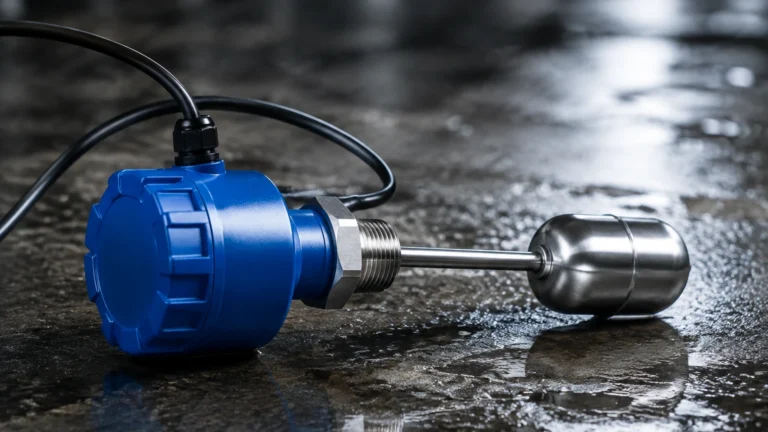
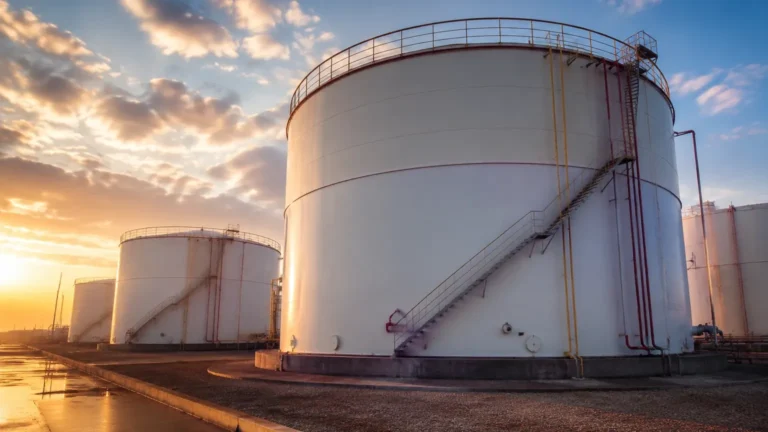
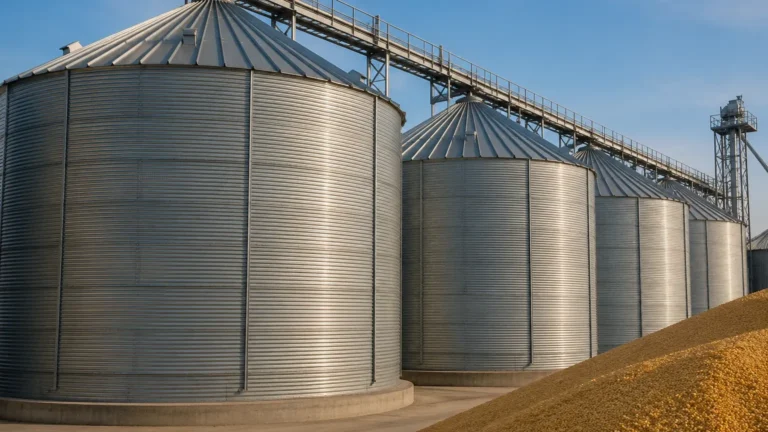
Remote Water Tank Level Monitoring
Remote Water Tank Level Monitoring
In modern industrial automation and water management, remote water tank level monitoring has transitioned from a convenience to a critical operational necessity. Whether managing municipal water supplies, industrial process cooling towers, or agricultural irrigation reservoirs, the ability to track liquid volumes in real-time without physical inspection reduces labor costs, prevents environmental hazards, and ensures process continuity.
Implementing a robust monitoring system requires a deep understanding of the underlying measurement physics, the communication protocols used for data transmission, and the specific environmental constraints of the installation site. This guide explores the primary technologies used in remote water tank level monitoring, providing engineering benchmarks for selection and installation.
Measurement Principles for Water Tank Monitoring
Before selecting a remote monitoring solution, engineers must evaluate the physical method of measurement. The most common technologies include ultrasonic, radar, and hydrostatic pressure sensing. Each operates on different principles and offers distinct advantages depending on the tank configuration and water properties.
Ultrasonic Level Measurement
Ultrasonic sensors are non-contact devices that emit high-frequency sound pulses toward the water surface. The sensor measures the time it takes for the echo to return (Time-of-Flight). Since the speed of sound in air is known, the distance to the liquid surface is calculated as:
Distance = (Speed of Sound × Time) / 2
* Advantages: No moving parts, non-contact (reducing maintenance in corrosive environments), and relatively cost-effective.
* Limitations: Performance can be degraded by heavy foam, steam, or extreme temperature fluctuations which affect the speed of sound. They also require a clear path, meaning internal tank structures like ladders can cause false echoes.
Radar Level Measurement
Radar sensors, specifically Frequency Modulated Continuous Wave (FMCW) or pulsed radar, use electromagnetic waves instead of sound. These waves travel at the speed of light and are reflected by the dielectric constant of the water surface.
* Advantages: Highly accurate (often within ±2mm), unaffected by vacuum, pressure, or temperature changes. Radar can penetrate through foam and dust more effectively than ultrasonic sensors.
* Limitations: Generally higher initial capital expenditure compared to ultrasonic or hydrostatic options.
Hydrostatic Level Measurement
Hydrostatic transmitters are submersible sensors that measure the pressure exerted by the liquid column above them. The pressure at the bottom of a tank is directly proportional to the height of the liquid, based on the formula:
P = ρ × g × h
*(Where P is pressure, ρ is liquid density, g is gravity, and h is height)*
* Advantages: Ideal for deep wells or tanks where top-mounting is impossible. They are simple to install and highly reliable for clean water applications.
* Limitations: Since they are contact-based, they may suffer from scaling or sediment buildup over time. Changes in liquid density (e.g., temperature shifts) can affect accuracy if not compensated.
Remote Data Transmission Technologies
Remote water tank level monitoring is defined by the "remote" aspect—how the data travels from the sensor to the control room or cloud platform. In B2B environments, the following protocols are standard:
1. 4-20mA Current Loop: The traditional industrial standard. It is highly resistant to electrical noise and can transmit signals over several hundred meters. It requires a wired connection to a PLC (Programmable Logic Controller) or a RTU (Remote Terminal Unit).
2. RS485 / Modbus RTU: A digital protocol that allows for multi-drop configurations, meaning multiple sensors can be daisy-chained on a single cable. It provides more diagnostic data than simple analog signals.
3. IoT and Wireless (LoRaWAN, NB-IoT, 4G/LTE): For tanks in remote locations where cabling is prohibitively expensive, wireless technologies are used. LoRaWAN is excellent for long-range, low-power applications (up to 15km in open areas), while NB-IoT and 4G provide high-speed data transfer through existing cellular networks.
Selection Criteria for Industrial Applications
Choosing the right instrument requires balancing technical requirements with budget constraints. The following table provides a comparison for common water tank scenarios.
Technology Selection Table
| Application Type | Recommended Technology | Typical Accuracy | Key Consideration |
| :— | :— | :— | :— |
| Clean Water Storage | Ultrasonic | ±0.25% of range | Avoid if heavy condensation is present. |
| Wastewater / Sludge | Radar (Non-contact) | ±2 mm | High resistance to vapors and buildup. |
| Deep Boreholes/Wells | Hydrostatic (Submersible) | ±0.5% of span | Requires vented cable for atmospheric compensation. |
| Chemical Dosing Tanks | Radar or Ultrasonic | Variable | Material compatibility (PVDF/PTFE) is critical. |
| Small Process Tanks | Ultrasonic | ±3 mm | Check the "Dead Zone" (minimum distance from sensor). |
Practical Installation Considerations
To ensure the longevity and accuracy of a remote water tank level monitoring system, several installation factors must be addressed during the engineering phase:
1. The Dead Zone (Blocking Distance)
Every ultrasonic and radar sensor has a "dead zone" directly beneath the transducer face where it cannot measure. If the water level rises into this zone, the sensor will provide an error or a false reading. Ensure the sensor is mounted high enough so that the maximum possible water level never enters this range.
2. Beam Angle and Obstructions
Non-contact sensors emit a beam that widens as it travels. If this beam hits the side of the tank or internal pipes, it will create "noise."
* Metric Guideline: For a sensor with a 10-degree beam angle, the beam diameter at 5 meters depth is approximately 0.87 meters. Ensure the mounting point is far enough from the wall to accommodate this spread.
3. Atmospheric Venting
For hydrostatic sensors, the cable usually contains a small vent tube. This tube allows the internal side of the pressure diaphragm to be exposed to atmospheric pressure, ensuring the sensor only measures the weight of the water and not changes in weather-related air pressure. This vent must be kept clear and protected from moisture.
4. Power Supply in Remote Areas
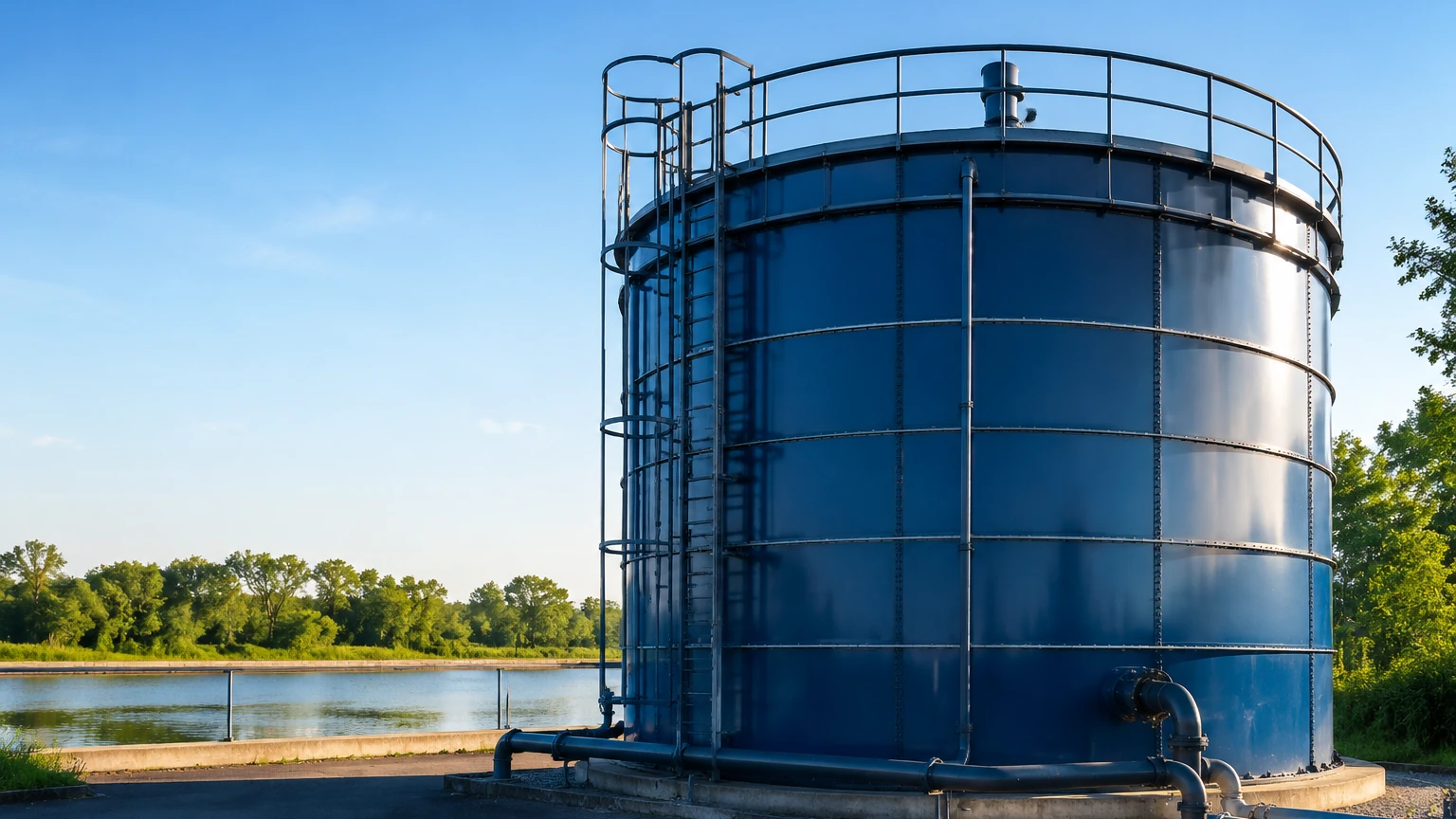
If the monitoring site lacks grid power, solar-powered RTUs are the standard. A typical setup includes a 10W-30W solar panel and a lead-acid or lithium battery to power the sensor and the wireless transmitter (e.g., 4G or LoRaWAN).
Common Risks and Limitations
While modern instrumentation is highly reliable, engineers should be aware of potential failure points in remote water tank level monitoring systems:
* Signal Attenuation: In wireless setups, physical barriers (metal buildings, hills) can weaken the signal. A site survey or the use of high-gain antennas may be necessary.
* Environmental Degradation: Sensors in outdoor tanks are exposed to UV radiation, extreme temperatures, and lightning. Using surge protectors and UV-stabilized housings is essential for long-term survival.
* Data Integrity: In B2B applications, data gaps can lead to pump failure or dry running. Implementing a system with local data logging (buffering) ensures that if the connection drops, the data is uploaded once the link is restored.
* Maintenance Requirements: Even "maintenance-free" sensors require periodic checks. For example, ultrasonic transducers may need cleaning if spiders spin webs across the face, and hydrostatic sensors may need descaling in hard water environments.
Frequently Asked Questions (FAQ)
Q: Can I use an ultrasonic sensor for a tank with a lot of foam?
A: Generally, no. Foam absorbs sound waves, leading to a loss of signal. For foamy applications, a radar sensor or a hydrostatic transmitter is a much more reliable choice.
Q: How far can I transmit a 4-20mA signal?
A: With high-quality twisted-pair cabling, you can typically transmit a signal up to 1,000 meters (1km), though voltage drop must be calculated to ensure the sensor receives enough power.
Q: What is the benefit of using a radar sensor over ultrasonic?
A: Radar is not affected by air temperature, pressure, or vapors. If your tank is outdoors and subjected to direct sunlight (which creates temperature gradients in the air), radar will provide much more consistent accuracy than ultrasonic.
Q: How do I monitor multiple tanks in one location?
A: You can use a multi-channel controller or a Modbus-based system where all sensors are linked to a single gateway or PLC, which then sends the aggregated data to your remote monitoring platform.
Conclusion
Successful remote water tank level monitoring depends on matching the sensor physics to the specific characteristics of the liquid and the environment. By understanding the trade-offs between ultrasonic, radar, and hydrostatic technologies, and selecting the appropriate communication protocol, organizations can achieve high-precision data visibility. For those seeking comprehensive hardware solutions and technical specifications, you can Review product options and application support on our Main Page to find the right instrumentation for your project needs.
Welk provides a range of industrial-grade sensors designed for the rigors of water treatment, chemical processing, and automation, ensuring that your remote monitoring data is both accurate and actionable.