Diesel Exhaust Fluid Level Sensor
Diesel Exhaust Fluid Level Sensor
Diesel Exhaust Fluid (DEF), commonly known as AdBlue in many regions, is a critical component in modern Selective Catalytic Reduction (SCR) systems designed to reduce nitrogen oxide (NOx) emissions from diesel engines. As environmental regulations such as Euro VI and EPA Tier 4 Final become more stringent, the demand for precise monitoring of DEF storage and consumption has increased. A reliable diesel exhaust fluid level sensor is no longer just a convenience; it is a functional necessity to ensure engine compliance, prevent equipment downtime, and maintain operational efficiency.
In industrial and commercial settings, DEF is stored in various environments, ranging from small vehicle-mounted tanks to massive bulk storage containers at fueling stations or manufacturing plants. This guide examines the measurement principles, selection criteria, and technical challenges associated with monitoring this specific chemical.
Understanding Diesel Exhaust Fluid (DEF)
Before selecting a measurement technology, it is essential to understand the physical and chemical properties of DEF. DEF is a solution composed of 32.5% high-purity urea and 67.5% deionized water. It has a specific gravity of approximately 1.09 at 20°C and a freezing point of -11°C (12°F).
From a measurement perspective, DEF presents several challenges:
1. Corrosivity: It is corrosive to many common materials, including copper, brass, and carbon steel. Sensors must be constructed from compatible materials like 316L stainless steel, polypropylene (PP), or PTFE.
2. Crystallization: If DEF evaporates or is exposed to air, urea crystals can form. These crystals can seize moving parts or coat sensor faces.
3. Temperature Sensitivity: DEF expands by approximately 7% when it freezes, which can exert significant mechanical pressure on submerged sensors.
Core Measurement Principles for DEF
Industrial level measurement typically relies on several distinct technologies. For DEF applications, the choice often depends on whether the tank is mobile or stationary, and whether the sensor can come into contact with the fluid.
1. Ultrasonic Level Measurement (Non-Contact)
Ultrasonic sensors are a preferred choice for many DEF applications because they do not come into direct contact with the liquid. The sensor, mounted at the top of the tank, emits a high-frequency sound pulse that reflects off the surface of the DEF and returns to the transducer.
* Principle: The sensor calculates the distance based on the time-of-flight of the sound wave. Distance = (Speed of Sound × Time) / 2.
* Advantages: No moving parts to clog with urea crystals; easy to install on the tank ceiling; highly resistant to the corrosive nature of the fluid.
* Limitations: Since the speed of sound varies with air temperature, these sensors require integrated temperature compensation. They also have a "blind zone" (dead band) immediately below the transducer where measurements cannot be taken.
2. Hydrostatic Level Measurement (Contact)
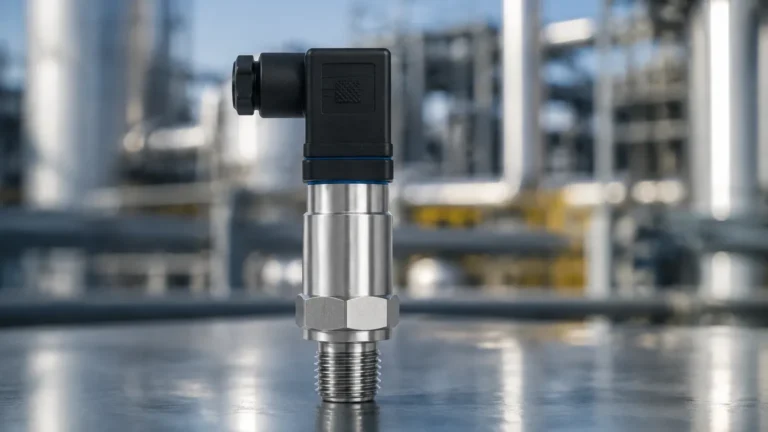
Hydrostatic sensors measure the pressure exerted by the liquid column at the bottom of the tank. This pressure is directly proportional to the height of the fluid and its density.
* Principle: $P = \rho \times g \times h$, where $P$ is pressure, $\rho$ is the density of DEF (approx. 1090 kg/m³), $g$ is gravity, and $h$ is the height of the liquid.
* Advantages: Highly accurate for deep bulk storage tanks; relatively low cost; simple to integrate into existing PLC systems via 4-20mA signals.
* Limitations: The sensor diaphragm must be chemically compatible with urea. Furthermore, changes in fluid temperature that affect density can introduce slight errors if not compensated for.
3. Magnetic Level Gauges and Reed Switches
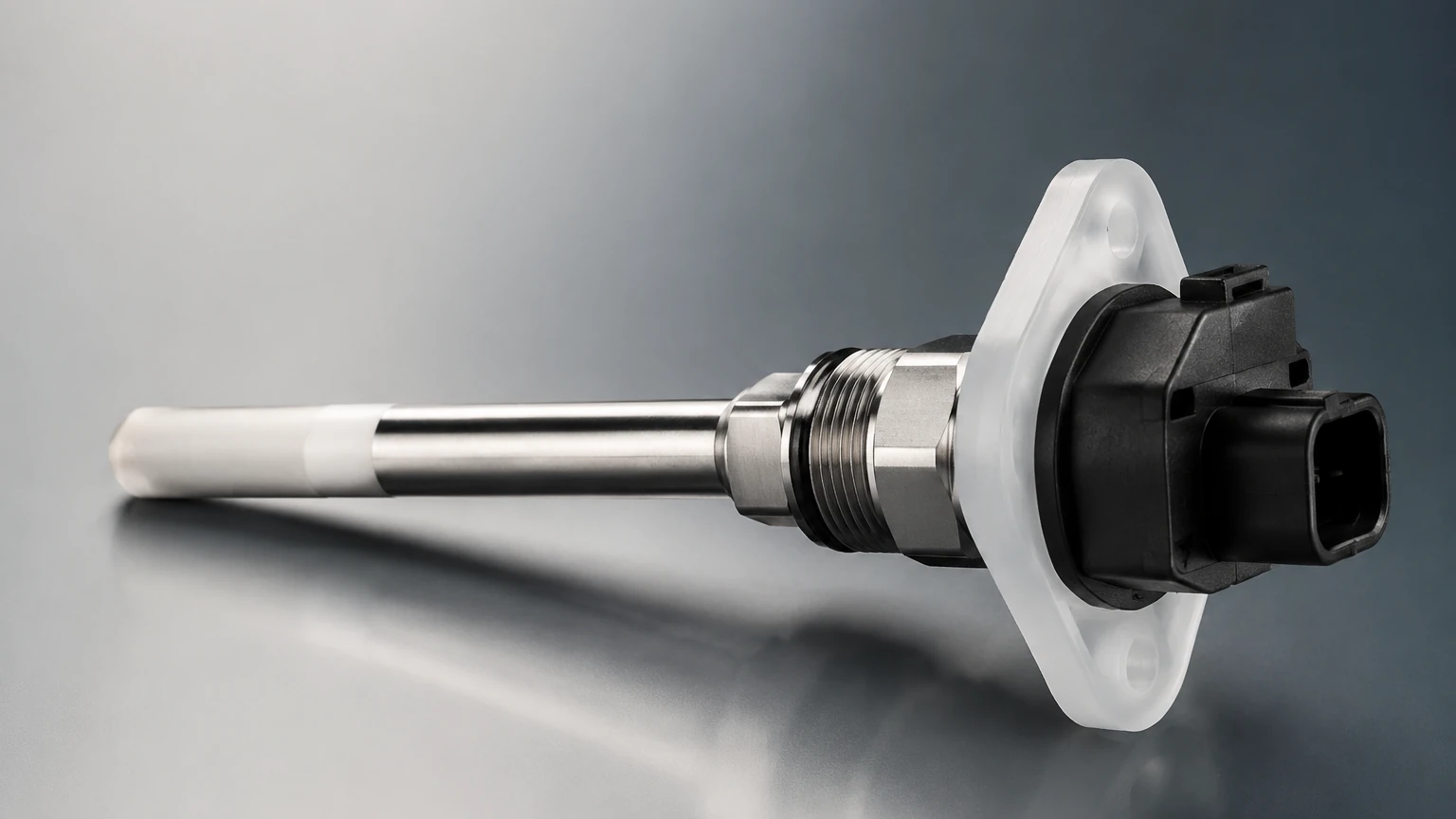
Commonly used in vehicle tanks, these sensors use a float containing a magnet that moves along a stem. As the float rises and falls, it triggers reed switches inside the stem.
* Principle: The position of the float corresponds to a specific resistance or voltage output, indicating the level.
* Advantages: Robust and simple; provides a reliable signal even in high-vibration environments like moving trucks or construction machinery.
* Limitations: Moving parts are susceptible to mechanical failure if urea crystallization occurs around the float or the stem.
4. Radar Level Measurement (Non-Contact)
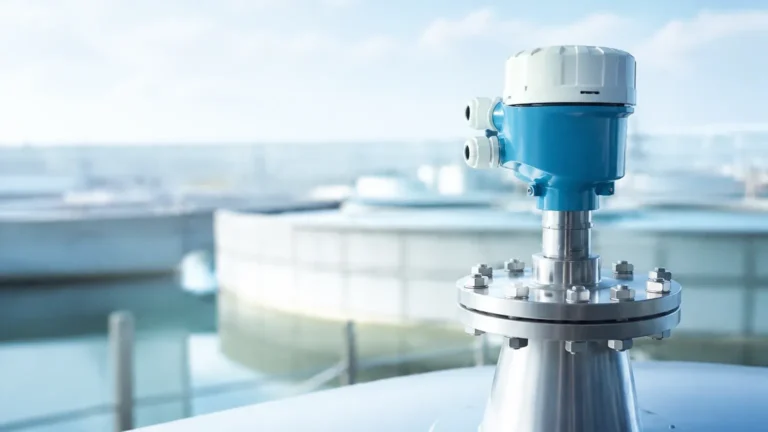
For large-scale industrial bulk storage, 80GHz high-frequency radar is becoming the standard. Like ultrasonic sensors, radar is non-contact, but it uses electromagnetic waves instead of sound.
* Principle: The sensor emits microwave pulses. The time-of-flight is measured to determine the distance to the liquid surface.
* Advantages: Unaffected by temperature, pressure, or vapor clouds. Radar can "see" through plastic tank walls (in certain configurations), allowing for measurement without a tank opening.
* Limitations: Higher initial cost compared to ultrasonic or hydrostatic methods.
Technical Selection Criteria
When evaluating a diesel exhaust fluid level sensor for a specific project, engineers should utilize the following selection matrix to match the technology to the application requirements.
Selection Table: DEF Level Sensor Technologies
| Feature | Ultrasonic | Hydrostatic | Radar | Magnetic Float |
| :— | :— | :— | :— | :— |
| Contact Type | Non-contact | Contact | Non-contact | Contact |
| Typical Accuracy | ±0.25% of range | ±0.5% of span | ±2 mm | ±5-10 mm |
| Installation | Top-mounted | Bottom or Submerged | Top-mounted | Top-mounted |
| Crystallization Risk | Low | Low (if flush) | Low | Moderate |
| Max Tank Height | Up to 15m | Up to 100m+ | Up to 30m+ | Up to 6m |
| Primary Use Case | Day tanks / Intermediate | Bulk Storage | High-precision Bulk | On-vehicle tanks |
Installation and Engineering Considerations
To ensure the longevity and accuracy of a level measurement system, several installation factors must be addressed:
1. Material Compatibility: Ensure all wetted parts (diaphragms, seals, and housings) are made of 316L Stainless Steel, Polyethylene, or Viton. Avoid any yellow metals (copper/brass) as they will contaminate the DEF and damage the SCR system.
2. Venting and Vacuum: DEF tanks must be vented to prevent vacuum collapse during discharge. Level sensors, particularly ultrasonic ones, must be positioned away from the fill pipe to avoid signal interference from turbulence or splashing.
3. Freezing Protection: In cold climates, DEF tanks are often heated. If using a hydrostatic sensor, ensure the sensor is rated for the expansion forces of freezing liquid or placed in a heated enclosure. For non-contact sensors, ensure the sensor face does not accumulate condensation that could freeze and block the signal.
4. Urea Concentration: While level sensors measure volume, some advanced probes also incorporate concentration sensors (using ultrasonic velocity or refractive index) to ensure the DEF has not been diluted, which would trigger an engine fault code.
For comprehensive technical specifications and to explore a wide range of industrial measurement instruments, engineers can visit the Main Page of Welk's product catalog.
Common Risks and Mitigation
Operating a DEF system involves managing specific risks that can lead to false readings or sensor failure:
* Signal Loss due to Foam: During high-speed filling, DEF can foam. Ultrasonic sensors may struggle with foam as it absorbs the sound wave. In these instances, a radar sensor or a hydrostatic transmitter is a more reliable choice.
* Tank Geometry: Many DEF tanks have irregular shapes to fit into tight chassis spaces. Level sensors must be calibrated with a strapping table (volume conversion table) in the controller to provide accurate volume readings rather than just height.
* Contamination: The purity of DEF is paramount. Sensors must be cleaned with deionized water only. Tap water contains minerals that can poison the SCR catalyst.
Frequently Asked Questions (FAQ)
Q: Can I use a standard water level sensor for DEF?
A: Not necessarily. While the density is similar, the chemical compatibility is the primary concern. Standard sensors with brass or aluminum components will corrode and contaminate the fluid. Always verify chemical compatibility with ISO 22241 standards.
Q: How do I handle urea buildup on an ultrasonic sensor face?
A: Most high-quality ultrasonic sensors have a self-cleaning function through the vibration of the transducer face. However, periodic inspection and rinsing with warm deionized water are recommended if the tank is prone to heavy vapor crystallization.
Q: What output signal is best for industrial DEF monitoring?
A: For integration into building management systems or industrial PLCs, a 4-20mA HART or Modbus RTU signal is preferred. These allow for long-distance transmission and diagnostic data retrieval.
Conclusion
Selecting the right diesel exhaust fluid level sensor requires a balance between accuracy requirements, tank configuration, and budget. For small-scale day tanks, ultrasonic technology offers a cost-effective, low-maintenance solution. For large bulk storage, hydrostatic or radar sensors provide the durability and precision needed for inventory management.
By adhering to strict material compatibility and considering the unique environmental challenges of urea storage, facility managers can ensure their SCR systems remain compliant and their engines continue to operate at peak performance. For further assistance in selecting the appropriate level measurement technology for your specific application, please refer to the technical resources available on the Main Page.