B1d17 87 Battery Backed Sounder
B1d17 87 Battery Backed Sounder
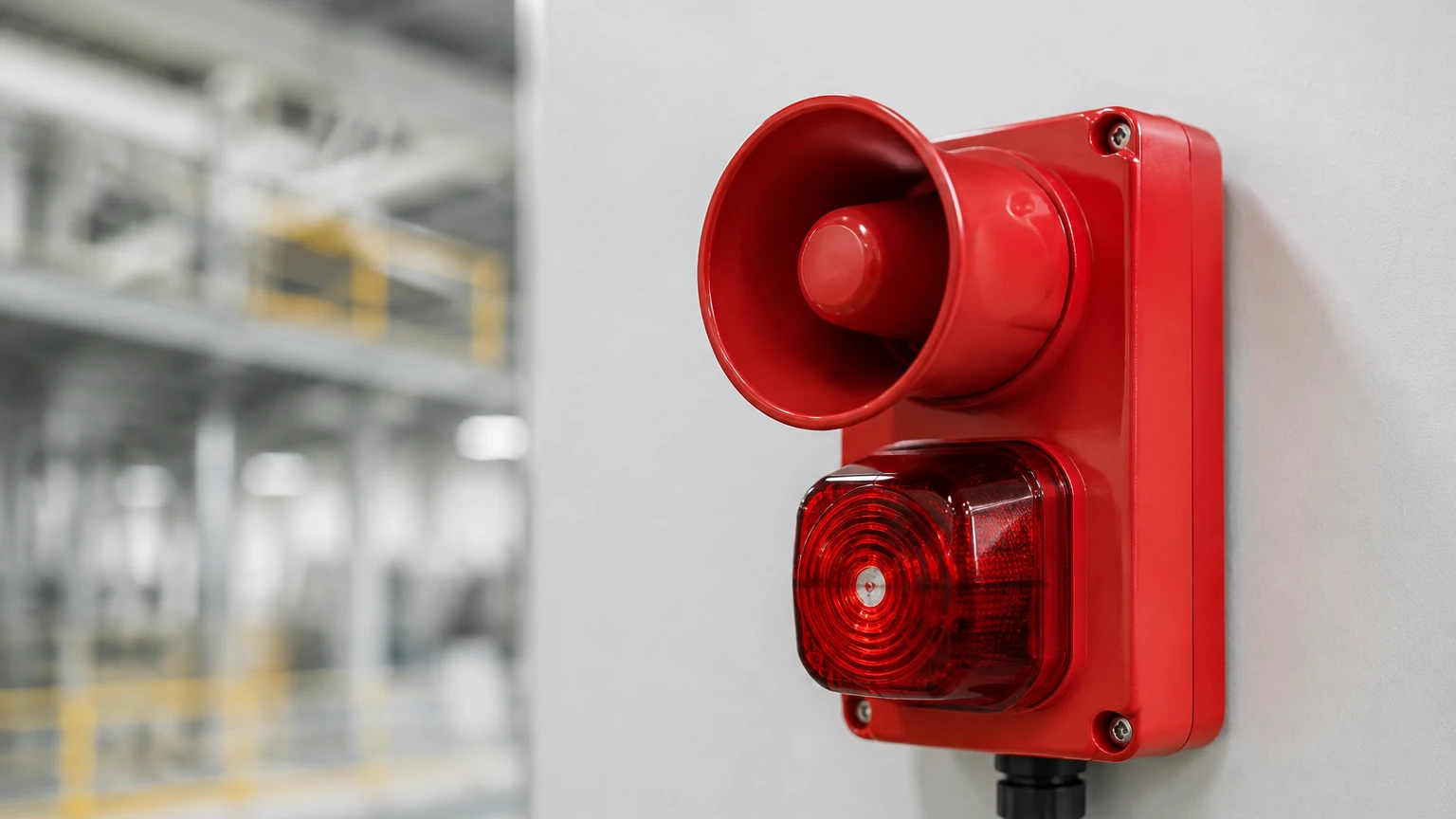
In the realm of industrial process automation and safety, the ability to provide reliable notification during critical events is non-negotiable. Level measurement systems, which monitor the volume of liquids and solids in tanks and silos, rely heavily on secondary alarm systems to prevent overfills, dry runs, or hazardous leaks. The b1d17 87 battery backed sounder is a specialized audible signaling device designed to operate even when primary power fails, ensuring that personnel are alerted to process deviations under all circumstances.
For engineers and facility managers browsing the Main Page for comprehensive level control solutions, understanding the integration of backup signaling is essential for building a resilient safety instrumented system (SIS). This article explores the technical principles, selection criteria, and installation requirements for the b1d17 87 battery backed sounder within the context of industrial level measurement.
The Role of Battery Backed Sounders in Level Monitoring
Level measurement instruments, such as radar level meters or ultrasonic sensors, are the "eyes" of a process. However, a sensor is only as effective as the alarm system it triggers. In many industrial environments, a power outage is a precursor to a high-risk event. If a pump fails to shut off because of a power surge or if a valve remains stuck open during a blackout, the level in a vessel may continue to rise.
A standard sounder powered by the mains would fail in this scenario. The b1d17 87 battery backed sounder solves this by incorporating an internal power source—typically a rechargeable battery pack—and a smart charging circuit. When the external power supply (usually 24V DC or 110/230V AC) is present, the device remains in a standby state while maintaining the battery's charge. Upon receiving a trigger signal from a level transmitter's relay, or in the event of a total power loss combined with an alarm trigger, the sounder activates using its internal reserves.
Measurement Principles and Alarm Interfacing
Before selecting an alarm sounder, it is critical to understand how the primary level measurement device communicates the need for an alert. Most modern level transmitters utilize one of the following methods to interface with a b1d17 87 battery backed sounder:
1. Relay Outputs (SPDT/DPDT)
Many hydrostatic transmitters and magnetic level gauges are equipped with potential-free relay contacts. When the level reaches a predefined setpoint (e.g., 90% of tank capacity), the relay closes the circuit. This closure can be used to trigger the b1d17 87 sounder. Because the sounder has its own battery, it can monitor the state of a dry contact even if the primary control panel has lost power, provided the sensor itself has a loop-powered backup or the contact is fail-safe.
2. Digital Outputs (Transistor/PNP/NPN)
Ultrasonic and radar level meters often provide digital outputs. These are high-speed switches that send a signal to a PLC (Programmable Logic Controller). The PLC then logic-gates the signal to the sounder. In high-reliability applications, the b1d17 87 is often wired directly to the sensor's high-high (HH) alarm output to bypass the PLC, reducing the number of potential points of failure.
3. 4-20mA Current Loop Thresholds
In some configurations, a trip amplifier monitors the 4-20mA analog signal from the level meter. If the current exceeds a specific milliampere value (representing a dangerous level), the amplifier triggers the battery-backed sounder.
Technical Specifications of the b1d17 87 Model
The b1d17 87 is characterized by its high decibel output and robust environmental protection. While specific configurations can vary based on the manufacturer, the standard engineering profile for this class of sounder includes:
* Sound Pressure Level (SPL): Typically ranges from 100 dB(A) to 115 dB(A) at a distance of 1 meter (approx. 3.3 feet). This is sufficient to overcome the ambient noise of heavy machinery, which often sits between 80 and 90 dB(A).
* Battery Duration: Designed to provide continuous alarm signaling for 30 to 120 minutes depending on the tone selected and the age of the battery.
* Ingress Protection: Usually rated at IP66 or IP67, making it suitable for outdoor installation near chemical storage tanks or water treatment basins where it may be exposed to rain or dust.
* Voltage Compatibility: Multi-voltage inputs allow the device to be integrated into diverse electrical infrastructures.
Practical Selection Table for Alarm Sounders
When choosing between different signaling models for level measurement applications, engineers should consult the following comparison table:
| Feature | Standard Sounder | b1d17 87 Battery Backed | Motorized Siren |
| :— | :— | :— | :— |
| Power Source | External Only | External + Internal Battery | External (High Current) |
| Reliability in Blackout | Zero | High | Zero |
| Maintenance | Low | Moderate (Battery Checks) | High (Mechanical Wear) |
| Sound Output | 80–105 dB | 100–115 dB | 115–125+ dB |
| Typical Application | Indoor Control Rooms | Outdoor Tank Farms / Safety Loops | Large Scale Site Evacuation |
Installation Considerations and Best Practices
Proper installation of the b1d17 87 battery backed sounder is as important as the device's technical specs. For level measurement applications, follow these guidelines:
Mounting Location
The sounder should be mounted at a height of at least 2 to 3 meters (6.5 to 10 feet) to ensure optimal sound dispersion. In tank farm applications, it should be positioned "line-of-sight" to the areas where operators are most likely to be located. Avoid placing the sounder directly behind large metal obstructions like silos, as this can create "dead zones" where the alarm is significantly muffled.
Wiring for Fail-Safe Operation
To ensure the b1d17 87 functions correctly, use fire-resistant or armored cabling if the environment is prone to mechanical damage or heat. The "normally closed" (NC) logic is often preferred for safety-critical level alarms; if a wire is cut, the system interprets the break as an alarm condition and activates the sounder.
Environmental Shielding
While the b1d17 87 is typically IP-rated, installing a small sunshade or weather shield can extend the life of the plastic housing and the internal battery, particularly in regions with high UV index or extreme temperature fluctuations. Batteries are sensitive to heat; maintaining a stable temperature helps preserve their capacity over time.
Limitations and Operational Constraints
While the b1d17 87 battery backed sounder is a robust tool, it has limitations that must be accounted for in the system design:
1. Battery Lifespan: Lead-acid or NiCd batteries used in these devices typically have a service life of 2 to 5 years. Regular testing is required to ensure the battery can still hold a charge sufficient to power the sounder for the required duration.
2. Sound Attenuation: Sound levels drop by approximately 6 dB every time the distance from the source doubles. In a large industrial complex, multiple b1d17 87 units may be required to provide adequate coverage.
3. Tone Interference: If a site uses multiple types of alarms (fire, gas leak, level overflow), the b1d17 87 must be programmed with a distinct tone to ensure operators can differentiate a level alarm from other emergencies.
Integration with Welk Level Measurement Solutions
Welk provides a wide array of level measurement instruments that pair seamlessly with the b1d17 87 battery backed sounder.
* Radar Level Meters: For high-precision, non-contact measurement in chemical tanks, Welk radar units can be configured with dual relay outputs—one for standard process control and one dedicated to the battery-backed sounder for emergency high-level alerts.
* Ultrasonic Sensors: In water treatment applications, where power reliability can be an issue during storms, the combination of an ultrasonic sensor and a b1d17 87 ensures that overflow alerts reach operators even if the local grid fails.
* Magnetic Level Gauges: These mechanical-visual indicators can be fitted with reed switches that trigger the sounder, providing a completely independent backup to the electronic control system.
Frequently Asked Questions (FAQs)
Q: How often should the battery in the b1d17 87 be replaced?
A: In most industrial environments, it is recommended to replace the internal battery every 3 years. However, if the unit is installed in an area with ambient temperatures consistently above 35°C (95°F), annual testing and possible biennial replacement are advised.
Q: Can the b1d17 87 sounder be used in hazardous (Ex) zones?
A: The standard b1d17 87 must be checked for specific ATEX or IECEx certifications. If the level measurement application involves flammable liquids, ensure you select the explosion-proof version of the sounder compatible with the zone rating (e.g., Zone 1 or Zone 2).
Q: Does the sounder activate immediately upon power loss?
A: This depends on the wiring configuration. It can be set to "Mains Failure Alarm" mode, where it sounds as soon as power is lost, or "Triggered Mode," where it only sounds if the power is lost *and* the level sensor indicates an alarm condition.
Conclusion
The b1d17 87 battery backed sounder is a vital redundancy component for any industrial facility managing bulk liquids or solids. By ensuring that alarm signals remain active during power contingencies, it bridges the gap between primary level detection and effective emergency response. When integrated with high-quality instruments from Welk, such as those detailed on our Main Page, the b1d17 87 provides the peace of mind that safety protocols will remain functional when they are needed most.
For engineers designing new systems or retrofitting existing tank farms, verifying the compatibility of sounder decibel levels, battery duty cycles, and relay logic is the final step in creating a truly reliable level monitoring architecture.