Cooling Tower Controls
Cooling Tower Controls
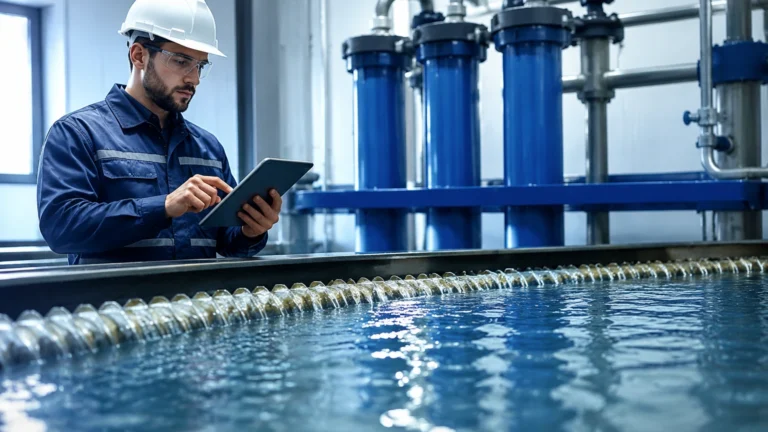
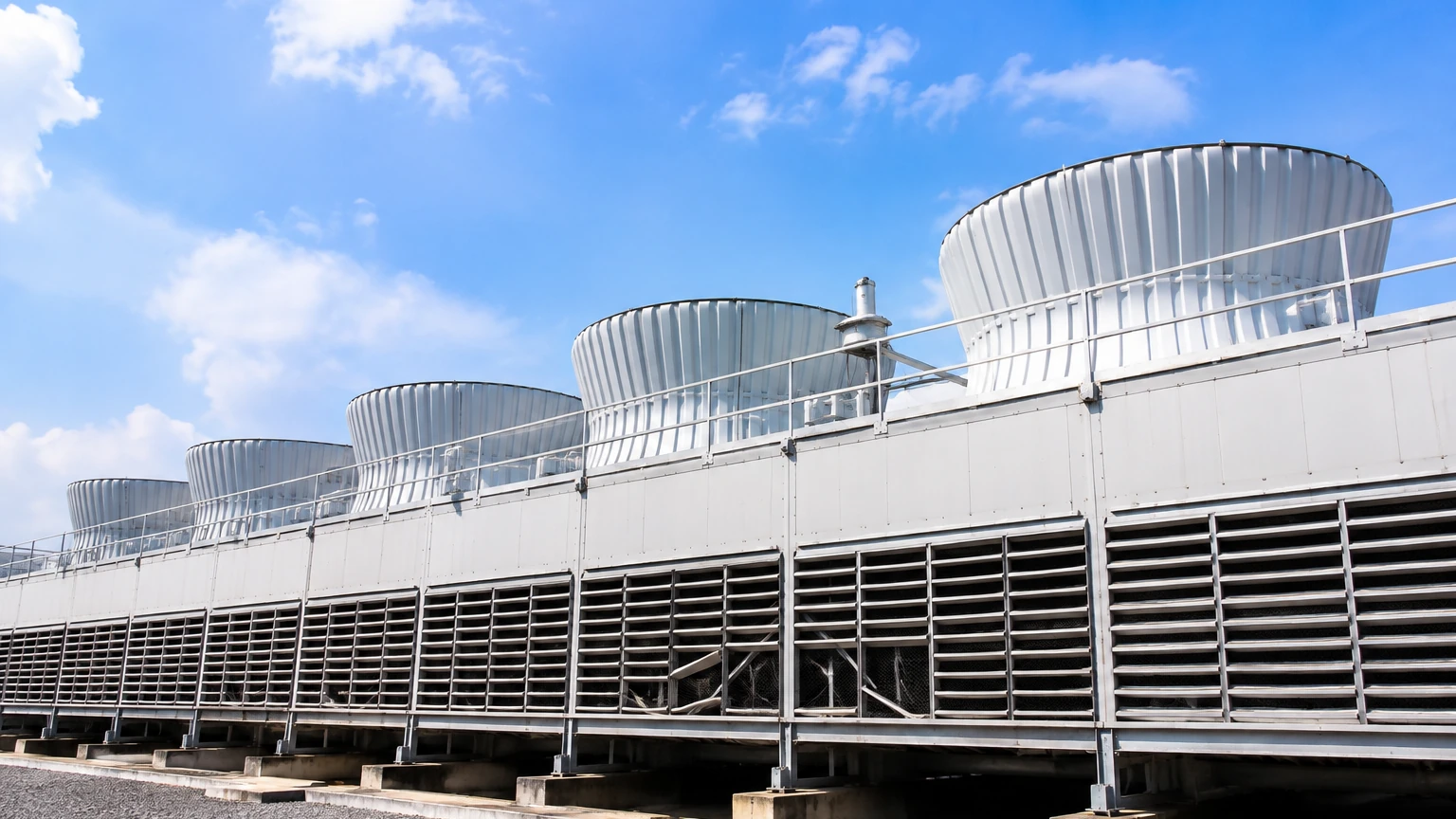
Cooling towers are essential components in industrial heat rejection, utilized extensively in power generation, chemical processing, HVAC systems, and manufacturing. The efficiency of these systems relies heavily on precise cooling tower controls, which manage water levels, flow rates, and chemical balances. Without robust control mechanisms, cooling towers risk operational inefficiencies, such as excessive water consumption, pump cavitation, or structural damage due to overflow.
For engineers and facility managers, selecting the right instrumentation is the first step toward optimizing thermal performance and ensuring system longevity. This guide examines the principles of level measurement within cooling tower environments, compares available technologies, and provides practical installation guidance for industrial applications. To explore a full range of instrumentation for these systems, professionals can visit the Main Page to review product options and application support.
Measurement Principles in Cooling Tower Environments
Before selecting specific hardware for cooling tower controls, it is necessary to understand the physical principles governing level measurement. In a cooling tower basin, the level fluctuates based on evaporation, drift, and the controlled processes of makeup and blowdown.
Time-of-Flight (ToF) Principle
Most modern non-contact sensors, such as ultrasonic and radar meters, operate on the Time-of-Flight principle. The sensor emits a signal (either a sound wave or an electromagnetic pulse) toward the water surface. The signal reflects off the surface and returns to the transducer. By measuring the time interval between emission and reception, and knowing the speed of the signal through the medium (air), the device calculates the distance to the liquid.
* Ultrasonic: Uses sound waves typically in the 20 kHz to 200 kHz range. The speed of sound is affected by air temperature, requiring integrated temperature compensation.
* Radar (FMCW): Uses high-frequency electromagnetic waves. Frequency Modulated Continuous Wave (FMCW) radar is particularly effective in cooling towers as it is unaffected by air temperature fluctuations or vapor.
Hydrostatic Pressure Principle
Hydrostatic level transmitters measure the pressure exerted by the liquid column above the sensor. The principle is defined by the equation $P = \rho gh$, where $P$ is pressure, $\rho$ is the density of the fluid, $g$ is gravity, and $h$ is the height of the liquid. In cooling tower basins, where the density of water remains relatively constant, this provides a highly reliable and direct measurement of the water level.
Displacement and Buoyancy
Mechanical switches and magnetic level gauges rely on buoyancy. A float moves with the liquid level, either triggering a switch at a set point or moving an internal magnet that interacts with an external indicator or transmitter. This is a fundamental principle used for high-level alarms and low-level pump protection.
Level Measurement Technologies for Cooling Tower Controls
Selecting the appropriate technology requires balancing accuracy requirements with the specific environmental challenges of a cooling tower, such as humidity, turbulence, and chemical additives.
1. Radar Level Meters
Radar technology, particularly 80 GHz high-frequency radar, is increasingly the standard for cooling tower controls. Because radar uses electromagnetic waves, it is not influenced by the dense mist or steam often found in the tower's plenum or near the basin.
* Advantages: High precision (up to ±1 mm), no contact with the process media, and unaffected by vacuum or high pressure.
* Best Use: Large industrial towers where high reliability and low maintenance are prioritized.
2. Ultrasonic Level Sensors
Ultrasonic sensors are a cost-effective solution for many cooling tower basins. They provide non-contact measurement and are easy to install. However, they can be sensitive to heavy steam or significant temperature gradients between the sensor face and the water surface.
* Advantages: No moving parts, relatively low cost, and simple setup.
* Best Use: Standard HVAC cooling towers and basins with minimal steam interference.
3. Hydrostatic Level Transmitters
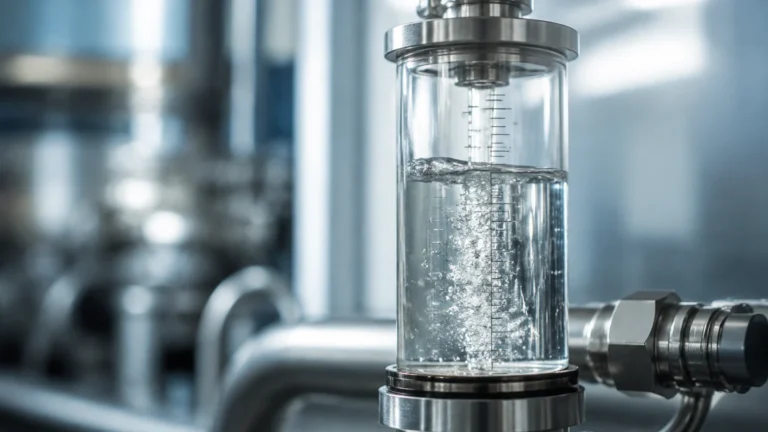
Submersible hydrostatic sensors are placed at the bottom of the basin. They are immune to surface foam and turbulence, which can sometimes interfere with non-contact sensors.
* Advantages: Direct measurement, easy to retrofit, and highly stable in turbulent conditions.
* Best Use: Deep basins or areas where surface foam is a recurring issue.
4. Level Switches
Point level switches (such as float switches or tuning fork switches) are used as redundant safety measures. They provide a discrete signal when the water reaches a critical high or low point, independent of the primary continuous level transmitter.
Technology Selection Table
The following table compares the primary technologies used in cooling tower controls to assist in the selection process.
| Feature | Radar (80 GHz) | Ultrasonic | Hydrostatic | Magnetic Switch |
| :— | :— | :— | :— | :— |
| Measurement Type | Continuous (Non-contact) | Continuous (Non-contact) | Continuous (Contact) | Point Level (Contact) |
| Accuracy | ±1 mm to ±2 mm | ±0.25% of range | ±0.1% to ±0.5% | N/A (Repeatability ±2 mm) |
| Max Range | Up to 120 m (393 ft) | Up to 15 m (49 ft) | Up to 200 m (656 ft) | Custom per application |
| Steam Resistance | Excellent | Fair | Excellent | Excellent |
| Maintenance | Very Low | Low | Moderate (Cleaning) | Low |
| Typical Cost | Higher | Medium | Low to Medium | Low |
Installation and Engineering Considerations
Proper installation is critical for the accuracy of cooling tower controls. Even the most advanced sensor will fail to provide reliable data if environmental factors are not considered during the engineering phase.
Sensor Positioning
The sensor should be mounted in a location that represents the average level of the basin. Avoid placing sensors directly under the makeup water inlet or near the suction side of the primary pumps, as these areas experience localized turbulence and draw-down effects. For non-contact sensors, ensure the "beam angle" is clear of structural beams, pipes, or ladders that could cause false echoes.
Use of Stilling Wells
In cooling towers with high turbulence or surface agitation, a stilling well (a vertical pipe with vent holes) can be installed. The sensor measures the level inside the pipe, which remains calm even if the surrounding basin is turbulent. This is particularly useful for ultrasonic and radar sensors to ensure a steady return signal.
Temperature and Environment
For ultrasonic sensors, ensure the transducer is not exposed to direct sunlight, which can heat the sensor face and cause inaccurate temperature compensation. For hydrostatic sensors, ensure the vent tube in the cable is protected from moisture to prevent atmospheric pressure reference errors.
Integration with Control Systems
Most industrial level meters provide a 4-20 mA signal with HART protocol, allowing for easy integration into a PLC (Programmable Logic Controller) or Building Automation System (BAS). This integration allows for automated control of:
* Makeup Water Valves: Opening when the level drops below a setpoint (e.g., 500 mm or 19.7 inches).
* Blowdown Cycles: Triggered by conductivity or level to manage dissolved solids.
* Pump Protection: Shutting down pumps if the level reaches a critical low (e.g., 100 mm or 3.9 inches) to prevent cavitation.
Operational Limitations and Risks
While modern instrumentation is highly reliable, engineers must be aware of specific risks in cooling tower applications:
1. Scaling and Mineral Buoyancy: Cooling water often has high mineral content. Over time, scale can build up on hydrostatic sensor diaphragms or float mechanisms, leading to drift or mechanical failure. Regular inspection cycles are required.
2. Foaming: Chemical treatments can sometimes cause foam on the water surface. Foam can absorb ultrasonic signals, leading to a "loss of echo." Radar is generally more resistant to foam, but extremely thick, dense foam may still require the use of a stilling well.
3. Signal Interference: In large metal towers, multiple reflections can occur. Using high-frequency (80 GHz) radar with a narrow beam angle helps minimize these reflections by focusing the energy on a small area of the water surface.
4. Ambient Noise: In very loud industrial environments, ultrasonic sensors may occasionally experience interference if the acoustic noise matches the sensor's operating frequency. This is rare but should be considered in heavy machinery areas.
Frequently Asked Questions (FAQs)
Q: How often should cooling tower level sensors be calibrated?
A: For most applications, an annual calibration check is sufficient. However, if the cooling water has high scaling tendencies or aggressive chemical treatments, semi-annual inspections are recommended to check for physical buildup on the sensor.
Q: Can I use a radar sensor in a plastic cooling tower?
A: Yes. Radar signals can pass through plastic. In some cases, the sensor can even be mounted outside the tank, looking through a plastic roof, though direct mounting is usually preferred for maximum signal strength.
Q: What is the "Dead Zone" in level measurement?
A: The dead zone (or blocking distance) is the area directly below a non-contact sensor where it cannot measure. For example, an ultrasonic sensor might have a dead zone of 0.25 meters (10 inches). The sensor must be mounted high enough so that the maximum water level never enters this zone.
Q: Is hydrostatic measurement better than radar for cooling towers?
A: It depends on the basin. Hydrostatic sensors are excellent for deep, turbulent basins and are typically more budget-friendly. Radar is superior for applications where you want to avoid contact with the water entirely or where the basin floor is covered in silt or sludge.
Conclusion
Effective cooling tower controls are the backbone of efficient industrial cooling. By understanding the principles of level measurement—whether through the precision of 80 GHz radar, the cost-effectiveness of ultrasonic sensors, or the stability of hydrostatic transmitters—engineers can design systems that minimize water waste and maximize equipment life.
When specifying instrumentation, always consider the specific environmental challenges of your facility, including the potential for steam, foam, and turbulence. For professional-grade level measurement solutions tailored to industrial automation and water treatment, Welk provides a comprehensive range of instruments designed for accuracy and durability. To find the right fit for your specific project, visit the Main Page for detailed technical specifications and support.