Level Switch Magnetrol
Level Switch Magnetrol
In the landscape of industrial process control, the term "level switch magnetrol" refers to a category of high-reliability point-level detection instruments that have set industry benchmarks for decades. These devices are critical for preventing tank overfills, protecting pumps from dry running, and managing automated filling or emptying cycles. While the name is often associated with the specific brand Magnetrol, it has become synonymous in engineering circles with robust buoyancy-based and electronic level switching technologies used in demanding environments like oil and gas, power generation, and chemical processing.
Selecting the right level switch requires a deep understanding of the underlying physical principles, the process media, and the mechanical constraints of the vessel. This guide examines the core technologies associated with these industrial-grade switches, provides selection criteria, and outlines best practices for installation and maintenance.
Measurement Principles of Industrial Level Switches
To effectively specify a Level Switches solution, engineers must first distinguish between the various physical phenomena used to detect a liquid level. Industrial level switches generally fall into two categories: mechanical (buoyancy-driven) and electronic (solid-state).
1. Buoyancy-Based Principles (Floats and Displacers)
Mechanical switches rely on the displacement of liquid to actuate a switch mechanism. There are two primary sub-types:
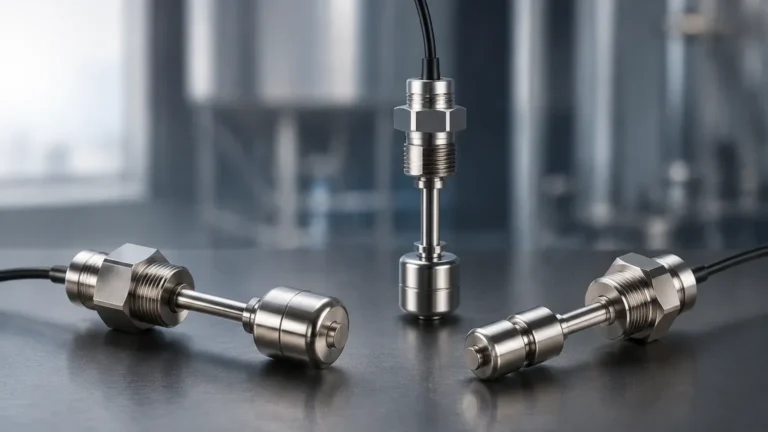
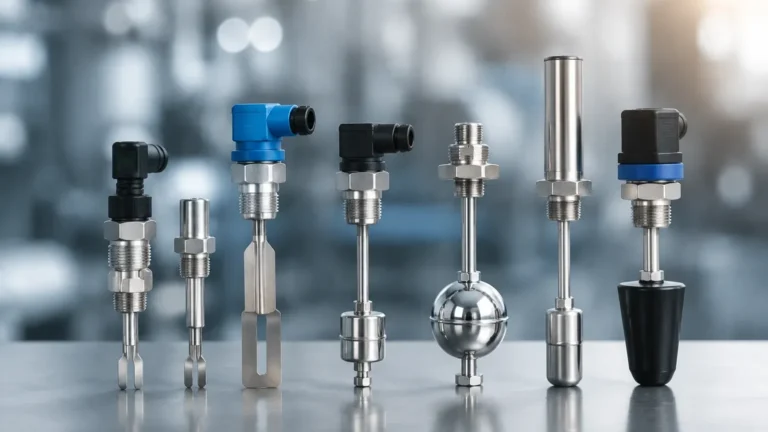
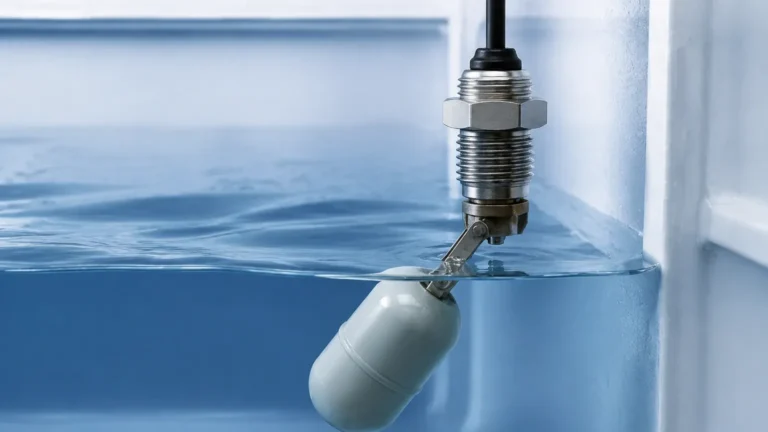
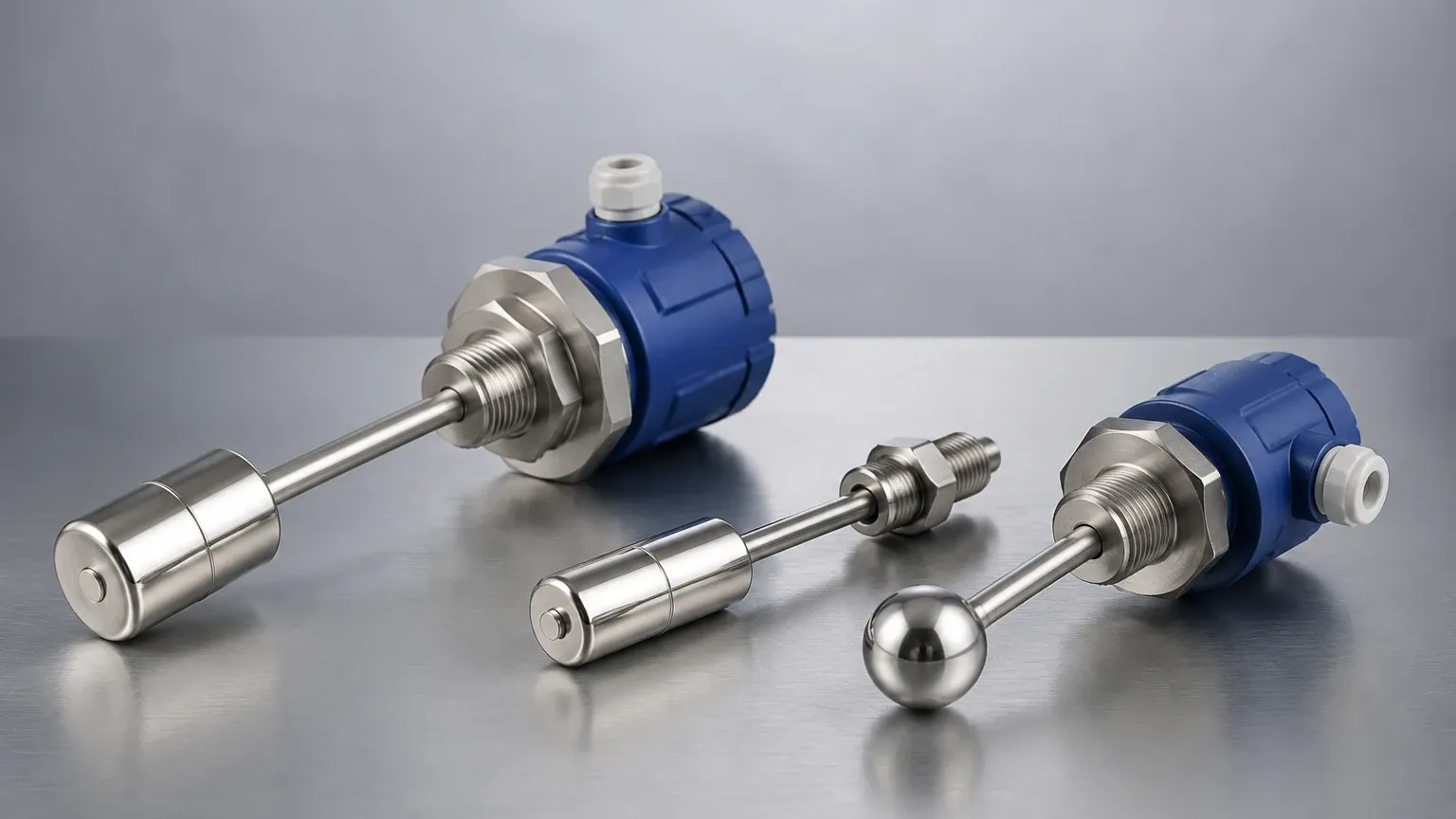
* Float Switches: These utilize a float that is less dense than the process liquid. As the liquid level rises, the float moves upward. In a magnetic level switch, the float contains a permanent magnet that actuates a reed switch or a microswitch when it reaches a specific position. These are simple and effective for clean liquids.
* Displacer Switches: Unlike floats, displacers are denser than the liquid and are suspended by a spring. They operate on Archimedes' Principle: the buoyant force on an object is equal to the weight of the fluid displaced. As the liquid rises and covers the displacer, the effective weight of the displacer decreases, allowing the spring to retract and actuate the switch. Displacers are preferred for high-pressure applications and where liquid turbulence might cause a standard float to bounce.
2. Thermal Dispersion
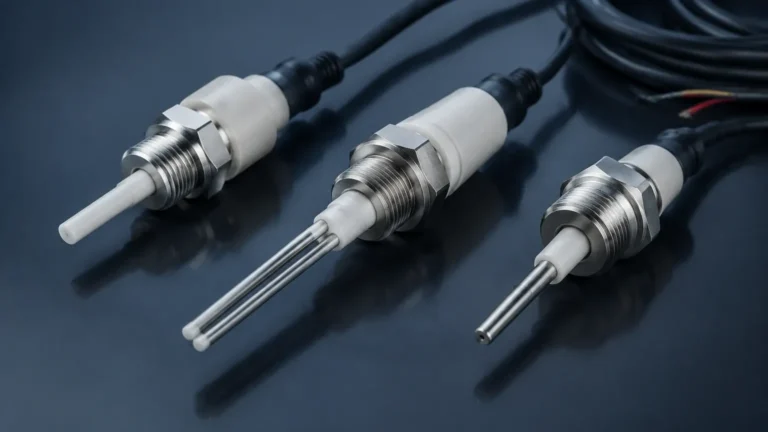
Electronic switches often use thermal dispersion technology. This involves two thermistors—one heated and one reference. When the sensors are dry, there is a high temperature differential. When liquid (which has higher thermal conductivity than gas) covers the sensors, the heat is dissipated, the temperature differential drops, and the electronics trigger the switch. This method is ideal for detecting the interface between different media or for flow/no-flow detection.
3. Ultrasonic Gap Technology
Ultrasonic level switches use a pair of crystals separated by a small gap. One crystal transmits an ultrasonic signal, and the other receives it. When the gap is filled with air, the signal cannot cross efficiently. When liquid fills the gap, the signal is transmitted, triggering the relay. These are highly reliable as they have no moving parts and are unaffected by changes in density or conductivity.
Technical Comparison of Level Switch Technologies
When evaluating a level switch magnetrol or a compatible alternative from manufacturers like Welk, the following table provides a baseline for technology selection based on process conditions.
| Feature | Float Switch | Displacer Switch | Ultrasonic Gap | Thermal Dispersion |
| :— | :— | :— | :— | :— |
| Primary Media | Clean liquids | Heavy/Turbulent liquids | Aerated/Clean liquids | Viscous/Slurries |
| Max Pressure | Up to 100 bar | Up to 345 bar | Up to 138 bar | Up to 400 bar |
| Max Temp | 250°C | 540°C | 150°C | 450°C |
| Specific Gravity | > 0.45 | > 0.40 | N/A | N/A |
| Moving Parts | Yes | Yes | No | No |
| Maintenance | Moderate | Moderate | Low | Low |
Key Evaluation Criteria for Industrial Applications
The reliability of a level switch in a B2B industrial context depends on how well the instrument's specifications align with the actual process environment. Engineers should confirm the following parameters before procurement.
Process Media Characteristics
The chemical compatibility of the wetted parts is paramount. For corrosive media, 316/316L Stainless Steel is standard, but specialized alloys like Hastelloy C or Monel may be required. Furthermore, the specific gravity (SG) of the liquid must be known for buoyancy-based switches. If the SG is too low (e.g., below 0.4), a standard float may not provide enough buoyancy to actuate the switch.
Operating Pressure and Temperature
High-pressure steam drums or cryogenic storage tanks require switches with specialized housings and seals. Mechanical switches used in high-temperature environments often utilize an "external cage" design. This moves the switch mechanism away from the main vessel, allowing for heat dissipation and providing a calmer environment for the float or displacer to operate.
Hazardous Area Certifications
In oil and gas or chemical plants, level switches must often be explosion-proof or intrinsically safe. Look for certifications such as ATEX, IECEx, or UL/CSA. The housing (enclosure) should also meet IP66/67 or NEMA 4X/7/9 standards to protect the internal electronics from moisture and dust.
Installation Considerations and Best Practices
Correct installation is the most significant factor in preventing premature failure of a level switch. Whether installing a Magnetrol unit or a Welk equivalent, several engineering principles apply:
1. Stilling Wells and Cages: If the vessel has high agitation or internal mixers, the switch should be installed inside a stilling well (an internal pipe) or an external cage. This prevents the float from being damaged by mechanical force and eliminates "chattering" of the switch contacts due to surface waves.
2. Orientation: Most buoyancy switches are designed for vertical installation. Deviations of more than 3 to 5 degrees can increase friction in the mechanism, leading to sticking or inaccurate switch points.
3. Nozzle Clearance: Ensure the nozzle diameter is large enough to accommodate the float or displacer. For external cages, the piping should be sloped slightly toward the vessel to prevent the accumulation of sediment or trapped gas.
4. Wiring and Sealing: Use appropriate cable glands and conduit seals. In humid environments, an internal heater may be necessary within the switch housing to prevent condensation from shorting the electrical contacts.
Common Risks and Limitations
While industrial level switches are robust, they are not universal solutions. Engineers should be aware of the following risks:
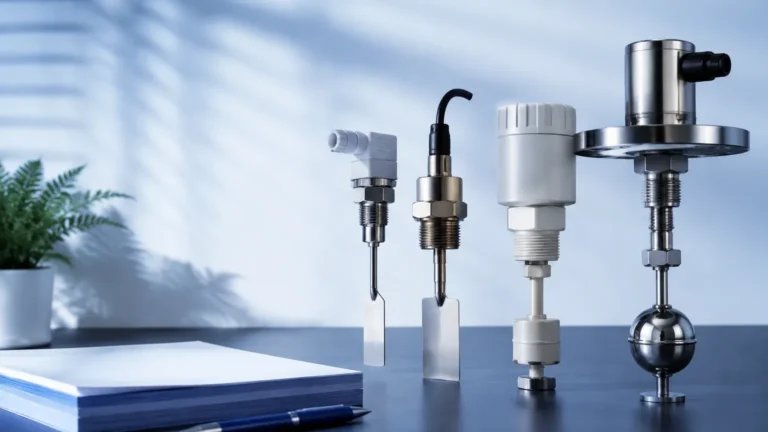
* Build-up and Coating: In applications involving waxes, heavy oils, or crystallizing salts, mechanical floats can become stuck. In these cases, non-contact radar or vibrating fork switches may be more appropriate.
* Vibration: High-frequency vibration from nearby pumps can cause mechanical wear on switch pivots. Electronic switches are generally more resistant to vibration.
* Interface Detection: Detecting the interface between two liquids (e.g., oil and water) requires a float or displacer specifically weighted for the density of the lower liquid but designed to sink through the upper liquid. This requires precise calibration.
Why Choose Welk Level Measurement Solutions?
As a professional manufacturer, Welk provides a range of Level Switches and sensors designed to meet the same rigorous standards as traditional brands like Magnetrol. Our solutions emphasize:
* Advanced Materials: We offer a variety of wetted materials to handle aggressive chemical environments.
* Customization: OEM/ODM services allow for specific mounting configurations, nozzle sizes, and electrical outputs tailored to existing infrastructure.
* Quality Control: Every unit undergoes strict testing to ensure accuracy and reliability in high-pressure and high-temperature applications.
Frequently Asked Questions (FAQ)
Q: Can a level switch be used for continuous level measurement?
A: No. A level switch is a point-level device that provides a discrete output (on/off) at a specific height. For continuous monitoring (0-100%), a radar level meter or hydrostatic transmitter is required.
Q: What is the difference between a "Normally Open" and "Normally Closed" contact?
A: Normally Open (NO) means the circuit is open (off) when the level is below the switch point. Normally Closed (NC) means the circuit is closed (on) until the liquid reaches the switch point. Most industrial switches offer a SPDT (Single Pole Double Throw) contact which allows the user to choose either configuration.
Q: How often should a level switch be calibrated?
A: Mechanical buoyancy switches do not require "calibration" in the electronic sense, but they do require periodic functional testing (proof testing). This involves manually raising the level or using a test lever to ensure the switch actuates and the signal reaches the control room.
Q: Are there metric versions of these switches available?
A: Yes. While many traditional designs use NPT threads and ANSI flanges, Welk provides metric equivalents, including BSP threads and DIN/ISO flanges, to meet international engineering standards.
By understanding the specific requirements of your process and the strengths of different switching technologies, you can select a level switch magnetrol solution that ensures safety and efficiency in your industrial operations. For technical support in selecting the right model for your application, consult with an instrumentation specialist who can provide detailed data sheets and compatibility charts.