Dielectric Constant of Aluminum Oxide
Dielectric Constant of Aluminum Oxide
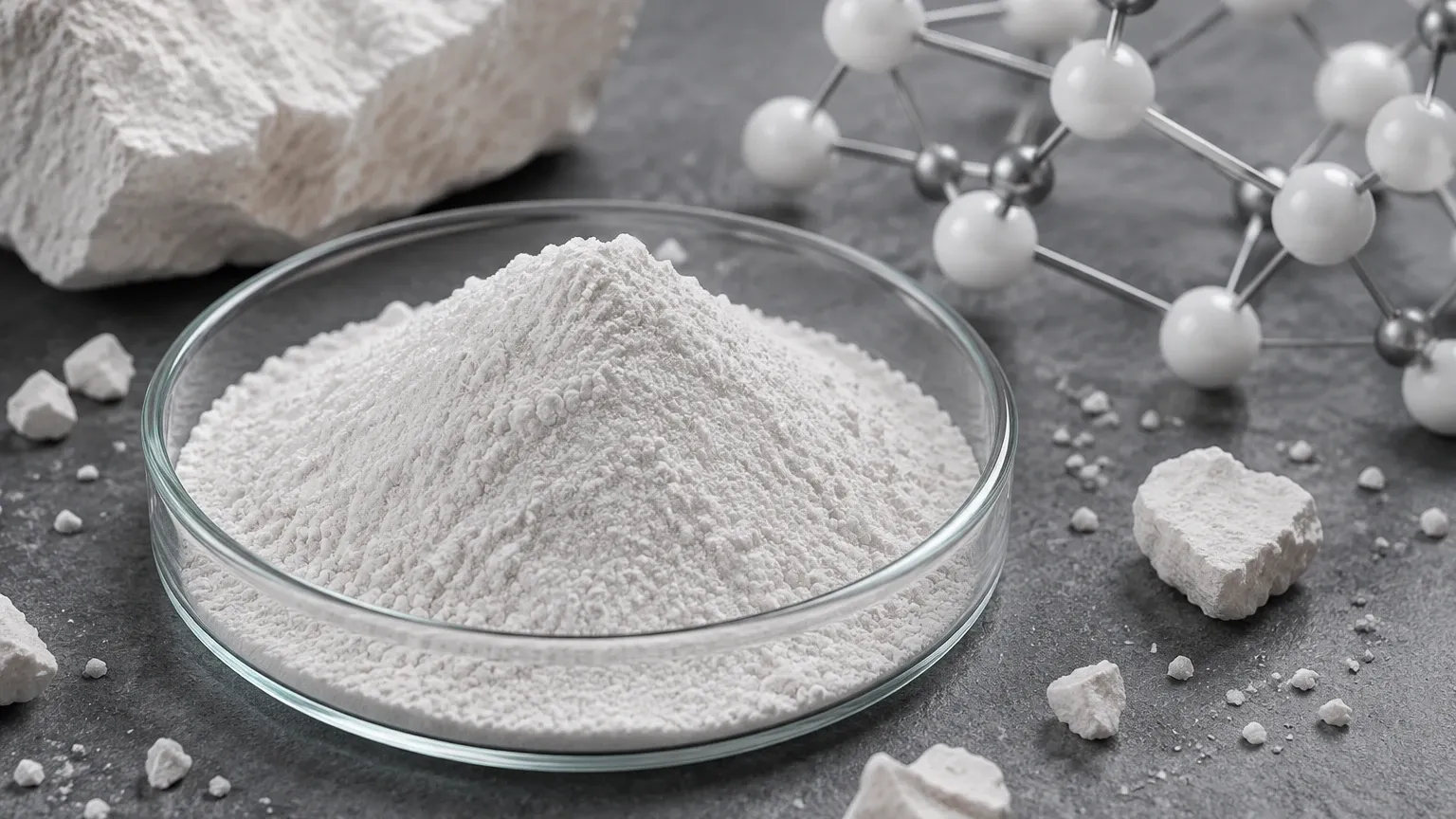
In the field of industrial process control, the dielectric constant of aluminum oxide (Al₂O₃), also known as alumina, is a fundamental parameter that dictates the success of level measurement strategies. Whether storing alumina in large-scale silos for aluminum smelting or managing high-purity ceramic powders for electronics manufacturing, engineers must understand how this physical property interacts with various sensing technologies. Aluminum oxide is a versatile material, but its electrical characteristics—specifically its relative permittivity—require careful consideration when selecting and calibrating instrumentation.
Understanding the Dielectric Constant of Aluminum Oxide
The dielectric constant, or relative permittivity ($ε_r$), is a dimensionless measure of a material's ability to store electrical energy in an electric field. For industrial level measurement, particularly when using radar-based systems, the dielectric constant determines the strength of the signal reflected from the material's surface.
For pure, solid aluminum oxide, the dielectric constant typically ranges between 9.0 and 10.1 at room temperature (approximately 20°C to 25°C). However, in most industrial B2B applications, aluminum oxide is handled in bulk form—as a powder, granulate, or calcined material. In these states, the "apparent" or bulk dielectric constant is significantly lower than that of the solid crystal because the volume includes a substantial amount of air ($ε_r ≈ 1.0$).
Typically, bulk aluminum oxide powders exhibit an effective dielectric constant between 1.5 and 4.0, depending on the packing density and the specific grade of the material. This range is critical because it falls into the category of "low to medium" dielectric materials, which influences the choice between non-contact radar, guided wave radar, and other measurement principles.
Factors Influencing the Dielectric Value
1. Porosity and Bulk Density: As the air-to-solid ratio increases, the effective dielectric constant decreases. Loosely packed alumina in a silo will have a lower $ε_r$ than compacted material at the bottom of the vessel.
2. Temperature: Aluminum oxide is often processed at high temperatures. While its dielectric constant is relatively stable compared to polymers, extreme heat (above 500°C / 932°F) can cause subtle shifts in permittivity and increase the conductivity of the material.
3. Purity and Moisture: The presence of moisture is the most significant variable. Since water has a very high dielectric constant ($ε_r ≈ 80$), even a small percentage of moisture content in the alumina can disproportionately raise the measured dielectric constant, potentially affecting the calibration of capacitance-based sensors.
Measurement Principles for Aluminum Oxide Level Detection
Before selecting a sensor, it is essential to understand how different technologies interact with the dielectric constant of aluminum oxide. The following principles are the most common in industrial automation.
Radar Level Measurement (FMCW and Pulse)
Radar sensors emit electromagnetic waves that travel through the air and reflect off the surface of the aluminum oxide. The amount of energy reflected back to the sensor is directly proportional to the difference between the dielectric constant of the air ($ε_r = 1$) and the dielectric constant of the alumina.
Because the bulk dielectric constant of aluminum oxide is often above 2.0, non-contact radar is highly effective. The signal reflection is strong enough to provide a reliable echo even in the presence of the dust typically generated during filling cycles. High-frequency radar (such as 80 GHz) is particularly well-suited for this material due to its narrow beam angle and ability to handle the uneven surface topography of powder piles.
Guided Wave Radar (GWR)
Guided Wave Radar uses a physical probe (cable or rod) to guide the microwave pulse to the material surface. This technology is less affected by dust and turbulence than non-contact radar. When the pulse hits the aluminum oxide, the change in dielectric constant causes a reflection. GWR is often preferred for very low-density alumina powders where the dielectric constant might dip below 1.6, as the probe concentrates the energy and ensures a return signal.
Capacitance Measurement
Capacitance sensors treat the silo and the material as a large capacitor. As the level of aluminum oxide rises, it replaces air between the sensor probe and the tank wall. Since the dielectric constant of aluminum oxide is higher than that of air, the total capacitance increases. This method is highly dependent on the stability of the dielectric constant; if the moisture content or chemical purity of the alumina varies significantly, the sensor may require frequent recalibration.
Selecting the Right Level Sensor for Alumina Applications
Choosing the correct instrument requires balancing the physical properties of the material with the operational environment. The following table provides a comparison of technologies based on the dielectric constant of aluminum oxide and typical silo conditions.
| Technology | Suitability for Alumina | Minimum $ε_r$ Required | Advantages | Limitations |
| :— | :— | :— | :— | :— |
| 80 GHz Non-contact Radar | Excellent | > 1.4 | No contact with abrasive material; handles dust well. | Higher initial cost; requires clear line of sight. |
| Guided Wave Radar (GWR) | Good | > 1.2 | Very reliable in extremely dusty environments. | Abrasive alumina can wear down the cable/probe. |
| Ultrasonic Sensors | Fair | N/A (Mechanical) | Low cost; simple installation. | Heavily affected by dust and temperature gradients. |
| Capacitance Probes | Moderate | > 1.5 | Good for point level detection. | Sensitive to moisture changes and material build-up. |
| Rotary Paddle Switches | Good (Point Level) | N/A (Mechanical) | Robust; unaffected by electrical properties. | Subject to mechanical wear from abrasive alumina. |
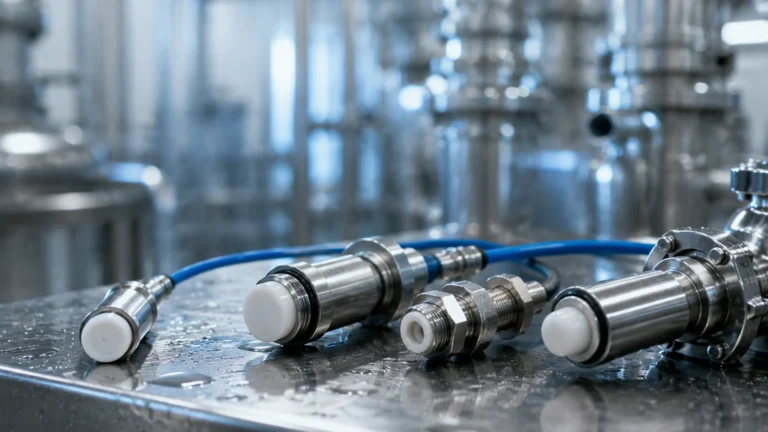
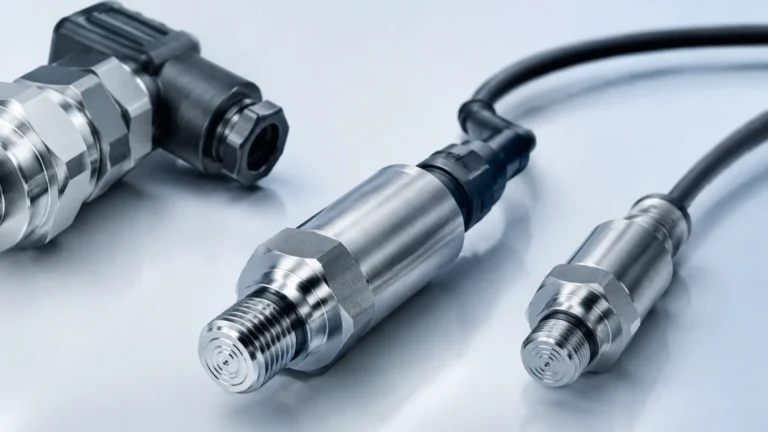
For a comprehensive range of industrial instruments tailored to these specifications, engineers should consult the Main Page of professional manufacturers to review specific model capabilities and accuracy ratings.
Practical Installation Considerations for Alumina Storage
When installing level meters in silos containing aluminum oxide, the dielectric constant is only one part of the equation. Physical installation factors are equally critical for long-term reliability.
1. Dust Management: Aluminum oxide is notoriously dusty. While radar signals can penetrate dust, heavy accumulation on the sensor lens can eventually attenuate the signal. Sensors with a flush-mounted antenna or those equipped with an air-purge connection are recommended to keep the lens clean.
2. Angle of Repose: Like most powders, alumina forms a cone when filled and a depression when emptied. The radar beam must be positioned to account for this slope. Using a swiveling flange or an adjustable mounting bracket allows the sensor to be aimed at the most representative part of the material surface.
3. Abrasiveness: Alumina is an abrasive material. For contact-based technologies like Guided Wave Radar or capacitance probes, the probe material must be hardened or frequently inspected for thinning. Non-contact radar is generally preferred in these scenarios to eliminate wear-and-tear issues.
4. Nozzle Design: The mounting nozzle should be as short as possible to prevent internal reflections (ringing) that can interfere with the measurement of the dielectric constant at the very top of the silo. For 80 GHz radars, the narrow beam allows for longer nozzles, but care must still be taken to avoid internal obstructions.
Limitations and Challenges in Level Measurement
Despite the relatively favorable dielectric constant of aluminum oxide, certain conditions can challenge measurement accuracy:
* Signal Absorption in Deep Silos: In very tall silos (over 30 meters / 98 feet), the signal must travel through a large volume of dust-laden air. Even with a dielectric constant of 9.0 for the solid, the bulk reflection from the powder may be weak. In these cases, high-power FMCW radar is necessary to maintain a high signal-to-noise ratio.
* Material Build-up: If the aluminum oxide is stored in a humid environment, it can become "sticky" and coat the sensor or the probe. This build-up can create a "ghost" signal or a flat-line reading. Regular maintenance or the use of PTFE-coated antennas can mitigate this risk.
* Dielectric Fluctuations: If the source of the aluminum oxide changes (e.g., switching between different grades or suppliers), the bulk dielectric constant may shift. For radar, this usually isn't an issue for surface detection, but for capacitance-based systems, it can lead to significant measurement errors.
Frequently Asked Questions (FAQs)
Q: Does the dielectric constant of aluminum oxide change with frequency?
A: Yes, but for standard industrial radar frequencies (6 GHz to 80 GHz), the variation is minimal. The dielectric constant is generally stable across the microwave spectrum used in level measurement.
Q: Can I use an ultrasonic sensor for aluminum oxide?
A: While ultrasonic sensors do not depend on the dielectric constant, they are often unsuitable for alumina because the dense dust clouds generated during filling absorb the sound waves, leading to signal loss. Radar is a more robust choice.
Q: How does the dielectric constant affect the "blocking distance"?
A: The dielectric constant itself doesn't change the blocking distance (the area near the sensor where measurement is impossible), but a material with a higher dielectric constant like alumina provides a sharper reflection, which can help the sensor distinguish the surface more clearly near the top of the tank.
Q: Is aluminum oxide considered a conductive material?
A: No, aluminum oxide is an excellent electrical insulator. This is why its dielectric constant is the primary factor for radar reflection, rather than conductivity.
Conclusion
Understanding the dielectric constant of aluminum oxide is a prerequisite for successful level measurement in industrial B2B environments. With a solid-state $ε_r$ of approximately 9 and a bulk $ε_r$ typically between 1.5 and 4.0, alumina is well-suited for modern radar technologies. By selecting instruments that account for the material's abrasiveness and dust-generating characteristics, and by ensuring proper installation, plant operators can achieve accurate and maintenance-free level monitoring. For further technical specifications and to explore customized measurement solutions, visiting the Main Page of an experienced instrumentation provider is the recommended next step for engineering teams.