Sensor Globe Aquaculture Camera
Sensor Globe Aquaculture Camera
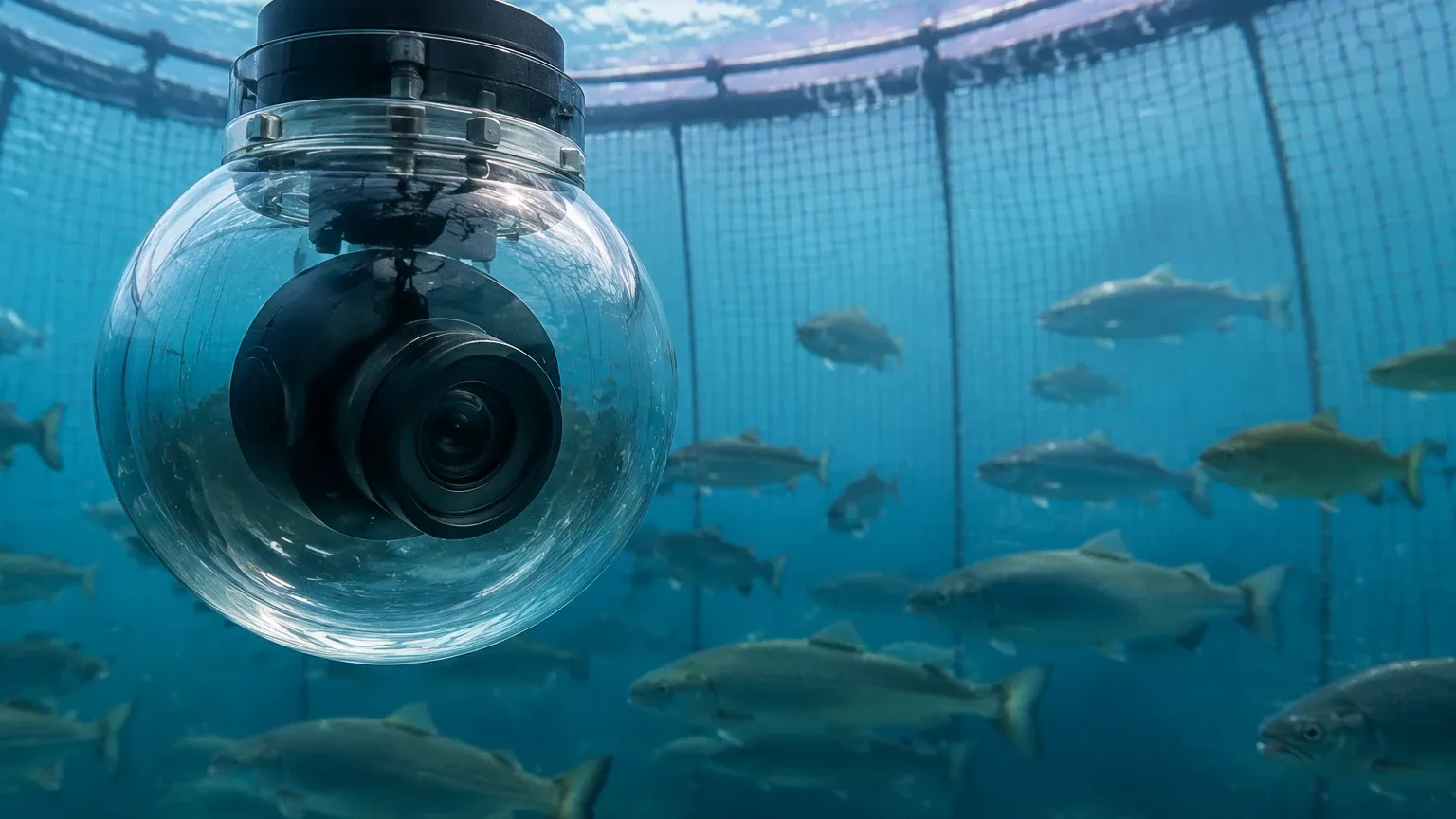
In the rapidly evolving sector of precision aquaculture, the integration of real-time monitoring tools has transitioned from a luxury to an operational necessity. Among the most innovative developments is the sensor globe aquaculture camera—a multi-parameter sensing device typically housed in a spherical, buoyant enclosure designed to drift or be deployed within fish pens. These devices combine visual data with physical and chemical water parameters, providing a holistic view of the aquatic environment.
For industrial operators and engineers, understanding how these mobile sensing units interact with fixed infrastructure, such as hydrostatic level transmitters and ultrasonic sensors, is critical for maintaining biomass health and optimizing feed conversion ratios (FCR). This guide explores the technical principles, selection criteria, and practical applications of sensor globe technology within the broader context of industrial level and quality measurement.
Measurement Principles and Technical Foundations
To effectively utilize a sensor globe aquaculture camera, one must understand the underlying physics of both the optical components and the integrated environmental sensors. Unlike fixed-point industrial sensors, a sensor globe is often a "drifting" or "towing" unit, meaning its measurements are spatially dynamic.
Optical Imaging in Aquatic Environments
The camera component of a sensor globe typically utilizes high-definition CMOS sensors. Because light attenuates rapidly in water—especially in the red spectrum—these cameras are often paired with integrated LED arrays. The principle of operation involves capturing reflected light from organic matter (fish) and inorganic particles. In aquaculture, the primary goal of the camera is to monitor feeding behavior and detect early signs of disease or stress through swimming pattern analysis.
Multi-Parameter Sensing
Beyond the camera, these globes incorporate several sensor types:
1. Dissolved Oxygen (DO): Often utilizing optical (luminescent) sensing technology, which measures the phase shift of blue light reflected off a ruthenium-based sensor film. This is more stable than traditional electrochemical membranes in high-fouling aquaculture environments.
2. Temperature: High-precision thermistors provide the thermal profile, which is essential for calculating oxygen saturation levels.
3. Depth and Level: While the globe measures its own depth using internal hydrostatic pressure sensors, the overall facility management relies on external level measurement. For instance, the Main Page of a technical instrumentation provider often highlights how radar and ultrasonic meters track the total volume of the pond or tank, providing the context in which the sensor globe operates.
Data Transmission
Since the sensor globe is often submerged or floating, data transmission utilizes low-power wide-area networks (LPWAN) like LoRaWAN or direct acoustic telemetry when deep-water communication is required. The "globe" shape is specifically chosen to minimize drag and reduce the risk of entanglement with nets or mooring lines.
Selection Criteria for Aquaculture Monitoring Systems
Choosing between a mobile sensor globe and fixed-point instrumentation depends on the scale of the operation and the specific data requirements. The following table provides a comparison for engineering selection.
Technology Comparison Table
| Feature | Sensor Globe Aquaculture Camera | Fixed Hydrostatic Transmitter | Ultrasonic/Radar Level Meter |
| :— | :— | :— | :— |
| Primary Function | Visual monitoring & multi-parameter drift data | Continuous depth/level monitoring | Non-contact surface level measurement |
| Mobility | High (drifting or tethered) | Stationary (submerged) | Stationary (above water) |
| Maintenance | High (biofouling on lens) | Moderate (diaphragm cleaning) | Low (no contact with media) |
| Best Use Case | Behavioral analysis & cage mapping | Deep-water cage depth control | Feed silos & pond level management |
| Data Integration | Wireless/Cloud-based | 4-20mA / Modbus | 4-20mA / HART / Modbus |
The Role of Level Measurement in Aquaculture
While the sensor globe aquaculture camera provides a localized view of fish health, the stability of the entire system is governed by water level and volume. In land-based recirculating aquaculture systems (RAS) or pond-based farming, level measurement is the first line of defense against system failure.
Hydrostatic Level Transmitters
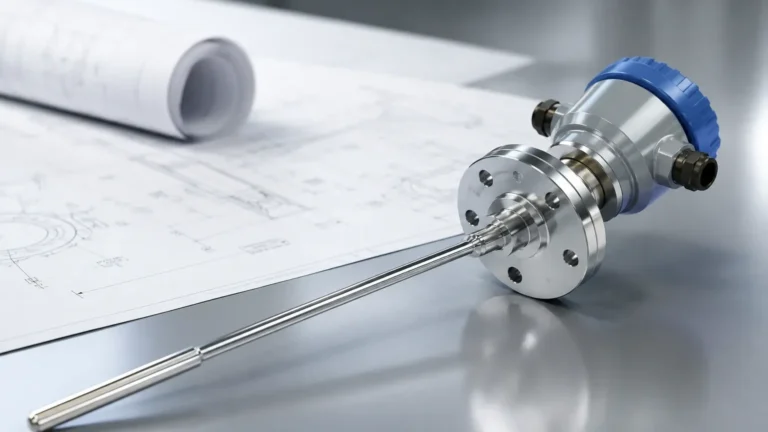
In deep-sea cages, hydrostatic transmitters are used to monitor the exact depth of the net bottom. If a sensor globe reports low oxygen at 10 meters, the operator must verify the total depth of the cage to understand if the fish have room to move to more oxygenated strata. These transmitters work on the principle of $P = \rho gh$, where pressure ($P$) is proportional to the height ($h$) of the liquid column above the sensor.
Non-Contact Ultrasonic and Radar Sensors
For feed management, ultrasonic sensors are the industry standard. Mounted at the top of feed silos, they emit high-frequency sound pulses that reflect off the feed surface. This allows the facility to correlate the visual feeding data from the sensor globe camera with the actual volume of feed consumed. For more complex environments with dust or steam, radar level meters provide a more robust solution due to their shorter wavelengths and higher penetration capabilities. Detailed specifications for these industrial-grade sensors can be reviewed on the Main Page of professional measurement equipment manufacturers.
Installation and Deployment Considerations
Deploying a sensor globe aquaculture camera requires more than simply dropping it into the water. Engineers must consider the physical dynamics of the site.
1. Buoyancy Calibration: The globe must be balanced to sit at the correct depth. Over-buoyancy leads to surface noise interference with the camera, while under-buoyancy may cause the unit to sink and snag on the bottom of the net.
2. Biofouling Mitigation: In marine environments, biofilm and barnacles can obscure a camera lens within days. Selection should favor globes with copper-alloy housings or integrated wipers. For fixed level sensors used in the same facility, choosing materials like PVDF or PTFE for sensor faces helps minimize organic growth.
3. Signal Range: In large-scale offshore farms, the distance between the globe and the base station can exceed 1 km. Repeaters or mesh networking may be necessary to ensure the high-bandwidth video data from the camera reaches the control room without significant latency.
Limitations and Risks
Despite their versatility, sensor globe aquaculture cameras have specific technical limitations that engineers must account for in their system design:
* Turbidity Interference: In high-density ponds, suspended solids can reduce the effective range of the camera to less than 0.5 meters. In such cases, the visual data becomes secondary to the physical sensor data (DO and pH).
* Battery Life vs. Frame Rate: High-definition video streaming is power-intensive. Most globes operate on a duty cycle—recording for 5 minutes every hour—to extend battery life to several months. Continuous monitoring usually requires a tethered power supply, which limits the "globe" mobility.
* Data Overload: A single farm may deploy dozens of globes. Without automated AI analysis to detect anomalies in the video feed, the sheer volume of visual data can overwhelm human operators.
Integration with Industrial Automation
For a modern aquaculture facility, the sensor globe is one component of a SCADA (Supervisory Control and Data Acquisition) system. The data from the globe’s camera is often overlaid with the precise level data from the facility's main tanks.
For example, if a radar level meter detects a sudden drop in water level in a land-based tank, the system can automatically trigger the sensor globe camera to prioritize recording in that specific zone to check for fish stress or structural leaks. This synergy between mobile "eyes" and fixed "meters" is what defines high-efficiency B2B aquaculture solutions.
Frequently Asked Questions (FAQ)
Q: Can a sensor globe aquaculture camera replace fixed water quality probes?
A: Not entirely. While globes offer mobility, fixed probes are generally easier to calibrate and provide a consistent baseline for long-term trend analysis. Globes are best used for "spot-checking" different areas of a large cage or for specific behavioral studies.
Q: How do I choose between a 26GHz and an 80GHz radar for aquaculture level monitoring?
A: For most aquaculture applications, 80GHz radar is preferred due to its smaller beam angle, which avoids interference from tank walls or internal structures like aeration pipes. You can find comparative data on these frequencies at the Main Page of specialized level instrument providers.
Q: What is the typical maintenance interval for a sensor globe?
A: In high-growth summer months, the camera lens and DO sensor may require cleaning every 7 to 14 days. In winter or colder climates, this interval can often be extended to 30 days.
Q: Does the spherical shape affect the accuracy of the internal sensors?
A: The shape is designed to ensure that water flows evenly across the sensor ports regardless of the globe's orientation in the current. However, it is essential to ensure that the globe is not trapped in an eddy where stagnant water might give false DO readings.
Conclusion
The sensor globe aquaculture camera represents a significant leap forward in submerged monitoring technology. By providing a mobile, visual-tactile interface with the aquatic environment, it allows farm managers to move from reactive to proactive management. However, the effectiveness of these devices is inherently linked to the accuracy of the facility’s foundational instrumentation. Reliable level measurement, whether through hydrostatic, ultrasonic, or radar technologies, remains the bedrock upon which these advanced visual systems are built. For engineers designing these integrated systems, selecting the right mix of mobile globes and high-precision fixed sensors is the key to operational success.