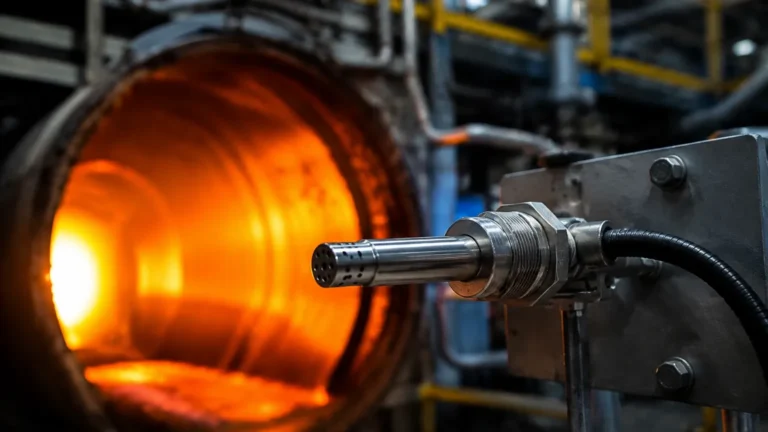
Endress Magnetic Flow Meter
Endress Magnetic Flow Meter
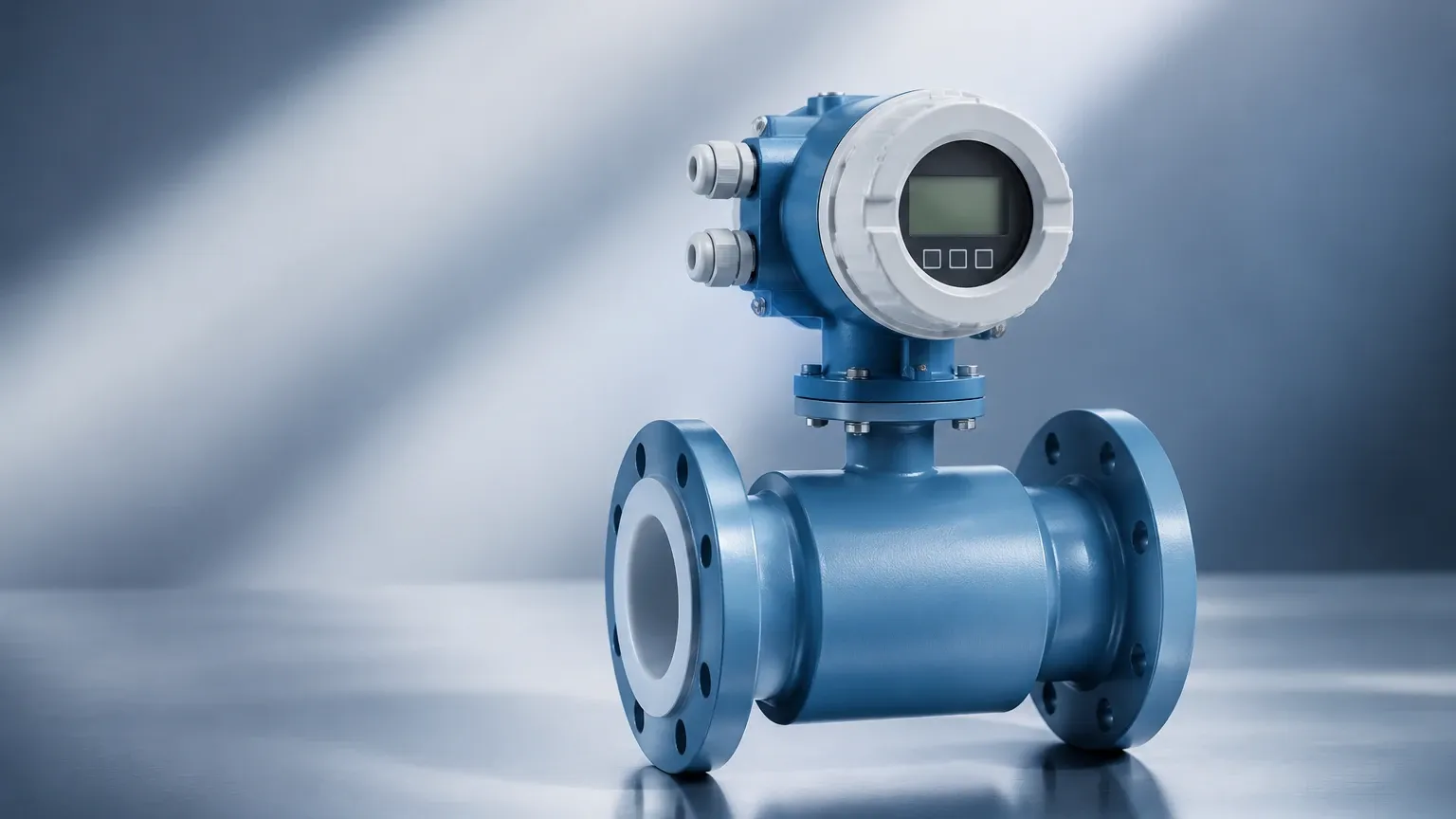
In the landscape of industrial process control, the measurement of conductive liquids requires high precision, long-term stability, and minimal maintenance. The electromagnetic flow meter, often referred to as a magmeter, has become the industry standard for these applications. Among the leading solutions in this category, the Endress magnetic flow meter series—specifically the Promag line—is frequently utilized as a benchmark for performance in water management, chemical processing, and food and beverage production. Understanding the technical nuances of these instruments is essential for engineers tasked with optimizing plant efficiency and ensuring accurate mass balance.
While flow measurement focuses on the velocity and volume of moving fluids, it is often paired with advanced level measurement technologies to provide a comprehensive view of process dynamics. For organizations seeking to integrate these systems, reviewing a wide range of Main Page options for level instrumentation is a critical step in building a robust automation architecture.
Understanding Electromagnetic Flow Measurement Principles
The operation of an Endress magnetic flow meter is based on Faraday’s Law of Induction, a fundamental principle of electromagnetism. This law states that a conductor moving through a magnetic field produces an electrical voltage. In the context of a flow meter, the "conductor" is the process liquid itself.
The Measurement Formula
The relationship between the fluid movement and the generated voltage is expressed by the formula:
E = B · v · d · k
* E: Induced voltage (the signal measured by the electrodes).
* B: Magnetic field strength (generated by the meter’s internal coils).
* v: Flow velocity of the liquid.
* d: Pipe diameter (the distance between the electrodes).
* k: Proportionality constant (specific to the meter design).
Because the magnetic field (B) and the distance between electrodes (d) are constant, the induced voltage is directly proportional to the flow velocity (v). This allows the transmitter to calculate the volumetric flow rate with high accuracy, often within ±0.2% to ±0.5% of the actual flow rate, depending on the specific model and calibration.
Requirements for Measurement
For this principle to function, the medium must have a minimum electrical conductivity. Most industrial magmeters require a conductivity of at least 5 μS/cm (microsiemens per centimeter). This makes the technology ideal for water, acids, alkalis, and slurries, but unsuitable for hydrocarbons, distilled water, or gases, which lack the necessary conductivity.
Technical Specifications and Evaluation Criteria
When evaluating an Endress magnetic flow meter for a specific application, several technical parameters must be considered to ensure compatibility with the process environment. These instruments are designed to handle a wide range of pipe sizes, typically from DN 2 to DN 2400 (1/12" to 90").
Key Performance Indicators
1. Accuracy and Repeatability: High-end magmeters offer exceptional repeatability, which is crucial for batching and dosing applications.
2. Pressure Ratings: Standard units usually support PN 10 to PN 40, though specialized high-pressure versions can exceed 100 bar.
3. Temperature Range: Depending on the liner material, process temperatures can range from -40°C to +180°C (-40°F to 356°F).
4. Output Signals: Modern transmitters support 4-20 mA HART, PROFIBUS, Modbus, and EtherNet/IP for seamless integration into PLC and SCADA systems.
Material Selection: Liners and Electrodes
The internal components of a magnetic flow meter are in constant contact with the process fluid. Therefore, selecting the correct materials for the liner and the electrodes is the most critical factor in preventing corrosion and ensuring a long service life.
Comparison of Common Liner Materials
| Liner Material | Temperature Range | Typical Applications |
| :— | :— | :— |
| PTFE (Teflon) | -20°C to +150°C | Aggressive chemicals, acids, and high-temperature fluids. |
| PFA | -20°C to +180°C | Similar to PTFE but with better mechanical stability under vacuum. |
| Hard Rubber | 0°C to +80°C | General water treatment, wastewater, and non-corrosive slurries. |
| Polyurethane | -20°C to +50°C | Highly abrasive media, such as mining slurries or sand-water mixtures. |
Electrode Materials
Electrodes are typically made from 316L Stainless Steel for standard water applications. For more corrosive environments, materials such as Hastelloy C22, Tantalum, Platinum, or Titanium are used. The choice depends entirely on the chemical compatibility with the process medium.
Installation Best Practices for Magnetic Flow Meters
To achieve the specified accuracy of an Endress magnetic flow meter, strict adherence to installation guidelines is required. The most common cause of measurement error is improper placement within the piping system.
Inlet and Outlet Runs
Flow profiles must be stable and fully developed before reaching the electrodes. Turbulence caused by valves, pumps, or elbows can lead to erratic readings.
* Upstream (Inlet): A minimum of 5 pipe diameters (5D) of straight pipe is generally required.
* Downstream (Outlet): A minimum of 2 pipe diameters (2D) of straight pipe is recommended.
Orientation and Pipe Filling
The meter must always be installed in a section of pipe that is completely full of liquid. If the pipe is partially empty, the meter will read incorrectly or fail to provide a signal.
* Vertical Installation: This is the preferred orientation, with the flow moving upward. This ensures the pipe remains full and prevents the accumulation of air bubbles.
* Horizontal Installation: The meter should be placed in a low point of the piping. The electrode axis must be horizontal to prevent air bubbles (at the top) or sediment (at the bottom) from interfering with the electrical signal.
Grounding
Since the magmeter measures microvolt signals, electrical noise can significantly impact performance. The fluid, the sensor, and the transmitter must be at the same electrical potential. In lined pipes or plastic piping, grounding rings are necessary to establish a reliable reference potential with the liquid.
Integration with Level Measurement Systems
In many industrial B2B applications, flow and level measurement are complementary. For example, in a chemical storage tank, a magnetic flow meter tracks the volume of acid being pumped out, while a radar level meter or ultrasonic sensor monitors the remaining inventory in the tank.
This "mass balance" approach allows operators to detect leaks or pump inefficiencies by comparing the change in tank level against the totalized flow recorded by the magmeter. For engineers designing these integrated systems, it is beneficial to consult a comprehensive Main Page for level instrumentation to ensure that the chosen level sensors match the accuracy and communication protocols of the flow meters.
Common Challenges and Troubleshooting
Despite their lack of moving parts, magnetic flow meters can face operational challenges in specific environments.
1. Entrained Air: Large bubbles or foam can cause the signal to drop out. If air entrainment is unavoidable, an air eliminator should be installed upstream.
2. Coating and Buildup: In wastewater or slurry applications, fats, oils, or minerals can coat the electrodes, insulating them from the fluid. Some high-end meters feature electrode cleaning functions or "empty pipe detection" to alert operators to these issues.
3. Vacuum Conditions: Certain liners, like PTFE, can collapse or peel away from the tube wall under vacuum conditions. In these cases, a PFA liner with a stainless steel mesh reinforcement is often required.
4. Conductivity Fluctuations: If the liquid's conductivity drops below the meter's threshold (e.g., switching from tap water to demineralized water), the meter will cease to function.
Frequently Asked Questions
Q: Can a magnetic flow meter measure the flow of oil or diesel?
A: No. Petroleum-based products have extremely low conductivity. For these fluids, Coriolis or ultrasonic flow meters are typically required.
Q: Does the viscosity of the fluid affect the accuracy?
A: Generally, no. One of the primary advantages of the electromagnetic principle is that it is independent of viscosity, density, and pressure, provided the flow profile is developed.
Q: How often does an Endress magnetic flow meter need calibration?
A: While the sensors are highly stable, many regulated industries (like pharmaceutical or food) require annual or biennial calibration. Many modern units feature internal verification technologies (such as Heartbeat Technology) that allow for in-situ verification without removing the meter from the line.
Q: What is the difference between a compact and a remote transmitter?
A: A compact version has the transmitter mounted directly on the sensor. A remote version connects the sensor and transmitter via a signal cable, which is ideal for applications where the sensor is submerged, in a high-vibration area, or in a location with limited access.
Conclusion
The Endress magnetic flow meter represents a pinnacle of electromagnetic induction technology, offering a reliable solution for measuring conductive liquids across diverse industries. By carefully selecting liner materials, ensuring proper grounding, and adhering to straight-run requirements, plant operators can achieve high-precision measurements with minimal maintenance. When combined with reliable level measurement solutions from a professional Main Page, these instruments provide the data necessary for sophisticated process automation and resource management.