Pmc71b
Pmc71b
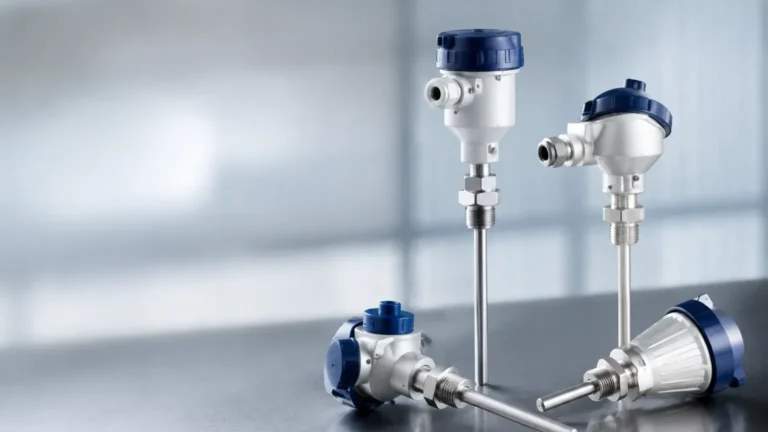
In the field of industrial process automation, hydrostatic level measurement remains one of the most reliable methods for determining the volume or height of liquids in tanks and vessels. The Pmc71b represents a significant advancement in this category, utilizing a dry ceramic measuring cell to provide high-precision data in environments where traditional metallic diaphragms might fail. This article explores the technical architecture, measurement principles, and practical application criteria for the Pmc71b, serving as a reference for engineers seeking to optimize their level sensing infrastructure.
Understanding Hydrostatic Level Measurement Principles
Before evaluating the specific benefits of the Pmc71b, it is essential to understand the underlying physics of hydrostatic level measurement. This method relies on the relationship between the pressure exerted by a liquid column and its height.
The fundamental formula used is:
P = ρ × g × h
Where:
* P is the hydrostatic pressure (measured at the bottom of the vessel).
* ρ (rho) is the density of the liquid.
* g is the gravitational acceleration (approximately 9.81 m/s²).
* h is the height of the liquid column.
In a vented tank, the transmitter measures the pressure relative to the atmospheric pressure. In pressurized vessels, a differential pressure approach is required to subtract the top-side gas pressure from the total pressure at the bottom. The Pmc71b is designed to handle these calculations with high accuracy, converting the physical pressure into a standardized 4-20 mA HART, PROFIBUS PA, or FOUNDATION Fieldbus signal.
Evolution of the Ceramic Measuring Cell: The Core of the Pmc71b
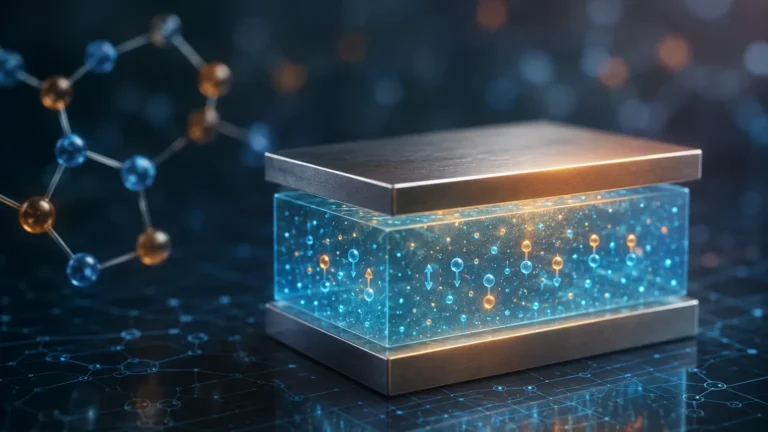
The defining characteristic of the Pmc71b is its high-purity (99.9%) Alumina (Al₂O₃) ceramic measuring cell. Unlike traditional pressure transmitters that use a thin metal diaphragm (often stainless steel or Hastelloy) backed by a synthetic oil fill, the Pmc71b utilizes a "dry" sensor.
How the Dry Ceramic Cell Works
In this design, the process fluid comes into direct contact with the ceramic diaphragm. As pressure is applied, the diaphragm deflects slightly. This deflection changes the capacitance between the diaphragm and a substrate. Because there is no oil-fill fluid to transmit the pressure, the sensor is immune to several common failure modes:
1. Hydrogen Permeation: In some chemical processes, hydrogen atoms can diffuse through metal diaphragms, forming bubbles in the fill oil and causing measurement drift. Ceramic is impervious to this effect.
2. Vacuum Damage: Metallic diaphragms can "balloon" or suffer permanent deformation under high vacuum. The rigid structure of the ceramic cell in the Pmc71b is inherently vacuum-resistant.
3. Mechanical Abrasion: In slurries or fluids containing solids, metal diaphragms can be easily scratched or worn thin. Ceramic is one of the hardest materials available, offering superior resistance to abrasive wear.
Key Technical Specifications and Performance Metrics
The Pmc71b is part of a new generation of smart instruments designed for "Industry 4.0" integration. When reviewing the Main Page of modern instrumentation providers, several key specifications stand out for this class of device:
* Reference Accuracy: Standard models offer up to ±0.05%, with platinum versions reaching ±0.025% of the set span.
* Long-term Stability: The ceramic cell provides exceptional stability, often cited at less than 0.1% of the upper range limit (URL) over a period of 10 years.
* Temperature Range: Capable of handling process temperatures from -40°C to +150°C (-40°F to +302°F).
* Pressure Ranges: Available for measurements from vacuum up to 40 bar (600 psi), depending on the specific flange or process connection.
Selection Table: Ceramic vs. Metallic Diaphragms
| Feature | Ceramic (Pmc71b) | Metallic Diaphragm |
| :— | :— | :— |
| Measuring Principle | Capacitive (Dry) | Piezoresistive (Oil-filled) |
| Abrasion Resistance | Excellent | Poor to Moderate |
| Vacuum Resistance | High (to absolute vacuum) | Limited |
| Overload Resistance | Up to 40x rated pressure | Limited |
| Chemical Resistance | High (except HF) | Depends on Diaphragm Alloy |
| Hydrogen Diffusion | No risk | High risk in specific media |
Application Selection: When to Specify Ceramic Sensors
Choosing the Pmc71b is typically driven by the specific challenges of the process media. While metallic sensors are suitable for clean, non-corrosive liquids, the Pmc71b is the preferred choice for the following scenarios:
1. Abrasive Slurries and Suspensions
In mining, wastewater treatment, or pulp and paper applications, the process fluid often contains grit or fibers. A ceramic sensor can withstand the constant impingement of these particles without losing calibration or suffering physical breach.
2. High-Vacuum Distillation
In chemical and pharmaceutical manufacturing, vacuum distillation columns operate at extremely low pressures. The Pmc71b’s dry cell remains stable under these conditions, whereas oil-filled metallic sensors may experience outgassing or diaphragm damage.
3. Aggressive Chemicals
Ceramic is chemically inert to a vast range of acids and alkalis. However, it is important to note that Hydrofluoric Acid (HF) will attack the Alumina structure. In such cases, alternative materials or specialized coatings must be considered.
4. Overpressure Protection
System upsets can lead to pressure spikes that far exceed the normal operating range. The Pmc71b features high overload resistance, allowing it to recover from pressure surges that would rupture a thin metal diaphragm.
Installation and Commissioning Best Practices
To ensure the accuracy of the Pmc71b, proper installation is critical. Because hydrostatic level measurement is density-dependent, any factor that influences the pressure reading must be accounted for.
Mounting Position
The transmitter should ideally be mounted at the lowest point of the vessel. If the transmitter is mounted above or below the zero-level point, a "zero-point shift" or "calibration offset" must be programmed into the device. Most modern transmitters allow for easy adjustment via local display or digital communication tools.
Impulse Lines and Venting
For vented tanks, the "low-pressure" side of the sensor must be vented to the atmosphere. The Pmc71b usually includes a gore-tex filter or a similar venting mechanism to prevent moisture ingress while allowing atmospheric pressure equalization. If this vent becomes blocked, the measurement will drift as atmospheric pressure changes.
Density Compensation
Since the Pmc71b measures pressure, not actual height, any change in liquid density (due to temperature fluctuations or concentration changes) will result in a level error. If the density is variable, a secondary temperature sensor or a second pressure transmitter can be used to calculate the real-time density and correct the level reading.

Limitations and Environmental Considerations
While the Pmc71b is a robust instrument, it is not a universal solution for every application. Engineers should be aware of the following limitations:
* Hydrofluoric Acid (HF): As mentioned, HF is the primary chemical enemy of Alumina ceramics. Even trace amounts can lead to sensor failure.
* Thermal Shock: Although ceramic can handle high temperatures, sudden, extreme temperature changes (e.g., spraying cold water on a hot sensor during a CIP cycle) can potentially crack the ceramic substrate, though modern designs have significantly mitigated this risk.
* Condensation: In humid environments, condensation can form on the electronics or within the housing. Choosing a dual-compartment housing (separating the electronics from the terminal connection) is recommended for high-humidity applications.
Comparison of Level Technologies
When evaluating the Pmc71b, it is often compared with non-contact technologies such as radar or ultrasonic sensors. The following table highlights the trade-offs:
| Criteria | Pmc71b (Hydrostatic) | Radar (Level Meter) | Ultrasonic |
| :— | :— | :— | :— |
| Installation | Internal/Bottom | Top-mounted | Top-mounted |
| Foam Sensitivity | Not affected | Minimal effect | High sensitivity |
| Density Dependency | High | None | None |
| Vessel Geometry | Independent | Affected by internals | Affected by internals |
| Cost | Moderate | High | Low to Moderate |
For users exploring a wide variety of measurement technologies, reviewing a comprehensive Main Page of industrial level instruments can provide a clearer picture of which technology suits the specific vessel geometry and budget.
Frequently Asked Questions (FAQ)
Q: How often does the Pmc71b require calibration?
A: Due to the high stability of the ceramic cell, many users extend calibration cycles to 5 or even 10 years, depending on internal quality standards and the criticality of the process.
Q: Can the Pmc71b be used for safety-instrumented systems (SIS)?
A: Yes, the Pmc71b is typically developed according to IEC 61508 and is suitable for use in SIL 2 (or SIL 3 in redundant configurations) applications.
Q: Does the Pmc71b support wireless communication?
A: While the primary communication is wired (HART), many versions now offer Bluetooth integration for remote configuration and diagnostics via mobile apps, which is particularly useful for transmitters located in hard-to-reach areas.
Q: What is the maximum process temperature for the Pmc71b?
A: The standard maximum is 125°C, but with specialized cooling or high-temperature versions, it can reach up to 150°C.
Conclusion
The Pmc71b stands as a benchmark for hydrostatic level measurement in challenging industrial environments. Its ceramic measuring cell addresses the weaknesses of traditional metallic sensors, offering a solution that is resistant to abrasion, vacuum, and chemical corrosion. By understanding the measurement principles and following rigorous selection and installation guidelines, process engineers can ensure long-term accuracy and minimal maintenance for their level sensing needs. For further exploration of level measurement options, including radar and ultrasonic alternatives, consulting a specialized manufacturer's Main Page is recommended to compare performance across different application profiles.