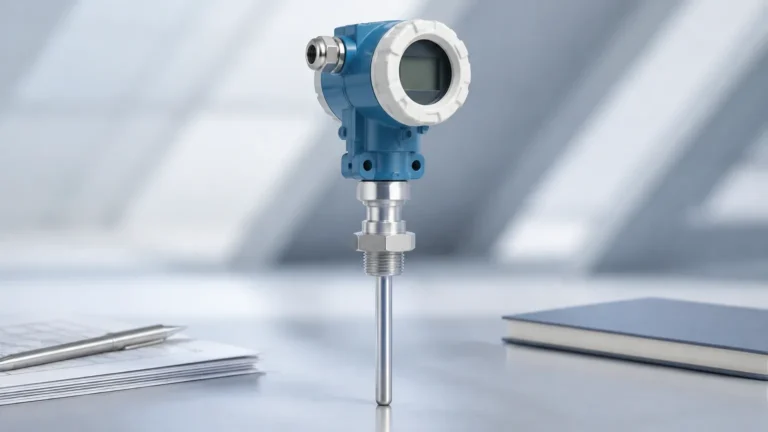
Memosens Cps77e
Memosens Cps77e
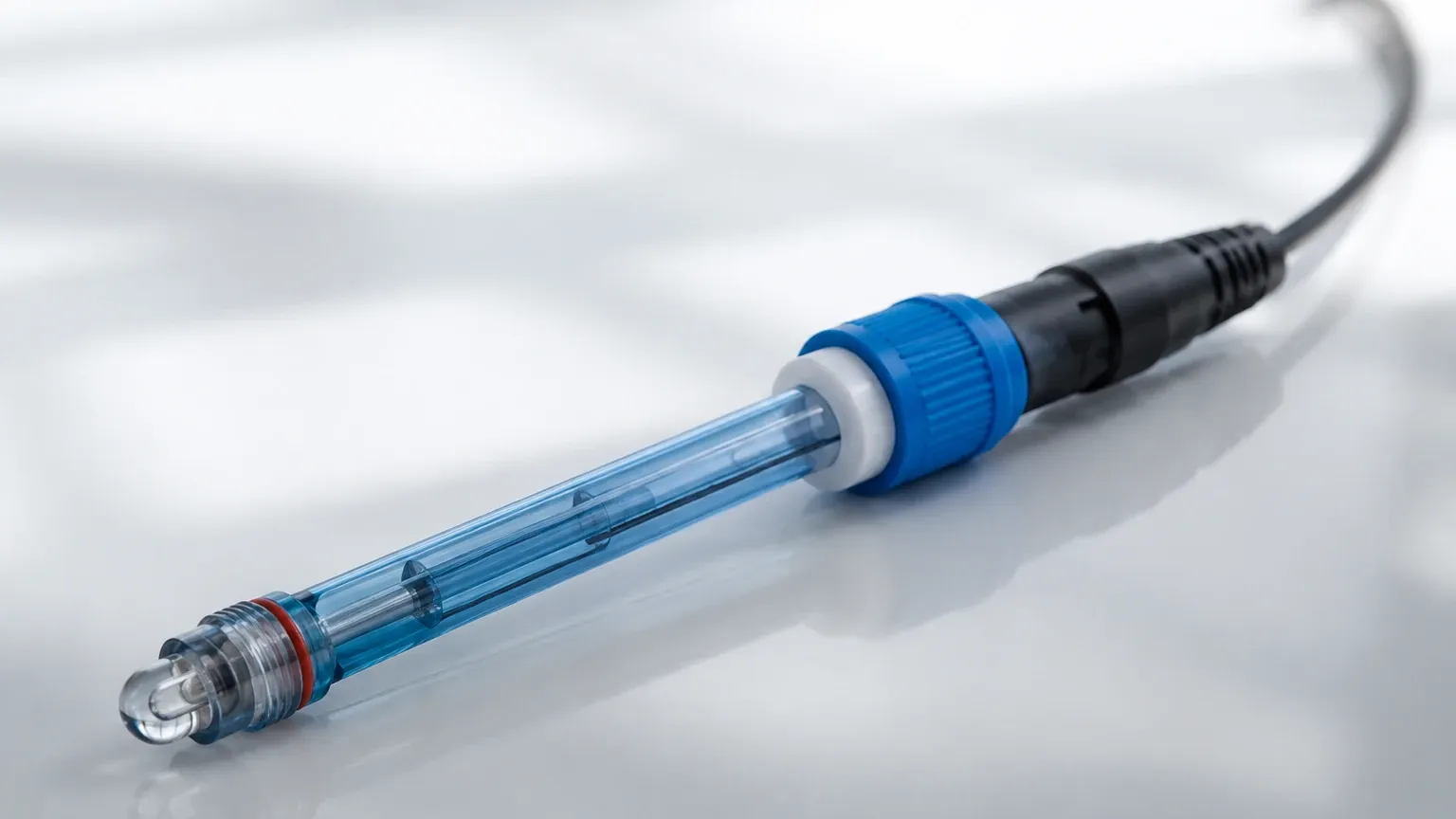
In the landscape of industrial process automation, the transition from analog to digital sensing has redefined how engineers approach liquid analysis. Among the most specialized tools in this category is the Memosens CPS77e, a digital ISFET (Ion-Selective Field Effect Transistor) pH sensor designed specifically for applications where traditional glass electrodes pose a risk. This article provides a technical overview of the measurement principles, application criteria, and integration strategies for digital pH sensing within broader industrial systems, such as those involving the level measurement solutions found on our Main Page.
Understanding the Measurement Principle: ISFET vs. Glass
To appreciate the role of the Memosens CPS77e, one must first understand the fundamental difference between glass-based potentiometric measurement and ISFET technology. Traditional pH sensors utilize a glass membrane that develops a potential difference based on hydrogen ion concentration. While accurate, glass is inherently fragile and susceptible to breakage, which is a critical failure point in food production or high-pressure chemical processes.
The ISFET Mechanism
The ISFET sensor replaces the glass membrane with a semiconductor chip. The gate of the transistor is in direct contact with the process medium. Hydrogen ions from the liquid accumulate at the gate, creating an electrostatic charge that modulates the current flowing through the transistor. This current change is proportional to the pH value.
Because the sensor is made of PEEK (polyetheretherketone) and silicon, it is unbreakable. This makes it the preferred choice for "glass-free" production zones. Furthermore, ISFET sensors offer faster response times in low temperatures compared to glass electrodes, which can become sluggish as the impedance of the glass membrane increases in cold environments.
The Memosens Digital Advantage
The "Memosens" prefix refers to the inductive, contactless signal transmission technology. In traditional analog systems, the high-impedance signal from a pH probe is extremely sensitive to moisture, corrosion, and electromagnetic interference (EMI) at the cable connection. Memosens technology converts the analog signal into a digital telegram within the sensor head itself. This data is then transmitted inductively to the transmitter.
This digital approach allows for:
* Lab Calibration: Sensors can be calibrated in a controlled laboratory environment and then hot-swapped in the field.
* Data Logging: The sensor stores its own calibration history, operating hours, and extreme temperature exposures.
* Signal Integrity: Because the connection is inductive and digital, moisture at the junction does not cause signal drift or failure.
Technical Specifications and Material Considerations
The Memosens CPS77e is engineered for hygienic and heavy-duty applications. Its construction materials are selected for chemical resistance and compliance with international safety standards.
| Feature | Specification |
| :— | :— |
| Measurement Range | pH 0 to 14 |
| Process Temperature | -15 °C to 135 °C (5 °F to 275 °F) |
| Process Pressure | Max. 11 bar (160 psi) absolute |
| Body Material | PEEK (Polyetheretherketone) |
| Seal Material | EPDM or FKM (FDA compliant options) |
| Reference System | Gel-filled with ceramic or hole junction |
Chemical Compatibility
The use of PEEK as the body material provides excellent resistance to organic solvents, acids, and bases. However, engineers must verify compatibility with specific concentrations of oxidizing agents. In the context of industrial automation, these sensors are frequently paired with level measurement instruments to manage neutralization tanks or chemical storage vessels. For comprehensive system design, reviewing different instrument types on the Main Page can help in selecting compatible mounting hardware and transmitters.
Practical Selection Criteria
Choosing the Memosens CPS77e over a standard glass electrode involves evaluating the specific risks and requirements of the process.
1. Risk of Product Contamination
In the food, beverage, and pharmaceutical industries, glass breakage can result in the loss of an entire production batch. The ISFET design eliminates this risk entirely, adhering to "No Glass" policies common in modern manufacturing facilities.
2. Cleaning and Sterilization Cycles
Processes requiring CIP (Cleaning-in-Place) or SIP (Sterilization-in-Place) subject sensors to rapid temperature swings and harsh caustic/acidic washes. The CPS77e is designed to withstand these cycles, though the reference system's longevity will depend on the frequency and intensity of the cleaning agents.
3. Low Temperature Performance
If a process operates consistently below 10 °C, traditional glass electrodes may exhibit significant lag. The semiconductor nature of the ISFET chip maintains high sensitivity and rapid response times even in near-freezing conditions.
4. Pressure Fluctuations
While the sensor is rated up to 11 bar, rapid pressure changes can cause "pumping" of the reference electrolyte. In applications with high pressure or significant fluctuations, specialized assemblies (such as retractable holders) are recommended to protect the sensor and facilitate maintenance without process downtime.
Installation and Engineering Considerations
Successful deployment of a Memosens CPS77e requires more than just a compatible transmitter. The physical installation environment significantly impacts the sensor's accuracy and lifespan.
Mounting Angle
Unlike some glass electrodes that must be mounted at an angle of at least 15° to the horizontal to prevent air bubbles from forming in the electrolyte, ISFET sensors are generally more flexible. However, to ensure proper wetting of the sensor chip and to prevent the accumulation of solids, a vertical or inclined installation is still preferred.
Flow Velocity
pH measurement is a surface phenomenon. If the flow velocity is too low, a boundary layer can form, leading to slow response times. Conversely, extremely high velocities or abrasive slurries can physically wear down the ISFET chip over time. In tanks, the sensor should be placed in an area with representative mixing but away from the direct path of agitator blades.
Integration with Level Control
In many B2B industrial applications, pH monitoring is intrinsically linked to level control. For example, in a wastewater neutralization tank, a radar level meter or ultrasonic sensor (details of which are available on our Main Page) ensures the tank does not overflow while the pH sensor controls the dosing pumps for acid or caustic. If the level drops below the sensor's immersion depth, the pH reading will become invalid, potentially leading to dangerous over-dosing. Therefore, interlock logic between the level transmitter and the pH analyzer is a safety requirement.
Maintenance and Calibration Protocols
One of the primary benefits of the Memosens CPS77e is the simplification of maintenance. Because the sensor is digital, it can be managed using a proactive maintenance strategy.
1. Off-site Calibration: Technicians can calibrate the sensor in a clean lab using standard buffer solutions (e.g., pH 4.0 and 7.0). The calibration constants are stored in the sensor head.
2. Sensor Health Monitoring: The digital interface provides a "delta slope" and "delta zero point" history. A significant shift in these values indicates that the sensor is reaching the end of its life or that the reference system is contaminated.
3. Cleaning: The ISFET chip is sensitive to oils and fats. Cleaning should be performed with non-abrasive detergents or specialized cleaning solutions. Never use a brush or hard object to clean the chip surface, as scratches will permanently damage the transistor gate.
Limitations and Known Risks
While the Memosens CPS77e is a robust instrument, it is not a universal solution for every process. Engineers must be aware of the following limitations:
* Light Sensitivity: As a semiconductor device, the ISFET chip can be affected by direct, intense light. While the sensor body is designed to shield the chip, avoid installing it in transparent bypass lines exposed to direct sunlight.
* Reference Poisoning: Like all pH sensors, the reference system (usually Ag/AgCl) can be poisoned by ions such as sulfides or cyanides. In these environments, even an unbreakable sensor will fail if the reference potential becomes unstable.
* Cost: The initial investment for ISFET technology and digital transmitters is typically higher than for basic analog glass electrodes. The ROI is usually realized through reduced breakage risk and lower maintenance labor costs.
Comparison Table: ISFET vs. Glass Electrodes
| Criterion | ISFET (CPS77e) | Standard Glass Electrode |
| :— | :— | :— |
| Breakage Risk | Zero (Unbreakable) | High (Fragile) |
| Hygienic Compliance | Excellent (PEEK/No Glass) | Limited (Requires protection) |
| Response Time (Cold) | Very Fast | Slow |
| Signal Stability | High (Digital/Memosens) | Variable (Analog/Moisture sensitive) |
| Maintenance | Lab Calibration possible | Usually on-site calibration |
| Chemical Range | pH 0-14 | pH 0-14 |
Frequently Asked Questions (FAQ)
Q: Can I use the Memosens CPS77e with my existing analog transmitter?
A: No. Memosens sensors require a digital transmitter capable of decoding the inductive signal. This technology is proprietary to the Memosens protocol.
Q: How long does an ISFET sensor last compared to glass?
A: In standard applications, the lifespan is comparable. However, in hygienic processes where glass breakage is frequent, the CPS77e lasts significantly longer by virtue of its physical durability. The ultimate limit is usually the depletion of the reference electrolyte.
Q: Is the CPS77e suitable for high-purity water?
A: ISFET sensors generally require a minimum conductivity to function effectively. For ultra-pure water (UPW), specialized glass electrodes with high-flow junctions are often preferred over standard ISFET chips.
Q: What happens if the sensor dries out?
A: While the ISFET chip itself is not as sensitive to drying as a glass membrane, the reference junction must remain hydrated to maintain a stable electrical circuit. If the sensor dries out, it should be soaked in a 3M KCl solution before recalibration.
For engineers looking to integrate pH sensing with reliable level measurement, exploring the technical resources on the Main Page provides a foundation for building a complete, automated process control system. By combining digital liquid analysis with advanced level sensing, facilities can achieve higher safety standards and improved process efficiency.