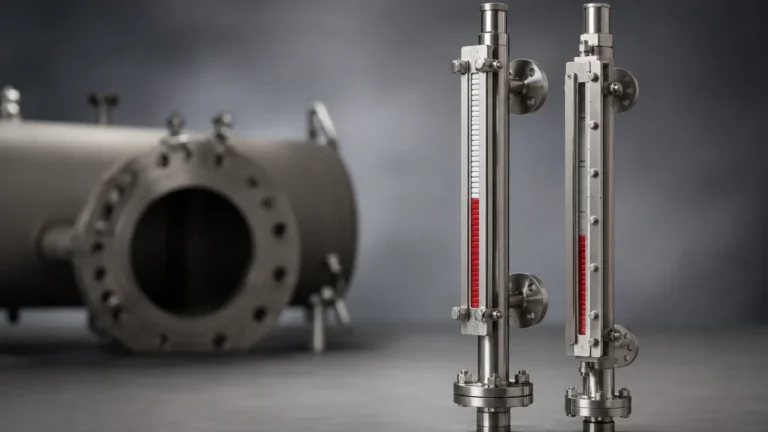
7 Gauge Kit
7 Gauge Kit
In the landscape of industrial process control, visual verification of liquid levels remains a critical safety and operational requirement. While digital transmitters provide remote data, local indicators offer a fail-safe manual check. The integration of a 7 gauge kit within a broader system of Magnetic & Local Level Gauges ensures that operators have a robust, standardized solution for monitoring tanks and pressure vessels. These kits typically encompass the necessary components—including chambers, glass inserts, gaskets, and mounting hardware—required to establish a reliable local measurement point.
Understanding the engineering behind these kits and the principles of the gauges they support is essential for maintenance managers and project engineers aiming to minimize downtime and ensure plant safety.
Principles of Local Level Measurement
To appreciate the utility of a 7 gauge kit, one must first understand the two primary technologies it supports: magnetic level gauges and traditional glass level gauges.
Magnetic Level Gauges
Magnetic level gauges operate on the principle of buoyancy and magnetic coupling. A float, containing a high-intensity permanent magnet, is placed inside a non-magnetic bypass chamber (usually stainless steel). As the liquid level in the vessel rises or falls, the float moves accordingly.
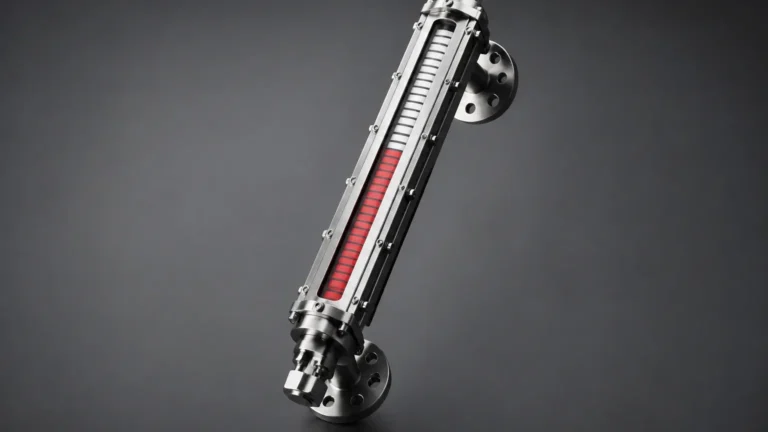
On the exterior of the chamber, a visual indicator—consisting of a series of bi-color magnetic flaps or a follower—is mounted. The magnetic field from the float penetrates the chamber wall and rotates the flaps or moves the follower to provide a clear, high-visibility representation of the liquid level. This method eliminates the risk of glass breakage and leaks associated with direct-contact glass gauges.
Glass Level Gauges
Traditional local level gauges, often configured via a 7 gauge kit for specific pressure ratings, utilize a transparent or reflex glass tube connected directly to the vessel.
* Reflex Gauges: Use light refraction to indicate level. The liquid-filled area appears dark, while the vapor space appears bright.
* Transparent Gauges: Use two pieces of glass on opposite sides of the chamber, allowing light to pass through. This is ideal for observing interface levels or fluid color.
The Role of the 7 Gauge Kit in Industrial Systems
A 7 gauge kit is often defined by its comprehensive nature, providing a standardized set of components designed to withstand specific industrial rigors. In many engineering contexts, a "7 gauge" designation refers to the heavy-duty wall thickness (approximately 4.5 mm or 0.18 inches) of the gauge chamber or the specific series of high-pressure glass and gasket sets used in steam and chemical applications.
These kits are essential for:
1. Standardization: Ensuring all local level indicators across a facility meet the same pressure and material specifications.
2. Maintenance Efficiency: Providing a pre-packaged set of gaskets, cushions, and glass inserts for rapid repair during turnarounds.
3. Safety Compliance: Using components rated for specific ASME or DIN standards to prevent catastrophic failures in high-pressure environments.
Key Components and Material Specifications
When selecting a 7 gauge kit for Magnetic & Local Level Gauges, material compatibility is the most critical factor. Welk provides solutions tailored to various corrosive and high-temperature environments.
* Chamber Materials: Typically 316L Stainless Steel, Carbon Steel, or specialized alloys like Hastelloy for aggressive chemicals.
* Gaskets: Graphite, PTFE, or EPDM depending on the chemical nature of the fluid and the operating temperature.
* Glass Inserts: Borosilicate glass is standard for its thermal shock resistance. For high-pressure steam, aluminosilicate glass may be used.
* Hardware: High-tensile bolts and nuts, often zinc-plated or stainless steel, to ensure the integrity of the gauge assembly under pressure.
Technical Selection Table
The following table provides a comparison of common configurations found within 7 gauge kit specifications for local level monitoring.
| Feature | Standard Duty Kit | High-Pressure Kit | Chemical Resistant Kit |
| :— | :— | :— | :— |
| Max Pressure | 40 bar (580 psi) | 250 bar (3625 psi) | 20 bar (290 psi) |
| Max Temperature | 250°C (482°F) | 450°C (842°F) | 150°C (302°F) |
| Gasket Material | Reinforced Graphite | Spiral Wound SS/Graphite | PTFE / Teflon |
| Glass Type | Tempered Borosilicate | Aluminosilicate | Borosilicate with PFA Shield |
| Chamber Wall | 3.2 mm (11 Gauge) | 4.5 mm (7 Gauge) | Schedule 40/80 PVC/CPVC |
| Application | Water/Oil Storage | Steam Boilers | Acid/Alkali Tanks |
Installation Considerations
Proper installation of a 7 gauge kit is paramount to ensuring accurate readings and preventing leaks. Engineers should follow these practical guidelines:
1. Alignment and Leveling
The gauge chamber must be installed perfectly vertical. For magnetic level gauges, even a slight tilt can cause the float to frictionally bind against the chamber wall, leading to inaccurate readings or a stuck indicator.
2. Venting and Draining
Every 7 gauge kit installation should include vent and drain valves. The vent allows for the removal of trapped air or gas during startup, while the drain is essential for clearing sediment and safely depressurizing the unit for maintenance.
3. Isolation Valves
It is highly recommended to install isolation valves (typically ball or needle valves) between the vessel and the gauge. This allows the gauge to be serviced without shutting down the entire process.
4. Torque Requirements
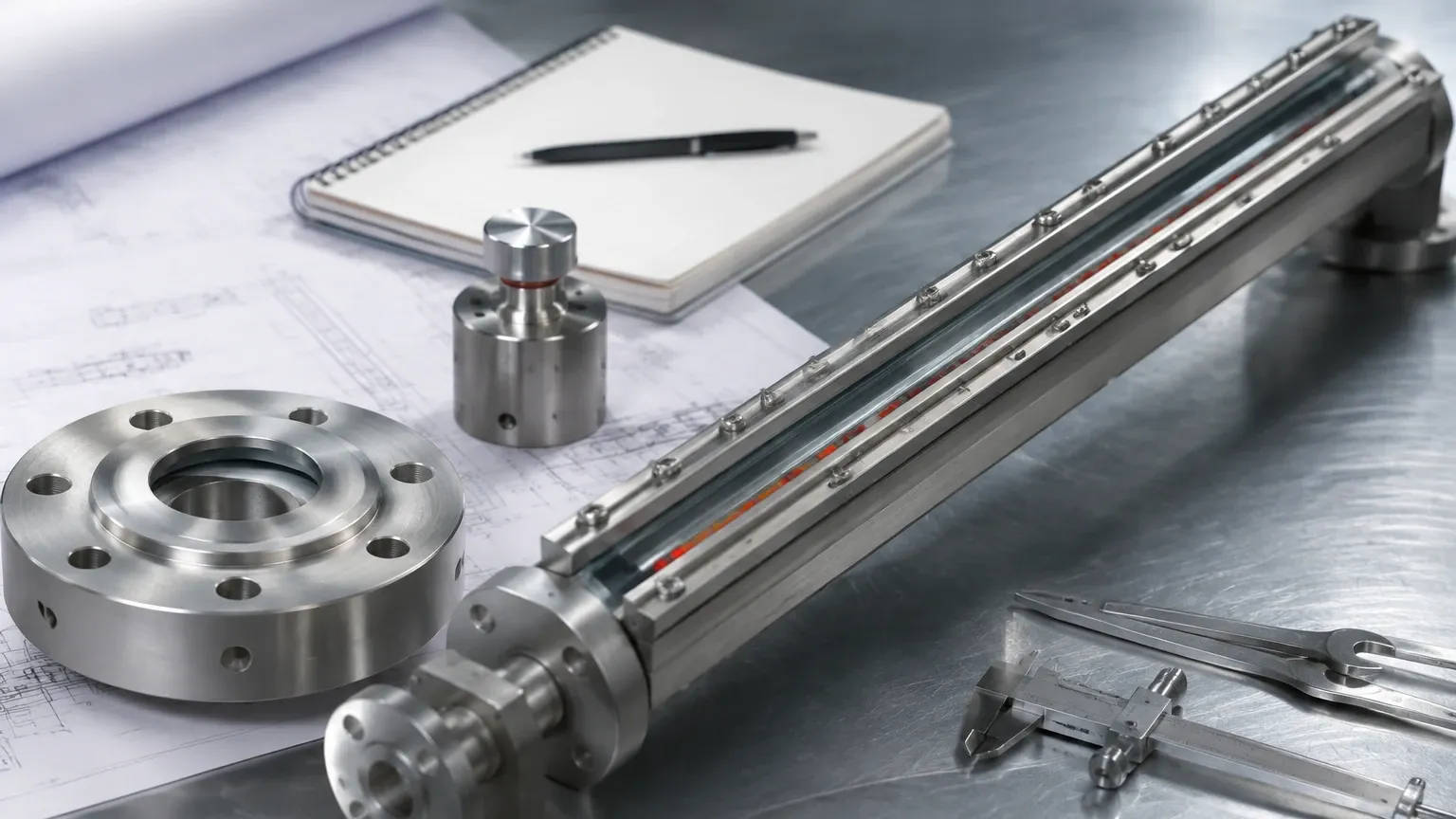
When assembling a glass level gauge from a kit, bolts must be tightened in a specific cross-pattern sequence to ensure even pressure across the glass surface. Over-tightening or uneven torque is a leading cause of glass fracture.
Limitations and Safety Considerations
While Magnetic & Local Level Gauges and their associated 7 gauge kits are highly reliable, they have specific limitations:
* Fluid Viscosity: Highly viscous liquids can impede float movement in magnetic gauges or coat the glass in transparent gauges, making the level difficult to read. In such cases, internal coatings or heated jackets may be required.
* Magnetic Interference: For magnetic gauges, the presence of strong external magnetic fields or nearby ferrous structures can interfere with the coupling between the float and the indicator.
* Specific Gravity Changes: Magnetic floats are weighted for a specific fluid density. If the process fluid changes significantly (e.g., switching from oil to water), the float may sink or float too high, requiring recalibration or a new float.
* Coating and Scaling: In applications with high mineral content, scaling can occur inside the chamber. Regular flushing via the drain valve is necessary to prevent the float from sticking.
Maintenance and Troubleshooting
A proactive maintenance schedule for a 7 gauge kit ensures long-term reliability.
* Visual Inspection: Check daily for signs of weeping at the gaskets or clouding of the glass.
* Float Testing: For magnetic gauges, use an external magnet to manually slide the indicator flaps to ensure they are moving freely.
* Gasket Replacement: Gaskets should be replaced every time the gauge is disassembled. Reusing gaskets often leads to micro-leaks that can escalate under pressure.
Frequently Asked Questions (FAQs)
Q: Can a 7 gauge kit be used for cryogenic applications?
A: Yes, but specialized materials are required. The kit must include vacuum-jacketed insulation for the chamber and materials like 316 Stainless Steel that remain ductile at temperatures below -150°C.
Q: What is the benefit of a 7-gauge chamber wall thickness?
A: A thicker wall (7 gauge vs. 11 gauge) provides a higher safety factor for high-pressure applications and offers better resistance to external mechanical damage in harsh industrial environments.
Q: How do I choose between a reflex and a transparent gauge kit?
A: Choose a reflex kit for clear liquids where you only need to see the level. Choose a transparent kit if you need to observe the color of the fluid, its clarity, or the interface between two different liquids.
Q: Are magnetic level gauges better than glass gauges?
A: Magnetic gauges are generally safer because they contain the process fluid within a solid metal chamber, eliminating the risk of glass breakage. However, glass gauges are often preferred for very simple, low-pressure applications or where direct visual inspection of the fluid is required.
Conclusion
Selecting the right 7 gauge kit is a foundational step in establishing a safe and efficient level monitoring system. By understanding the principles of Magnetic & Local Level Gauges and adhering to strict installation and maintenance protocols, industrial operators can ensure their local indicators provide reliable service for years. Whether dealing with high-pressure steam or corrosive chemicals, the right combination of materials and engineering design is the key to operational excellence.