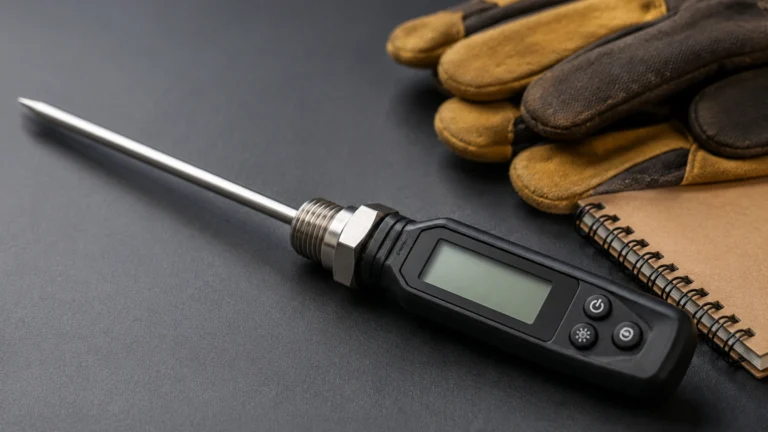
1 1/2 Emici
1 1/2 Emici
In industrial fluid management, the efficiency of a pumping system is heavily dependent on the integrity of the suction line. The term "1 1/2 emici" refers to a 1.5-inch suction component, typically a foot valve or suction strainer, designed to facilitate the intake of liquids while preventing backflow and filtering out debris. For engineers and system integrators, selecting the correct suction assembly is only one half of the equation; the other half involves precise level monitoring to ensure the pump never runs dry and the suction head remains within operational limits.
This guide explores the technical specifications of 1 1/2 emici components, their role in industrial automation, and how they integrate with advanced level measurement technologies to maintain system reliability.
Understanding Suction Principles and Level Dynamics
Before selecting a 1 1/2 emici for a tank or reservoir, it is essential to understand the physics of suction. A pump does not "pull" liquid; rather, it creates a vacuum or a low-pressure zone in the suction line, allowing atmospheric pressure to push the liquid into the pump. This process is governed by Net Positive Suction Head (NPSH).
If the liquid level in the tank drops too low, the pressure at the suction inlet may fall below the vapor pressure of the liquid, leading to cavitation. Cavitation causes the formation of vapor bubbles that implode with significant force, damaging the pump impeller and the suction assembly. Therefore, the "emici" or suction unit must be paired with accurate level sensors—such as ultrasonic or radar meters—to provide real-time data to the control system. This ensures the pump is deactivated before the level reaches a critical low point, protecting both the 1 1/2 emici assembly and the pump itself.
Technical Specifications of 1 1/2 Emici Units
A 1 1/2 emici (1.5-inch / DN40) suction unit is a standard size for medium-flow applications, such as chemical dosing, agricultural irrigation, and water treatment. These components are characterized by several key technical factors:
1. Material Composition: Depending on the fluid, these are manufactured from PVC, Polypropylene (PP), Brass, or Stainless Steel (304/316). For corrosive chemicals, PVDF or reinforced plastics are preferred.
2. Filtration Grade: The suction strainer (the "emici" part) features a mesh or perforated screen. The hole size must be small enough to protect the pump but large enough to prevent excessive pressure drop (head loss).
3. Connection Type: Most 1 1/2-inch units use NPT or BSP threaded connections, though flanged versions (DN40) are common in heavy industrial settings.
4. Check Valve Integration: High-quality suction units include a spring-loaded or gravity-fed check valve (foot valve) to maintain prime in the pump line when the system is idle.
Integrating Level Measurement with Suction Systems
To optimize the performance of a 1 1/2 emici, industrial operators must implement reliable level measurement. Without precise data, the suction unit may ingest air or sediment from the bottom of the tank. Welk provides a range of instruments designed to work in tandem with these suction assemblies. You can review product options and application support on our Main Page.
Radar Level Meters
For tanks containing volatile or corrosive liquids where a 1 1/2 emici is installed, non-contact radar level meters are ideal. They use high-frequency microwave pulses to measure the distance to the liquid surface. Because they do not touch the medium, they are unaffected by the turbulence often caused by high-velocity suction.
Ultrasonic Level Sensors
In water treatment or open-sump applications, ultrasonic sensors offer a cost-effective solution. They work by emitting sound waves and measuring the time of flight. These are excellent for monitoring the "low-level" setpoints that prevent the suction unit from sucking air.
Hydrostatic Pressure Transmitters
For deep wells or tall tanks where top-down mounting is difficult, hydrostatic transmitters measure the pressure exerted by the liquid column. This value is converted into a level reading, allowing the control system to manage the pump's operation relative to the intake height of the 1 1/2 emici.
Selection Criteria for Suction and Measurement Components
When designing a system, use the following table to align your suction hardware with the appropriate measurement technology:
| Application Type | Recommended 1 1/2 Emici Material | Measurement Technology | Key Consideration |
| :— | :— | :— | :— |
| Chemical Dosing | PVC / PVDF | Radar (Non-contact) | Chemical compatibility of the strainer and sensor. |
| Water Treatment | Stainless Steel / Brass | Ultrasonic | Avoiding foam interference at the suction point. |
| Oil & Gas | Carbon Steel / SS316 | Guided Wave Radar | High pressure and viscosity management. |
| Food & Beverage | Food-grade Stainless Steel | Hydrostatic (Flush Diaphragm) | Sanitary connections and CIP (Clean-in-Place) compatibility. |
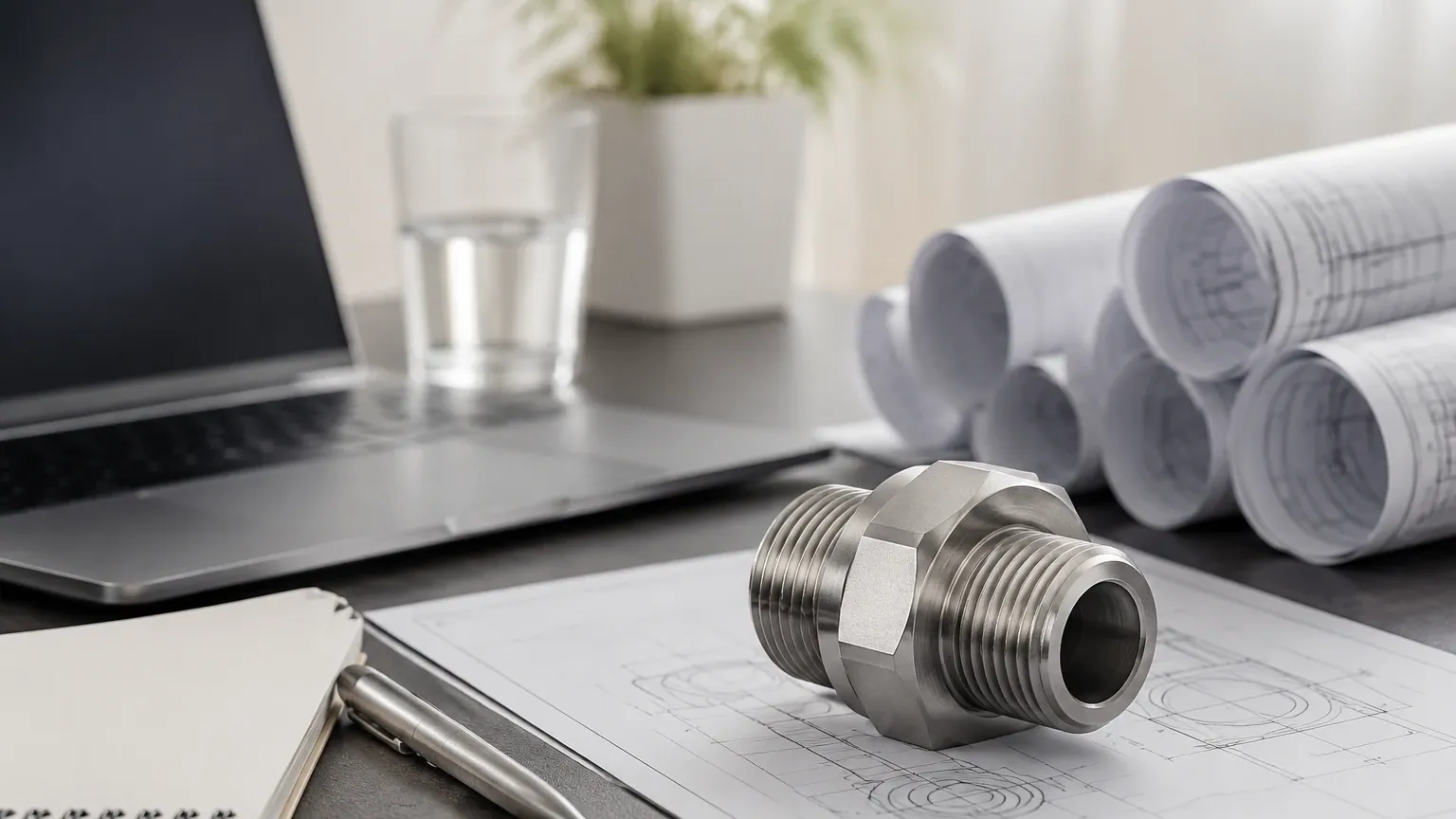
Installation Considerations for 1 1/2 Emici Assemblies
Proper installation of the 1 1/2 emici and the associated level sensor is critical to prevent measurement errors and mechanical failure. Follow these engineering guidelines:
* Submergence Depth: The suction unit should be submerged at a depth at least 4 to 5 times the pipe diameter (approx. 150mm to 200mm for a 1.5-inch line) to prevent vortex formation.
* Clearance from Bottom: To avoid drawing in settled solids or sludge, the 1 1/2 emici should be positioned at least 100mm to 150mm above the tank floor.
* Sensor Positioning: Level sensors should not be mounted directly above the suction pipe. The downward flow of liquid toward the intake can create a slight depression in the surface level (vortexing), which can cause "false lows" in ultrasonic or radar readings.
* Pipe Support: A 1.5-inch suction line filled with fluid can be heavy. Ensure the piping is supported so that the weight does not stress the tank connection or the suction assembly itself.
Limitations and Common Challenges
While 1 1/2 emici units are versatile, they have specific limitations:
* Flow Velocity: Exceeding a flow velocity of 1.5 to 2.0 meters per second in a 1.5-inch line can lead to high friction loss and cavitation. If your flow requirements are higher, consider stepping up to a 2-inch assembly.
* Viscosity: High-viscosity liquids (like heavy oils or syrups) significantly increase the resistance through the suction strainer. In these cases, a larger mesh size or a positive displacement pump setup is required.
* Debris Clogging: In wastewater applications, the strainer can become blinded by rags or fibrous material. Regular maintenance and the use of a level sensor with an alarm function can alert operators to a drop in flow efficiency before the pump is damaged.
Frequently Asked Questions (FAQs)
Q: Can I use a 1 1/2 emici for both suction and discharge?
A: No. While the threads might match, a suction unit (emici) is specifically designed with a strainer and often a foot valve to facilitate intake. Using it on the discharge side would create excessive backpressure and likely damage the internal check valve mechanism.
Q: How do I know if my 1 1/2 emici is clogged?
A: The most reliable way is to monitor the relationship between the tank level and the pump's flow rate or discharge pressure. If the level sensor shows a sufficient head of liquid but the pump discharge pressure is dropping, the suction strainer is likely obstructed.
Q: Is it better to use a plastic or metal 1 1/2 emici?
A: This depends entirely on the fluid. For water and non-corrosive fluids, brass or stainless steel offers superior mechanical strength. For acids, bases, or deionized water, plastic (PVC/PP) is necessary to prevent corrosion and fluid contamination.
Q: What is the maximum suction lift for a 1.5-inch line?
A: Theoretically, at sea level, the maximum lift is 10.3 meters. However, due to friction losses in the 1 1/2 emici and the pipe, practical limits are usually between 6 and 8 meters for most centrifugal pumps.
Conclusion
The 1 1/2 emici is a fundamental component in many industrial fluid systems, acting as the primary interface between the reservoir and the pump. However, its performance is inextricably linked to the accuracy of the level measurement system. By combining robust suction hardware with precision radar, ultrasonic, or hydrostatic sensors, operators can ensure continuous flow, prevent equipment damage, and optimize process efficiency. For further technical specifications and to find the right instrumentation for your suction system, please refer to our Main Page.