Absolute Pressure Transmitters
Absolute Pressure Transmitters
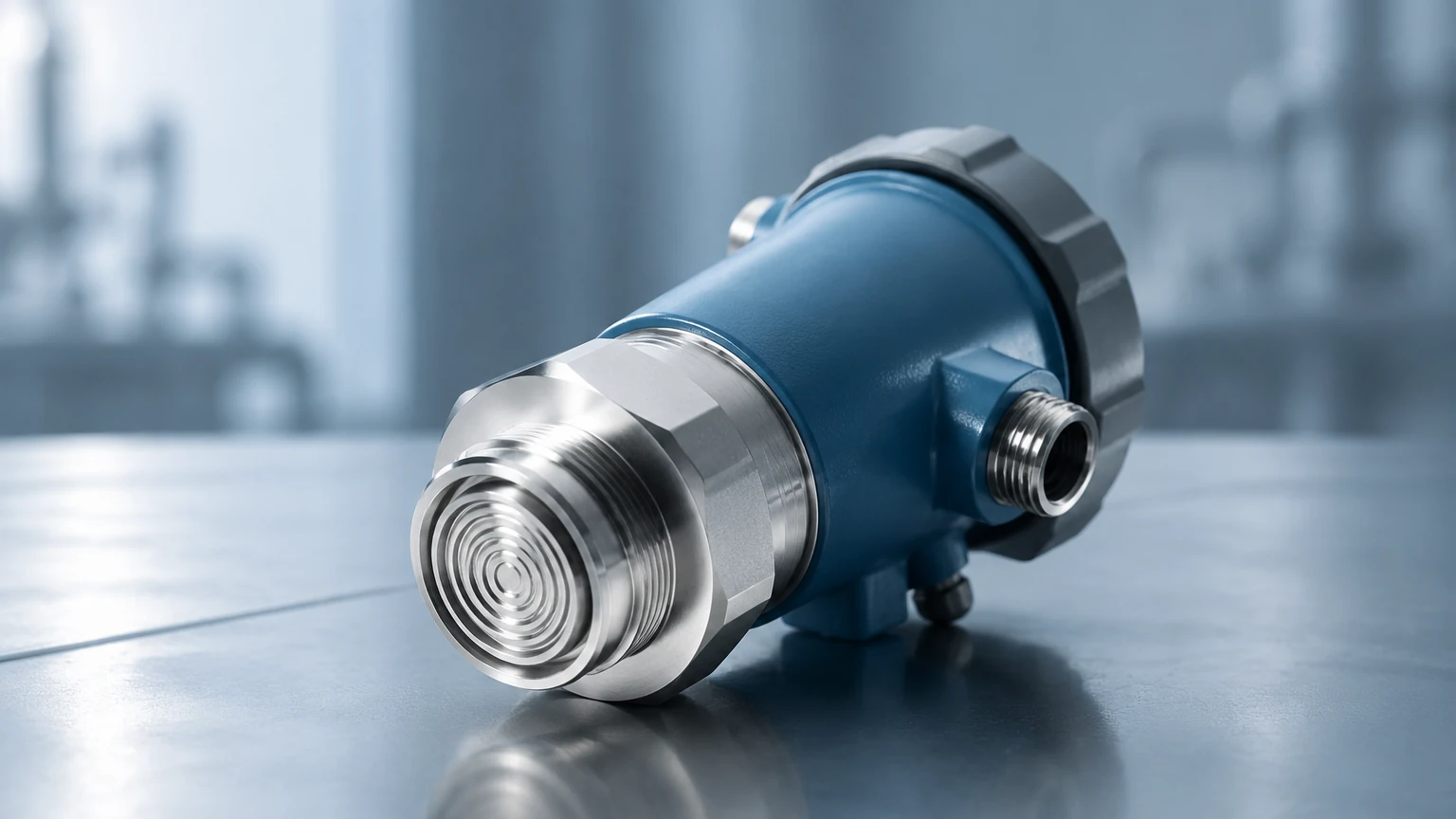
In industrial process control, the precise measurement of pressure is fundamental to safety, efficiency, and product quality. Among the various types of pressure measurement devices, absolute pressure transmitters play a specialized role. Unlike gauge pressure transmitters, which measure pressure relative to the local atmospheric pressure, absolute pressure transmitters measure pressure relative to a full vacuum. This distinction is critical in applications where atmospheric fluctuations would otherwise introduce unacceptable errors in the process data.
For engineers and plant operators, understanding the underlying physics, sensing technologies, and selection criteria for absolute pressure transmitters is essential for maintaining stable operations, particularly in vacuum-based processes and high-accuracy level measurement tasks.
Understanding the Principle of Absolute Pressure
To effectively utilize absolute pressure transmitters, one must first distinguish between the three primary pressure references: gauge, absolute, and differential.
The Vacuum Reference
An absolute pressure transmitter is designed with an internal reference chamber that has been evacuated to a high vacuum and permanently sealed. This vacuum represents the "zero" point. Consequently, any pressure applied to the sensing diaphragm is compared against this absolute zero.
Mathematically, absolute pressure ($P_{abs}$) is the sum of gauge pressure ($P_{gauge}$) and atmospheric pressure ($P_{atm}$):
$$P_{abs} = P_{gauge} + P_{atm}$$
Because atmospheric pressure varies based on altitude and weather conditions (typically ranging from 950 to 1050 mbar at sea level), a gauge pressure sensor will report different values for the same process state if the ambient conditions change. Absolute pressure transmitters eliminate this variable, providing a consistent reading regardless of the surrounding environment.
Sensing Technologies
Most modern absolute pressure transmitters utilize one of two primary sensing technologies:
1. Piezoresistive Sensors: These employ a silicon or ceramic diaphragm with integrated strain gauges. When pressure is applied, the diaphragm deforms, changing the electrical resistance of the gauges. In an absolute configuration, the backside of the diaphragm is exposed to the sealed vacuum chamber.
2. Capacitive Sensors: These measure the change in electrical capacitance between a flexible sensing diaphragm and a fixed reference electrode. As pressure moves the diaphragm, the capacitance changes proportionally. These sensors are often preferred for high-accuracy applications and are known for their robustness in harsh environments.
Key Applications in Process Industries
Absolute pressure transmitters are indispensable in sectors where the process pressure is near or below atmospheric pressure, or where high-precision density and mass flow calculations are required.
Vacuum Distillation and Chemical Processing
In chemical manufacturing, many reactions and distillation processes occur under vacuum to lower the boiling points of liquids or prevent the degradation of heat-sensitive materials. Using a gauge pressure transmitter in these scenarios is risky; a drop in barometric pressure could be misinterpreted by the control system as a loss of vacuum, leading to incorrect automated adjustments. Absolute pressure transmitters ensure the vacuum level is maintained precisely relative to a fixed zero.
Food and Pharmaceutical Packaging
Vacuum packaging is used to extend the shelf life of food products and maintain the sterility of medical devices. Absolute pressure transmitters monitor the evacuation phase of the packaging cycle to ensure that the required oxygen-depleted environment is achieved consistently, regardless of the factory's elevation or daily weather patterns.
Hydrostatic Level Measurement in Sealed Tanks
One of the most common uses for these instruments in the context of the Main Page of industrial instrumentation is hydrostatic level measurement. In a sealed or pressurized vessel, the pressure at the bottom of the tank is the sum of the liquid column's weight and the gas pressure in the headspace.
If the headspace is under a vacuum or if the process requires extreme precision, an absolute pressure transmitter is used at the bottom. In some configurations, two transmitters (one for the total pressure at the bottom and one for the headspace pressure) are used to calculate the liquid level by determining the difference, often referred to as a balanced absolute pressure system.
Technical Selection Criteria
Selecting the correct absolute pressure transmitter requires a detailed analysis of the process fluid, environmental conditions, and required output. The following table provides a general framework for evaluating technical specifications.
| Feature | Specification Range / Options | Engineering Consideration |
| :— | :— | :— |
| Measuring Range | 0–100 mbar to 0–400 bar | Ensure the range covers both process peaks and cleaning cycles. |
| Accuracy | 0.05% to 0.5% of Span | Higher accuracy is required for custody transfer or sensitive chemical reactions. |
| Output Signal | 4-20mA HART, RS485 Modbus, Profibus | Compatibility with existing PLC/DCS architecture. |
| Wetted Materials | 316L Stainless Steel, Hastelloy, Monel | Must be chemically compatible with the process medium to prevent corrosion. |
| Process Temperature | -40°C to +120°C (Higher with seals) | High temperatures may require capillary tubes or cooling elements. |
| Ingress Protection | IP66, IP67, or IP68 | Necessary for outdoor installations or wash-down areas. |
Installation and Engineering Considerations
Proper installation is as critical as the selection of the device itself. Incorrect mounting can lead to measurement drift or mechanical failure.
Mounting Orientation
The orientation of the transmitter can affect the zero point due to the weight of the internal fill fluid (usually silicone oil) acting on the diaphragm. While this "position effect" can often be calibrated out during commissioning, it is best practice to mount the transmitter in the orientation specified by the manufacturer. For liquid applications, the transmitter should ideally be mounted below the tapping point to ensure the impulse lines remain full of liquid and free of trapped gas.
Impulse Lines and Manifolds
When connecting the transmitter to the process pipe or vessel, impulse lines should be kept as short as possible to minimize response lag. The use of a three-way or five-way manifold is highly recommended. These manifolds allow the operator to isolate the transmitter for maintenance or calibration without shutting down the entire process line.
Environmental Protection
Extreme temperatures can affect the electronics and the sensing element. In very cold climates, heat tracing or insulated jackets may be required to prevent the process fluid from freezing in the impulse lines. Conversely, in high-heat applications, the use of a remote diaphragm seal with a capillary tube can move the electronic housing away from the heat source.
Limitations and Common Risks
While absolute pressure transmitters are highly reliable, they have specific limitations that engineers must account for:
1. Overpressure Damage: Every transmitter has an overpressure limit. Exceeding this limit, even momentarily (such as during a water hammer event), can permanently deform the sensing diaphragm, leading to permanent calibration shift or total failure.
2. Vacuum Seal Integrity: The reference vacuum inside the transmitter is its most vulnerable point. If the seal fails and air leaks into the reference chamber, the device will begin to behave like a gauge pressure transmitter, but with an unpredictable offset. This is often detected as a slow drift in readings over several months.
3. Temperature Gradients: Rapid changes in process temperature can cause "thermal shock." This leads to temporary inaccuracies as the various components of the sensor expand or contract at different rates. Using transmitters with integrated temperature compensation can mitigate this effect.
Frequently Asked Questions (FAQ)
Q: Can I use an absolute pressure transmitter to measure gauge pressure?
A: Technically, yes. You can subtract the current atmospheric pressure from the absolute reading to find the gauge pressure. However, this is inefficient compared to using a dedicated gauge pressure transmitter which performs this subtraction mechanically via a vent to the atmosphere.
Q: How often should absolute pressure transmitters be calibrated?
A: In most industrial applications, an annual calibration check is standard. However, for critical safety systems or highly corrosive processes, semi-annual or quarterly checks may be necessary. Always follow the specific maintenance schedule provided by the manufacturer.
Q: What is the difference between a pressure transmitter and a pressure transducer?
A: In common industrial parlance, a transducer typically refers to a device that outputs a raw voltage (e.g., 0-10V), while a transmitter includes signal conditioning electronics to provide a more robust current loop signal (e.g., 4-20mA) or digital protocol.
Q: Why are absolute pressure transmitters more expensive than gauge versions?
A: The cost difference is primarily due to the complexity of manufacturing and maintaining a high-quality, long-term vacuum seal within the reference chamber. The calibration process for absolute units also requires specialized vacuum equipment.
Conclusion
Absolute pressure transmitters are foundational tools for modern industrial automation, providing the stable, weather-independent data required for complex chemical, food, and pharmaceutical processes. By referencing a perfect vacuum, these devices allow for precise control in environments where even minor barometric fluctuations could compromise product integrity.
When integrating these instruments into a facility, engineers must carefully evaluate wetted materials, accuracy requirements, and installation geometry. For those seeking comprehensive solutions for liquid level and pressure monitoring, exploring the technical resources available on the Main Page can provide further guidance on matching specific transmitter models to demanding industrial applications. Proper selection and maintenance not only ensure process safety but also contribute significantly to long-term operational cost savings by reducing downtime and waste.