Orp Sensors
Orp Sensors
In industrial process control, monitoring the chemical state of a liquid is as critical as monitoring its physical state. While level measurement instruments—such as radar or ultrasonic sensors—provide data on volume and containment, orp sensors (Oxidation-Reduction Potential) provide insight into the chemical activity within that volume. Understanding the principles, selection criteria, and maintenance requirements of these sensors is essential for engineers managing water treatment, chemical processing, and industrial automation systems.
Oxidation-Reduction Potential, often referred to as Redox, is a measurement of the tendency of a chemical species to acquire electrons and thereby be reduced. In practical industrial terms, it measures the "cleanliness" of water or the progress of a chemical reaction by quantifying the activity of oxidizers and reducers in the solution.
Measurement Principles of ORP Sensors
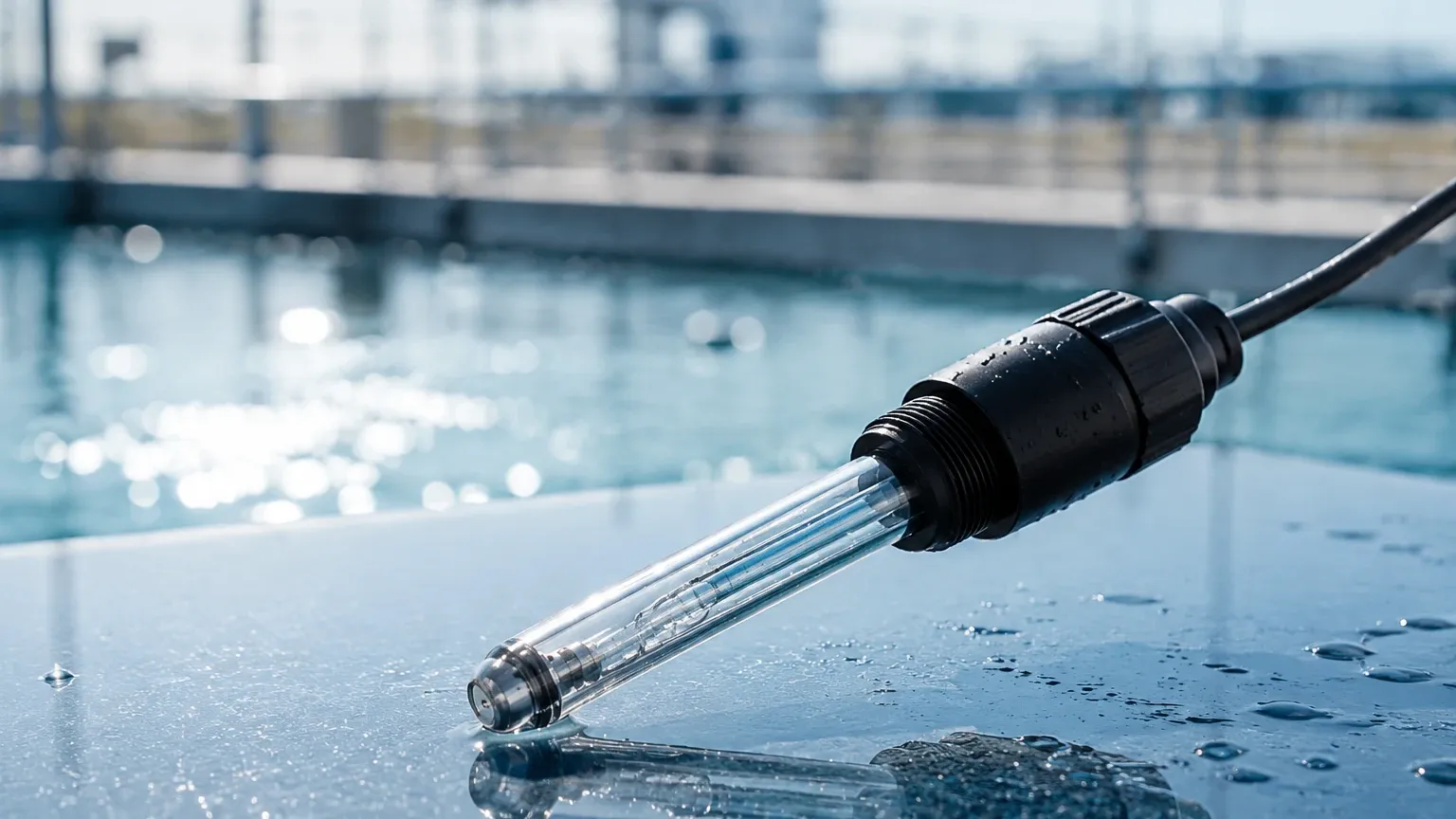
Before selecting or installing an ORP measurement system, it is vital to understand the electrochemical principles that govern its operation. An ORP sensor functions as a galvanic cell, producing a millivolt (mV) output proportional to the electron activity in the liquid.
The Electrochemical Cell
An ORP sensor typically consists of two primary components: a measuring electrode and a reference electrode.
1. Measuring Electrode: This is usually made from a noble metal, most commonly platinum. The noble metal acts as a catalyst for electron exchange but does not participate in the chemical reaction itself. When placed in a solution, the electrode surface gains or loses electrons depending on whether the solution is oxidizing or reducing.
2. Reference Electrode: This electrode provides a stable, constant potential against which the measuring electrode is compared. Most industrial sensors use a Silver/Silver Chloride (Ag/AgCl) reference system immersed in a concentrated potassium chloride (KCl) electrolyte.
The Nernst Equation
The relationship between the potential and the chemical activity is described by the Nernst Equation. In simplified terms, the sensor measures the potential difference between the noble metal and the reference electrode. A positive mV reading indicates an oxidizing environment (e.g., the presence of chlorine, ozone, or bromine), while a negative mV reading indicates a reducing environment (e.g., the presence of sodium bisulfite or hydrogen sulfide).
Unlike pH sensors, which measure hydrogen ion concentration, ORP sensors measure the ratio of oxidized species to reduced species. It is important to note that ORP is a non-specific measurement; it tells you the total oxidative state of the solution but cannot distinguish between different chemicals (e.g., it cannot tell the difference between chlorine and ozone, only the total oxidizing power of both).
Key Selection Criteria for Industrial ORP Sensors
Selecting the right sensor requires an analysis of the process environment. Using an incorrect sensor type can lead to rapid degradation, frequent calibration requirements, and inaccurate data.
Electrode Material Selection
The choice of the sensing element is the first step in the selection process. While platinum is the industry standard, specific applications may require alternatives.
| Material | Application Suitability | Limitations |
| :— | :— | :— |
| Platinum | Standard for most water treatment, pool/spa, and general chemical processes. | Can be affected by "poisoning" in high-protein or heavy metal solutions. |
| Gold | Used in highly aggressive reducing environments or specific cyanide destruction processes. | Generally more expensive and less common for standard oxidation tasks. |
Junction Type and Reference System
The junction is the point where the internal reference electrolyte meets the process liquid. In industrial automation, the junction is often the first point of failure.
* Porous Ceramic/Teflon: Standard for clean water applications.
* Double Junction: Recommended for processes containing heavy metals, sulfides, or proteins that could react with the silver ions in the reference electrode, causing clogging.
* Solid Polymer/Gel: Ideal for high-pressure environments or where minimal maintenance is required, as they resist electrolyte depletion.
Process Conditions: Temperature and Pressure
Industrial ORP sensors must withstand the physical rigors of the tank or pipeline. Most standard sensors are rated for temperatures up to 80°C (176°F) and pressures up to 6 bar (approx. 87 psi). For high-temperature chemical reactions, specialized glass and high-pressure housings are required. It is essential to cross-reference these specs with your Main Page instrumentation to ensure compatibility across the entire monitoring suite.
Industrial Applications and Use Cases
ORP sensors are indispensable in several key sectors where Welk level measurement solutions are also frequently deployed.
1. Water and Wastewater Treatment
In municipal water treatment, ORP is used to monitor the effectiveness of disinfection. For example, in chlorination processes, a specific ORP level (often +650 mV to +750 mV) ensures that bacteria and viruses are being neutralized effectively. Conversely, in dechlorination or wastewater treatment, ORP sensors monitor the removal of excess chlorine or the progress of denitrification in activated sludge processes.
2. Cooling Tower Management
To prevent biofouling and scale, cooling towers are treated with biocides. ORP sensors automate the dosing of these chemicals, ensuring that the water remains at a level that inhibits biological growth without over-dosing, which can lead to pipe corrosion.
3. Chemical Manufacturing and Mining
In the mining industry, ORP is used during the leaching process to ensure that the oxidation state of the ore slurry is optimized for mineral extraction. In chemical manufacturing, Redox potential is a primary indicator of reaction completion in batch processes.
Installation and Positioning Considerations
Proper installation is critical for the longevity and accuracy of ORP sensors. Incorrect placement can lead to air pockets, sediment buildup, or mechanical damage.
1. Orientation: Sensors should never be installed horizontally or upside down. An angle of at least 15° above the horizontal is required to ensure that the internal electrolyte stays in contact with the pH/ORP bulb and that air bubbles do not get trapped inside the electrode.
2. Flow Velocity: In pipeline installations, the sensor should be placed where there is a consistent, representative flow. However, extremely high velocities (above 3 meters per second) can cause "streaming potentials" or physical erosion of the sensor tip.
3. Submersion Depth: When used in open tanks alongside hydrostatic level transmitters, ensure the ORP sensor is submerged deep enough to avoid surface foam but high enough to avoid the sludge layer at the bottom of the tank.
4. Grounding: Electrical noise from pumps or motors can interfere with the high-impedance signal of an ORP sensor. Using a solution ground or a differential pre-amplifier is often necessary in industrial environments.
Maintenance, Calibration, and Troubleshooting
Unlike level meters that may require minimal maintenance once calibrated, ORP sensors are consumable items that require regular attention.
Cleaning Protocols
Sensor fouling is the most common cause of inaccurate readings.
* Oily/Greasy Coatings: Clean with a mild detergent or isopropyl alcohol.
* Mineral Scale (Calcium): Dip in a 5% Hydrochloric Acid (HCl) solution for a few minutes.
* Biological Growth: Use a dilute bleach solution.
Calibration and Verification
ORP sensors do not require "zeroing" like pH sensors because the 0 mV point is a physical constant. However, they must be verified using Quinhydrone or Zobell’s solutions. These solutions provide a known mV value at a specific temperature. If the sensor reading deviates by more than ±20-30 mV from the theoretical value, the sensor likely needs cleaning or replacement.
Common Risks and Limitations
* Reference Poisoning: Chemicals like sulfides or cyanides can migrate through the junction and react with the internal silver wire, permanently damaging the sensor.
* Dry-out: If an ORP sensor is allowed to dry out, the junction will clog, and the hydrated gel layer on the sensing tip will be destroyed. Always store sensors in a storage solution (usually 3M or 4M KCl).
* Slow Response: As sensors age, their response time increases. This can lead to "overshooting" in automated dosing systems, where too much chemical is added before the sensor registers the change.
Integrating ORP with Level Measurement Systems
For a comprehensive B2B industrial solution, liquid analysis must be integrated with physical measurement. For instance, in a chemical storage tank, a Welk radar level meter provides the volume data, while the ORP sensor provides the quality data.
Modern industrial automation relies on these two data points working in tandem. If a level transmitter detects a sudden drop in fluid, and the ORP sensor detects a shift in chemical potential, the system can determine if there is a leak or an unauthorized discharge. Professionals looking to optimize their process should review the full range of instrumentation available on the Main Page to ensure seamless integration between level, flow, and analytical sensors.
Frequently Asked Questions (FAQs)
Q: Can I use a pH meter to measure ORP?
A: Most modern pH meters have a "mV mode" that can display ORP readings. However, you must use a dedicated ORP electrode (with a platinum or gold tip) instead of a pH glass electrode.
Q: How long does an industrial ORP sensor last?
A: In clean water applications, a sensor may last 1 to 2 years. In harsh chemical processes or high-temperature environments, the lifespan may be reduced to 3 to 6 months.
Q: Is ORP affected by temperature?
A: Yes, the potential of the reference electrode and the activity of the ions in the solution are temperature-dependent. While some advanced transmitters offer temperature compensation, it is not as standardized or as linear as pH temperature compensation.
Q: Why is my ORP reading drifting?
A: Drifting is usually caused by a clogged junction or a contaminated reference electrolyte. Cleaning the sensor and soaking it in storage solution often resolves the issue. If the drift continues, the sensor’s internal reference may be exhausted.
Conclusion
ORP sensors are vital tools for ensuring process efficiency and safety in industrial liquid management. By understanding the electrochemical principles and selecting the appropriate materials for the specific application, engineers can maintain tight control over redox reactions. When combined with reliable level measurement technologies, such as those provided by Welk, ORP monitoring forms the backbone of a robust, automated process control strategy. For those seeking to upgrade their industrial measurement capabilities, exploring the integrated solutions on the Main Page is the recommended next step in achieving operational excellence.