Alkaline Electrolyzer
Alkaline Electrolyzer
Alkaline water electrolysis (AWE) is one of the most established and robust technologies for large-scale hydrogen production. As the global transition toward green energy intensifies, the alkaline electrolyzer has become a cornerstone of industrial decarbonization strategies. These systems utilize an aqueous alkaline solution—typically potassium hydroxide (KOH) or sodium hydroxide (NaOH)—to facilitate the electrochemical reaction that splits water into hydrogen and oxygen.
In an industrial alkaline electrolyzer plant, maintaining precise control over process variables is not merely a matter of efficiency; it is a fundamental safety requirement. Among these variables, liquid level measurement within the gas-liquid separators is perhaps the most critical. This guide provides a technical overview of how level measurement integrates with alkaline electrolyzer operations, the principles behind the sensors used, and the criteria for selecting the right instrumentation for these demanding environments.
The Role of Level Measurement in Alkaline Electrolyzers
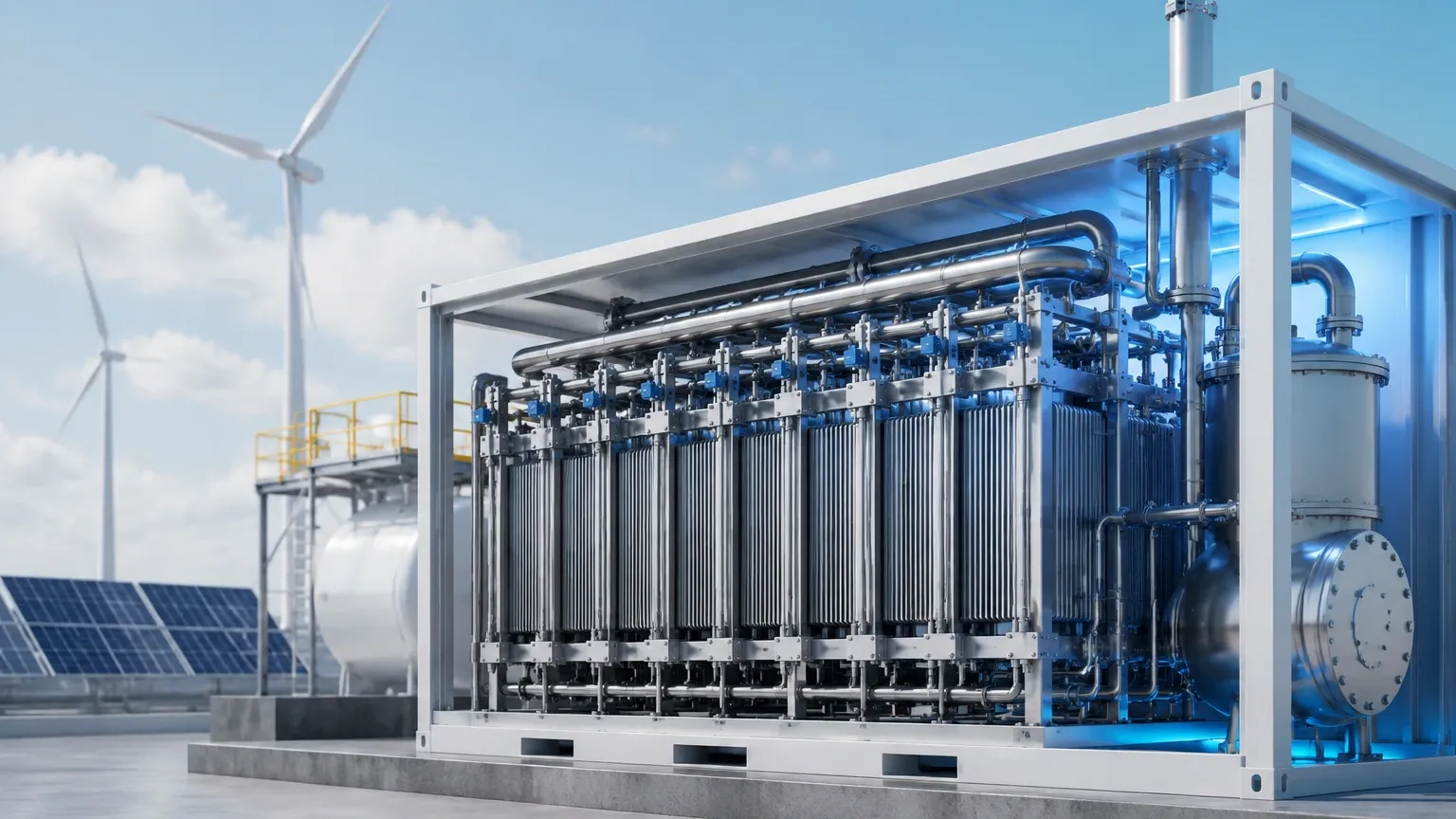
An alkaline electrolyzer consists of a series of cells stacked together, where the electrolysis occurs. The resulting mixture of electrolyte and gas (hydrogen at the cathode and oxygen at the anode) is pumped to separate gas-liquid separators. In these tanks, the gas is allowed to disengage from the liquid electrolyte, which is then cooled, filtered, and recirculated back into the electrolyzer stack.
Level measurement in these separators serves three primary functions:
1. Prevention of Gas Crossover: If the electrolyte level drops too low, there is a risk that gas from one side of the system could enter the electrolyte return lines and mix with the gas on the opposite side. This creates a highly explosive mixture of hydrogen and oxygen, posing a severe safety hazard.
2. Prevention of Electrolyte Carry-over: If the level is too high, liquid electrolyte can be carried into the gas discharge lines. This can damage downstream equipment, such as compressors and dryers, and lead to the loss of expensive KOH or NaOH solution.
3. Differential Pressure Management: The pressure balance between the hydrogen and oxygen sides must be strictly maintained. Level fluctuations directly affect the hydrostatic head in the separators, which in turn influences the differential pressure across the electrolyzer membranes. Significant imbalances can cause mechanical stress or even rupture the membranes.
For engineers looking to source high-performance instrumentation for these critical loops, reviewing the Main Page of specialized manufacturers like Welk is a recommended starting point for technical evaluation.
Measurement Principles for Alkaline Electrolyzer Applications
Selecting a level measurement technology for an alkaline electrolyzer requires an understanding of the physical principles involved and how they interact with the corrosive, pressurized, and gas-saturated environment of the separator tanks.
Guided Wave Radar (GWR)
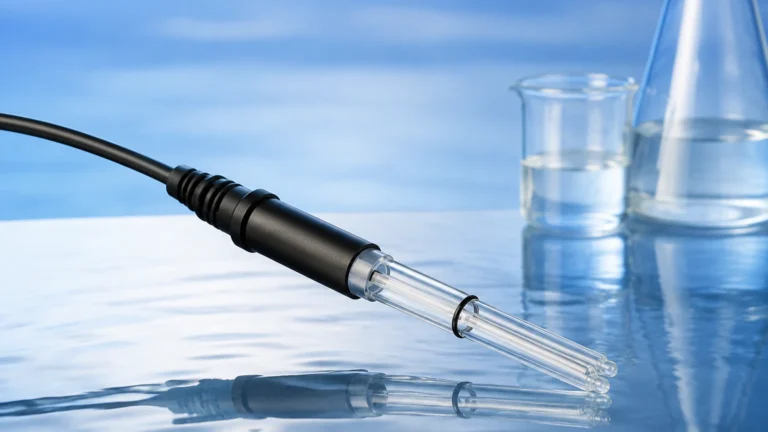
Guided Wave Radar operates on the principle of Time Domain Reflectometry (TDR). Low-energy microwave pulses are sent along a probe (waveguide). When these pulses hit the surface of the electrolyte, a portion of the energy is reflected back to the transmitter. The device measures the time of flight to calculate the distance to the liquid level.
* Advantages: GWR is largely unaffected by changes in gas composition, pressure, or temperature. It provides highly accurate readings even in the presence of steam or slight turbulence.
* Limitations: The probe must be compatible with the alkaline solution. In high-pressure hydrogen environments, the sealing of the probe (the "gas-tight feedthrough") must be designed to prevent hydrogen permeation.
Non-Contact Radar (80 GHz)
Non-contact radar transmitters emit high-frequency microwave signals that reflect off the liquid surface. The 80 GHz frequency allows for a narrow beam angle, which is ideal for avoiding internal tank obstructions like agitators or baffles.
* Advantages: Because the sensor does not touch the electrolyte, there is no risk of chemical corrosion to the antenna, provided a suitable flange or isolation window is used.
* Limitations: While very reliable, extremely heavy foam on the surface of the electrolyte can sometimes dampen the signal, though modern signal processing algorithms have largely mitigated this issue.
Differential Pressure (DP) Level Measurement
DP transmitters measure the difference in pressure between the bottom of the tank (liquid + gas head) and the top of the tank (gas head only). This difference is proportional to the height of the liquid column multiplied by the density of the fluid.
* Advantages: A well-understood technology that is easy to maintain. It is often used as a secondary, redundant measurement for safety.
* Limitations: It is highly dependent on fluid density. In an alkaline electrolyzer, the density of the KOH solution changes with temperature and concentration, which can lead to measurement errors if not compensated for.
Magnetic Level Gauges (MLG)
MLGs consist of a bypass chamber mounted to the side of the separator tank. A float containing a magnet moves up and down with the liquid level, flipping colored flaps on an external scale and/or interacting with a magnetostrictive transmitter.
* Advantages: Provides a clear visual indication for operators on the plant floor without requiring power. The transmitter provides a continuous 4-20mA or digital signal to the control system.
* Limitations: The float must be precisely engineered for the specific gravity of the electrolyte. If the float becomes coated with scale or debris, it may stick.
Comparative Analysis of Level Sensor Technologies
The following table summarizes the suitability of common technologies for use in alkaline electrolyzer separators.
| Technology | Accuracy | Chemical Resistance | Pressure Limit | Typical Application |
| :— | :— | :— | :— | :— |
| Guided Wave Radar | ±2 mm | Excellent (with PTFE/PFA) | Up to 400 bar | Primary level control |
| Non-Contact Radar | ±1 mm | Superior (No contact) | Up to 160 bar | Non-clogging primary control |
| Differential Pressure | ±0.1% FS | Good (with Diaphragm) | Very High | Redundant safety backup |
| Magnetic Gauge | ±5 mm | Excellent (316L/Hastelloy) | Up to 250 bar | Local visual + remote signal |
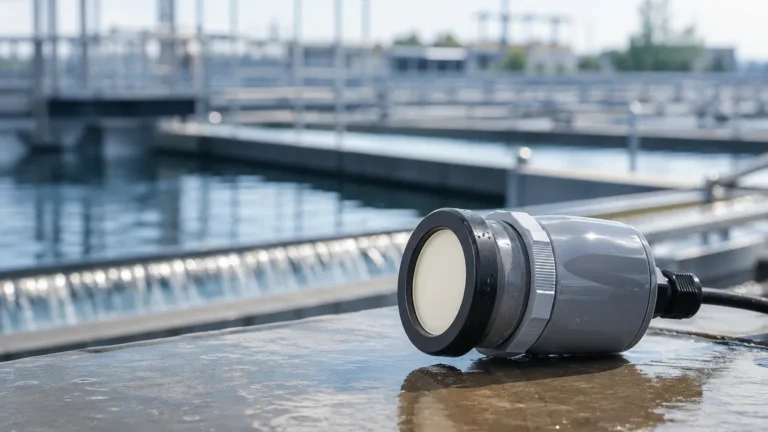
| Ultrasonic | ±5 mm | Moderate | Low (< 3 bar) | Atmospheric storage tanks |
Installation Best Practices and Material Compatibility
When installing level instruments on an alkaline electrolyzer skid, several engineering considerations must be addressed to ensure long-term reliability.
Material Selection
The electrolyte used in AWE—potassium hydroxide—is highly caustic. Standard 316L stainless steel is generally acceptable for many parts of the system at moderate temperatures, but for higher concentrations and temperatures, materials like Hastelloy C-276 or Nickel 200/201 may be required. For radar probes and DP diaphragms, PFA or PTFE coatings are essential to prevent corrosion.
Hydrogen Permeation
Hydrogen is the smallest molecule and can permeate through many materials, including the metal diaphragms of DP transmitters. This can lead to the formation of hydrogen bubbles behind the diaphragm, causing sensor drift or failure. Specifying gold-plated diaphragms is a common industrial solution to minimize hydrogen permeation.
Mounting and Stills
For radar applications, the use of a stilling well or a bypass chamber is often recommended. This protects the sensor from the turbulence caused by the high-velocity inflow of the gas-liquid mixture from the electrolyzer stack. It also provides a stable surface for the radar signal to reflect from, improving accuracy.
Operational Challenges: Foam, Pressure, and Temperature
Engineers must account for several dynamic factors during the design of the level control loop:
1. Foaming: The electrolysis process often generates foam as gas bubbles break through the surface of the electrolyte. Foam can be misinterpreted by some level sensors as a solid surface or can dampen signals. Selecting a frequency-modulated continuous wave (FMCW) radar with advanced diagnostics is often the best way to manage foaming.
2. Operating Pressure: Many modern alkaline electrolyzers operate at elevated pressures (30 bar to 50 bar) to reduce the energy required for downstream hydrogen compression. All instrumentation must be rated for these pressures and include appropriate PED or ASME certifications.
3. Temperature Variations: Electrolyzers typically operate between 60°C and 90°C. Level sensors must be temperature-compensated, and electronics should be mounted remotely or with cooling fins if the ambient temperature near the separator exceeds the sensor’s rating.
Evaluation Criteria for Procurement
Before finalizing a specification for level instruments in a hydrogen project, the following criteria should be confirmed:
* Hazardous Area Certification: The area around the hydrogen separator is typically classified as Zone 0 or Zone 1. All instruments must be ATEX, IECEx, or Class/Div certified.
* Specific Gravity (SG): For float-based or DP-based systems, the exact SG of the KOH solution at operating temperature must be provided to the manufacturer.
* Process Connection: Flanged connections (e.g., DN50 or 2" ANSI) are standard for these applications to ensure a leak-proof seal.
* Output Protocol: Most modern plants require 4-20mA HART, Profibus, or Foundation Fieldbus for integration into the plant’s Distributed Control System (DCS).
For a detailed review of available measurement solutions and to consult with application engineers regarding specific electrolyzer designs, please refer to the Main Page for Welk’s technical documentation.
Frequently Asked Questions (FAQ)
Q: Why is ultrasonic level measurement rarely used in alkaline electrolyzers?
A: Ultrasonic sensors rely on the speed of sound through the gas space. In an electrolyzer, the gas space is filled with hydrogen or oxygen, which have vastly different sound-propagation speeds compared to air. Furthermore, high pressure and the presence of foam significantly degrade ultrasonic performance, making radar a much more reliable choice.
Q: How often should level transmitters in an alkaline electrolyzer be calibrated?
A: While modern radar sensors are very stable, it is recommended to perform a visual check via a magnetic level gauge or a manual reference check every 6 to 12 months. DP transmitters may require more frequent zero-point checks due to potential density shifts in the electrolyte.
Q: Can a single sensor be used for both level and pressure?
A: While some multivariable DP transmitters can measure both, it is standard engineering practice in the hydrogen industry to use independent sensors for level and pressure to ensure redundancy and functional safety (SIL).
Q: What is the impact of KOH concentration on level measurement?
A: KOH concentration primarily affects density-based measurements like DP transmitters and magnetic floats. If the concentration increases from 25% to 30%, the density change will cause a DP transmitter to report a higher level than actually exists unless the device is recalibrated for the new density.