Autoclavable Ph Probe
Autoclavable Ph Probe
In the demanding environments of biotechnology, pharmaceuticals, and food processing, maintaining sterility while ensuring precise process control is a fundamental requirement. The autoclavable pH probe stands as a critical instrument in these sectors, designed to withstand the rigorous conditions of Steam-In-Place (SIP) and autoclave sterilization cycles without compromising measurement accuracy. Unlike standard industrial pH sensors, these specialized probes are engineered to endure repeated exposure to high temperatures and pressures, ensuring that the chemical balance of a batch remains within specified parameters throughout its lifecycle.
For engineers and plant managers, selecting the correct analytical sensors is as vital as choosing the right level measurement technology. While monitoring the volume of a reactor is handled by advanced instrumentation found on the Main Page, monitoring the biological or chemical health of the medium requires a robust autoclavable pH probe. This article provides a technical overview of the principles, selection criteria, and maintenance protocols for these essential sensors.
Understanding the Measurement Principle of pH Sensors
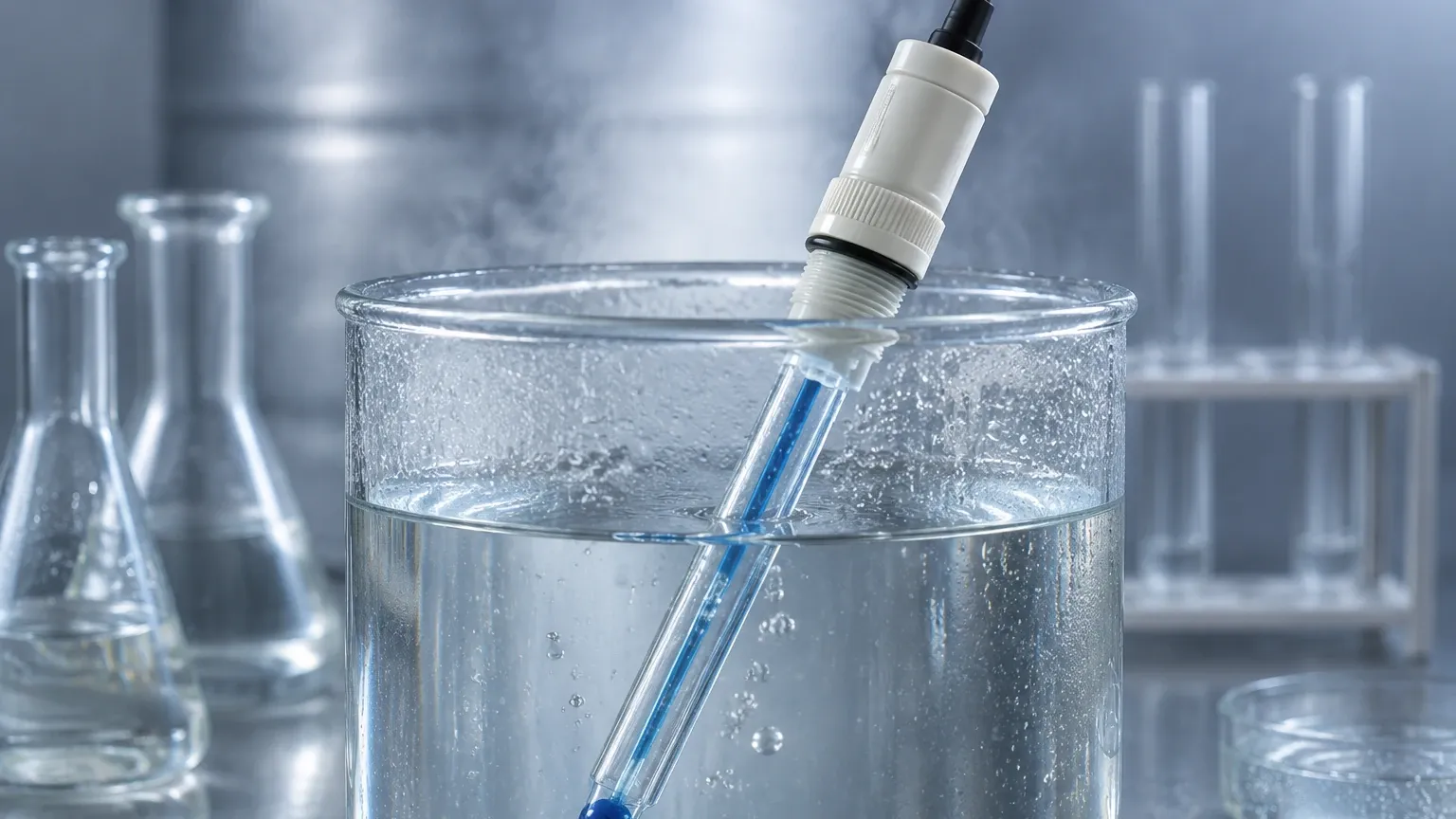
The measurement of pH is based on the potentiometric principle, typically utilizing a glass electrode. A standard pH sensor consists of two main components: a sensing electrode (glass membrane) and a reference electrode. These are often combined into a single "combination probe."
The Nernst Equation
At the heart of pH measurement is the Nernst equation, which describes the relationship between the electrical potential of the electrode and the hydrogen ion activity in the solution. The glass membrane of the probe develops a voltage proportional to the pH of the liquid it is submerged in. This voltage is compared against the stable potential of the reference electrode.
The Role of the Reference System
The reference electrode must provide a constant potential regardless of the medium's composition. This is achieved through a reference element (usually silver/silver chloride) immersed in a concentrated electrolyte (typically potassium chloride, KCl). In an autoclavable pH probe, the design of this reference system is modified to prevent the electrolyte from boiling or expanding destructively during the heating phase of sterilization.
Design Requirements for Autoclavable pH Probes
To be classified as truly autoclavable, a pH probe must survive temperatures of 121°C (250°F) and pressures of approximately 2 bar (29 psi) for extended periods, usually 20 to 30 minutes per cycle. Standard probes would fail under these conditions due to glass cracking, electrolyte depletion, or seal failure.
1. High-Temperature Glass Formulations
Standard pH glass becomes overly reactive or mechanically fragile at high temperatures. Autoclavable probes use specialized glass formulations that maintain a stable impedance and resistance to chemical attack (leaching) even after multiple sterilization cycles. These are often referred to as "H-type" or "high-temperature" glass.
2. Pressurized Reference Systems
During autoclaving, the internal pressure of the probe increases. To prevent the process medium from entering the probe (poisoning the reference) and to stop the electrolyte from escaping too quickly, many autoclavable probes feature a pressurized reference chamber. This ensures a consistent outflow of electrolyte through the junction, maintaining a clean electrical path.
3. Heat-Resistant Electrolytes
Liquid KCl electrolytes can boil or create air bubbles during autoclaving, leading to signal instability. Autoclavable pH probes often utilize polymer or gel-based electrolytes. These substances have a higher viscosity and a higher boiling point, ensuring they remain in contact with the reference element throughout the thermal cycle.
Key Selection Criteria for Sterile Applications
Choosing the right autoclavable pH probe involves more than checking the temperature rating. Engineers must consider the mechanical interface and the specific chemical nature of the process.
Selection Table: Standard vs. Autoclavable pH Probes
| Feature | Standard Industrial Probe | Autoclavable pH Probe |
| :— | :— | :— |
| Temperature Limit | Typically 0–80°C | Up to 135°C (275°F) |
| Pressure Resistance | 0–6 bar (uncompensated) | Up to 10 bar (compensated) |
| Electrolyte Type | Liquid or Gel | High-temp Gel or Polymer |
| Junction Type | Ceramic or Annular | Open pore or specialized Ceramic |
| Connector Type | S7 / S8 (Screw cap) | VP 6.0 / Memosens (Inductive) |
| Sterilization Support | None | SIP and Autoclave compatible |
Connector Standards
The connection between the probe and the transmitter is a common point of failure. In sterile environments, the VP (VarioPin) 6.0 connector is standard because it is waterproof and can handle the high-humidity environment of an autoclave. Increasingly, digital technologies like Memosens are used; these convert the analog signal to a digital one within the probe head, eliminating interference caused by moisture at the connector pins.
Installation and Sterilization Procedures
Proper installation is critical to the longevity of an autoclavable pH probe. In most bioreactors, the probe is installed via a side-entry port using an industrial housing (stationary or retractable).
Pre-Sterilization Calibration
Before the probe is placed in the autoclave or the SIP cycle begins, it should be calibrated using standard buffer solutions (typically pH 4.0 and 7.0). This establishes the baseline slope and offset of the sensor.
Sterilization Considerations
* Vertical Orientation: Probes should ideally be sterilized in a vertical or near-vertical position (at least 15° from horizontal). This prevents air bubbles from forming against the glass membrane, which could cause a loss of contact with the internal buffer.
* Pressure Equalization: If using a liquid-filled probe that is not internally pressurized, the fill hole must be opened or a pressure-compensation bladder must be used to prevent the glass bulb from imploding or exploding due to pressure differentials.
Post-Sterilization Verification
Thermal stress causes a "drift" in the sensor's output. Once the system has cooled down to operating temperature, a single-point calibration (standardization) is often performed to account for the shift in the zero point (offset) caused by the sterilization cycle.
Maintenance and Troubleshooting for Extended Lifespan
No pH probe lasts forever, and the harsh nature of autoclaving significantly accelerates the aging process. The glass membrane gradually loses its sensitivity, and the reference junction can become clogged with proteins or process debris.
Cleaning Protocols
In pharmaceutical applications, protein fouling is a major issue. Cleaning should be done with specialized solutions, such as pepsin in hydrochloric acid, to dissolve organic deposits without etching the glass. Avoid using abrasive materials that could scratch the sensitive pH glass.
Signs of Probe Failure
* Slow Response Time: If the probe takes more than 30-60 seconds to stabilize in a buffer, the glass membrane is likely dehydrated or fouled.
* Low Slope: A new probe should have a slope of 95–100% (approx. 59 mV/pH at 25°C). If the slope drops below 85%, the probe should be replaced.
* Erratic Readings: Often caused by moisture in the connector or a depleted reference electrolyte.
Integration with Industrial Process Control Systems
In a modern industrial facility, pH measurement does not exist in isolation. It is part of a holistic control strategy that includes temperature, dissolved oxygen, and level measurement. For instance, in a fermentation tank, the pH level might trigger the addition of an acid or base via a dosing pump. Simultaneously, level sensors—such as those detailed on the Main Page—ensure that the tank does not overflow during these additions and that the volume remains within the optimal range for the biological reaction.
Welk provides a range of level measurement solutions, including radar and ultrasonic transmitters, that are designed to work alongside analytical probes in these complex environments. While the pH probe monitors the chemical state, the level meter provides the physical context, ensuring a safe and efficient production process.
Limitations and Practical Constraints
Despite their robust design, autoclavable pH probes have inherent limitations:
1. Cycle Limits: Most probes are rated for a specific number of autoclave cycles (e.g., 20 to 50 cycles). Beyond this, the probability of failure increases sharply.
2. Fragility: The sensing element is still made of glass. Mechanical shock or improper handling during the transfer to an autoclave can easily break the sensor.
3. Storage: Probes must never be stored dry. They should be kept in a specific storage solution (usually 3M KCl) to keep the hydration layer of the glass membrane intact.
Frequently Asked Questions (FAQs)
Q: Can I autoclave a standard industrial pH probe?
A: No. Standard probes are not designed for the thermal expansion of the internal components. Autoclaving a non-rated probe will likely result in a shattered glass bulb or a blown-out reference seal.
Q: How often should I calibrate my autoclavable pH probe?
A: A full two-point calibration should be performed before every sterilization cycle. A single-point verification is recommended after the probe has cooled down following sterilization.
Q: What is the difference between SIP and autoclaving for a pH probe?
A: Autoclaving involves placing the probe in a separate sterilization chamber. SIP (Steam-In-Place) means the probe is sterilized while installed in the process vessel. Autoclavable probes are generally designed to handle both, but SIP often involves more mechanical stress due to the flow of high-pressure steam.
Q: Why does my pH reading drift after sterilization?
A: Drift is caused by the thermal impact on the silver/silver chloride reference system and the glass membrane's hydration layer. This is a normal physical reaction to high heat and is why post-sterilization verification is necessary.
Q: Are there mercury-free autoclavable probes?
A: Yes, modern industrial pH probes use silver/silver chloride (Ag/AgCl) reference systems, which are mercury-free and compliant with environmental and safety regulations in food and pharma.
By understanding the technical nuances of the autoclavable pH probe, process engineers can ensure higher batch yields and maintain the strict sterility required in modern industrial applications. For further information on integrating these sensors with broader tank monitoring systems, reviewing the instrumentation options on the Main Page is a recommended next step for system design.